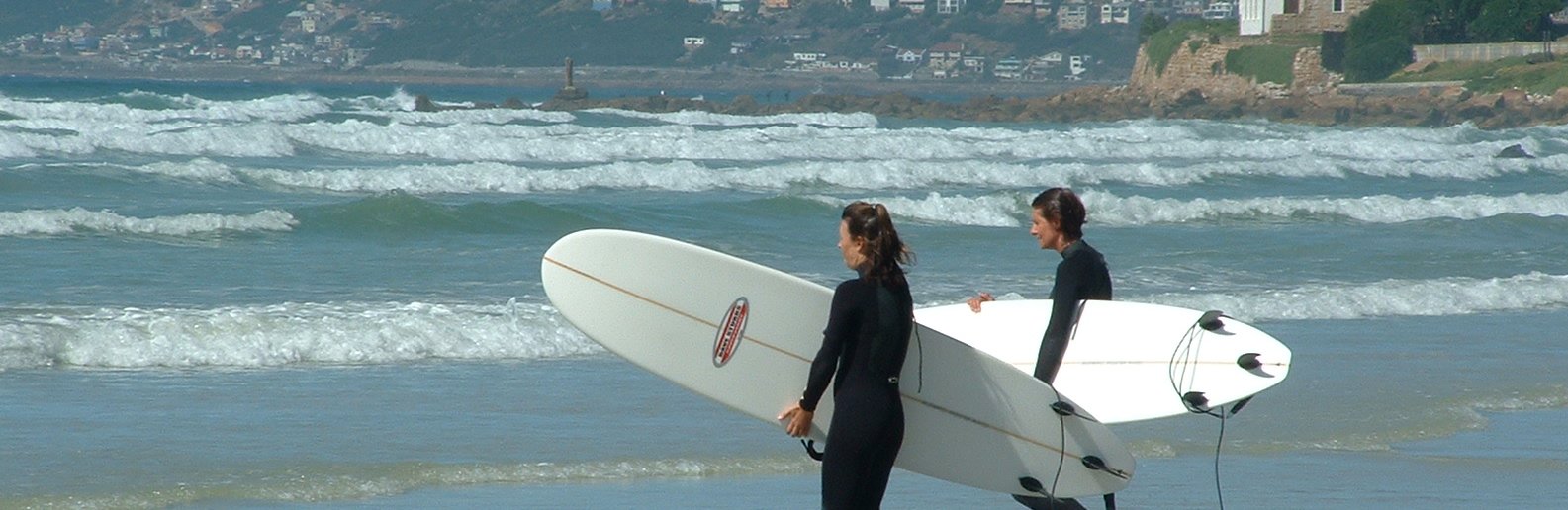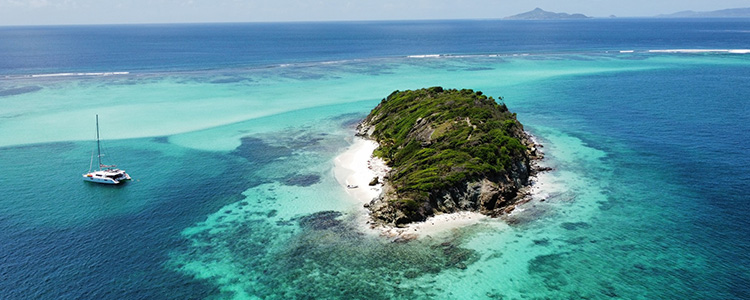
Travel to Papua New Guinea to backpack, study, intern, volunteer, work, or live as a digital nomad, expat or emigrant?

Image

Image

Image  Papua New Guinea

Intro

Backpacking or traveling in Papua New Guinea?

  • Perhaps the most ultimate off-the-beaten-path destination in the world, and for good reason. Besides being rife with violence and corruption, the country is also located on the “ring of fire,” which increases the risk of volcanic eruptions, earthquakes and tsunamis. But enough about that, if you dare to go there, the country also has an awful lot to offer. From beautiful diving to warships to the most pristine tropical forests. It is a bit expensive, though, due to the lack of infrastructure for travelers. 
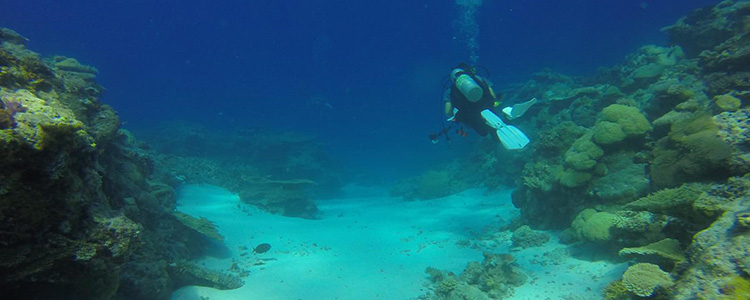
  • Activity spotting: visit the local tribes with a guide; hike through Port Moresby Nature Park; attend one of the Sing-Sings; bathe in the hot springs of the Tavurvur volcano; hike one of the challenging treks such as the Kokoda track; climb Mount Wilhelm; discover World War II wrecks and beautiful coral reefs while diving; go on a bird watching tour; explore the Kuk Early Agricultural Site; learn about the country's history at the many war museums; cruise the Sepik River; go on a wildlife safari in the Tari Basin, visit The Rainforest Habitat; chill on Muschu Island.
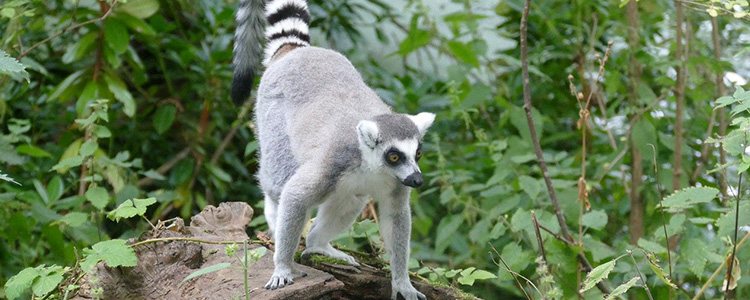
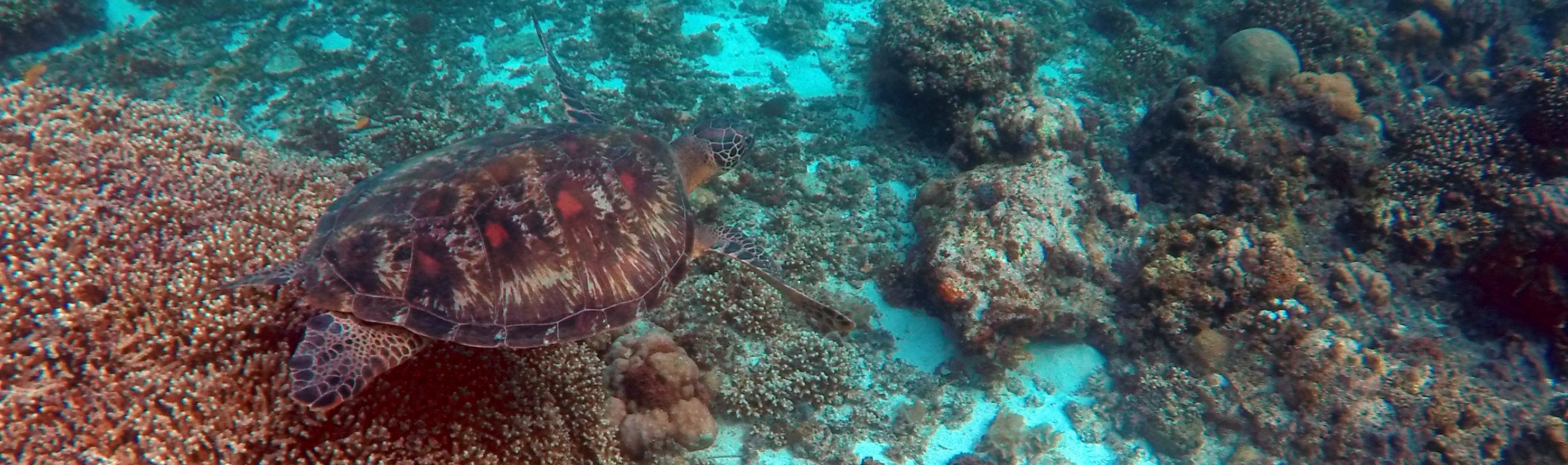
  • Animal spotting: as one of the most biodiverse places in the world, you can feast your eyes in PNG. Think of 38 (‼) species of birds of paradise, the cassowary, the Papuan eagle, tree kangaroos, shrew marsupials, fruit bats, saltwater crocodiles, many snakes, sea turtles and freshwater turtles, lionfish frogs, giant butterflies, barracudas, reef sharks, beautiful coral reefs, and so on. 
  • Food spotting: mumu (pork dish), kaukau (sweet potato), saksak (pudding with sago and coconut milk), food in banana leaves, sago pancakes, dia (fish stew), aigir (stew with meat or fish and vegetables).

Studying in Papua New Guinea?

  • A number of universities can be found in Papua New Guinea that offer a range of courses including health sciences, education, technology, environmental sciences, agriculture and social sciences. Studies in environmental sciences, forest management and wildlife research can be of particular interest here. Education levels vary and resources are often limited. 
  • Study cities: Port Moresby, Lae, Madang. 
  • Language: the primary language of instruction is English. 

Internship in Papua New Guinea?

  • There are opportunities for internships in Papua New Guinea, but it is not always easy to find some. Because of its amazing nature, internships are available in the fields of forest management, biodiversity research, marine biology and ecotourism, for example as a research assistant. You can also intern in health care, agriculture and education. 
  • Competencies: adaptability, cultural sensitivity, problem solving, leadership and teamwork. 

Doing volunteer work in Papua New Guinea?

  • Consider volunteering in the fields of education, health care and conservation. 

Working in Papua New Guinea?

  • There are expats in all kinds of industries in Papua New Guinea, often with specialized jobs, in senior positions or with large companies. The government supports the arrival of expats to increase knowledge exchange. 
  • Popular sectors include: nature and environment, community development, mining and extractive industries, education.
  • Working in PNG can be challenging due to the remoteness of many areas, limited infrastructure, and sometimes an unstable political situation. Security can be an issue in certain regions, especially in urban areas such as Port Moresby.

Working as a digital nomad in Papua New Guinea?

  • It's probably not a top destination for digital nomads. For example, Internet access is not too good, the cost of living is still relatively pricey, the country is not easy to travel and there are security concerns in some parts of the country.  

Living in Papua New Guinea?

  • Papua New Guinea is one of the most beautiful countries in the world, with pristine rainforests, beautiful coral reefs and impressive mountains. For nature lovers, it is a paradise to explore. You will also find a rich and diverse culture with many traditional tribes still living according to ancient customs. The locals can be very hospitable, provided you respect their customs and traditions. 
  • Living conditions vary depending on where you live. In cities you can find modern amenities, but life is also often more expensive and less safe. In rural areas, life is basic, with limited access to electricity, clean water and the Internet. 
  • Several international schools can be found in the big cities, which locals often attend as well. This makes for a fun exchange of cultures. 
  • Security is the biggest concern for expats and locals in Papua New Guinea. Incidents of violence, theft and armed robbery are especially common in urban areas. As an expat, you can live in secure areas, but an evening walk is best left behind. 
  • Health insurance: health care is limited and expats mainly use private clinics or fly to Australia for medical care. So do make sure you have your own well-covered health insurance.
Papua New Guinea Country Bundle: suggestions, stories and tips

Papua New Guinea Country Bundle: suggestions, stories and tips

Image

Content about Papua New Guinea on WorldSupporter

Papua New Guinea: Updates & Travel

Papua New Guinea: Updates & Travel

Travel in Papua New Guinea?

  • The biggest attraction of Papua New Guinea is the enormous biodiversity and the beautiful nature. That is why you can also make great treks in areas where Western man has not yet or hardly penetrated. Unfortunately, the country is not always safe for this. The diving areas are also among the most beautiful in the world. Hopefully the country will become a lot safer one day, and you can set foot on land without a great chance of being kidnapped or robbed.

Updates Papua New Guinea

  • More about Papua New Guinea, updates and contributions, see the link below.
How does healthcare work in Papua New Guinea, and what travel insurance, health insurance or expat insurance do you need?

How does healthcare work in Papua New Guinea, and what travel insurance, health insurance or expat insurance do you need?

How does the healthcare system work in Papua New Guinea?

What is the quality of healthcare in Papua New Guinea?

  • Since Papua New Guinea (PNG) gained independence, the government has been working hard to improve primary health care and make it accessible to all residents. Progress has been made, but there is still a lot of work to be done and unfortunately the system is underfunded. Other countries offer help, but despite this the country has to deal with many outbreaks of diseases such as malaria, tuberculosis, HIV/AIDS etc.
  • The country has a mix of public, private and Christian health care institutions. Health care is available in the cities, but outside of them it is very limited. Also, the care is generally not of good quality because the necessary resources such as medicines and equipment are not available.
  • Cash payments are the norm in PNG.
  • Emergency medical care is available in cities such as Port Moresby and Lae. Outside of these it is not.
  • For more serious care, medical evacuation is almost certainly necessary. It can therefore be useful to have a visa for Australia in advance.
  • Many common medicines are available in pharmacies, but it may be wise to bring your own medicines if you are dependent on them. Check the rules carefully.

How does the public healthcare system work in Papua New Guinea?

  • Due to the shortage of funds, the public healthcare system has many problems. The best care can be found in the cities, where there is still a chance of reasonable facilities. Outside the cities, there are often major shortages of supplies and personnel.
  • There is a public insurance - the National Health Plan, aimed at residents. Care is partly free for locals. Expats are usually not entitled to this and must therefore arrange their own insurance.

How does the private healthcare system work in Papua New Guinea?

  • There are private clinics in the country, and as with public healthcare, these are mainly concentrated in Port Moresby and Lae. The quality here is reasonable, but the range of care is still limited.
  • Private care usually has to be paid for in advance, in cash.

How is the general practitioner arranged in Papua New Guinea?

  • There are private clinics (such as Aspen Medical) where general practitioners can be found.
  • You can often find lists of doctors who speak English through embassies.

How is the dentist arranged in Papua New Guinea?

  • There are both public and private dentists, especially in Port Moresby. Good dental care is often available at private clinics.

How is pregnancy care arranged in Papua New Guinea?

  • In PNG, just over half of women receive professional help during childbirth. Less than half have access to the necessary medical care during pregnancy and many women live in extreme isolation (think a week's walk to the hospital). The country also has one of the highest maternal and infant mortality rates in the world.
  • Access to maternity and postpartum care therefore varies greatly depending on where you are. Port Moresby and Lae have good options, also for high-risk pregnancies, but it is wise to ask other expats for their experiences. Embassies can also help you find good care and doctors who speak English. Blood tests, ultrasounds and regular check-ups are part of pregnancy care, but the quality and facilities vary per institution/region.

How safe or unsafe is a trip or stay in Papua New Guinea?

What should you pay attention to in terms of safety in Papua New Guinea?

  • The people of PNG are generally very friendly and hospitable, but there are some serious issues to consider.
  • Crime is common in cities such as Port Moresby, Lae and Mount Hagen. Think of car theft, pickpocketing, sexual offences and armed robberies. It is advised not to wear expensive items in public, it is advisable to avoid crowds and not to go out after dark.
  • In addition to the human violence, the country is also in a seismically active zone, which means that earthquakes and volcanic eruptions can occur.
  • During the rainy season, heavy rainfall can lead to flooding and landslides, especially in mountainous areas.
  • Areas that are advised against include Panguna mine on Bougainville and Enga province. Always check the latest advice on your government website.

What should you look out for in terms of diseases in Papua New Guinea?

  • Various vaccinations are required for a visit to PNG. Discuss this well in advance with your vaccination doctor. Malaria is common, as is dengue. It is therefore important to take good precautions, such as taking medication, wearing mosquito repellent clothing and using spray.
  • Tuberculosis is also a major problem. Awareness and prevention are therefore important.
  • You can contract various diseases through water. Think of Leptospirosis, especially after floods. Wearing water shoes and protecting open wounds helps prevent infections. You can also suffer from diarrhea, typhoid fever and parasites due to the poor water quality. Always drink bottled water or well-filtered water.

What should you pay attention to when it comes to traffic in Papua New Guinea?

  • Moving around in traffic in PNG comes with challenges; driving on the left, the bad roads, unpredictable driving behavior of others, the tropical weather...
  • There are few major roads to get from one place to another. For example, Port Moresby is not connected to other cities. Roadblocks and armed robberies of motorists are also common. Public transport is limited and not considered safe for foreigners. The use of taxis or public motor vehicles (PMVs) is discouraged due to the risk of muggings and other crimes.
  • There is no train network and local bus transport is strongly discouraged due to the poor quality of buses and vehicles.
  • Due to the poor and limited road network, the most reliable and fastest way to travel is by domestic flight. Please note that delays can occur.

What work and travel insurance policies are suitable for short and long stays in Papua New Guinea?

  • Is the trip to Papua New Guinea and your return sufficiently covered? Are you sufficiently covered before, during and after your activities? Which insurance best suits your trip and your activity? Read more about insurances for abroad on JoHoinsurances.org.

What emigration and expat insurance can you take out for Papua New Guinea if you are going to live there for a while?

  • Although health insurance is generally not mandatory for a stay in PNG, it is an absolute must. Without good international insurance, you run a high risk of having to pay for private healthcare costs and medical evacuation in a country with many health risks.
  • Make sure your insurance covers medical evacuation as well as coverage in neighboring countries. Read more about insurances for abroad on Expatinsurances.org.
Papua New Guinea: selection of contributions by WorldSupporters - Bundle

Image

Why get specific insurance when going abroad: per activity abroad
Why should you take out specialized travel insurance for a long trip abroad?

Why should you take out specialized travel insurance for a long trip abroad?

What is round the world travel insurance or long-term travel insurance?

  • Round the world travel insurance means that you take out insurance that continues to provide coverage during all your activities abroad, and which is specifically intended for those who travel for long periods of time, such as world travelers, globetrotters, and nomads.

Why should you take out specialized travel insurance for a long trip abroad?

  • Round the world travel insurance provides coverage for a much longer trip than regular travel insurance.
  • World travel insurance is specifically intended for longer trips, whereas regular travel insurance may offer coverage on paper, but in practice handles it differently.
  • World travel insurance is suitable for many types of activities, ranging from high-altitude trekking to more risky sports.
  • World travel insurance continues to provide coverage if you start working during your trip, whether planned or unplanned. If you did not take out insurance before departure that allows you to work, there is no guarantee that you will be able to take out insurance that provides coverage while abroad.
  • Long-term travel insurance continues to provide coverage when your home country's health insurance no longer does.
  • Worldwide travel insurance also covers your medical expenses up to the actual cost, and not just for the standard costs. The costs per medical treatment vary greatly between countries.
  • Worldwide travel insurance can also continue to provide coverage if negative travel advice is issued.

What is important to insure when you are going to travel around the world?

  • That you have insurance that is valid in the countries where you are going to travel and posibly work.
  • That you are adequately insured for the sports and activities you are going to participate in during your full period abroad
  • That you are insured for emergency assistance and early return if something happens to you or your immediate family.
  • That your medical expenses are insured up to the actual cost and not just for the standard costs. The costs per medical treatment vary greatly between countries.
  • That you insure your luggage and take sufficient precautions against theft or damage.
  • That you are well insured against personal liability.
  • That you are well insured in case of accidents.
  • That you only insure yourself for legal assistance if there is an immediate reason to do so, unless coverage is already automatically included in the insurance.
  • That you pay close attention to choosing the right coverage when performing work or voluntary work during your world trip.

Check out more about

Why should you take out specific insurance when you go on a trip or vacation?

Why should you take out specific insurance when you go on a trip or vacation?

What is insurance for traveling abroad?

  • Travel insurance is insurance that provides coverage for risks during a trip or vacation abroad. This mainly concerns loss of or damage to your luggage, medical assistance, or repatriation costs if you need to be transported back home urgently. In some cases, travel insurance coverage also applies on domestic trips.
  • With annual travel insurance or multi-trip travel insurance, you are insured for all your trips throughout the year.
  • With temporary travel insurance or single-trip travel insurance, you take out insurance for each trip for the duration of the trip.
  • Cancellation insurance reimburses (all or part of) the travel sum, cancellation or accommodation costs if you have to cancel or interrupt your vacation.

Why should you take out travel insurance for a short trip, vacation, or long-distance trip?

  • Travel insurance can provide coverage in the event of an accident or emergency while you are abroad.
  • Travel insurance can provide coverage for damage and accidents during the adventurous or sporting activities you plan to do.
  • Travel insurance can continue to provide coverage if your health insurance no longer provides coverage, or if the damage is only reimbursed at cost price of your home country.
  • Travel insurance can provide coverage in the event of damage, loss, or theft of your luggage.
  • Travel insurance can provide coverage if you are held liable for damage you cause to other people or their property.
  • Travel insurance can provide coverage if you have to return home early because something has happened to you or your immediate family.

What is important to insure when you are going to travel abroad?

  • That you have insurance that is valid in the country or countries that you are going to visit.
  • That you are adequately insured for the sports and activities you are going to participate in during your period abroad.
  • That you are insured for emergency assistance and early return if something happens to you or your immediate family.
  • That your medical expenses are insured up to the actual cost and not just for the standard costs. The costs per medical treatment vary greatly between countries.
  • That you insure your luggage and take sufficient precautions against theft or damage.
  • That you are well insured against personal liability.
  • That you are well insured in case of accidents.
  • That you only insure yourself for legal assistance if there is an immediate reason to do so, unless coverage is already automatically included in the insurance.
  • That you pay close attention to choosing the right coverage when performing work alongside your travels.

Check out more about international insurances

Why should you take out specialized travel insurance for working abroad?

Why should you take out specialized travel insurance for working abroad?

Why should you take out specialized travel insurance for paid work, voluntary work or an internship abroad?

  • There may be several reasons why you need separate insurance when working abroad.
  • During work, internships, or volunteer work abroad where you receive financial compensation (or, for example, food or housing), your national health insurance coverage may expire. You will then need special insurance to remain insured for illness and accidents.
  • During specific work abroad, additional requirements may apply if your work involves additional risks. Only specific insurance policies offer coverage during this type of work.
  • During your work, the risk of accidents is sometimes greater, for example because you are doing work with which you have little experience or because of the nature of the work.
  • During your work, local employers generally offer no or limited insurance that provides insufficient coverage.

What is important to insure when you are going to work abroad?

  • That you have insurance that is valid in the country or countries where you are going to travel and work.
  • That you are adequately insured for the sports and activities you are going to participate in during your period abroad
  • That you are insured for emergency assistance and early return if something happens to you or your immediate family.
  • That your medical expenses are insured up to the actual cost and not just for the standard costs. The costs per medical treatment vary greatly between countries.
  • That you insure your luggage and take sufficient precautions against theft or damage.
  • That you are well insured against personal liability.
  • That you are well insured in case of accidents.
  • That you only insure yourself for legal assistance if there is an immediate reason to do so, unless coverage is already automatically included in the insurance.
  • That you pay close attention to choosing the right coverage when performing work.

Check out more about international insurances

Why should you take out specialized travel insurance for volunteering abroad?

Why should you take out specialized travel insurance for volunteering abroad?

What is insurance for volunteering abroad?

  • Insuring volunteer work abroad means taking out insurance that continues to provide coverage while you are working as a volunteer abroad

Why should you take out specialized travel insurance for voluntary work abroad?

  • There may be several reasons why you need separate insurance when volunteering abroad.
  • During specific activities abroad, additional requirements may apply if your work involves extra risks. Only specific insurance policies offer coverage during these activities.
  • The risk of accidents is sometimes higher during your work, for example because you are doing work you have little experience with or because of the nature of the work.
  • Local projects or employers generally offer no or limited insurance that provides insufficient coverage during your work.
  • When volunteering abroad and receiving minor financial compensation (or, for example, food or housing), your home country's health insurance coverage will potentially lapse. You will then need special insurance to remain insured for illness and accidents.
  • Regular travel insurance policies generally provide coverage for trips of a limited number of days. If your trip or stay abroad exceeds the maximum number of days, this generally means that for the entire travel period, you will not be covered.
  • Regular travel insurance policies generally only provide coverage for recreational travel without voluntary work activities. If you engage in activities other than recreational activities (such as volunteer work), this generally means that for the entire travel period, you will not be covered.

What is important to insure when you are going to work as a volunteer abroad?

  • That you have insurance that is valid in the country or countries where you are going to travel and volunteer.
  • That you are adequately insured for the sports and activities you are going to participate in during your period abroad
  • That you are insured for emergency assistance and early return if something happens to you or your immediate family.
  • That your medical expenses are insured up to the actual cost and not just for the standard costs. The costs per medical treatment vary greatly between countries.
  • That you insure your luggage and take sufficient precautions against theft or damage.
  • That you are well insured against personal liability.
  • That you are well insured in case of accidents.
  • That you only insure yourself for legal assistance if there is an immediate reason to do so, unless coverage is already automatically included in the insurance.
  • That when performing work in healthcare, with wild animals, and with dangerous (agricultural) machinery, you take care to choose the right coverage.

Check out more about international insurances

Why should you take out specialized travel insurance for an internship abroad?

Why should you take out specialized travel insurance for an internship abroad?

What is insurance for an internship abroad?

  • Insuring an internship abroad means taking out insurance that continues to provide coverage during your internship abroad
  • Insurance for internships abroad are also referred to as internship insurance. This internship insurance is specifically for when you go abroad for a long period of time to work as an intern, take courses, or conduct research abroad.

Why should you take out specialized travel insurance for an internship abroad?

  • There may be several reasons why you need separate insurance for an internship abroad.
  • During internship activities abroad, additional requirements may apply as soon as you start performing work that involves additional risks. Only specific insurance policies offer coverage during these activities.
  • During your internship, the risk of accidents is sometimes greater, for example because you are doing work with which you have little experience or because of the nature of the work.
  • During your internship, local employers generally do not offer insurance, or offer limited insurance that does not provide sufficient coverage.
  • During an internship abroad where you receive financial compensation (or, for example, food or accommodation), your home country's health insurance coverage will potentially lapse. You will then need special insurance to remain insured for illness and accidents.
  • Regular travel insurance policies generally provide coverage for trips of a limited number of days. If your trip or stay abroad exceeds the maximum number of days, this generally means that for the entire travel period, you will not be covered.
  • Regular travel insurance policies generally only provide coverage for recreational trips without work activities.

What is important to insure when you are going to be an intern abroad?

  • That you have insurance that is valid in the area where you will be traveling and doing your internship.
  • That you are adequately insured for the sports and activities you will be participating in.
  • That you are insured for emergency assistance and early return in case something happens to you or your immediate family.
  • That your medical expenses are insured up to the actual cost (what it actually costs), and not just for the standard costs. The costs per medical treatment vary greatly between countries.
  • That you insure your luggage and take sufficient precautions against theft or damage.
  • That you are well insured against personal liability and, preferably, also for liability during your internship.
  • That you are well insured in case of accidents.
  • That you insure yourself for legal assistance if there is an immediate reason to do so, unless the coverage is already automatically included in the insurance.
  • Make sure you choose the right coverage for internship work in healthcare, with wild animals, or with dangerous machinery!

Check out more about international insurances

Why should you take out specialized travel insurance for studying abroad?

Why should you take out specialized travel insurance for studying abroad?

What is insurance for studying abroad?

  • Insurance for studying abroad means that you take out insurance that continues to provide coverage during your studies, your education, and your related activities abroad.
  • Insurance for studying abroad is also referred to as study insurance. This study insurance is specifically for when you go abroad for a long period of time to take courses, study, or conduct research abroad.

Why should you take out specialized travel insurance for a study abroad?

  • Study insurance is specifically designed for studying abroad, whereas regular travel insurance policies may offer coverage on paper but handle this situation differently in practice.
  • Study insurance offers coverage for longer stays than regular (vacation) travel insurance.
  • Study insurance is also suitable for many types of activities, ranging from various sports to hiking at high altitudes.
  • Study insurance continues to provide coverage if you start working during your trip, whether planned or unplanned. If you have not taken out insurance before departure that allows you to work, there is no guarantee that you will be able to take out insurance abroad that provides coverage.
  • Study insurance continues to provide coverage if your own country's health insurance no longer provides coverage.
  • Student insurance also covers your healthcare costs above the rates in your own country; with regular insurance, you have to pay the extra costs yourself.
  • Student insurance can also continue to provide coverage if (study) visa issuers impose additional requirements on how you insure yourself, for example if you are going to the US and applying for a J-1 visa.
  • Student insurance continues to provide coverage if you are staying abroad for a longer period of time and want to visit your own country in between.

What is important to insure when you are going to study abroad?

  • That you have insurance that is valid in the country or countries where you are going to travel and work.
  • That you are adequately insured for the sports and activities you are going to participate in during your period abroad
  • That you are insured for emergency assistance and early return if something happens to you or your immediate family.
  • That your medical expenses are insured up to the actual cost and not just for the standard costs. The costs per medical treatment vary greatly between countries.
  • That you insure your luggage and take sufficient precautions against theft or damage.
  • That you are well insured against personal liability.
  • That you are well insured in case of accidents.
  • That you only insure yourself for legal assistance if there is an immediate reason to do so, unless coverage is already automatically included in the insurance.
  • That you pay close attention to choosing the right coverage when performing work alongside your studies.

Check out more about international insurances

Why should you take out specialized insurance for moving abroad as an emigrant or an expat?

Why should you take out specialized insurance for moving abroad as an emigrant or an expat?

What is an emigration insurance and what is an expat insurance?

  • Emigration insurance is an insurance that continues to provide coverage if you move abroad permanently or for an indefinite period of time.
  • Emigration insurance is not only intended for emigrants, but for anyone who leaves their home country for an extended period of time and does not intend to return in the foreseeable future.
  • Expat insurance is insurance that continues to provide coverage if you go to work abroad for a local or international employer for an extended period of time.
  • Expat insurance is not only intended for expats, but for anyone who has a more permanent job abroad.

Why should you take out specialized insurance for emigration or working as an expat abroad?

  • Emigration or expat insurance not only provides coverage for acute assistance in the event of illness or accident abroad, such as travel insurance, but can also provide coverage for existing conditions and ailments or non-urgent care.
  • Emigration or expat insurance does not require you to maintain valid health insurance in your home country.
  • Emigration or expat insurance provides coverage for preventive care or costs related to pregnancy and childbirth.
  • Emigration or expat insurance also provides coverage for long-term treatments and chronic conditions without you having to return to your home country.
  • Emigration or expat insurance often has no restrictions on the duration of the insurance, unlike travel insurance.
  • Emigration or expat insurance usually maintains coverage in cases such as negative travel advice or acts of war.
  • Emigration or expat insurance offers various solutions in the areas of disability, home and household insurance, goods transport, and liability.

What is important to insure when you are going to move abroad?

  • That you have insurance that is valid in the country or countries where you are going to live and/or work.
  • That you are adequately insured for the sports and activities you are going to participate in during your period abroad
  • That you are insured for emergency assistance and early return if something happens to you or your immediate family.
  • That your medical expenses are insured up to the actual cost and not just for the standard costs. The costs per medical treatment vary greatly between countries.
  • That you are well insured against personal liability.
  • That you are well insured in case of accidents.
  • That you pay close attention to choosing the right coverage when performing work with additional health risks

Check out more about international insurances

Why should you take out travel insurance and why through the JoHo Foundation?

Why should you take out travel insurance and why through the JoHo Foundation?

Why Insurances through JoHo

  • Specialized: in emigration, work, internships, study and travel abroad.

  • Service: JoHo offers multiple travel insurances by multiple companies. Thanks to JoHo's extensive experience, it can offer support in case of problems with insurers, as well as advice and fast and personal handling.

  • Safe: JoHo is recognized as a trustworthy intermediary for insurances.

  • Social: by purchasing an insurance through JoHo you provide a talented student in The Philippines with health insurance

Why Should You Take Out A Travel Insurance?

  • The chance of getting injured or ill is generally higher than when you would have stayed at home. The medical care you will need can be very expensive, even more so if you are treated in a private clinic.

  • If you have to fly back because of family circumstances, the flights might be more expensive than your original flight because you have to fly on short notice.

  • You might have to deal with the damage, loss or theft of your luggage.

  • In case of emergency it can be difficult to figure out what to do. A good travel insurance will have an assistance team on standby for you 24/7 and will be able to tell you what steps to take.

Why Should You Specifically Take Out A Travel Insurance For A Long Trip Abroad?

  • Often regular travel or health insurances only cover trips for a maximum number of days (for example 60, 90 or 180 days).

  • Depending on your home country, your health insurance might not offer any coverage for treatment abroad.

  • During a long trip you might consider specific activities, like paid work or volunteering. Regular travel insurances often don’t cover these kind of activities. The same goes for adventurous/ hazardous sports like skydiving, scuba-diving and bungee jumping.

More on why to use JoHo

  • JoHo is one of the few organizations where you can directly purchase a comprehensive range of foreign insurances from a variety of insurers. As with our other products and services, we believe that you should be able to choose between the best, the most cost effective and the most specialized insurance.

  • JoHo offers various possibilities from combining insurances to assisting in transferring from one insurer to another.

  • When you purchase an insurance policy through JoHo, you will not pay more than if you had purchased it directly from the insurer. Sometimes (through special collective agreements) you will even pay less.

  • JoHo offers support with problems that may arise with the insurer. Sometimes disagreement with claims, cancellation notice or insurance premiums can occur. In this situation it helps if you have the assistance of an organization who has an established relationship with the insurer.


Read more about JoHo and JoHo Insurances

Image

Safety and insurances for Papua New Guinea

How does healthcare work in Papua New Guinea, and what travel insurance, health insurance or expat insurance do you need?

How does healthcare work in Papua New Guinea, and what travel insurance, health insurance or expat insurance do you need?

How does the healthcare system work in Papua New Guinea?

What is the quality of healthcare in Papua New Guinea?

  • Since Papua New Guinea (PNG) gained independence, the government has been working hard to improve primary health care and make it accessible to all residents. Progress has been made, but there is still a lot of work to be done and unfortunately the system is underfunded. Other countries offer help, but despite this the country has to deal with many outbreaks of diseases such as malaria, tuberculosis, HIV/AIDS etc.
  • The country has a mix of public, private and Christian health care institutions. Health care is available in the cities, but outside of them it is very limited. Also, the care is generally not of good quality because the necessary resources such as medicines and equipment are not available.
  • Cash payments are the norm in PNG.
  • Emergency medical care is available in cities such as Port Moresby and Lae. Outside of these it is not.
  • For more serious care, medical evacuation is almost certainly necessary. It can therefore be useful to have a visa for Australia in advance.
  • Many common medicines are available in pharmacies, but it may be wise to bring your own medicines if you are dependent on them. Check the rules carefully.

How does the public healthcare system work in Papua New Guinea?

  • Due to the shortage of funds, the public healthcare system has many problems. The best care can be found in the cities, where there is still a chance of reasonable facilities. Outside the cities, there are often major shortages of supplies and personnel.
  • There is a public insurance - the National Health Plan, aimed at residents. Care is partly free for locals. Expats are usually not entitled to this and must therefore arrange their own insurance.

How does the private healthcare system work in Papua New Guinea?

  • There are private clinics in the country, and as with public healthcare, these are mainly concentrated in Port Moresby and Lae. The quality here is reasonable, but the range of care is still limited.
  • Private care usually has to be paid for in advance, in cash.

How is the general practitioner arranged in Papua New Guinea?

  • There are private clinics (such as Aspen Medical) where general practitioners can be found.
  • You can often find lists of doctors who speak English through embassies.

How is the dentist arranged in Papua New Guinea?

  • There are both public and private dentists, especially in Port Moresby. Good dental care is often available at private clinics.

How is pregnancy care arranged in Papua New Guinea?

  • In PNG, just over half of women receive professional help during childbirth. Less than half have access to the necessary medical care during pregnancy and many women live in extreme isolation (think a week's walk to the hospital). The country also has one of the highest maternal and infant mortality rates in the world.
  • Access to maternity and postpartum care therefore varies greatly depending on where you are. Port Moresby and Lae have good options, also for high-risk pregnancies, but it is wise to ask other expats for their experiences. Embassies can also help you find good care and doctors who speak English. Blood tests, ultrasounds and regular check-ups are part of pregnancy care, but the quality and facilities vary per institution/region.

How safe or unsafe is a trip or stay in Papua New Guinea?

What should you pay attention to in terms of safety in Papua New Guinea?

  • The people of PNG are generally very friendly and hospitable, but there are some serious issues to consider.
  • Crime is common in cities such as Port Moresby, Lae and Mount Hagen. Think of car theft, pickpocketing, sexual offences and armed robberies. It is advised not to wear expensive items in public, it is advisable to avoid crowds and not to go out after dark.
  • In addition to the human violence, the country is also in a seismically active zone, which means that earthquakes and volcanic eruptions can occur.
  • During the rainy season, heavy rainfall can lead to flooding and landslides, especially in mountainous areas.
  • Areas that are advised against include Panguna mine on Bougainville and Enga province. Always check the latest advice on your government website.

What should you look out for in terms of diseases in Papua New Guinea?

  • Various vaccinations are required for a visit to PNG. Discuss this well in advance with your vaccination doctor. Malaria is common, as is dengue. It is therefore important to take good precautions, such as taking medication, wearing mosquito repellent clothing and using spray.
  • Tuberculosis is also a major problem. Awareness and prevention are therefore important.
  • You can contract various diseases through water. Think of Leptospirosis, especially after floods. Wearing water shoes and protecting open wounds helps prevent infections. You can also suffer from diarrhea, typhoid fever and parasites due to the poor water quality. Always drink bottled water or well-filtered water.

What should you pay attention to when it comes to traffic in Papua New Guinea?

  • Moving around in traffic in PNG comes with challenges; driving on the left, the bad roads, unpredictable driving behavior of others, the tropical weather...
  • There are few major roads to get from one place to another. For example, Port Moresby is not connected to other cities. Roadblocks and armed robberies of motorists are also common. Public transport is limited and not considered safe for foreigners. The use of taxis or public motor vehicles (PMVs) is discouraged due to the risk of muggings and other crimes.
  • There is no train network and local bus transport is strongly discouraged due to the poor quality of buses and vehicles.
  • Due to the poor and limited road network, the most reliable and fastest way to travel is by domestic flight. Please note that delays can occur.

What work and travel insurance policies are suitable for short and long stays in Papua New Guinea?

  • Is the trip to Papua New Guinea and your return sufficiently covered? Are you sufficiently covered before, during and after your activities? Which insurance best suits your trip and your activity? Read more about insurances for abroad on JoHoinsurances.org.

What emigration and expat insurance can you take out for Papua New Guinea if you are going to live there for a while?

  • Although health insurance is generally not mandatory for a stay in PNG, it is an absolute must. Without good international insurance, you run a high risk of having to pay for private healthcare costs and medical evacuation in a country with many health risks.
  • Make sure your insurance covers medical evacuation as well as coverage in neighboring countries. Read more about insurances for abroad on Expatinsurances.org.

Image ACTIVITIES

Check courses, jobs, projects, recipes, suggestions and tips related to: 'Papua New Guinea'

CHECK MORE ACTIVITIES

Make a selection, to find more tips than you see below

Image Heb jij een HBO/WO opleiding in de zorg en minimaal 3 jaar werkervaring? Zet jouw vakkennis in en draag bij aan betere zorg in ontwikkelingslanden terwijl je leeft en werkt midden in de lokale gemeenschap
Heb jij een HBO/WO opleiding in de zorg en minimaal 3 jaar werkervaring? Zet jouw vakkennis in en draag bij aan betere zorg in ontwikkelingslanden terwijl je leeft en...
Image Ben jij een ervaren ICT-professional? Laat je uitzenden naar één van de projecten in ontwikkelingslanden waar jouw ICT-vakkennis ingezet kan worden voor bijvoorbeeld beter onderwijs
Ben jij een ervaren ICT-professional? Laat je uitzenden naar één van de projecten in ontwikkelingslanden waar jouw ICT-vakkennis ingezet kan worden voor bijvoorbeeld...
Image Medisch personeel gezocht voor hulpverlening en medische training in crisisgebieden
Medisch personeel gezocht voor hulpverlening en medische training in crisisgebieden.
Activities abroad: home bundle

Main content and contributions for activities abroad

,,,accommodations, adventure activities, courses, internships, jobs and volunteer projects

...to help another, travel with care, work together , learn to share and inspire with your experience


Activities abroad: home page

Activities abroad: home page

From language courses to gap year abroad, from work experience to volunteering abroad, from paid work to internship abroad, from mountaineering to diving and from backpacking to travel around the world

    What social activities can you do abroad?

    • Opportunities are found in the areas of helping, learning or studying. You can get involved to volunteer in a social project at a school in Africa, Asia or Latin America. You can get involved in nature, in a project with animals or cleaning the sea or beaches. Those who want to learn more can choose for example a language course in Latin America, Spain or South Africa.

    What work related activities can you do abroad?

    • If you want to gain work experience, and/or also earn money, go and work abroad. You can combine backpacking in Australia with temporary work. You can work on campsites in Europe or bush camps in Africa. You can pretty much go all over the world to work in the hospitality industry, hotels and hostels, in the healthcare sector or for example at a diving school.

    What sports activities to do abroad?

    • Have you ever thought of mountain biking, rafting (going down a wild river on a raft or rubber dinghy, climbing or canoeing), survival (which involves building rafts, climbing or canoeing), abseiling (descending a rock face while secured to ropes), zip-lining (whizzing down a cable), canyoning (starting at the top of a river and then climbing, swimming, diving down the bed) or caving (scrambling, wriggling and crawling through caves and crevices)?
    • Maybe you feel more comfortable on a bodyboard (on a half-wave surfboard, you surf the high waves lying down-with flippers), on a hang glider or while paragliding (with a parachute you float down a mountain or dune), hydrospeeding (on a bodyboard with flippers and a wetsuit on you go down a wild river via rapids) or Tiefschneeskiing (racing down through powder snow)?

    Check the pages below for more activities and inspiration and where to go and how to arrange it

      Activities abroad: for gap year, sports, travel and outdoor abroad

      Activities abroad: for gap year, sports, travel and outdoor abroad

      Bundled content for gap year, sports, travel and outdoor abroad

      Access: 
      Public

      Image STORIES

      Check blogs, experiences and information related to: 'Papua New Guinea'

      CHECK MORE STORIES

      Make a selection, to find more blogs and contributions than you see below

      Image What should you do during a volcano eruption, and how dangerous is climbing an active volcano?
      What should you do if you are caught in a volcanic eruption, and how dangerous are volcanoes abroad? There are major differences between one volcanic eruption and...
      Image Welk visum regelen voor een reis naar Papoea-Nieuw-Guinea?
      ToeristenvisumVoor een bezoek aan Papoea Nieuw Guinea dien je een toeristenvisum te hebben. Met een toeristenvisum kun je maximaal 60 dagen in Papoea Nieuw-Guinea...
      Image Papua New Guinea: Updates & Travel
      Why travel to and in Papua New Guinea? The biggest attraction of Papua New Guinea is the enormous biodiversity and the beautiful nature. That is why you can also make...
      Image How does healthcare work in Papua New Guinea, and what travel insurance, health insurance or expat insurance do you need?
      How does the healthcare system work in Papua New Guinea? What is the quality of healthcare in Papua New Guinea? How does the public healthcare system work in Papua New...
      Image What should you do during an earthquake, in which countries do they occur, and how dangerous are earthquakes
      How can you prepare for an earthquake? What to do during an earthquake? What to do After the earthquake...
      Countries & Destinations: home bundle

      Bundled content, suggestions, stories and tips about the countries and destinations in the world

      ...to help another, travel with care, work together , learn to share and inspire with your experience

      Africa: country bundles

      Africa: country bundles

      Access: 
      Public
      Asia: country bundles

      Asia: country bundles

      Country bundles of Asian countries

      Access: 
      Public
      Europe: country bundles

      Europe: country bundles

      Country bundles of European countries

      Access: 
      Public
      The Caribbean: country bundles

      Image ORGANIZATIONS

      Check sectors and organizations related to: 'Papua New Guinea'

      CHECK MORE ORGANIZATIONS

      No results found.

      Organizations & Services: home bundle

      Bundled content, suggestions, stories and tips about organizations and their products and services

      ...to help another, travel with care, work together, learn to share and inspire with your experience

      Organizations: home page
      Organizations: for administrative, tax and legal work and consulting
      Organizations: for agriculture, grape picking, farming and vineyards
      Organizations: for animal protection, animal care and working with wildlife abroad
      Organizations: for au pairs, youth work and child care abroad
      Organizations: for bush camping and working at a campsite abroad
      Organizations: for catering, hospitality and entertainment abroad
      Organizations: for civil society and social work abroad
      Organizations: for corporate business services
      Organizations: for customer services abroad and help desks
      Organizations: for diving, snorkeling and water sports abroad
      Organizations: for education and schools abroad
      Organizations: for expatriate insurances, travel insurances, and emergency call centers
      Organizations: for gap year activities abroad and sabbaticals
      Organizations: for internship placement abroad
      Organizations: for insurances and finance abroad
      Organizations: for IT, engineering and construction
      Organizations: for language travel and language teaching abroad
      Organizations: for marketing, communication and PR
      Organizations: for mediation in au pairs, childcare and elderly care in the Netherlands
      Organizations: for moving, international relocation and transport abroad
      Organizations: for nature conservation, environmental protection and working in nature abroad
      Organizations: for nonprofit projects, development work and international cooperation
      Organizations: for online work as digital nomad, freelancer, or independent entrepreneur from abroad
      Organizations: for outdoor activities and sports
      Organizations: for providing accommodation and hospitality work in hotels, guesthouses, ecolodges and hostels abroad
      Organizations: for providing healthcare and working in medical care abroad
      Organizations: for psychological assistance and mental health care abroad
      Organizations: for real estate, brokerage abroad and property rental abroad
      Organizations: for research and scientific work abroad
      Organizations: for student support and student associations
      Organizations: for tour guidance and adventure tours abroad
      Organizations: for tourism and organized travel and leisure work abroad
      Organizations: for voluntary work mediation and project placement abroad
      Organizations: for yacht and shipping crew and working on a cruise ship abroad

      Image SUMMARIES

      Check summaries and study assistance related to: 'Papua New Guinea'

      CHECK MORE SUMMARIES

      No results found.

      Image

      SPOTLIGHT & FAVORITES

      FAVORITES

      Image ALL CONTENT

      Search all related content within the topic: 'Papua New Guinea'

      ALL CONTENT WITHIN TOPIC

      Select any filter and click on Apply to see results

      Image

      TOPICS : check associated topics and more activities

      Check more: activities in WorldSupporter
      Go abroad!
      Page topic

      Stories, tips and experiences from Papua New Guinea

      Submenu & Search

      Search only via club, country, goal, study, topic or sector