Travel to Canada to backpack, study, intern, volunteer, work, or live as a digital nomad, expat or emigrant?

Image

Image

Image  Canada

Intro

Backpacking in Canada?

  • Backpacker spots: Banff, Calgary, Edmonton, Montreal, Ottawa, Vancouver.
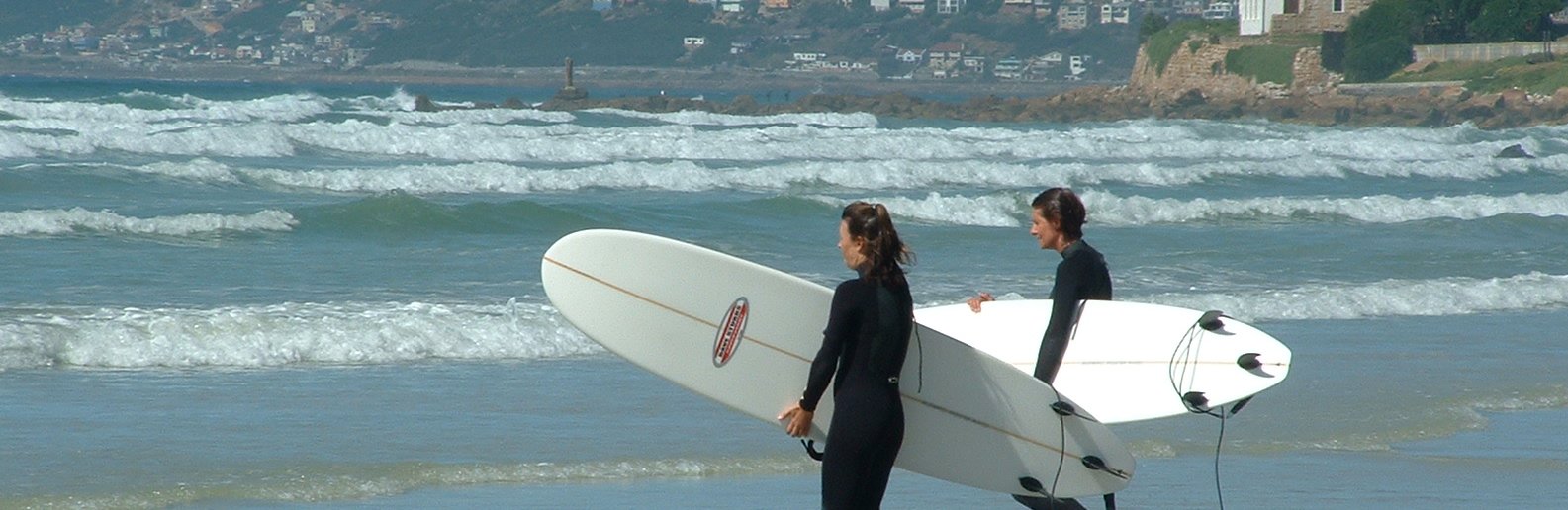
  • Features: hiking, hiking, winter sports, surfing, endless roads, open population, atmospheric big cities.

Travel in Canada?

  • Travel characteristics: sparsely populated, breathtaking mountain landscapes, plenty of tranquility, French atmosphere in French-speaking areas.
  • Cities spotting: Montreal, Quebec, Toronto, Vancouver, Victoria , Whistler (winter sports).
  • Nature spotting: Banff National Park, Jasper National Park, Niagara Falls, Pacific Rim National Park Reserve.
  • Wildlife spotting: eagles, canadian lynx, moose, grizzlies, orcas, pumas, reindeer, whales, wapities

Internship in Canada?

  • Internship cities: Calgary, Quebec, Toronto, Vancouver.
  • Internship sectors: you can do internships in almost all sectors.
  • Internship culture: competitive compared to the Netherlands, mostly pleasant working atmosphere, easy going.
  • Learning Skills: be creative, network, be persuasive, be professional, be result oriented and have self-confidence.

Studying in Canada?

  • Study cities: besides the well-known cities (Quebec and Toronto), you can also study in, for example,E dmonton, Calgary, Winnipeg or Saskatoon.
  • Study culture: competitive compared to the Netherlands, pleasant atmosphere, lots of sports, quality education.
  • Learning skills: communicate, network, plan, be stress resistant, have self-confidence.

Volunteering in Canada?

  • Nature projects: many conservation opportunities in the national parks such as forest and river conservation and protection of local animals.
  • Social projects: homeless shelters, youth services, education and food banks.

Working in Canada?

  • Jobs: temporary work can be found through working holiday visas including in winter sports and agriculture.
  • Work locations: Toronto (economic center)., Montreal (arts and education), Vancouver (sustainability, media and technology).
  • Work culture: multicultural, bilingual in some parts of the country.

Working as a digital nomad in Canada?

  • Hotspots: Montreal, Quebec City, Vancouver, Victoria.

Living in Canada?

  • Language: English and French.
  • Living climate: nice mix of cultures and languages, tolerant society, satisfied residents, good education, lots of outdoor opportunities, good safety, much better work-life balance than with American neighbors.
  • Health care: basic health care is available to all. Get advice on insurance policies that provide adequate coverage for proper care and also repatriation in case of emergency.
Canada Country Bundle: suggestions, stories and tips

Canada Country Bundle: suggestions, stories and tips

Image

Content about Canada on WorldSupporter

Why study in Canada, do an internship, do volunteer work or look for a job in Canada?

Why study in Canada, do an internship, do volunteer work or look for a job in Canada?

Why study, do an internship, volunteer or work temporarily in Canada?

  • Because the teaching is of very high quality.
  • Because you will find a wide range of study and internship opportunities.
  • Because it helps you improve and professionalize your English and/or French.
  • Because you can gain insight into a multicultural environment, which is valuable in a globalized job market.
  • Because you can gain high-quality practical skills. 

What should you pay attention to?

  • That tuition fees can be very high.
  • That you know (some of) the language of the area you are going to.
  • That equality, fair treatment and inclusiveness are very important values. 
     
Why live in Canada, why emigrate to Canada or stay for a long time?

Why live in Canada, why emigrate to Canada or stay for a long time?

Why should you live in Canada as an expat, emigrant or working nomad?

  • Because Canada is one of the most favorite countries for longer stays and emigration.
  • Because there is a tremendous amount of outdoor adventures.

  • Because the amenities are good, and the people are incredibly kind.
  • Because environmental awareness is high. 
  • Because health care is a fundamental right in Canada. 
  • Because you can learn a lot about kindness, respect for others and equality in a multicultural society. 
  • Because you can give your English and possibly French language skills a big boost. 
  • Because Canada is open to immigrants. 
What should you pay attention to?

  • That the cost of living is relatively high in the big cities. 
  • That it can get very cold in the winter. 
  • That the distances are great so you may be far away from friends or public transportation options. 
 
Canada: Updates & Travel

Canada: Updates & Travel

Travel in Canada?

  • Go whale watching or learn about the Inuit lifestyle. Or get cultural in Vancouver or Montreal, for example. Canada is the second largest country in the world and has a more European feel than the United States. Because it is quite sparsely populated, you will still find many unspoiled natural areas here.
  • Cruise to Alaska where you can spot whales along the way, and take a sleigh ride. Here, as in the province of Northwest territories, you can see the Northern Lights.
  • Go kayaking on one of the many lakes. For example, on Lake Ontario.
  • Go for Canadian nature at its best, with dramatic mountains, glaciers, lakes and forests and a variety of wildlife in Banff National Park or Kluane National Park (where Mount Logan is Canada's highest mountain at nearly 6,000 feet). Watch out for grizzly bears!
  • Baffin Island: Cold but so immensely beautiful. Canada's largest island is home to caribou and musk oxen in addition to Inuit (be careful not to call them eskimos).
  • If you like winter sports, Whistler is the place to be.

Updates Canada

  • More about Canada, updates and contributions, see the link below.
How does healthcare work in Canada, and what travel insurance, health insurance or expat insurance do you need?

How does healthcare work in Canada, and what travel insurance, health insurance or expat insurance do you need?

How does the healthcare system work in Canada?

  • Canada is known for its universal healthcare system, which means that basic healthcare is funded by the government through tax money. This system is called the Medicare system (just like in the USA) and offers free or very affordable access to many medical services for residents and permanent residents. The system is organized provincially, so there are variations per province and territory.
  • In Canada, healthcare is guaranteed for every resident. In general, medical costs are lower compared to the US. For example, medical consultations are free for Canadians and the patient does not always need a referral from a GP to see a specialist.
  • Although medication in the hospital is free, medication from a pharmacy is not. For this you often have to pay for it yourself, or arrange your own insurance.
  • The most common diseases are for example those of the cardiovascular system, the respiratory system and cancer.
  • In Canada, medical students already have a degree before they start medical school. Many of the students even have a PhD. For this reason, the first preclinical years are very clinically oriented. Instead of three clinical years, as in the Netherlands, Canadian students only have two. They are immediately given their own patients to care for. Taking out professional liability (malpractice) insurance is therefore vital for students who are going to work in Canada.
  • Call 911 for emergency medical services.

How does the public healthcare system work in Canada?

  • Everyone who legally resides in Canada and is registered in a province has access to Medicare.
  • Expats with a work permit of at least 6 months can usually also apply, depending on the province. Note that there is often a waiting period (e.g., no access in the first three months). Students and tourists are often not covered.
  • Public health care covers basic services such as visits to general practitioners and specialists, emergency hospital care, and surgeries and diagnostic tests.
  • Because the system is regulated by province/territory, the exact coverage and conditions depend on where you live. In British Columbia, for example, the system is called Health BC, in Ontario it is called the Ontario Health Insurance Plan (OHIP) and RAMQ in Quebec.
  • RAMQ also has agreements with several countries, which may be of particular interest to students and people with certain work visas.
  • For other medical services and costs, such as dental care, physiotherapy, glasses, you can take out supplementary or private insurance.
  • Problems in public health care include long wait times for non-urgent surgeries or specialist care, a lack of general practitioners in some areas and limited coverage for dental care, physiotherapy, medicines and optometry.
  • Depending on where you arrive in Canada, there are information desks that can connect you with organizations that help with immigration: CUIAS at Toronto Airport and SUCCESS at Vancouver Airport.

How does the private healthcare system work in Canada?

  • Although most healthcare is covered by Medicare, there are also private options, especially for services not covered by the public system. This is useful for expats, newcomers, or those who want additional coverage.
  • About 25 percent of the population in Canada chooses private health care.
  • Why choose private care? For faster access to specialist care; if you need coverage for services such as dental care, physiotherapy, optometry, and alternative therapies (such as acupuncture); for medications, as Medicare usually only covers medications in hospitals.
  • Private care and medications can be quite expensive.
  • Many employers offer additional insurance as part of their employment conditions.
  • Some tips:
    • Pay close attention to the waiting time for access to the public health care system.
    • Check with your employer to see if they offer additional insurance.
    • Find a family doctor as soon as you arrive in Canada; this can take time in areas with doctor shortages.
    • Expect additional costs for medications and dental care.
    • From a medical perspective, choose a province with a good balance between wait times and access to care (e.g., Ontario or British Columbia).

How is the GP arranged in Canada?

  • Family doctors are the gatekeepers of the system. You usually need a referral to see a specialist.
  • It is not always easy to visit a family doctor, for example in the North of Canada it is more difficult. Many Canadians go to the emergency room of the hospital for basic care, even if you have the flu. This can cause waiting times to be very long.
  • Waiting times for a visit to the family doctor can be shorter in large cities than in rural areas.

How is the dentist arranged in Canada?

  • Dental care is largely private, and the costs can be high. So check which dental care is covered by your insurance.
  • A standard check-up can cost between 75 and 150 CAD.
  • For extensive treatments such as a root canal, the costs can quickly rise to 1000 CAD or more.
  • Many expats choose to have dental care abroad (for example the US or Mexico) because it can be a lot cheaper.

How is pregnancy care arranged in Canada?

  • Pregnancy care is covered by Medicare and is completely free for residents and those with a valid health card.
  • Pregnancy care includes prenatal checkups, hospital deliveries, and choices of obstetricians or gynecologists for guidance.
  • Breastfeeding in public is completely accepted in Canada. There are even laws to protect women from discrimination.
  • Home births are possible with a midwife (depending on the province).
  • In some provinces, such as British Columbia, midwives have a lot of autonomy and you can give birth with them without a doctor.
  • Maternity leave is generous: parents can take up to 18 months of leave, partially paid through a government program.

How safe or unsafe is a trip or stay in Canada?

What should you pay attention to in terms of safety in Canada?

  • Canada is known as one of the safest countries in the world, but there are a few things to consider.
  • Crime is low, but incidents such as theft or burglary do occasionally occur in major cities such as Toronto, Vancouver, and Montreal. Don’t leave valuables in your car and avoid remote areas at night.
  • In rural areas and national parks, you may encounter bears, moose, and coyotes. Follow wildlife regulations: store food and garbage in sealed containers, wear bear spray when hiking in bear country, and avoid contact with animals, even if they seem tame.
  • Canada has strict driving laws and enforces them rigorously.
  • Snowstorms and icy conditions can be dangerous in the winter; wear snow tires and follow weather reports.

What should you look out for in terms of diseases in Canada?

  • Summer heat waves can cause dehydration and heat exhaustion.
  • Lyme disease is prevalent in forested areas; wear long clothing and check for ticks after hiking.
  • Respiratory conditions can be aggravated in the winter due to dry air and cold temperatures.
  • Tap water in Canada is safe to drink, unless otherwise indicated in remote areas. Some expats prefer filtered water for its taste.

What should you pay attention to when it comes to traffic in Canada?

  • The roads are generally of good quality, but can be dangerous in winter due to snow and ice.
  • In rural areas, gravel roads and remote roads are common; take a 4x4 if you are going to drive a lot here.
  • Canada has strict traffic laws, such as a speed limit and mandatory use of child seats.
  • Avoid driving during snowstorms and be careful in areas where there is a lot of wildlife crossing the road.
  • Public transport in large cities is reliable, but in rural areas cars are essential.

What work and travel insurance policies are suitable for short and long stays in Canada?

  • Is the trip to and your return sufficiently covered? Are you sufficiently covered before, during and after your activities? Which insurance best suits your trip and your activity? Read more about insurances for abroad on JoHoinsurances.org.

What emigration and expat insurance can you take out for Canada if you are going to live there for a while?

  • Most people with a long-term visa are entitled to access the Medicare system after a waiting period of 3 (but often 4) months. Especially for this period, but also for the period afterwards, it is wise to take out your own international insurance.
  • As an alternative to many basic Western health insurances, an international emigration or expat insurance is a frequently used replacement. Such insurance offers a number of advantages compared to local coverage: international coverage, reimbursements and conditions often according to Western standards, focused on coverage that a "foreigner" needs, and flexibility when moving to Canada. Read more about insurances for abroad on Expatinsurances.org.
Packing list for Canada, travel insurance for Canada, and taking your belongings

Packing list for Canada, travel insurance for Canada, and taking your belongings

What to take with you to Canada: spotlighted

Featured items:
  • Documents: Passport valid for at least 6 months upon arrival, Electronic Travel Authorization (eTA). An online and/or offline copy of your passport is always useful.
  • Money: Canadian dollars (CAD) for tipping and for remote areas. Debit and credit cards (essential if you want to rent a car) both work fine.
  • Care: High factor sunscreen and lip balm for winter (more on sunscreen and sunblock).
  • Outdoor and practical: Rain jacket (more on rain gear and waterproofs), backpack rain cover.
  • Clothing: Weather comes in all shapes and sizes. Layers, layers, layers from warm to cold are best! Think shirt/thermal shirt, fleece, rain jacket.
  • Shoes: Comfortable everyday shoes and good hiking shoes if you're going into the wild (more on mountain boots or trekking shoes).
  • Reusable water bottle, because you'll need to drink a lot of water!
  • Medicines and travel kit: toilet paper and hand sanitizer (see also DEET mosquito repellent).
  • Safety: money belt or fanny pack for your valuables.
  • Technology and equipment: world plug type A/B (see also world plug or travel plug). Power bank for long train and bus rides.

What are some other options to pack as well?

  • Reusable water bottle (possibly with filter for remote areas).
  • International driving license for that mega road trip.
  • a small first aid kit for when you go hiking.
  • Bear bell, if you have one.
  • Reusable mug - Canadians love coffee-on-the-go.
  • Hiking and camping gear, such as a compass and headlamp.
  • Quick-drying travel towel

What should you keep in mind when traveling to Canada with your belongings?

  • That you can sometimes be on the road for a long time without encountering anything or anyone, and you will be far removed from convenience stores.
  • Dress according to province and season: you’ll be in your bikini one place, your snowshoes the next.
  • Whether there are bears in the area you’re going to.

Are there mosquitoes in Canada?

  • Yes, mosquitoes are a seasonal nuisance, especially in the summer (June to August) in wooded areas or around lakes.
  • In some areas, such as Ontario or Manitoba, there are also black flies – small, biting and annoying.
  • More about mosquito and insect protection.

Can you buy DEET, or other mosquito repellents, in Canada?

  • Yes, plenty! You can find DEET and icaridin products in any drugstore, supermarket or outdoor store (such as Canadian Tire, MEC, or Shoppers Drug Mart).

Can you buy a joint or weed in Canada, or take it with you to Canada?

  • Yes, cannabis has been legal for recreational use since 2018. You can buy it from official shops (such as the Ontario Cannabis Store or in licensed stores).
  • Check the recent amounts you can carry with you.
  • You are not allowed to smoke in public places, schools or in your rental car – and this monitored.
  • As a tourist, you can buy and use weed, but you cannot export or import it, not even to/from the US – that is a federal-prohibited zone!

Image

Why get specific insurance when going abroad: per activity abroad
Why should you take out specialized travel insurance for a long trip abroad?

Why should you take out specialized travel insurance for a long trip abroad?

What is round the world travel insurance or long-term travel insurance?

  • Round the world travel insurance means that you take out insurance that continues to provide coverage during all your activities abroad, and which is specifically intended for those who travel for long periods of time, such as world travelers, globetrotters, and nomads.

Why should you take out specialized travel insurance for a long trip abroad?

  • Round the world travel insurance provides coverage for a much longer trip than regular travel insurance.
  • World travel insurance is specifically intended for longer trips, whereas regular travel insurance may offer coverage on paper, but in practice handles it differently.
  • World travel insurance is suitable for many types of activities, ranging from high-altitude trekking to more risky sports.
  • World travel insurance continues to provide coverage if you start working during your trip, whether planned or unplanned. If you did not take out insurance before departure that allows you to work, there is no guarantee that you will be able to take out insurance that provides coverage while abroad.
  • Long-term travel insurance continues to provide coverage when your home country's health insurance no longer does.
  • Worldwide travel insurance also covers your medical expenses up to the actual cost, and not just for the standard costs. The costs per medical treatment vary greatly between countries.
  • Worldwide travel insurance can also continue to provide coverage if negative travel advice is issued.

What is important to insure when you are going to travel around the world?

  • That you have insurance that is valid in the countries where you are going to travel and posibly work.
  • That you are adequately insured for the sports and activities you are going to participate in during your full period abroad
  • That you are insured for emergency assistance and early return if something happens to you or your immediate family.
  • That your medical expenses are insured up to the actual cost and not just for the standard costs. The costs per medical treatment vary greatly between countries.
  • That you insure your luggage and take sufficient precautions against theft or damage.
  • That you are well insured against personal liability.
  • That you are well insured in case of accidents.
  • That you only insure yourself for legal assistance if there is an immediate reason to do so, unless coverage is already automatically included in the insurance.
  • That you pay close attention to choosing the right coverage when performing work or voluntary work during your world trip.

Check out more about

Why should you take out specific insurance when you go on a trip or vacation?

Why should you take out specific insurance when you go on a trip or vacation?

What is insurance for traveling abroad?

  • Travel insurance is insurance that provides coverage for risks during a trip or vacation abroad. This mainly concerns loss of or damage to your luggage, medical assistance, or repatriation costs if you need to be transported back home urgently. In some cases, travel insurance coverage also applies on domestic trips.
  • With annual travel insurance or multi-trip travel insurance, you are insured for all your trips throughout the year.
  • With temporary travel insurance or single-trip travel insurance, you take out insurance for each trip for the duration of the trip.
  • Cancellation insurance reimburses (all or part of) the travel sum, cancellation or accommodation costs if you have to cancel or interrupt your vacation.

Why should you take out travel insurance for a short trip, vacation, or long-distance trip?

  • Travel insurance can provide coverage in the event of an accident or emergency while you are abroad.
  • Travel insurance can provide coverage for damage and accidents during the adventurous or sporting activities you plan to do.
  • Travel insurance can continue to provide coverage if your health insurance no longer provides coverage, or if the damage is only reimbursed at cost price of your home country.
  • Travel insurance can provide coverage in the event of damage, loss, or theft of your luggage.
  • Travel insurance can provide coverage if you are held liable for damage you cause to other people or their property.
  • Travel insurance can provide coverage if you have to return home early because something has happened to you or your immediate family.

What is important to insure when you are going to travel abroad?

  • That you have insurance that is valid in the country or countries that you are going to visit.
  • That you are adequately insured for the sports and activities you are going to participate in during your period abroad.
  • That you are insured for emergency assistance and early return if something happens to you or your immediate family.
  • That your medical expenses are insured up to the actual cost and not just for the standard costs. The costs per medical treatment vary greatly between countries.
  • That you insure your luggage and take sufficient precautions against theft or damage.
  • That you are well insured against personal liability.
  • That you are well insured in case of accidents.
  • That you only insure yourself for legal assistance if there is an immediate reason to do so, unless coverage is already automatically included in the insurance.
  • That you pay close attention to choosing the right coverage when performing work alongside your travels.

Check out more about international insurances

Why should you take out specialized travel insurance for working abroad?

Why should you take out specialized travel insurance for working abroad?

Why should you take out specialized travel insurance for paid work, voluntary work or an internship abroad?

  • There may be several reasons why you need separate insurance when working abroad.
  • During work, internships, or volunteer work abroad where you receive financial compensation (or, for example, food or housing), your national health insurance coverage may expire. You will then need special insurance to remain insured for illness and accidents.
  • During specific work abroad, additional requirements may apply if your work involves additional risks. Only specific insurance policies offer coverage during this type of work.
  • During your work, the risk of accidents is sometimes greater, for example because you are doing work with which you have little experience or because of the nature of the work.
  • During your work, local employers generally offer no or limited insurance that provides insufficient coverage.

What is important to insure when you are going to work abroad?

  • That you have insurance that is valid in the country or countries where you are going to travel and work.
  • That you are adequately insured for the sports and activities you are going to participate in during your period abroad
  • That you are insured for emergency assistance and early return if something happens to you or your immediate family.
  • That your medical expenses are insured up to the actual cost and not just for the standard costs. The costs per medical treatment vary greatly between countries.
  • That you insure your luggage and take sufficient precautions against theft or damage.
  • That you are well insured against personal liability.
  • That you are well insured in case of accidents.
  • That you only insure yourself for legal assistance if there is an immediate reason to do so, unless coverage is already automatically included in the insurance.
  • That you pay close attention to choosing the right coverage when performing work.

Check out more about international insurances

Why should you take out specialized travel insurance for volunteering abroad?

Why should you take out specialized travel insurance for volunteering abroad?

What is insurance for volunteering abroad?

  • Insuring volunteer work abroad means taking out insurance that continues to provide coverage while you are working as a volunteer abroad

Why should you take out specialized travel insurance for voluntary work abroad?

  • There may be several reasons why you need separate insurance when volunteering abroad.
  • During specific activities abroad, additional requirements may apply if your work involves extra risks. Only specific insurance policies offer coverage during these activities.
  • The risk of accidents is sometimes higher during your work, for example because you are doing work you have little experience with or because of the nature of the work.
  • Local projects or employers generally offer no or limited insurance that provides insufficient coverage during your work.
  • When volunteering abroad and receiving minor financial compensation (or, for example, food or housing), your home country's health insurance coverage will potentially lapse. You will then need special insurance to remain insured for illness and accidents.
  • Regular travel insurance policies generally provide coverage for trips of a limited number of days. If your trip or stay abroad exceeds the maximum number of days, this generally means that for the entire travel period, you will not be covered.
  • Regular travel insurance policies generally only provide coverage for recreational travel without voluntary work activities. If you engage in activities other than recreational activities (such as volunteer work), this generally means that for the entire travel period, you will not be covered.

What is important to insure when you are going to work as a volunteer abroad?

  • That you have insurance that is valid in the country or countries where you are going to travel and volunteer.
  • That you are adequately insured for the sports and activities you are going to participate in during your period abroad
  • That you are insured for emergency assistance and early return if something happens to you or your immediate family.
  • That your medical expenses are insured up to the actual cost and not just for the standard costs. The costs per medical treatment vary greatly between countries.
  • That you insure your luggage and take sufficient precautions against theft or damage.
  • That you are well insured against personal liability.
  • That you are well insured in case of accidents.
  • That you only insure yourself for legal assistance if there is an immediate reason to do so, unless coverage is already automatically included in the insurance.
  • That when performing work in healthcare, with wild animals, and with dangerous (agricultural) machinery, you take care to choose the right coverage.

Check out more about international insurances

Why should you take out specialized travel insurance for an internship abroad?

Why should you take out specialized travel insurance for an internship abroad?

What is insurance for an internship abroad?

  • Insuring an internship abroad means taking out insurance that continues to provide coverage during your internship abroad
  • Insurance for internships abroad are also referred to as internship insurance. This internship insurance is specifically for when you go abroad for a long period of time to work as an intern, take courses, or conduct research abroad.

Why should you take out specialized travel insurance for an internship abroad?

  • There may be several reasons why you need separate insurance for an internship abroad.
  • During internship activities abroad, additional requirements may apply as soon as you start performing work that involves additional risks. Only specific insurance policies offer coverage during these activities.
  • During your internship, the risk of accidents is sometimes greater, for example because you are doing work with which you have little experience or because of the nature of the work.
  • During your internship, local employers generally do not offer insurance, or offer limited insurance that does not provide sufficient coverage.
  • During an internship abroad where you receive financial compensation (or, for example, food or accommodation), your home country's health insurance coverage will potentially lapse. You will then need special insurance to remain insured for illness and accidents.
  • Regular travel insurance policies generally provide coverage for trips of a limited number of days. If your trip or stay abroad exceeds the maximum number of days, this generally means that for the entire travel period, you will not be covered.
  • Regular travel insurance policies generally only provide coverage for recreational trips without work activities.

What is important to insure when you are going to be an intern abroad?

  • That you have insurance that is valid in the area where you will be traveling and doing your internship.
  • That you are adequately insured for the sports and activities you will be participating in.
  • That you are insured for emergency assistance and early return in case something happens to you or your immediate family.
  • That your medical expenses are insured up to the actual cost (what it actually costs), and not just for the standard costs. The costs per medical treatment vary greatly between countries.
  • That you insure your luggage and take sufficient precautions against theft or damage.
  • That you are well insured against personal liability and, preferably, also for liability during your internship.
  • That you are well insured in case of accidents.
  • That you insure yourself for legal assistance if there is an immediate reason to do so, unless the coverage is already automatically included in the insurance.
  • Make sure you choose the right coverage for internship work in healthcare, with wild animals, or with dangerous machinery!

Check out more about international insurances

Why should you take out specialized travel insurance for studying abroad?

Why should you take out specialized travel insurance for studying abroad?

What is insurance for studying abroad?

  • Insurance for studying abroad means that you take out insurance that continues to provide coverage during your studies, your education, and your related activities abroad.
  • Insurance for studying abroad is also referred to as study insurance. This study insurance is specifically for when you go abroad for a long period of time to take courses, study, or conduct research abroad.

Why should you take out specialized travel insurance for a study abroad?

  • Study insurance is specifically designed for studying abroad, whereas regular travel insurance policies may offer coverage on paper but handle this situation differently in practice.
  • Study insurance offers coverage for longer stays than regular (vacation) travel insurance.
  • Study insurance is also suitable for many types of activities, ranging from various sports to hiking at high altitudes.
  • Study insurance continues to provide coverage if you start working during your trip, whether planned or unplanned. If you have not taken out insurance before departure that allows you to work, there is no guarantee that you will be able to take out insurance abroad that provides coverage.
  • Study insurance continues to provide coverage if your own country's health insurance no longer provides coverage.
  • Student insurance also covers your healthcare costs above the rates in your own country; with regular insurance, you have to pay the extra costs yourself.
  • Student insurance can also continue to provide coverage if (study) visa issuers impose additional requirements on how you insure yourself, for example if you are going to the US and applying for a J-1 visa.
  • Student insurance continues to provide coverage if you are staying abroad for a longer period of time and want to visit your own country in between.

What is important to insure when you are going to study abroad?

  • That you have insurance that is valid in the country or countries where you are going to travel and work.
  • That you are adequately insured for the sports and activities you are going to participate in during your period abroad
  • That you are insured for emergency assistance and early return if something happens to you or your immediate family.
  • That your medical expenses are insured up to the actual cost and not just for the standard costs. The costs per medical treatment vary greatly between countries.
  • That you insure your luggage and take sufficient precautions against theft or damage.
  • That you are well insured against personal liability.
  • That you are well insured in case of accidents.
  • That you only insure yourself for legal assistance if there is an immediate reason to do so, unless coverage is already automatically included in the insurance.
  • That you pay close attention to choosing the right coverage when performing work alongside your studies.

Check out more about international insurances

Why should you take out specialized insurance for moving abroad as an emigrant or an expat?

Why should you take out specialized insurance for moving abroad as an emigrant or an expat?

What is an emigration insurance and what is an expat insurance?

  • Emigration insurance is an insurance that continues to provide coverage if you move abroad permanently or for an indefinite period of time.
  • Emigration insurance is not only intended for emigrants, but for anyone who leaves their home country for an extended period of time and does not intend to return in the foreseeable future.
  • Expat insurance is insurance that continues to provide coverage if you go to work abroad for a local or international employer for an extended period of time.
  • Expat insurance is not only intended for expats, but for anyone who has a more permanent job abroad.

Why should you take out specialized insurance for emigration or working as an expat abroad?

  • Emigration or expat insurance not only provides coverage for acute assistance in the event of illness or accident abroad, such as travel insurance, but can also provide coverage for existing conditions and ailments or non-urgent care.
  • Emigration or expat insurance does not require you to maintain valid health insurance in your home country.
  • Emigration or expat insurance provides coverage for preventive care or costs related to pregnancy and childbirth.
  • Emigration or expat insurance also provides coverage for long-term treatments and chronic conditions without you having to return to your home country.
  • Emigration or expat insurance often has no restrictions on the duration of the insurance, unlike travel insurance.
  • Emigration or expat insurance usually maintains coverage in cases such as negative travel advice or acts of war.
  • Emigration or expat insurance offers various solutions in the areas of disability, home and household insurance, goods transport, and liability.

What is important to insure when you are going to move abroad?

  • That you have insurance that is valid in the country or countries where you are going to live and/or work.
  • That you are adequately insured for the sports and activities you are going to participate in during your period abroad
  • That you are insured for emergency assistance and early return if something happens to you or your immediate family.
  • That your medical expenses are insured up to the actual cost and not just for the standard costs. The costs per medical treatment vary greatly between countries.
  • That you are well insured against personal liability.
  • That you are well insured in case of accidents.
  • That you pay close attention to choosing the right coverage when performing work with additional health risks

Check out more about international insurances

Why should you take out travel insurance and why through the JoHo Foundation?

Why should you take out travel insurance and why through the JoHo Foundation?

Why Insurances through JoHo

  • Specialized: in emigration, work, internships, study and travel abroad.

  • Service: JoHo offers multiple travel insurances by multiple companies. Thanks to JoHo's extensive experience, it can offer support in case of problems with insurers, as well as advice and fast and personal handling.

  • Safe: JoHo is recognized as a trustworthy intermediary for insurances.

  • Social: by purchasing an insurance through JoHo you provide a talented student in The Philippines with health insurance

Why Should You Take Out A Travel Insurance?

  • The chance of getting injured or ill is generally higher than when you would have stayed at home. The medical care you will need can be very expensive, even more so if you are treated in a private clinic.

  • If you have to fly back because of family circumstances, the flights might be more expensive than your original flight because you have to fly on short notice.

  • You might have to deal with the damage, loss or theft of your luggage.

  • In case of emergency it can be difficult to figure out what to do. A good travel insurance will have an assistance team on standby for you 24/7 and will be able to tell you what steps to take.

Why Should You Specifically Take Out A Travel Insurance For A Long Trip Abroad?

  • Often regular travel or health insurances only cover trips for a maximum number of days (for example 60, 90 or 180 days).

  • Depending on your home country, your health insurance might not offer any coverage for treatment abroad.

  • During a long trip you might consider specific activities, like paid work or volunteering. Regular travel insurances often don’t cover these kind of activities. The same goes for adventurous/ hazardous sports like skydiving, scuba-diving and bungee jumping.

More on why to use JoHo

  • JoHo is one of the few organizations where you can directly purchase a comprehensive range of foreign insurances from a variety of insurers. As with our other products and services, we believe that you should be able to choose between the best, the most cost effective and the most specialized insurance.

  • JoHo offers various possibilities from combining insurances to assisting in transferring from one insurer to another.

  • When you purchase an insurance policy through JoHo, you will not pay more than if you had purchased it directly from the insurer. Sometimes (through special collective agreements) you will even pay less.

  • JoHo offers support with problems that may arise with the insurer. Sometimes disagreement with claims, cancellation notice or insurance premiums can occur. In this situation it helps if you have the assistance of an organization who has an established relationship with the insurer.


Read more about JoHo and JoHo Insurances

Image

Safety, insurances and packing list for Canada

How does healthcare work in Canada, and what travel insurance, health insurance or expat insurance do you need?

How does healthcare work in Canada, and what travel insurance, health insurance or expat insurance do you need?

How does the healthcare system work in Canada?

  • Canada is known for its universal healthcare system, which means that basic healthcare is funded by the government through tax money. This system is called the Medicare system (just like in the USA) and offers free or very affordable access to many medical services for residents and permanent residents. The system is organized provincially, so there are variations per province and territory.
  • In Canada, healthcare is guaranteed for every resident. In general, medical costs are lower compared to the US. For example, medical consultations are free for Canadians and the patient does not always need a referral from a GP to see a specialist.
  • Although medication in the hospital is free, medication from a pharmacy is not. For this you often have to pay for it yourself, or arrange your own insurance.
  • The most common diseases are for example those of the cardiovascular system, the respiratory system and cancer.
  • In Canada, medical students already have a degree before they start medical school. Many of the students even have a PhD. For this reason, the first preclinical years are very clinically oriented. Instead of three clinical years, as in the Netherlands, Canadian students only have two. They are immediately given their own patients to care for. Taking out professional liability (malpractice) insurance is therefore vital for students who are going to work in Canada.
  • Call 911 for emergency medical services.

How does the public healthcare system work in Canada?

  • Everyone who legally resides in Canada and is registered in a province has access to Medicare.
  • Expats with a work permit of at least 6 months can usually also apply, depending on the province. Note that there is often a waiting period (e.g., no access in the first three months). Students and tourists are often not covered.
  • Public health care covers basic services such as visits to general practitioners and specialists, emergency hospital care, and surgeries and diagnostic tests.
  • Because the system is regulated by province/territory, the exact coverage and conditions depend on where you live. In British Columbia, for example, the system is called Health BC, in Ontario it is called the Ontario Health Insurance Plan (OHIP) and RAMQ in Quebec.
  • RAMQ also has agreements with several countries, which may be of particular interest to students and people with certain work visas.
  • For other medical services and costs, such as dental care, physiotherapy, glasses, you can take out supplementary or private insurance.
  • Problems in public health care include long wait times for non-urgent surgeries or specialist care, a lack of general practitioners in some areas and limited coverage for dental care, physiotherapy, medicines and optometry.
  • Depending on where you arrive in Canada, there are information desks that can connect you with organizations that help with immigration: CUIAS at Toronto Airport and SUCCESS at Vancouver Airport.

How does the private healthcare system work in Canada?

  • Although most healthcare is covered by Medicare, there are also private options, especially for services not covered by the public system. This is useful for expats, newcomers, or those who want additional coverage.
  • About 25 percent of the population in Canada chooses private health care.
  • Why choose private care? For faster access to specialist care; if you need coverage for services such as dental care, physiotherapy, optometry, and alternative therapies (such as acupuncture); for medications, as Medicare usually only covers medications in hospitals.
  • Private care and medications can be quite expensive.
  • Many employers offer additional insurance as part of their employment conditions.
  • Some tips:
    • Pay close attention to the waiting time for access to the public health care system.
    • Check with your employer to see if they offer additional insurance.
    • Find a family doctor as soon as you arrive in Canada; this can take time in areas with doctor shortages.
    • Expect additional costs for medications and dental care.
    • From a medical perspective, choose a province with a good balance between wait times and access to care (e.g., Ontario or British Columbia).

How is the GP arranged in Canada?

  • Family doctors are the gatekeepers of the system. You usually need a referral to see a specialist.
  • It is not always easy to visit a family doctor, for example in the North of Canada it is more difficult. Many Canadians go to the emergency room of the hospital for basic care, even if you have the flu. This can cause waiting times to be very long.
  • Waiting times for a visit to the family doctor can be shorter in large cities than in rural areas.

How is the dentist arranged in Canada?

  • Dental care is largely private, and the costs can be high. So check which dental care is covered by your insurance.
  • A standard check-up can cost between 75 and 150 CAD.
  • For extensive treatments such as a root canal, the costs can quickly rise to 1000 CAD or more.
  • Many expats choose to have dental care abroad (for example the US or Mexico) because it can be a lot cheaper.

How is pregnancy care arranged in Canada?

  • Pregnancy care is covered by Medicare and is completely free for residents and those with a valid health card.
  • Pregnancy care includes prenatal checkups, hospital deliveries, and choices of obstetricians or gynecologists for guidance.
  • Breastfeeding in public is completely accepted in Canada. There are even laws to protect women from discrimination.
  • Home births are possible with a midwife (depending on the province).
  • In some provinces, such as British Columbia, midwives have a lot of autonomy and you can give birth with them without a doctor.
  • Maternity leave is generous: parents can take up to 18 months of leave, partially paid through a government program.

How safe or unsafe is a trip or stay in Canada?

What should you pay attention to in terms of safety in Canada?

  • Canada is known as one of the safest countries in the world, but there are a few things to consider.
  • Crime is low, but incidents such as theft or burglary do occasionally occur in major cities such as Toronto, Vancouver, and Montreal. Don’t leave valuables in your car and avoid remote areas at night.
  • In rural areas and national parks, you may encounter bears, moose, and coyotes. Follow wildlife regulations: store food and garbage in sealed containers, wear bear spray when hiking in bear country, and avoid contact with animals, even if they seem tame.
  • Canada has strict driving laws and enforces them rigorously.
  • Snowstorms and icy conditions can be dangerous in the winter; wear snow tires and follow weather reports.

What should you look out for in terms of diseases in Canada?

  • Summer heat waves can cause dehydration and heat exhaustion.
  • Lyme disease is prevalent in forested areas; wear long clothing and check for ticks after hiking.
  • Respiratory conditions can be aggravated in the winter due to dry air and cold temperatures.
  • Tap water in Canada is safe to drink, unless otherwise indicated in remote areas. Some expats prefer filtered water for its taste.

What should you pay attention to when it comes to traffic in Canada?

  • The roads are generally of good quality, but can be dangerous in winter due to snow and ice.
  • In rural areas, gravel roads and remote roads are common; take a 4x4 if you are going to drive a lot here.
  • Canada has strict traffic laws, such as a speed limit and mandatory use of child seats.
  • Avoid driving during snowstorms and be careful in areas where there is a lot of wildlife crossing the road.
  • Public transport in large cities is reliable, but in rural areas cars are essential.

What work and travel insurance policies are suitable for short and long stays in Canada?

  • Is the trip to and your return sufficiently covered? Are you sufficiently covered before, during and after your activities? Which insurance best suits your trip and your activity? Read more about insurances for abroad on JoHoinsurances.org.

What emigration and expat insurance can you take out for Canada if you are going to live there for a while?

  • Most people with a long-term visa are entitled to access the Medicare system after a waiting period of 3 (but often 4) months. Especially for this period, but also for the period afterwards, it is wise to take out your own international insurance.
  • As an alternative to many basic Western health insurances, an international emigration or expat insurance is a frequently used replacement. Such insurance offers a number of advantages compared to local coverage: international coverage, reimbursements and conditions often according to Western standards, focused on coverage that a "foreigner" needs, and flexibility when moving to Canada. Read more about insurances for abroad on Expatinsurances.org.
Packing list for Canada, travel insurance for Canada, and taking your belongings

Packing list for Canada, travel insurance for Canada, and taking your belongings

What to take with you to Canada: spotlighted

Featured items:
  • Documents: Passport valid for at least 6 months upon arrival, Electronic Travel Authorization (eTA). An online and/or offline copy of your passport is always useful.
  • Money: Canadian dollars (CAD) for tipping and for remote areas. Debit and credit cards (essential if you want to rent a car) both work fine.
  • Care: High factor sunscreen and lip balm for winter (more on sunscreen and sunblock).
  • Outdoor and practical: Rain jacket (more on rain gear and waterproofs), backpack rain cover.
  • Clothing: Weather comes in all shapes and sizes. Layers, layers, layers from warm to cold are best! Think shirt/thermal shirt, fleece, rain jacket.
  • Shoes: Comfortable everyday shoes and good hiking shoes if you're going into the wild (more on mountain boots or trekking shoes).
  • Reusable water bottle, because you'll need to drink a lot of water!
  • Medicines and travel kit: toilet paper and hand sanitizer (see also DEET mosquito repellent).
  • Safety: money belt or fanny pack for your valuables.
  • Technology and equipment: world plug type A/B (see also world plug or travel plug). Power bank for long train and bus rides.

What are some other options to pack as well?

  • Reusable water bottle (possibly with filter for remote areas).
  • International driving license for that mega road trip.
  • a small first aid kit for when you go hiking.
  • Bear bell, if you have one.
  • Reusable mug - Canadians love coffee-on-the-go.
  • Hiking and camping gear, such as a compass and headlamp.
  • Quick-drying travel towel

What should you keep in mind when traveling to Canada with your belongings?

  • That you can sometimes be on the road for a long time without encountering anything or anyone, and you will be far removed from convenience stores.
  • Dress according to province and season: you’ll be in your bikini one place, your snowshoes the next.
  • Whether there are bears in the area you’re going to.

Are there mosquitoes in Canada?

  • Yes, mosquitoes are a seasonal nuisance, especially in the summer (June to August) in wooded areas or around lakes.
  • In some areas, such as Ontario or Manitoba, there are also black flies – small, biting and annoying.
  • More about mosquito and insect protection.

Can you buy DEET, or other mosquito repellents, in Canada?

  • Yes, plenty! You can find DEET and icaridin products in any drugstore, supermarket or outdoor store (such as Canadian Tire, MEC, or Shoppers Drug Mart).

Can you buy a joint or weed in Canada, or take it with you to Canada?

  • Yes, cannabis has been legal for recreational use since 2018. You can buy it from official shops (such as the Ontario Cannabis Store or in licensed stores).
  • Check the recent amounts you can carry with you.
  • You are not allowed to smoke in public places, schools or in your rental car – and this monitored.
  • As a tourist, you can buy and use weed, but you cannot export or import it, not even to/from the US – that is a federal-prohibited zone!
Hoe regel je een visum voor je working holiday in Canada?

Hoe regel je een visum voor je working holiday in Canada?

Image
Welk visum regelen voor een reis, werk of vrijwilligerswerk naar Canada?

Welk visum regelen voor een reis, werk of vrijwilligerswerk naar Canada?

Image

Toeristenvisum

Een toeristenvisum is verplicht. Zorg er wel voor dat je een returnticket hebt en een geldig paspoort, dat je een bewijs van genoeg financiële middelen kunt laten zien, en eventueel kunt aantonen dat je gezond bent (medical examination kan gedaan worden). Ook een uitnodigingsbrief van een Canadees burger kan handig zijn om te laten zien.

Canada heeft een toelatingseis als je via de lucht Canada binnenkomt: de Electronic Travel Authorization (ETA). Deze ETA verplicht om Canada via de lucht binnen te komen. Het ETA-visum is vijf jaar geldig en je kan Canada er meerdere keren mee inreizen. Je kan dit visum online aanvragen. 

Emigratie naar Canada? Express Entry systeem moet behandeling aanvragen voor permanent residence visum versnellen
Begin 2015 heeft CIC ('Citizenship and Immigration Canada) een elektronisch systeem genaamd 'Express Entry' in gebruik genomen. Het doel hiervan is om meer aanvragen voor de 'Permanent Residence' categorieën onder verschillende economische immigratie programma's te kunnen behandelen.

Werkvisum
Het work permit is maximaal vier jaar geldig, op enkele uitzonderingen na. Voor een aanvraag van een work permit bij de Canadese visum service voor Nederlanders, moet je in Wenen zijn. Je kunt ook een online aanvraag indienen. Je kunt je aanvraag ook in Canada doen en al je documenten per post opsturen naar het Case Processing Centre in Vegreville, Alberta. Je hebt de volgende documenten nodig:

  • Bewijs van identiteit: een geldig paspoort en twee pasfoto's (eventueel met familieleden als die meekomen)
  • Een baanaanbod van je werkgever (enkele uitzonderingen daargelaten, kijk hier voor een assessment form om te zien of je zonder werkaanbod in aanmerking kan komen voor een werkvisum)
  • Bewijs dat je kan voldoen aan de eisen van de baan (diploma's, werkervaring)
  • Ingevulde aanvraagformulieren
  • Een LMO (labour market opinion) waarin bevestigd wordt dat de werkgever een buitenlandse werknemer mag en kan aannemen voor de baan. De werkgever zorgt hiervoor. NB: In enkele gevallen is dit niet nodig, bijvoorbeeld als het gaat om een Intra-company transfer of een Working Holiday visumaanvraag.

Daarnaast moet je nog het volgende doen:

  • Garanderen dat je Canada zult verlaten aan het einde van je work permit, door te bewijzen dat je genoeg banden hebt met je thuisland. Hoe je dit bewijst, is aan jezelf
  • Bewijzen dat je voldoende geld hebt om jezelf (en je eventuele familie) te onderhouden tijdens je verblijf in Canada
  • Aantonen dat je geen strafblad hebt en geen gevaar bent voor de Canadese veiligheid (Verklaring van goed gedrag)
  • Aantonen dat je gezond bent. Voor sommige sectoren zul je een medische controle moeten ondergaan

Hierna krijg je een autorisatie die je eenmaal in Canada bij de migratiedienst moet laten zien om een officieel work permit te krijgen.

Uitzonderingen:

  • Je kunt een open work permit aanvragen als je getrouwd bent met een tijdelijke buitenlandse werknemer of als je net zelf als buitenlandse student in Canada afgestudeerd bent.
  • Voor enkele beroepen kan het mogelijk zijn te werken in Canada zonder Work Permit. 

Vrijwilligersvisum

Als je vrijwilligerswerk wilt doen in Canada, heb je geen visum nodig voor de volgende activiteiten:

  • vrijwilligerswerk waarvoor je normaal gesproken ook niet betaald zou krijgen, zoals het zijn van een “big brother/sister” voor een kind
  • taken waarvoor je niet betaald krijgt en waarmee je geen significante bijdrage levert aan de organisatie
  • het onbetaald helpen van een vriend of familielied tijdens een bezoek
  • andere soorten van onbetaald werk.

Het belangrijkste hierbij is dat het echt incidenteel werk is en de vrijwilliger geen competitieve activiteit uitvoert (in competitie met de banen van de Canadezen). Zelfs als hij er niet voor betaald wordt, is er dan namelijk een werkvisum nodig. Je kan zonder visum als EU-burger tot 6 maanden in Canada blijven. Als er geen einddatum van je geldige verblijf wordt aangegeven op de stempel, mag je 3 maanden in Canada blijven.

Working Holiday visum
Met een Working Holiday visum kun je een jaar lang in Canada rondreizen en betaald werk verrichten. Het Working Holiday visum is deel van het International Experience Canada (IEC).

Er zijn enkele vereisten om in aanmerking te kunnen komen voor een Working Holiday Visum:

  • Leeftijd: minimaal 18, maximaal 30 jaar tijdens de aanvraag van het visum
  • Een paspoort dat geldig is tot minimaal het eind van je verblijf 
  • Minimaal C$2,500 spaargeld (om het begin van je verblijf te kunnen bekostigen)
  • Een ziektekostenverzekering
  • Een return-ticket, of de financiële middelen om die aan te schaffen
  • Je hebt niet eerder dit type visum voor Canada gehad

NB: Het aanvragen van het Working Holiday visum kan altijd vanaf een bepaalde datum in het jaar. Aangezien er elk jaar maar een beperkt aantal Working Holiday visa uitgegeven worden aan Nederlanders (de laatste jaren waren het er 480 per jaar), kun je er maar beter zo snel mogelijk bij zijn. De datum en tijd waarop je je kunt inschrijven en het aantal nog beschikbare visa kun je vinden op de site van de Canadese overheid. Is het quotum bereikt, dan kun je je op een wachtlijst inschrijven. Houd sowieso de website van de Canadese overheid regelmatig in de gaten, want soms heropenen ze de inschrijving en komen er toch nog extra plekken vrij.

Om een Working Holiday visum aan te vragen moet je verschillende stappen doorlopen:

  • Een IEC Kompass account aanmaken 
  • Lever de juiste documenten aan: kopie van je paspoort (deze moet geldig zijn tot minimaal 1 dag na je geplande vertrekdatum), CV volgens de standaarden van IEC
  • Upload je documenten op je IEC Kompass account en betaal voor je visum
  • Houd vervolgens de status van je aanvraag in de gaten via je IEC Kompass account

Young Professionals visum
Dit is een visum voor als je (pas) afgestudeerd bent en werkervaring wilt opdoen in Canada. Dit visum is ook deel van het International Experience Canada (IEC). Je kunt het visum aanvragen als je een contract hebt voor een baan of stage in een werkveld dat aansluit op je opleiding. De vereisten en de procedure zijn verder hetzelfde als voor het hierboven beschreven Working Holiday visum.

Actuele informatie 

De regelgeving omtrent visa-aanvragen is voortdurend aan veranderingen onderhevig. Voor de meest up to date informatie kun je het beste contact opnemen met de Canadese Ambassade (zie link).


Image ACTIVITIES

Check courses, jobs, projects, recipes, suggestions and tips related to: 'Canada'

CHECK MORE ACTIVITIES

Make a selection, to find more tips than you see below

Image Going for winter sports: what is it, why do it, and where is the best place to go?
Going for winter sports abroad What are winter sports? Why should you go on winter sports abroad? What are the risks when going for winter sports abroad? Where is the...
Image Watching the northern light abroad: what is it, why should you do it and where should you go?
Watching the Northern light abroad What is the northern lights? What is the southern lights? When is the best time to see the northern lights? Why should you go see the...
Image Prepare for a career as a ski or snowboard instructor with an internship program
Prepare for a career as a ski or snowboard instructor with an internship program in winter sport resorts in Canada, the USA, Japan, New Zealand and Switzerland.
Image Werk-meeloopstages bij farms, kwekers en boerderijen verspreid over heel Canada
Werk-meeloopstages bij farms en boerderijen verspreid over heel Canada. Kies voor een boerderij met koeien, kippen, varkens, aquacultuur of ga voor biologische akkerbouw...
Image Independent au pair: find your own host family and work as an au pair abroad.
Use this platform to find your own host family and work as an au pair abroad. Opportunities around the world, particularly host families in the United Kingdom, Spain,...
Image Learning French abroad: what is it, why should you do it and what is the best place to go?
Learning french abroad: what is it, why should you do it and what is the best place to go? What is a french language course? Why should you learn French and take a...
Image Informatiedag Snowminds
Ben jij een sneeuwsportfanaat en wil je ski- of snowboardleraar worden? Kom dan naar de informatiemiddag van Snowminds en leer alles hierover! Snowminds is een...
Image Zet je professionele skills in op het gebied van communicatie, social media of online content writing voor een organisatie die de belangen behartigt van Nederlanders in het buitenland
Je organiseert of levert een bijdrage aan social media campagnes. Je schrijft content voor diverse publicaties, van de website of nieuwsbrief tot een verzoekschrift. Je...
Image Werk als medewerker housekeeping in een luxe hotel middenin de Canadian Rockies
Je bent verantwoordelijk voor het schoonmaken en gereed maken van de hotelkamers, waarbij je zorgt dat het hotel op het niveau van 4-diamanten (vergelijkbaar met 4-...
Image Wil je de cowboy in jezelf naar boven halen? Verblijf dan bij een ranch en ervaar hoe het is om bij een Canadese familie te leven
Wil je de cowboy in jezelf naar boven halen? Verblijf dan bij een ranch en ervaar hoe het is om bij een Canadese familie te leven.
Activities abroad: home bundle

Main content and contributions for activities abroad

,,,accommodations, adventure activities, courses, internships, jobs and volunteer projects

...to help another, travel with care, work together , learn to share and inspire with your experience


Activities abroad: home page

Activities abroad: home page

From language courses to gap year abroad, from work experience to volunteering abroad, from paid work to internship abroad, from mountaineering to diving and from backpacking to travel around the world

    What social activities can you do abroad?

    • Opportunities are found in the areas of helping, learning or studying. You can get involved to volunteer in a social project at a school in Africa, Asia or Latin America. You can get involved in nature, in a project with animals or cleaning the sea or beaches. Those who want to learn more can choose for example a language course in Latin America, Spain or South Africa.

    What work related activities can you do abroad?

    • If you want to gain work experience, and/or also earn money, go and work abroad. You can combine backpacking in Australia with temporary work. You can work on campsites in Europe or bush camps in Africa. You can pretty much go all over the world to work in the hospitality industry, hotels and hostels, in the healthcare sector or for example at a diving school.

    What sports activities to do abroad?

    • Have you ever thought of mountain biking, rafting (going down a wild river on a raft or rubber dinghy, climbing or canoeing), survival (which involves building rafts, climbing or canoeing), abseiling (descending a rock face while secured to ropes), zip-lining (whizzing down a cable), canyoning (starting at the top of a river and then climbing, swimming, diving down the bed) or caving (scrambling, wriggling and crawling through caves and crevices)?
    • Maybe you feel more comfortable on a bodyboard (on a half-wave surfboard, you surf the high waves lying down-with flippers), on a hang glider or while paragliding (with a parachute you float down a mountain or dune), hydrospeeding (on a bodyboard with flippers and a wetsuit on you go down a wild river via rapids) or Tiefschneeskiing (racing down through powder snow)?

    Check the pages below for more activities and inspiration and where to go and how to arrange it

      Activities abroad: for gap year, sports, travel and outdoor abroad

      Activities abroad: for gap year, sports, travel and outdoor abroad

      Bundled content for gap year, sports, travel and outdoor abroad

      Access: 
      Public

      Image STORIES

      Check blogs, experiences and information related to: 'Canada'

      CHECK MORE STORIES

      Make a selection, to find more blogs and contributions than you see below

      Image Packing list for Canada, travel insurance for Canada, and taking your belongings
      To pack and bring to Canada What to take with you to Canada: spotlighted What are some other options to pack as well? What should you keep in mind when traveling to...
      Image Wild dogs, dingoes, and coyotes abroad and while traveling: are they dangerous, where do you encounter them, where can you see them?
      What are wild dogs? What are African wild dogs? What are dholes, or Asian wild dogs? What are dingoes? What are Coyotes? What are Tanukis, or Raccoon Dogs? Where can you...
      Image Why study in Canada, do an internship, do volunteer work or look for a job in Canada?
      Why study in Canada, do an internship, do volunteer work or look for a job in Canada?
      Image Expat and emigration interviews: the story of Maartje Ruijgt (Netherlands) who lived all over the world and settled in Canada
      Motivation and experiences Culture and social interactions Challenges and growth Practical rules and issues in Canada Back to top Motivation and experiences Who is...
      Image Walruses abroad and while traveling: are they dangerous, where do you encounter them, where can you see them?
      Walruses abroad and while traveling What are walruses? Where to see a walrus in the wild abroad? Is a walrus dangerous? What to do if you encounter a walrus in the wild...
      Countries & Destinations: home bundle

      Bundled content, suggestions, stories and tips about the countries and destinations in the world

      ...to help another, travel with care, work together , learn to share and inspire with your experience

      Africa: country bundles

      Africa: country bundles

      Access: 
      Public
      Asia: country bundles

      Asia: country bundles

      Country bundles of Asian countries

      Access: 
      Public
      Europe: country bundles

      Europe: country bundles

      Country bundles of European countries

      Access: 
      Public
      The Caribbean: country bundles

      Image ORGANIZATIONS

      Check sectors and organizations related to: 'Canada'

      CHECK MORE ORGANIZATIONS

      Make a selection, to find more or other organizations than you see below

      Image StudyTravel
      StudyTravel consists of a permanent team of enthusiastic employees, all with experience abroad. You can go there to learn various languages such as Italian, German,...
      Image Dutchies Travel: reisadvies voor Australië, Nieuw-Zeeland, Fiji, Europa, Canada, USA
      Dutchies Travel is dé plek om reisplannen, ideeën en dromen van alle Dutchies (en hun vrienden) ter wereld te ontwikkelen! Door hun passie en liefde voor reizen te delen...
      Image Au Pair World
      AuPairWorld is a worldwide platform for au pairing. AuPairWorld lets au pairs and host families match with each other, without any extra intermediary.
      Image Agrixperience
      Agrixperience helpt je zoeken naar een stage of baan in de akkerbouw, veehouderij, tuinbouw, tuin onderhoud of elders in de agrarische sector. Agrixperience helpt ook...
      Image Meinema Custom Farming
      Meinema Custom Farming is een landbouwbedrijf in een klein plaatsje in Alberta, Canada. Het is een agrarisch bedrijf dat onder andere mais verbouwt. Het bedrijf wordt...
      Image EC - English courses abroad
      EC offers English courses abroad in 25 cities in 7 countries. Wide variety of courses available, for all ages. CELTA and DELTA courses for teaching English available in...
      Image Visa2Canada
      Visa2Canada is een emigratiebureau dat gespecialiseerd is in een visumaanvraag voor Canada. Bij de begeleiding en advisering aan hun klanten geeft de organisatie een...
      Image Stichting uitwisseling en studiereizen voor het platteland (SUSP)
      SUSP organiseert (internationale) stages binnen de plattelandssector. Per april 2025 zijn de activiteiten van deze stichting, na 75 jaar, helaas gestopt. Voor...
      Image Thompson Rivers University (TRU) (Kamloops)
      Bij deze onderwijsinstelling, vergelijkbaar met een HBO/MBO instelling in Nederland, ben je niet alleen bezig met theoretische kennis maar kun je ook praktijkervaring...
      Image Go International Canada
      Go International offers several working holiday programs in Canada voor visitors with a working holiday visum. For Canadian they also offer work and travel programs and...
      Organizations & Services: home bundle

      Bundled content, suggestions, stories and tips about organizations and their products and services

      ...to help another, travel with care, work together, learn to share and inspire with your experience

      Organizations: home page
      Organizations: for administrative, tax and legal work and consulting
      Organizations: for agriculture, grape picking, farming and vineyards
      Organizations: for animal protection, animal care and working with wildlife abroad
      Organizations: for au pairs, youth work and child care abroad
      Organizations: for bush camping and working at a campsite abroad
      Organizations: for catering, hospitality and entertainment abroad
      Organizations: for civil society and social work abroad
      Organizations: for corporate business services
      Organizations: for customer services abroad and help desks
      Organizations: for diving, snorkeling and water sports abroad
      Organizations: for education and schools abroad
      Organizations: for expatriate insurances, travel insurances, and emergency call centers
      Organizations: for gap year activities abroad and sabbaticals
      Organizations: for internship placement abroad
      Organizations: for insurances and finance abroad
      Organizations: for IT, engineering and construction
      Organizations: for language travel and language teaching abroad
      Organizations: for marketing, communication and PR
      Organizations: for mediation in au pairs, childcare and elderly care in the Netherlands
      Organizations: for moving, international relocation and transport abroad
      Organizations: for nature conservation, environmental protection and working in nature abroad
      Organizations: for nonprofit projects, development work and international cooperation
      Organizations: for online work as digital nomad, freelancer, or independent entrepreneur from abroad
      Organizations: for outdoor activities and sports
      Organizations: for providing accommodation and hospitality work in hotels, guesthouses, ecolodges and hostels abroad
      Organizations: for providing healthcare and working in medical care abroad
      Organizations: for psychological assistance and mental health care abroad
      Organizations: for real estate, brokerage abroad and property rental abroad
      Organizations: for research and scientific work abroad
      Organizations: for student support and student associations
      Organizations: for tour guidance and adventure tours abroad
      Organizations: for tourism and organized travel and leisure work abroad
      Organizations: for voluntary work mediation and project placement abroad
      Organizations: for yacht and shipping crew and working on a cruise ship abroad

      Image SUMMARIES

      Check summaries and study assistance related to: 'Canada'

      CHECK MORE SUMMARIES

      No results found.

      Image

      SPOTLIGHT & FAVORITES

      SPOTLIGHT
      Image

      Toeristenvisum Een toeristenvisum is verplicht. Zorg er wel voor dat je een returnticket hebt en een geldig paspoort, dat je een bewijs van genoeg financiële middelen kunt laten zien, en eventueel kunt aantonen dat je gezond bent (medical examination kan gedaan worden). Ook een uitnodiging...

      Image
      • Het Canadese Working Holiday Visum kun je aanvragen als je tussen de 18-30 jaar en bent en geeft de mogelijkheid om tot 12 maanden in Canada te werken.
      • Het aanvragen van het Working Holiday visum kan altijd vanaf een bepaalde datum in het jaar. Je kunt dan een online account aanmak...
      FAVORITES
      Image

      Ik lees een interessant artikel over het initiatief van David Katz, een ontwikkelingsondernemer uit Canada die de Plastic Bank heeft opgezet. Plastic wordt tegen een eerlijke prijs ingekocht bij verzamelers in ontwikkelingslanden, vervolgens verscheept naar westerse landen, die het recyclen voor ind...

      Image

      Toeristenvisum Een toeristenvisum is verplicht. Zorg er wel voor dat je een returnticket hebt en een geldig paspoort, dat je een bewijs van genoeg financiële middelen kunt laten zien, en eventueel kunt aantonen dat je gezond bent (medical examination kan gedaan worden). Ook een uitnodiging...

      Image
      • Het Canadese Working Holiday Visum kun je aanvragen als je tussen de 18-30 jaar en bent en geeft de mogelijkheid om tot 12 maanden in Canada te werken.
      • Het aanvragen van het Working Holiday visum kan altijd vanaf een bepaalde datum in het jaar. Je kunt dan een online account aanmak...
      Image

      WWOOFing is a great way to experience a country on a completely different way than when you 'just' travel. You generally perform work you haven't done before and live on a farm that you didn't know before. Besides all the reasons why you should pack your bag and start WWOOFing, please consider some ...

      Image ALL CONTENT

      Search all related content within the topic: 'Canada'

      ALL CONTENT WITHIN TOPIC

      Select any filter and click on Apply to see results

      Image

      TOPICS : check associated topics and more activities

      Check more: activities in WorldSupporter
      Check more: of the topic below
      Au Pair Spain

      Au Pair Spain is a small scale au pair agency, based in Barcelona. They offer traditional au pair opportunities, but also offer programs for 30+ au pairs, au pair who like horses, au pairs as a couple, homestay for companionship. Au Pair Spain welcomes au pairs from abroad that want to be ...

      Go abroad!
      Page topic

      Stories, tips and experiences from Canada

      Submenu & Search

      Search only via club, country, goal, study, topic or sector