Travel to The Pacific to backpack, study, intern, volunteer, work, or live as a digital nomad, expat or emigrant?

Image

Image

Image  The Pacific

Intro

Backpacking in Oceania & The Pacific?

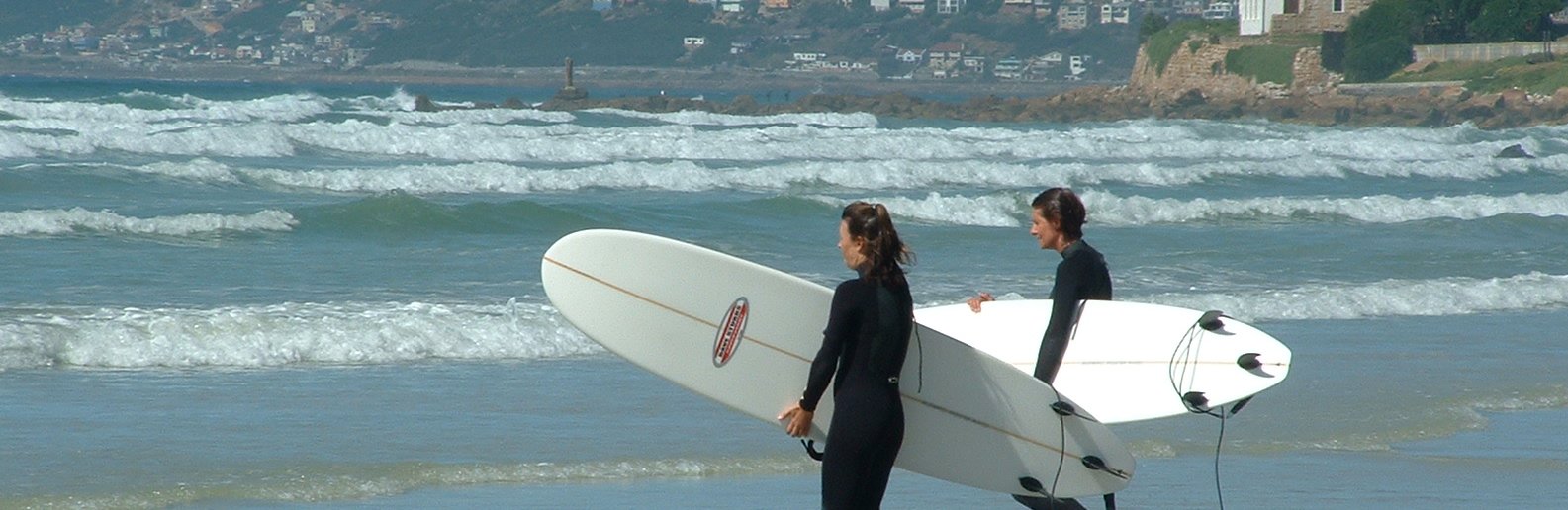
  • Two of the world's most popular backpacking destinations are in Oceania: Australia and New Zealand. If you leave here you'll meet lots of other backpackers, there's a guarantee!
  • If you leave for the smaller islands, it can be difficult to keep the budget low and find hostels. 

Traveling in Oceania & The Pacific?

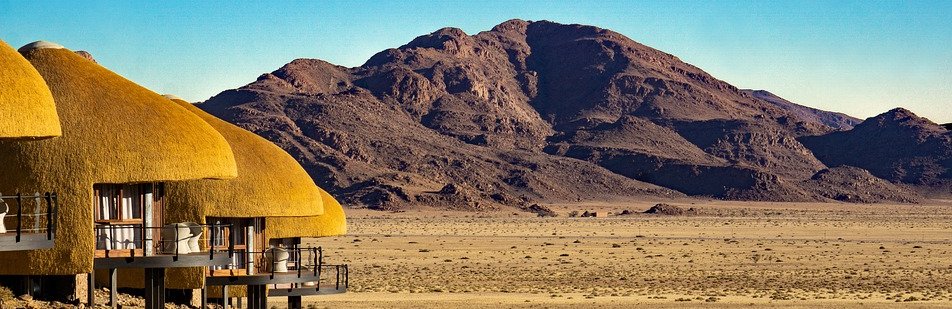
  • Two of the world's most exclusive travel destinations are in Oceania: French Polynesia (including Bora-Bora and Tahiti) and Micronesia (including Palau). 
  • City spotting: Sydney, Melbourne, Auckland, Suva, Port Moresby, Apia, Honolulu, Papeete. 
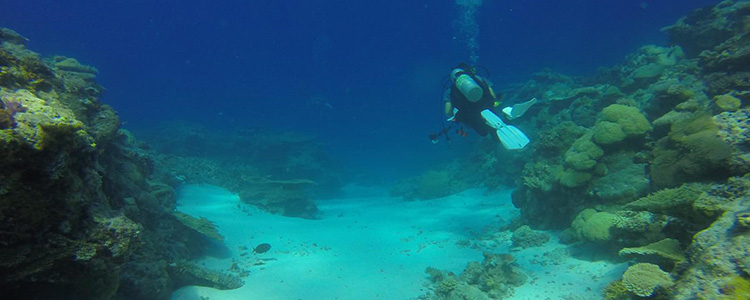
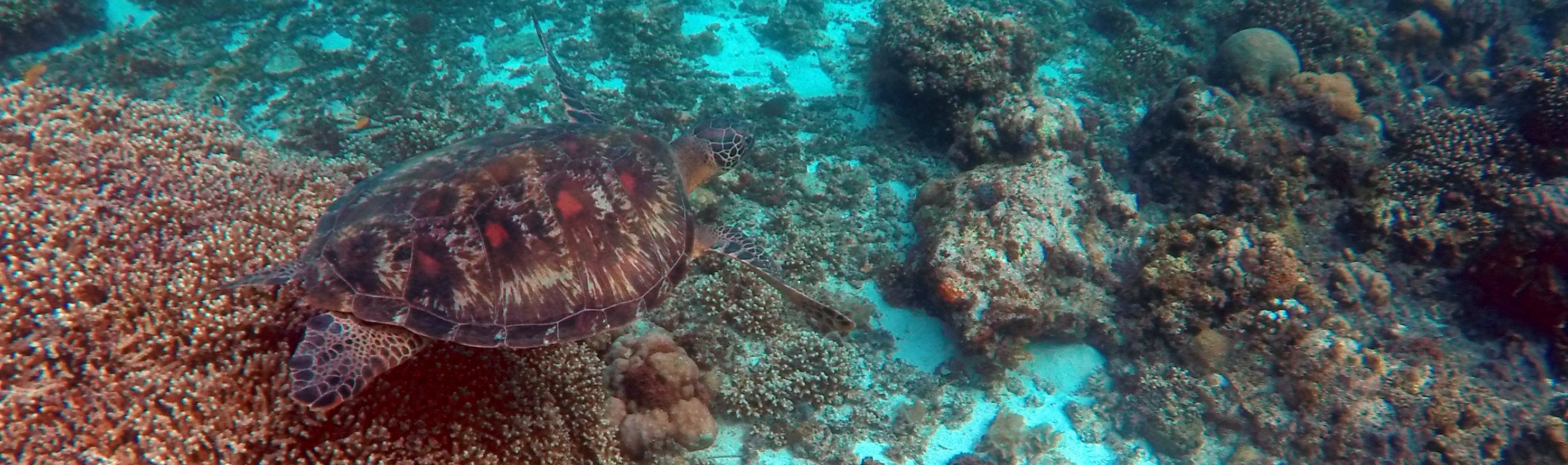
  • Activity spotting: too many to mention, but some highlights include Micronesia for scuba divers, Abel Tasman National Park for hikers, Bora Bora, Fiji for its unimaginable beaches, Mount Yasur volcano on Vanuatu, Hawaii for Hawaiian dance and music, Papua New Guinea for hundreds of different indigenous tribes. 
  • Nature spotting: Great Barrier Reef, Tasmania, Tongariro National Park, Yasawa Islands, Kokoda Track, Upolu, Mount Yasur, Bora Bora. 
  • Animal spotting: all the special animals of Australia and New Zealand, the Fiji Bandicoot, Bula shark, birds of paradise, tree kangaroos, Vondelpark megabat, coconut crab, humpback whales, the Hawaiian goose. 

Studying in Oceania & The Pacific?

  • Education: the best universities can be found in Australia and New Zealand. Across the region there is also a wide range of courses available, from traditional subjects such as medicine and engineering to specialized studies in environmental sciences, maritime studies and Pacific studies. 
  • Studies: popular fields of study vary by country. 
  • Language: universities in Australia and New Zealand use English, as do most Pacific islands. In other countries, local languages often play a role. 
  • Study cities: Sydney, Melbourne, Brisbane, Auckland, Wellington, Suva, Apia. 

Internship in Oceania & The Pacific?

  • Internship opportunities: in Oceania people spend a lot of time outdoors, environmental studies, marine sciences and environmental management are therefore very popular for internships. You will also find many internship opportunities in tourism and business (especially with a focus on Asia).
  • Internship cities: Sydney, Melbourne, Brisbane, Auckland, Wellington, Suva, Port Moresby, Apia etc. 
  • Characteristics: international work environment, focus on sustainability and environmental management, NGOs and development work, technological advancement, tourism and hospitality. 
  • Competencies: independence, connection with nature, cultural awareness, English language skills. 

Volunteering in Oceania & The Pacific?

  • There are many opportunities for marine conservation and terrestrial conservation. There are also many wildlife projects, particularly in Australia. On the islands there are especially options for education, community support and supporting women and children. 
  • Characteristics: emphasis on sustainability and environment, community-oriented work, adventurous environment, cultural involvement. 

Working in Oceania & The Pacific?

  • Jobs: opportunities vary greatly by country. Examples include jobs in mining and energy, IT, healthcare and tourism in Australia, agriculture and sustainability jobs in New Zealand, tourism and development jobs in Fiji and in many of the other islands in tourism, education and development work. 
  • Characteristics: multicultural and international environment, focus on sustainability, involvement in community development, tourism, growing tech and innovation sector. 

Working as a digital nomad in Oceania & The Pacific?

  • If you want access to good facilities, a large digital nomad community and relatively easy travel to the rest of the world, and have some money to spare, Australia and New Zealand are good options. Do you want adventure, can you do without the Internet occasionally and want to feel like you're in paradise every day? Then go to the smaller islands. 
  • Favorite locations: East coast Australia, Fiji, New Zealand.
  • Features: varied options, depending on what you need. 

Living in Oceania & The Pacific

  • Quality of life: countries that score high with expats and emigrants in terms of quality of life are Australia and New Zealand. You are equipped with everything and connected to the Western world. The quality of facilities, including health care, is good and there is a lot to do. However, it is pricey. 
  • On the islands, the quality of life is high in terms of relaxation and natural beauty. Health care often leaves much to be desired, though, and opportunities for education and facilities are limited. 
  • Culture: Culture in Oceania and the Pacific is a rich mix of indigenous traditions, such as art and rituals, and modern influences, with strong community and family values central to indigenous cultures. The diversity in languages, food and spirituality reflects both older customs and the modernization of the (egg) countries. 
  • Characteristics: strong sense of community and family ties, natural environment, diversity of housing options, access to basic services. 
  • Health care: good in Australia and New Zealand, varying on the islands and on the most remote islands it is often very limited. 
  • Seek advice on insurance policies that provide adequate coverage for proper care and also repatriation in case of emergency.

Life & Activities

The Pacific: emigration, moving and living abroad per country

The Pacific: emigration, moving and living abroad per country

Questions and answers per country about emigration, moving and living abroad in the Pacific

Why live in Australia, why emigrate to Australia or stay for a long time?

Why live in Australia, why emigrate to Australia or stay for a long time?

Why should you live in Australia as an expat, emigrant or working nomad?

  • Because it is a beautiful country where you can still have real adventures. 
  • Because you can pick up some of the laid-back lifestyle.
  • Because it offers good economic opportunities.
  • Because you can improve your English quickly. 
  • Because you can quickly feel at home because the difference with the Netherlands is not so big. 
  • Because you can discover a lot of new nature and special animals.
  • Because you can make friends relatively easily in the large expat community. 
  • Because the quality of life is high. 

What should you pay attention to?

  • That it can be difficult to find affordable housing. 
  • That it is a country of long distances so a car is often essential. 
  • That it takes a lot of getting used to understanding the accent. 
  • That it gets a lot warmer than in the Netherlands.
  • That it is a very relaxed and informal culture, just a bit different from the Netherlands. 
  • That people drive on the left. 
  • That there can be many (natural) dangers lurking. 
  • That you are always a flight away from other countries.
How healthcare works in Oceania and the Pacific: questions and answers per country about insurance and the healthcare system

How healthcare works in Oceania and the Pacific: questions and answers per country about insurance and the healthcare system

How does the healthcare system work across Oceania and the Pacific?

  • How does the public healthcare system work?
  • How does the private healthcare system work?
  • How is the general practitioner arranged?
  • How is the dentist arranged?
  • How is pregnancy care arranged?
  • How safe or unsafe is a trip or stay in the region?
  • What work and travel insurance policies are suitable for short and long stays?
  • What emigration and expat insurance can you take out if you are going to live there for a while?
Access: 
Public

Why study in Australia, do an internship, do volunteer work or look for a job in Australia?

Why study in Australia, do an internship, do volunteer work or look for a job in Australia?

Why study, do an internship, volunteer or work temporarily in Australia?

  • Because there are good visa options for Australia.
  • Because the culture shock is small. 
  • Because you can enhance your intercultural skills in the multicultural society. 
  • Because you can improve your English quickly. 
  • Because it is a good contribution to your professional development and resume building.  

What should you pay attention to?

  • That it is a rather pricey country.
  • That they are very strict on having the right visa.
  • That you will learn about the local and traditional culture of the aborigines. 

Image

Preparation & Packing

Packing list for New Zealand, travel insurance for New Zealand, and taking your belongings

Packing list for New Zealand, travel insurance for New Zealand, and taking your belongings

What to bring to New Zealand: highlighted

Highlighted items:
  • Documents: passport that is valid for at least 3 months after your planned departure date, a visa or NZeTA (New Zealand Electronic Travel Authority)
  • Money: a few NZ dollars can be handy, but you can also easily get them at the airport if you don't forget your debit card.
  • Care: if you have a favorite sunscreen with a high protection factor, take it with you because the thin layer of ozone will not protect you. The same goes for lip balm (especially in winter). But, know that you can find the best sunscreen in New Zealand itself.
  • Outdoor and handy: sunglasses and rain gear.
  • Clothing: clothing for all types of weather, you know - four seasons in one day. If you want to be well prepared for everything, then packing a layering system is the best.
  • Shoes: you will definitely be happy with hiking boots. For short trips, jandals (slippers in Kiwi) are handy. Medicines and travel kit: a small first aid kit with plasters, painkillers, tweezers and ORS (especially for the hiking days).
  • Mosquitoes and sandflies: DEET is not an unnecessary luxury, although you can easily get it there.
  • Technology and equipment: world plug type I.

What else can you take with you?

  • A reusable water bottle with filter, because tap water is technically drinkable, but often tastes strange.
  • Are you going hiking? Then don't forget your camping gear and walking sticks and clean everything well so that you can easily get through customs. It can also be useful to take things like plastic bags to take your used toilet paper back with you.
  • A good sun hat or cap.
  • A UV-protected swimming top if you plan to swim a lot in the summer.

What knowledge is useful when you go to New Zealand?

  • A knowledge of map and compass reading is quite useful if you are going into the wilderness for a few days.
  • Knowledge of the history of the country and the Maori culture.
  • With a little knowledge of the beloved local birds you will quickly make friends!

Are there mosquitoes in New Zealand?

  • There are annoying mosquitoes, but they are not a problem for your health.

Are there sand flies in New Zealand?

  • Sand flies, also called “blackflies”, are a bigger problem. They do not transmit diseases, but they can drive you crazy with the itch.
  • They are mainly found in bushy areas with running water, beaches and lakes and marshes.
  • They are most active during sunrise, sunset and just before rain.
  • Covering your body with (light-coloured) clothing and products such as DEET and Picaridin work best against sand flies.

Can you buy DEET, or other mosquito repellents, in New Zealand?

  • Mosquito repellents are easy to obtain in New Zealand. Popular products are Aerogard and Bushman.
  • Chemist Warehouse and Woolworths are good places to get it.

Where can you get food and drinks in New Zealand?

  • There are large supermarkets, many restaurants and you can also order food in the cities.
  • Street food is almost non-existent, unless you find a nice market or festival.
  • Just like in Australia, barbecuing is also very popular in New Zealand.

Can you buy a joint or weed in New Zealand, or take it with you to New Zealand?

  • Cannabis is not legal in New Zealand and you can get a fine or even jail time if you are in possession of it.
Packing list for Australia, travel insurance for Australia, and taking your belongings

Packing list for Australia, travel insurance for Australia, and taking your belongings

What to bring to Australia: highlighted

Highlighted items:

  • Documents: passport valid for at least 6 months upon arrival, a visa confirmation and a copy of both.
  • Money: your debit card! Cash (Australian dollars) can be useful just in case.
  • Mosquito repellent and anti-itching agent (see also DEET mosquito repellent) if you are going to areas with dangerous mosquitoes (the north)
  • Outdoor: a good hat with a wide brim comes in handy if you want to go hiking a lot, or if you really want to become part of the Australian outback!
  • Clothing: for both the warmer and cooler areas, and somewhat neat clothing, if you are also looking for work.
  • UV-resistant travel clothing: especially if you have very sensitive skin.
  • Technology and equipment: see also world plug or travel plug.
  • Sunscreen: with a high protection factor. Although you can buy the best in Australia, so only take something with you for the first few days.
  • Sunglasses: with guaranteed UV protection due to the enormous UV radiation.
  • Reusable water bottle - there are fountains with drinking water everywhere, especially in the city!
  • Medicines and travel kit: a first aid kit for when you go into the outback.

What else can you take with you:

  • Water shoes given the coral and rocks in the water at the various locations.
  • Access to photos of snakes and/or means to suck out poison from spider and snake bites, among other things.
  • A dose of patience to decipher the Australian accent.

What knowledge is useful when you go to Australia?

  • Knowledge of the area you are going to. Australia is gigantic so each area has different seasons, health hazards and weather conditions.
  • Knowledge of the most dangerous animals and what you should or should not do if you encounter one.
  • Knowledge of the indigenous lands and culture - and how it relates to society nowadays. 

Are there mosquitoes in Australia?

  • Australia has more than a hundred species of mosquitoes, several of which also transmit dengue, not malaria.
  • More about protection against mosquitoes and insects.

Do sand flies occur in Australia?

  • Unfortunately, yes. Both coastal and inland. The sandfly feast places are tropical and subtropical areas, near sandy estuarine and riparian areas, and in mangrove swamps.
  • Your set of mosquito repellents with DEET can help!
  • More about sand flies and sand fleas.

Can you buy DEET, or other mosquito repellents, in Australia?

  • Yes, and the Australians are not shy about the DEET percentage in their mosquito repellents.

Where can you get your food and drinks in Australia?

  • You can cook on one of the public barbecues in the parks, or simply join a group and ask if you can eat something from their barbecue!
  • Supermarkets such as Coles, Woolworths (Woolies) and Aldi are plentiful.
  • There are often nice food courts or beach markets with all kinds of delicious food around and in the cities.
  • Restaurants also come in all shapes and sizes.
  • Vegan food is difficult to find in the countryside, but in the city you will find places!

Can you buy a joint or weed in Australia, or take it with you to Australia?

  • It is illegal to possess, use, grow or sell cannabis. It MAY be possible, but it MUST NOT be.
  • The ACT (Australian Capital Territory) does allow the growth and use of small amounts of cannabis.
  • Medicinal cannabis is available with a doctor's prescription.
  • Do not bring it with you, even between states, unless you want a new, maybe not so fun, experience.
  • You can request an exemption for medicinal cannabis.

Health, Insurance & Safety 

How does healthcare work in Oceania and on the Pacific islands, and what travel insurance, health insurance or expat insurance do you need?

How does healthcare work in Oceania and on the Pacific islands, and what travel insurance, health insurance or expat insurance do you need?

How does the healthcare system work in Australia, Oceania and the Pacific islands?

  • The quality of health care in Australia and New Zealand is very high, with modern facilities, well-trained staff and reliable systems.
  • However, in smaller Pacific island states, the level varies greatly, with some islands having only basic facilities and serious shortages of equipment and specialists.
  • Australia and New Zealand have many good, strictly regulated pharmacies. They usually work with e-scripts - digital prescriptions.
  • In the Pacific Islands, medicines are certainly not always in stock and it can take weeks to replenish medicines.

How does the public healthcare system work in Australia and Oceania?

  • Australia has a national health care system called Medicare, which makes care accessible to citizens and permanent residents.
  • Expats with a visa can sometimes also gain access, depending on their country of origin (Some citizens of certain countries can sometimes claim this through a reciprocity agreement).
  • New Zealand has a similar public system, with residents receiving much of their care free or at a low cost. The public healthcare system does suffer from long waiting times. Sometimes you may even have to wait years for your operation.
  • In the Pacific Islands such as Fiji, Tonga, Vanuatu, Kiribati and Samoa, public healthcare is often understaffed, with limited resources. It can be difficult to get specialist or emergency care. Medical evacuations are often necessary.

How does the private healthcare system work in Australia and Oceania?

  • In Australia and New Zealand, private healthcare is very good and a popular addition to public healthcare. Expats often opt for additional private insurance to receive faster help or to be treated in luxury clinics.
  • Fiji, Vanuatu: small-scale private clinics (Ocean Dental, MIOT Pacific) for basic and dental. Serious cases → evacuation to NZ/Australia.
  • PNG: a few expat clinics in Port Moresby (Paradise Private). Tahiti/Noumea: private practices often bilingual FR-EN and Western level.

How is the general practitioner arranged in Australia and Oceania?

  • In Australia and New Zealand, you generally register with a GP. This GP can refer you to a specialist if necessary.
  • On the Pacific Islands, people usually go to a district doctor or a nurse at a health post. Expats often use private clinics if they are available.

How is the dentist arranged in Australia and Oceania?

  • In Australia and New Zealand, you can keep nice teeth, at the same time it will cost you a lot of money. Some locals even fly to Southeast Asia to get cheaper treatment there.
  • On the islands, city clinics are usually okay for basic treatments. For more extensive care, treatment abroad is sometimes necessary.

How is pregnancy care arranged in Australia and Oceania?

  • Pregnancy care in Australia and New Zealand is very good and modern. You will receive all the tests and good guidance, including midwives who will assist with the pregnancy and birth. There is also a choice of all types of births (home, hospital, water birth).
  • A birth in a public hospital is generally free or cheap.
  • On the islands, care is sometimes less good, but this varies greatly depending on where you are. City hospitals are usually sufficient for uncomplicated births; anything outside of that requires proper planning & good evacuation cover.

How safe or unsafe is a trip or stay in Australia and Oceania?

What should you pay attention to in terms of safety in Australia and Oceania?

  • Australia and New Zealand are quite safe in terms of crime. The most you will encounter is opportunistic theft and car break-ins.
  • In Australia, natural disasters such as bushfires, floods and storms are more of a problem.
  • In New Zealand, it is earthquakes, volcanoes and sudden weather changes in the mountains that pose risks. Crime on the islands is generally quite low, although small-scale theft is still quite common. But of course this also varies greatly from country to country.

What should you look out for in terms of diseases in Australia and Oceania?

  • In Australia, tropical diseases mainly occur in the north. Think of diseases such as dengue, Ross River and Japanese encephalitis.
  • Similar diseases occur on the islands, especially in the rainy season.
  • Diarrhoea is mainly a problem on the islands. In Australia and New Zealand, food hygiene and water quality are good.
  • The sun is incredibly strong in this part of the world, which increases the risk of sunburn and sunstroke.

What should you pay attention to when it comes to traffic in Australia and Oceania?

  • In Australia and New Zealand, driving is relatively easy and quiet. It is safe, but be aware of long distances, driving on the left and sometimes intense nature that can affect your journey. A four-wheel drive car is definitely recommended here if you want to travel around the country.
  • In terms of public transport, people usually use buses, trains and flights.
  • On the islands, traffic is often less well organised. You will find paved roads in the city, outside of that the roads are often poorly maintained and it is better not to drive around at night. There are also sometimes safety risks such as car hijackings.
  • Public transport on the islands is usually quite limited.

What work and travel insurance policies are suitable for short and long stays in Australia and Oceania?

  • Is the trip to Australia and Oceania and your return sufficiently covered? Are you sufficiently covered before, during and after your activities? Which insurance best suits your trip and your activity? Read more about insurances for abroad on JoHoinsurances.org.

What emigration and expat insurance can you take out for Australia if you are going to live there for a while?

  • A good, international health insurance is a must if you want to be well insured for the high costs of private care and possible medical evacuation (especially when you are outside Australia and New Zealand). In Australia and New Zealand you can sometimes use a reciprocal health care agreement, but this does not cover all costs.
  • Make sure your insurance covers medical evacuation as well as coverage in neighboring countries. Read more about insurances for abroad on Expatinsurances.org.
Why get specific insurance when going abroad: per activity abroad
What is travel insurance, and why take out specific insurance when you go on a trip or vacation?

What is travel insurance, and why take out specific insurance when you go on a trip or vacation?

What is travel insurance to insure your trip or vacation?

  • Travel insurance is insurance that provides coverage for risks during a trip or vacation abroad. This mainly concerns loss of or damage to your luggage, medical assistance in the event of accidents, for example, or repatriation costs if you need to be transported back to your home country urgently. In some cases, travel insurance coverage also applies in your home country.
  • With continuous travel insurance, you are insured for all your trips throughout the year.
  • With temporary travel insurance, you take out insurance for each trip for the duration of the trip.
  • Cancellation insurance reimburses (all or part of) the travel sum, cancellation or accommodation costs if you have to cancel or interrupt your vacation.

Why should you take out travel insurance for a short trip, vacation, or long-distance trip?

  • Travel insurance can provide coverage in the event of an accident or emergency while you are away.
  • Travel insurance can provide coverage for damage and accidents during the adventurous or sporting activities you are going to do.
  • Travel insurance can continue to provide coverage if your Dutch basic health insurance no longer provides coverage, or if the damage is only reimbursed at Dutch cost price.
  • Travel insurance can provide coverage in the event of damage, loss, or theft of your luggage.
  • Travel insurance can provide coverage if you are held liable for damage you cause to other people or their property.
  • Travel insurance can provide coverage if you have to return home early because something has happened to you or your immediate family.

What is important to insure when you are going to travel?

  • That you have insurance that is valid in the countries where you are going to travel and possible work.
  • That you are adequately insured for the sports and activities you are going to participate in during your full period abroad
  • That you are insured for emergency assistance and early return if something happens to you or your immediate family.
  • That your medical expenses are insured up to the actual cost and not just for the standard costs. The costs per medical treatment vary greatly between countries.
  • That you insure your luggage and take sufficient precautions against theft or damage.
  • That you are well insured against personal liability.
  • That you are well insured in case of accidents.
  • That you only insure yourself for legal assistance if there is an immediate reason to do so, unless coverage is already automatically included in the insurance.
  • That you pay close attention to choosing the right coverage when performing work or voluntary work during your world trip.

What insurance do you need for a trip or vacation?


What is round the world travel insurance or long-term travel insurance, and why take out specific insurance when you go abroad?

What is round the world travel insurance or long-term travel insurance, and why take out specific insurance when you go abroad?

What is round the world travel insurance or long-term travel insurance?

  • Round the world travel insurance means that you take out insurance that continues to provide coverage during all your activities abroad, and which is specifically intended for those who travel for long periods of time, such as world travelers, globetrotters, and nomads.

Why should you take out specialized travel insurance for a long trip abroad?

  • Round the world travel insurance provides coverage for a much longer trip than regular travel insurance.
  • World travel insurance is specifically intended for longer trips, whereas regular travel insurance may offer coverage on paper, but in practice handles it differently.
  • World travel insurance is suitable for many types of activities, ranging from high-altitude trekking to more risky sports.
  • World travel insurance continues to provide coverage if you start working during your trip, whether planned or unplanned. If you did not take out insurance before departure that allows you to work, there is no guarantee that you will be able to take out insurance that provides coverage while abroad.
  • Long-term travel insurance continues to provide coverage when your home country's health insurance no longer does.
  • Worldwide travel insurance also covers your medical expenses up to the actual cost, and not just for the standard costs. The costs per medical treatment vary greatly between countries.
  • Worldwide travel insurance can also continue to provide coverage if negative travel advice is issued.

What is important to insure when you are going to travel around the world?

  • That you have insurance that is valid in the countries where you are going to travel and posibly work.
  • That you are adequately insured for the sports and activities you are going to participate in during your full period abroad
  • That you are insured for emergency assistance and early return if something happens to you or your immediate family.
  • That your medical expenses are insured up to the actual cost and not just for the standard costs. The costs per medical treatment vary greatly between countries.
  • That you insure your luggage and take sufficient precautions against theft or damage.
  • That you are well insured against personal liability.
  • That you are well insured in case of accidents.
  • That you only insure yourself for legal assistance if there is an immediate reason to do so, unless coverage is already automatically included in the insurance.
  • That you pay close attention to choosing the right coverage when performing work or voluntary work during your world trip.

Check out more about

What is backpack insurance, and why take out specific insurance when you go backpacking abroad?

What is backpack insurance, and why take out specific insurance when you go backpacking abroad?

What is backpacking insurance and travel insurance for backpackers?

  • Backpacking insurance for backpackers means that you take out insurance that continues to provide coverage during all your activities abroad and is specifically intended for those who are traveling for a long time, traveling independently, or making frequent use of local transportation.

Why should you take out travel insurance specifically for backpacking?

  • Travel insurance for backpacking can provide coverage in the event of an accident or emergency while backpacking.
  • Travel insurance for backpacking can provide coverage for damage and accidents during your adventurous or sporting activities.
  • Travel insurance for backpacking can continue to provide coverage if your Dutch basic health insurance no longer provides coverage, or if the damage is only reimbursed at Dutch cost price.
  • Travel insurance for backpacking can provide coverage in the event of damage, loss, or theft of your luggage while backpacking.
  • Travel insurance for backpacking can provide coverage if you are held liable for damage you cause to other people or their property.
  • Travel insurance for backpacking can provide coverage if you have to return home early because something has happened to you or your immediate family while backpacking.

What aspects are important to insure when backpacking abroad?

  • The duration of your trip: so that you are also covered during a very long backpacking trip, or can extend your coverage if you want to stay longer
  • The activities during your trip: so that you can also participate in all kinds of sports and adventure activities that are excluded from travel insurance
  • Coverage of your medical expenses during your trip: so that you are always covered, even if you go to work or if the costs in the event of an accident are higher than the Dutch rate
  • Coverage for natural disasters and war during your trip: so that you don't have to return home immediately with your tail between your legs every time the Dutch government issues negative travel advice
  • Your insurer's specialization: so that your insurer specializes in backpacking trips or long stays abroad, and doesn't treat you like an “all-inclusive sunglasses claimant.”

What insurance do you need when backpacking abroad?

What is insurance for working abroad, and why do you need specific insurance if you are going to do paid work?

What is insurance for working abroad, and why do you need specific insurance if you are going to do paid work?

What is insurance for working abroad?

  • Insuring yourself for working abroad means taking out insurance that continues to provide coverage during your paid work abroad.

Why take out insurance, and when is normal travel insurance no longer sufficient?

  • There may be several reasons why you need separate insurance for paid work abroad.
  • During your work, local employers generally offer no or limited insurance that does not provide sufficient coverage.
  • The risk of accidents is sometimes greater during your work, for example because you are doing work with which you have little experience or because of the nature of the work.
  • During specific work abroad, additional requirements may apply as soon as you start performing work that involves additional risks. Only special insurance policies offer coverage during this type of work.
  • During work, internships, or volunteer work abroad where you receive a salary or compensation (for example, food or housing), your local health insurance coverage will normally lapse. You will then need special insurance to remain insured for illness and accidents.
  • Standard travel insurance policies generally do not provide sufficient coverage to apply for a work visa or working holiday visa.
  • Standard travel insurance policies generally only cover stays abroad for a limited number of days. If your trip or stay abroad exceeds the maximum number of days, this generally means that there will be no coverage for the entire travel period.
  • Standard travel insurance policies generally only provide coverage for recreational travel without study, internship, or work. If you engage in activities other than recreational activities, this generally means that you will no longer be covered for the entire travel period.

What should you pay attention to in your insurance policy if you are going to work abroad?

  • Make sure you have insurance that is valid in the area where you will be traveling and working.
  • Make sure you are adequately insured for the sports and activities you will be participating in.
  • that you are insured for emergency assistance and early return if something happens to you or your immediate family.
  • that your medical expenses are insured up to the actual cost (what it actually costs), and not just for the standard costs. In most countries, healthcare costs are higher than in the Netherlands.
  • that you insure your luggage and take sufficient precautions against theft or damage.
  • that you are well insured against personal liability.
  • that you are well insured in case of accidents.
  • that you insure yourself for legal assistance if there is an immediate reason to do so, unless the coverage is already automatically included in the insurance.
  •  that you take care to choose the right coverage when working in healthcare, with wild animals, and with dangerous machinery.

What insurance do you need to work abroad?

Why should you take out specialized travel insurance for volunteering abroad?

Why should you take out specialized travel insurance for volunteering abroad?

What is insurance for volunteering abroad?

  • Insuring volunteer work abroad means taking out insurance that continues to provide coverage while you are working as a volunteer abroad

Why should you take out specialized travel insurance for voluntary work abroad?

  • There may be several reasons why you need separate insurance when volunteering abroad.
  • During specific activities abroad, additional requirements may apply if your work involves extra risks. Only specific insurance policies offer coverage during these activities.
  • The risk of accidents is sometimes higher during your work, for example because you are doing work you have little experience with or because of the nature of the work.
  • Local projects or employers generally offer no or limited insurance that provides insufficient coverage during your work.
  • When volunteering abroad and receiving minor financial compensation (or, for example, food or housing), your home country's health insurance coverage will potentially lapse. You will then need special insurance to remain insured for illness and accidents.
  • Regular travel insurance policies generally provide coverage for trips of a limited number of days. If your trip or stay abroad exceeds the maximum number of days, this generally means that for the entire travel period, you will not be covered.
  • Regular travel insurance policies generally only provide coverage for recreational travel without voluntary work activities. If you engage in activities other than recreational activities (such as volunteer work), this generally means that for the entire travel period, you will not be covered.

What is important to insure when you are going to work as a volunteer abroad?

  • That you have insurance that is valid in the country or countries where you are going to travel and volunteer.
  • That you are adequately insured for the sports and activities you are going to participate in during your period abroad
  • That you are insured for emergency assistance and early return if something happens to you or your immediate family.
  • That your medical expenses are insured up to the actual cost and not just for the standard costs. The costs per medical treatment vary greatly between countries.
  • That you insure your luggage and take sufficient precautions against theft or damage.
  • That you are well insured against personal liability.
  • That you are well insured in case of accidents.
  • That you only insure yourself for legal assistance if there is an immediate reason to do so, unless coverage is already automatically included in the insurance.
  • That when performing work in healthcare, with wild animals, and with dangerous (agricultural) machinery, you take care to choose the right coverage.

Check out more about international insurances

Why should you take out specialized travel insurance for an internship abroad?

Why should you take out specialized travel insurance for an internship abroad?

What is insurance for an internship abroad?

  • Insuring an internship abroad means taking out insurance that continues to provide coverage during your internship abroad
  • Insurance for internships abroad are also referred to as internship insurance. This internship insurance is specifically for when you go abroad for a long period of time to work as an intern, take courses, or conduct research abroad.

Why should you take out specialized travel insurance for an internship abroad?

  • There may be several reasons why you need separate insurance for an internship abroad.
  • During internship activities abroad, additional requirements may apply as soon as you start performing work that involves additional risks. Only specific insurance policies offer coverage during these activities.
  • During your internship, the risk of accidents is sometimes greater, for example because you are doing work with which you have little experience or because of the nature of the work.
  • During your internship, local employers generally do not offer insurance, or offer limited insurance that does not provide sufficient coverage.
  • During an internship abroad where you receive financial compensation (or, for example, food or accommodation), your home country's health insurance coverage will potentially lapse. You will then need special insurance to remain insured for illness and accidents.
  • Regular travel insurance policies generally provide coverage for trips of a limited number of days. If your trip or stay abroad exceeds the maximum number of days, this generally means that for the entire travel period, you will not be covered.
  • Regular travel insurance policies generally only provide coverage for recreational trips without work activities.

What is important to insure when you are going to be an intern abroad?

  • That you have insurance that is valid in the area where you will be traveling and doing your internship.
  • That you are adequately insured for the sports and activities you will be participating in.
  • That you are insured for emergency assistance and early return in case something happens to you or your immediate family.
  • That your medical expenses are insured up to the actual cost (what it actually costs), and not just for the standard costs. The costs per medical treatment vary greatly between countries.
  • That you insure your luggage and take sufficient precautions against theft or damage.
  • That you are well insured against personal liability and, preferably, also for liability during your internship.
  • That you are well insured in case of accidents.
  • That you insure yourself for legal assistance if there is an immediate reason to do so, unless the coverage is already automatically included in the insurance.
  • Make sure you choose the right coverage for internship work in healthcare, with wild animals, or with dangerous machinery!

Check out more about international insurances

Why should you take out specialized travel insurance for studying abroad?

Why should you take out specialized travel insurance for studying abroad?

What is insurance for studying abroad?

  • Insurance for studying abroad means that you take out insurance that continues to provide coverage during your studies, your education, and your related activities abroad.
  • Insurance for studying abroad is also referred to as study insurance. This study insurance is specifically for when you go abroad for a long period of time to take courses, study, or conduct research abroad.

Why should you take out specialized travel insurance for a study abroad?

  • Study insurance is specifically designed for studying abroad, whereas regular travel insurance policies may offer coverage on paper but handle this situation differently in practice.
  • Study insurance offers coverage for longer stays than regular (vacation) travel insurance.
  • Study insurance is also suitable for many types of activities, ranging from various sports to hiking at high altitudes.
  • Study insurance continues to provide coverage if you start working during your trip, whether planned or unplanned. If you have not taken out insurance before departure that allows you to work, there is no guarantee that you will be able to take out insurance abroad that provides coverage.
  • Study insurance continues to provide coverage if your own country's health insurance no longer provides coverage.
  • Student insurance also covers your healthcare costs above the rates in your own country; with regular insurance, you have to pay the extra costs yourself.
  • Student insurance can also continue to provide coverage if (study) visa issuers impose additional requirements on how you insure yourself, for example if you are going to the US and applying for a J-1 visa.
  • Student insurance continues to provide coverage if you are staying abroad for a longer period of time and want to visit your own country in between.

What is important to insure when you are going to study abroad?

  • That you have insurance that is valid in the country or countries where you are going to travel and work.
  • That you are adequately insured for the sports and activities you are going to participate in during your period abroad
  • That you are insured for emergency assistance and early return if something happens to you or your immediate family.
  • That your medical expenses are insured up to the actual cost and not just for the standard costs. The costs per medical treatment vary greatly between countries.
  • That you insure your luggage and take sufficient precautions against theft or damage.
  • That you are well insured against personal liability.
  • That you are well insured in case of accidents.
  • That you only insure yourself for legal assistance if there is an immediate reason to do so, unless coverage is already automatically included in the insurance.
  • That you pay close attention to choosing the right coverage when performing work alongside your studies.

Check out more about international insurances

Why should you take out specialized insurance for moving abroad as an emigrant or an expat?

Why should you take out specialized insurance for moving abroad as an emigrant or an expat?

What is an emigration insurance and what is an expat insurance?

  • Emigration insurance is an insurance that continues to provide coverage if you move abroad permanently or for an indefinite period of time.
  • Emigration insurance is not only intended for emigrants, but for anyone who leaves their home country for an extended period of time and does not intend to return in the foreseeable future.
  • Expat insurance is insurance that continues to provide coverage if you go to work abroad for a local or international employer for an extended period of time.
  • Expat insurance is not only intended for expats, but for anyone who has a more permanent job abroad.

Why should you take out specialized insurance for emigration or working as an expat abroad?

  • Emigration or expat insurance not only provides coverage for acute assistance in the event of illness or accident abroad, such as travel insurance, but can also provide coverage for existing conditions and ailments or non-urgent care.
  • Emigration or expat insurance does not require you to maintain valid health insurance in your home country.
  • Emigration or expat insurance provides coverage for preventive care or costs related to pregnancy and childbirth.
  • Emigration or expat insurance also provides coverage for long-term treatments and chronic conditions without you having to return to your home country.
  • Emigration or expat insurance often has no restrictions on the duration of the insurance, unlike travel insurance.
  • Emigration or expat insurance usually maintains coverage in cases such as negative travel advice or acts of war.
  • Emigration or expat insurance offers various solutions in the areas of disability, home and household insurance, goods transport, and liability.

What is important to insure when you are going to move abroad?

  • That you have insurance that is valid in the country or countries where you are going to live and/or work.
  • That you are adequately insured for the sports and activities you are going to participate in during your period abroad
  • That you are insured for emergency assistance and early return if something happens to you or your immediate family.
  • That your medical expenses are insured up to the actual cost and not just for the standard costs. The costs per medical treatment vary greatly between countries.
  • That you are well insured against personal liability.
  • That you are well insured in case of accidents.
  • That you pay close attention to choosing the right coverage when performing work with additional health risks

Check out more about international insurances

Why should you take out insurance through the JoHo Foundation when you go abroad?

Why should you take out insurance through the JoHo Foundation when you go abroad?

Why should you take out insurance through the JoHo Foundation?
  • Specialized: in emigration, work, internships, study and travel abroad.

  • Service: JoHo offers multiple travel insurances by multiple companies. Thanks to JoHo's extensive experience, it can offer support in case of problems with insurers, as well as advice and fast and personal handling.

  • Safe: JoHo is recognized as a trustworthy intermediary for insurances.

  • Social: by purchasing an insurance through JoHo you provide a talented student in The Philippines with health insurance

What can you expect from JoHo when it comes to insurance abroad?
  • JoHo is one of the few organizations where you can directly purchase a comprehensive range of foreign insurances from a variety of insurers. As with our other products and services, we believe that you should be able to choose between the best, the most cost effective and the most specialized insurance.

  • JoHo offers various possibilities from combining insurances to assisting in transferring from one insurer to another.

  • When you purchase an insurance policy through JoHo, you will not pay more than if you had purchased it directly from the insurer. Sometimes (through special collective agreements) you will even pay less.

  • JoHo offers support with problems that may arise with the insurer. Sometimes disagreement with claims, cancellation notice or insurance premiums can occur. In this situation it helps if you have the assistance of an organization who has an established relationship with the insur

Read more about JoHo and JoHo Insurances

Image

Reading & Remembering

The Pacific: Updates & Travel

The Pacific: Updates & Travel

Travel in the Pacific (Oceania)?

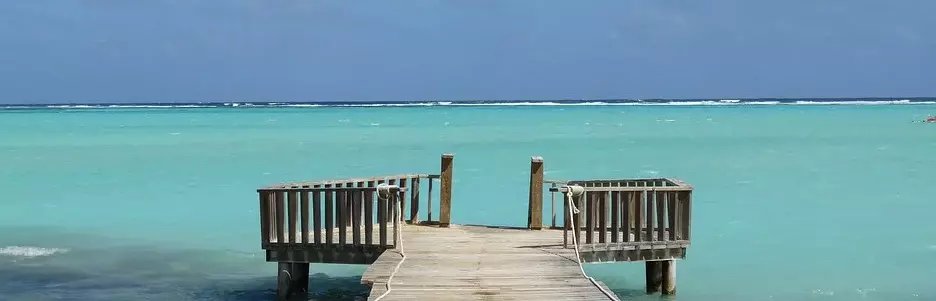
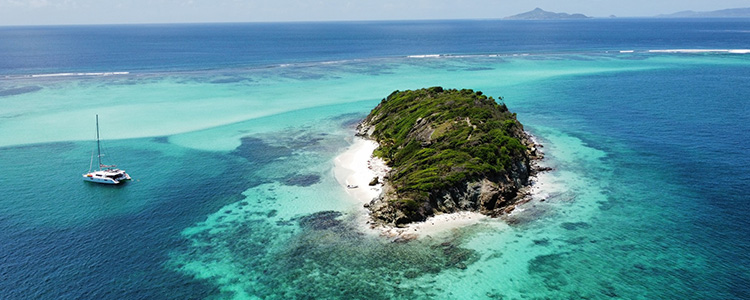
  • Who doesn't know them from the beautiful photos and films like Blue Lagoon: the tropical bounty islands in the Pacific Ocean (The Pacific): palm trees, white beaches and beautiful diving locations. Direct flights are often a bit expensive, but on the way to or from Australia or New Zealand there are often 'stop overs' possible. Expensive (but oh so beautiful) destinations like Bora Bora and Tahiti may not be for everyone, but the Fiji Islands, for example, also offer great opportunities for budget travellers.
  • Visit Abel Tasman Park and Kaikoura (New Zealand).
  • Put on the list to visit Micronesia with Palau/Belau is a world location for divers.
  • Bora Bora (high bounty content), Fiji (affordable, with some effort) and other islands in the Pacific, such as Vanuatu, and Great Barrier Reef, Sydney, Melbourne and Ayers Rock (Australia).

Updates Pacific

  • More about Oceania, updates and contributions, see the Pacific country page
Interviews with emigrants, expats and world nomads around the world: Australasia
Recipes from The Pacific or with a Pacific twist by WorldSupporters - Bundle

Recipes from The Pacific or with a Pacific twist by WorldSupporters - Bundle

Recipes from The Pacific or with a Pacific twist by WorldSupporter

Recipe: Fijian Cassava cake

Recipe: Fijian Cassava cake

Fijian Cassava cake

Preparation

Mix all ingredients in a large bowl. Pour into greased 9x9 pan. Bake at 400 degrees for 40-50 minutes or until brown on top and tester comes out clean.
If you have cassava root, grate it in a food processor and boil it for about 5 minutes to be able to use it in the recipe.

Enjoy with afternoon or morning tea!

Ready In: 60 min.

Ingredients:

  • 2 packages grated cassava
  • 1/3 cup of honey or coconut sugar
  • 1/2 tsp sea salt
  • 1 tsp vanilla
  • 1 tsp cinnamon
  • 1/2 cup coconut cream
Recipe: Australian warm Barramundi salad

Recipe: Australian warm Barramundi salad

Australian warm Barramundi salad

This easy dish is not only delicious, but also very fast to prepare. This is how you make it:

Step 1

Season barramundi with salt for 5 minutes before cooking. Heat a large pan over medium heat. Add 2 tbsp olive oil before adding barramundi skin-side down. Press fillets flat onto pan for about 4 minutes until skin is crisp. Turn and cook for about 1-2 minutes until just cooked through. Remove and place on warm plates, skin-side up.

Step 2

To make the warm dressing, add remaining olive oil to the pan with olives, preserved lemon, cherry tomatoes and capers. As soon as the cherry tomatoes soften and release their juices, add the basil leaves and toss well.

Step 3

Place barramundi on individual plates and spoon warm tomato dressing over top. Scatter with pepper and rocket leaves. Squeeze lemon juice over top and serve.

Ready In: 20 min.

Ingredients:

  • 4x 200g thick Australian barramundi fillets with skin on
  • Sea salt and cracked black pepper, to season
  • 4 tbsp extra virgin olive oil
  • 2 tbsp small black olives, unpitted
  • 20 cherry tomatoes, halved
  • 1 tbsp preserved lemon, rinsed and diced
  • 1 tbsp tiny salted capers, rinsed
  • 1 cup basil leaves, torn if large
  • Handful of rocket leaves
  • 1 lemon, quartered
Recipe: Vanuatu Lap Lap

Recipe: Vanuatu Lap Lap

Lap Lap is considered to be the national dish of Vanuatu. This dish is usually prepared for special occasions on the island.

Directions for Preparing Lap Lap

  1. Preheat the oven to 350 degrees F.
  2. Soften the banana leaves by blanching them in hot water or bypassing them over an open flame for thirty (0:0:30) seconds.
  3. Arrange the leaves on a large baking tray, overlapping them to create a base for a parcel.
  4. Set aside.
  5. Mix the grated bananas and sweet potatoes in a bowl, and season with black pepper and salt.
  6. Mix the spinach and Chinese cabbage in a separate bowl, and season with black pepper and salt.
  7. Combine half of the coconut milk with the onions and minced garlic cloves.
  8. Set aside.
  9. Season the chicken with salt and pepper.
  10. Heat the oil in a large frying pan, and add the chicken.
  11. Brown the chicken on both sides, skin side down.
  12. Set aside the chicken after cooking.
  13. Assemble the Lap Lap by arranging half of the spinach and cabbage mixture in the center of the banana leaves.
  14. Spread the sweet potato and green banana mixture over this.
  15. Place the chicken, skin side up, on top of the sweet potato and banana layer.
  16. Cover the chicken with the remaining spinach and cabbage.
  17. Pour the coconut milk and onion mixture over the filling.
  18. Wrap the banana leaves tightly over the filling, and secure with a string.
  19. Place the package in the preheated oven
  20. Bake the Lap Lap for about one (1:00) hour or until the chicken is cooked.
  21. Remove the package from the oven and untie the string.
  22. Unwrap the banana leaves and pour the remaining coconut milk over the top.
  23. Garnish the Lap Lap with the sliced chives and serve immediately.


Ready In: 90 min.

Ingredients:

  • 2 green bananas (peeled and grated)
  • 3 large sweet potatoes (peeled and grated)
  • 1 Chinese cabbage (rinsed and chopped)
  • 1 bunch spinach (rinsed and chopped)
  • 1 onion (peeled and finely chopped)
  • 1 chicken (spatchcocked)
  • 2 tbsp. vegetable oil
  • 2 cups coconut milk
  • 1/2 bunch chives (sliced)
  • 5 large banana leaves (spines removed)
  • 2 cloves garlic (minced)
  • Salt
  • Black pepper
Recept: Kokospavlovas met Exotisch Fruit

Recept: Kokospavlovas met Exotisch Fruit

Kokospavlovas met Exotisch Fruit (Nieuw-Zeeland)

Pavlova is in Nieuw-Zeeland een favoriet dessert. Traditioneel wordt het daar geserveerd met slagroom, kiwi en passievruchten. Het basis pavlovamengsel kan op smaak worden gebracht met gemalen amandelen, hazelnoten, koffie, cacao of kokos.

Voorbereiding

Verwarm de oven voor op 120 graden. Klop in een schone kom de eiwitten en het zout met de mixer tot zachte pieken. Voeg al kloppend langzaam de suiker toe. Klop het mengsel +/- 10 min. tot het glanst en heel dik is. Klop de maizena en azijn erdoor en spatel er dan de kokos door. Schep met een grote lepel 8 hoge scheppen eiwit op de bakplaat. Draai de bovenkant met een vork of spatel rond tot pieken. Bak de meringues +/- 1 uur in de oven of tot ze knapperig aanvoelen. Klop de room voor de garnering met de suiker en het vanille-extract tot zachte pieken.

Bereidingswijze

Schep de helft van de passievruchtenpulp door. Schep de saus over de pavlova's en leg de mangreepjes erop en verdeel de rest van de passievruchtenpulp erover. De pavlova's zijn luchtdicht afgesloten en maximaal 5 dagen houdbaar.

Benodigdheden

Mixer & bakplaat bekleed met bakpapier

Ready In: 90 min.

Ingredients:

  • 4 eiwitten op kamertemperatuur
  • mespunt zout
  • 200 gram fijne tafelsuiker
  • 2 tl maizena
  • 1 tl azijn
  • 75 g geraspte kokos + extra voor het bestrooien
  • 3 3/4 dl koude slagroom
  • 1 el poedersuiker
  • 1 tl vanille-extract
  • vruchtvlees van 4 passievruchten
  • vruchtvlees van 1 kleine mango in reepjes

Image ACTIVITIES

Check courses, jobs, projects, recipes, suggestions and tips related to: 'The Pacific'

CHECK MORE ACTIVITIES

Make a selection, to find more tips than you see below

Image Vrijwilligerswerk doen bij de opvang voor zieke of gewonde kangoeroes en buideldieren in Australië
Vrijwilligerswerk doen bij de opvang voor zieke of gewonde kangoeroes (kangaroos) en andere buideldieren (marsupials) in het westen van Australië.
Image House sitting abroad: take care of dogs, cats or other pets while the owner takes a vacation
Take care of dogs, cats or other pets while the owner takes a vacation. Many pet owners are looking for trustworthy persons who want to take care of their house (house...
Image Going for winter sports: what is it, why do it, and where is the best place to go?
Going for winter sports abroad What are winter sports? Why should you go on winter sports abroad? What are the risks when going for winter sports abroad? Where is the...
Image Working abroad as expat: what is it, why should you do it and where is the best place to go?
Working abroad as expat What is working as an expat abroad? Why should you work as an expat abroad? What do you need if you want to work abroad as an expat? To what...
Image Mountain biking and Cycling abroad: what is it, why do it, and where is the best place to go?
Mountain biking and Cycling abroad: what is it, why do it, and where is the best place to go? What is cycling abroad? Why should you go cycling abroad? What do you need...
Image World Cleanup Day 2026
World Cleanup Day 2026 - 20 september Sluit je ook in 2026 weer aan bij deze wereldwijde schoonmaakactie - World Cleanup Day = het grootste evenement tegen zwerfvuil en...
Image Watching the northern light abroad: what is it, why should you do it and where should you go?
Watching the Northern light abroad What is the northern lights? What is the southern lights? When is the best time to see the northern lights? Why should you go see the...
Image Neem surflessen en ga op surfkamp en leer andere reizigers kennen in Australië
Neem surflessen en ga op surfkamp en leer andere reizigers kennen in Australië. Surflessen afgestemd op jouw surfkennis, skills en ambitie.
Image Ben jij een ervaren skileraar? Ga in het zomerseizoen aan de slag op de piste in Australie, Argentinie, of Zuid-Afrika
Heb je ervaring als skileraar of als snowboard instructeur? Ga in het zomerseizoen aan de slag op de piste in Australië, Nieuw-Zeeland, Argentinië of Zuid-Afrika...
Image Prepare for a career as a ski or snowboard instructor with an internship program
Prepare for a career as a ski or snowboard instructor with an internship program in winter sport resorts in Canada, the USA, Japan, New Zealand and Switzerland.
Activities abroad: home bundle

Main content and contributions for activities abroad

,,,accommodations, adventure activities, courses, internships, jobs and volunteer projects

...to help another, travel with care, work together , learn to share and inspire with your experience


Activities abroad: home page

Activities abroad: home page

From language courses to gap year abroad, from work experience to volunteering abroad, from paid work to internship abroad, from mountaineering to diving and from backpacking to travel around the world

    What social activities can you do abroad?

    • Opportunities are found in the areas of helping, learning or studying. You can get involved to volunteer in a social project at a school in Africa, Asia or Latin America. You can get involved in nature, in a project with animals or cleaning the sea or beaches. Those who want to learn more can choose for example a language course in Latin America, Spain or South Africa.

    What work related activities can you do abroad?

    • If you want to gain work experience, and/or also earn money, go and work abroad. You can combine backpacking in Australia with temporary work. You can work on campsites in Europe or bush camps in Africa. You can pretty much go all over the world to work in the hospitality industry, hotels and hostels, in the healthcare sector or for example at a diving school.

    What sports activities to do abroad?

    • Have you ever thought of mountain biking, rafting (going down a wild river on a raft or rubber dinghy, climbing or canoeing), survival (which involves building rafts, climbing or canoeing), abseiling (descending a rock face while secured to ropes), zip-lining (whizzing down a cable), canyoning (starting at the top of a river and then climbing, swimming, diving down the bed) or caving (scrambling, wriggling and crawling through caves and crevices)?
    • Maybe you feel more comfortable on a bodyboard (on a half-wave surfboard, you surf the high waves lying down-with flippers), on a hang glider or while paragliding (with a parachute you float down a mountain or dune), hydrospeeding (on a bodyboard with flippers and a wetsuit on you go down a wild river via rapids) or Tiefschneeskiing (racing down through powder snow)?

    Check the pages below for more activities and inspiration and where to go and how to arrange it

      Activities abroad: for gap year, sports, travel and outdoor abroad

      Activities abroad: for gap year, sports, travel and outdoor abroad

      Bundled content for gap year, sports, travel and outdoor abroad

      Access: 
      Public

      Image STORIES

      Check blogs, experiences and information related to: 'The Pacific'

      CHECK MORE STORIES

      Make a selection, to find more blogs and contributions than you see below

      Image Wombats abroad and when travelling: are they dangerous, where do you encounter them, where can you see them?
      What are wombats? Where to see wombats in the wild abroad? Are wombats dangerous? What to do if you encounter a wombat in the wild? What to do when a wombat attacks you...
      Image Road tripping through Australia by car or campervan: how does it work, why should you do it, and are you insured?
      Road tripping through Australia by car or campervan: how does it work, why should you do it, and are you insured? What is a road trip through Australia? Why travel...
      Image Travelling in Australia with a car or campervan – the ultimate (working) holiday
      Part 1 - finding a car in WA After working in Perth for six months, I realised it was time for something new. A new adventure, something I’d never done before. The title...
      Image Travelling in Australia with a car or campervan – the ultimate (working) holiday Part 2 – Life on the road
      Part 2 – Life on the road It had been my dream for six months: buying my own car and feeling the ultimate freedom of road tripping through Australia. After weeks of...
      Image The Pacific: Updates & Travel
      Travel in the Pacific (Oceania)? Updates Pacific Back to top Travel in the Pacific (Oceania)? Who doesn't know them from the beautiful photos and films like Blue Lagoon...
      Countries & Destinations: home bundle

      Bundled content, suggestions, stories and tips about the countries and destinations in the world

      ...to help another, travel with care, work together , learn to share and inspire with your experience

      Africa: country bundles

      Africa: country bundles

      Access: 
      Public
      Asia: country bundles

      Asia: country bundles

      Country bundles of Asian countries

      Access: 
      Public

      Europe: country bundles

      Europe: country bundles

      Country bundles of European countries

      Access: 
      Public
      The Caribbean: country bundles

      Image ORGANIZATIONS

      Check sectors and organizations related to: 'The Pacific'

      CHECK MORE ORGANIZATIONS

      Make a selection, to find more or other organizations than you see below

      Image Oak Travel
      Oak Travel biedt, taalcursussen, avontuurlijke groepsreizen en vrijwilligerswerk voor jongeren naar unieke bestemmingen wereldwijd. Van een surfkamp in Costa Rica tot...
      Image Au Pair Spain
      Au Pair Spain is a small scale au pair agency, based in Barcelona. They offer traditional au pair opportunities, but also offer programs for 30+ au pairs, au pair who...
      Image Stagelanden
      Stagelanden verzorgt stages in diverse landen in Azië & Oceanië voor studenten die een MBO, HBO of universitaire opleiding volgen.
      Image Cirrus Global - Philippines
      At Cirrus, they love to match great Filipino talent with great overseas job opportunities. They strive to make the experience, professional,honest and successful for our...
      Image Organizations: for diving, snorkeling and water sports abroad
      Diving schools and Snorkeling tour operators and organizations for water sports abroad
      Image StudyTravel
      StudyTravel consists of a permanent team of enthusiastic employees, all with experience abroad. You can go there to learn various languages such as Italian, German,...

      Image Majuro Cooperative School
      The Majuro Cooperative School is a local private school that offers American education to children of various nationalities living in the Marshall Islands. They...
      Image University of Auckland
      New Zealand's best university is the University of Auckland, also known as Waipapa Taumata Rau. Its wide variety of study programs, based on research and theory, is...
      Image St.Georges Winery Restaurant
      St. Georges is a farm-to-table restaurant and popular event and wedding venue in Havelock North, New Zealand. This small, local restaurant offers a variety of work...
      Image Department of Conservation New Zealand
      This local government organization offers volunteer opportunities in conservation in New Zealand. You can, for example, help maintain various monuments on Kawau Island...
      Organizations & Services: home bundle

      Bundled content, suggestions, stories and tips about organizations and their products and services

      ...to help another, travel with care, work together, learn to share and inspire with your experience

      Organizations: home page
      Organizations: for administrative, tax and legal work and consulting
      Organizations: for agriculture, grape picking, farming and vineyards
      Organizations: for animal protection, animal care and working with wildlife abroad
      Organizations: for au pairs, youth work and child care abroad
      Organizations: for bush camping and working at a campsite abroad
      Organizations: for catering, hospitality and entertainment abroad
      Organizations: for civil society and social work abroad
      Organizations: for corporate business services
      Organizations: for customer services abroad and help desks
      Organizations: for diving, snorkeling and water sports abroad
      Organizations: for education and schools abroad
      Organizations: for expatriate insurances, travel insurances, and emergency call centers
      Organizations: for gap year activities abroad and sabbaticals
      Organizations: for internship placement abroad
      Organizations: for insurances and finance abroad
      Organizations: for IT, engineering and construction
      Organizations: for language travel and language teaching abroad
      Organizations: for marketing, communication and PR
      Organizations: for mediation in au pairs, childcare and elderly care in the Netherlands
      Organizations: for moving, international relocation and transport abroad
      Organizations: for nature conservation, environmental protection and working in nature abroad
      Organizations: for nonprofit projects, development work and international cooperation
      Organizations: for online work as digital nomad, freelancer, or independent entrepreneur from abroad
      Organizations: for outdoor activities and sports
      Organizations: for providing accommodation and hospitality work in hotels, guesthouses, ecolodges and hostels abroad
      Organizations: for providing healthcare and working in medical care abroad
      Organizations: for psychological assistance and mental health care abroad
      Organizations: for real estate, brokerage abroad and property rental abroad
      Organizations: for research and scientific work abroad
      Organizations: for student support and student associations
      Organizations: for tour guidance and adventure tours abroad
      Organizations: for tourism and organized travel and leisure work abroad
      Organizations: for voluntary work mediation and project placement abroad
      Organizations: for yacht and shipping crew and working on a cruise ship abroad

      Image SUMMARIES

      Check summaries and study assistance related to: 'The Pacific'

      CHECK MORE SUMMARIES

      Make a selection, to find more, or other, summaries and study assistance than you see below

      Image Food Restaurants in Ararat
      Try Coconut Mango Chicken in Ararat! DESI SWAG brings you delectable Coconut Mango Chicken in Ararat. Make your day memorable while enjoying the goodness of mango,...

      Image ALL CONTENT

      Search all related content within the topic: 'The Pacific'

      ALL CONTENT WITHIN TOPIC

      Select any filter and click on Apply to see results

      Image

      SPOTLIGHT & FAVORITES

      SPOTLIGHT
      Image

      1. What are the issues to bear in mind when emigrating?

      • Keep track of the emigration process; for example write down what to do and what you are going through in an emigration diary.
      • Make use of the media and guidebooks when researching possible destinations.
      • Get an i...

      FAVORITES
      Image

      When traveling is your hobby and want to keep your personal stuff safe in the airplane, train, bus, boat or when u sleep in a hostel. Use a travelsafe! Find out what kind of travelsafe is usefull for you, click here!  

      Image

      1. What are the issues to bear in mind when emigrating?

      • Keep track of the emigration process; for example write down what to do and what you are going through in an emigration diary.
      • Make use of the media and guidebooks when researching possible destinations.
      • Get an i...

      Image

      TOPICS : check associated topics and more activities

      Check more: activities in WorldSupporter
      Go abroad!
      Page topic

      Stories, tips and experiences from specific countries in The Pacific

      Submenu & Search

      Search only via club, country, goal, study, topic or sector