Travel to Honduras to backpack, study, intern, volunteer, work, or live as a digital nomad, expat or emigrant?

Image

Image
 Honduras

Intro

Backpacking in Honduras?

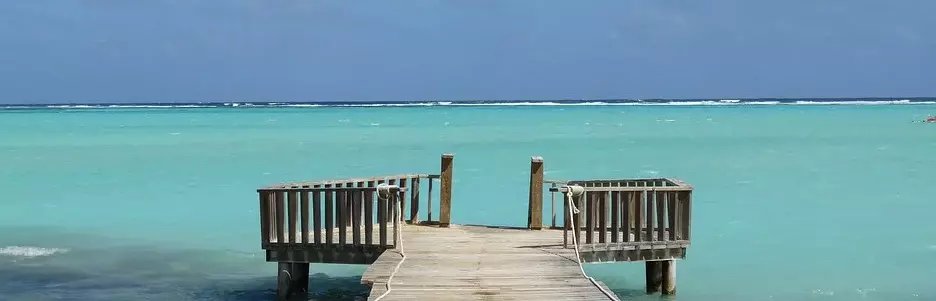
  • Honduras is a destination for backpackers looking for a mix of adventure and relaxation, top beaches, dense jungles and ancient Mayan ruins.
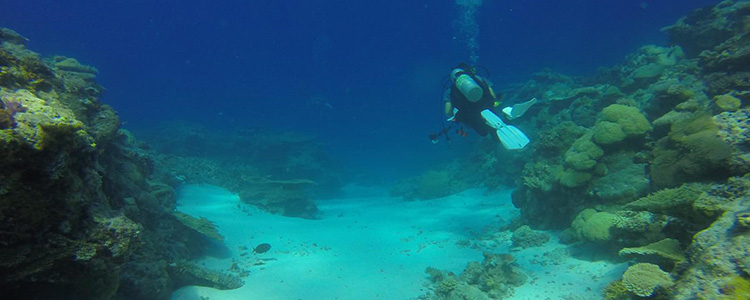
  • Diving on the Bay Islands is an absolute must for underwater enthusiasts, while nature lovers can indulge themselves in the Cusuco National Park.
  • Characteristics: hospitable, Mayans, beaches, nature, relatively safe as long as precautions are taken.

Traveling in Honduras?

  • Honduras offers beautiful landscapes, low-budget and more expensive archipelagos and diverse cultures. From the dense rainforests and impressive Mayan ruins in the interior, to the crystal clear waters and colorful coral reefs along the coast. Spotting cities: Copán (Mayan ruins), San Pedro Sula (vibrant, lively), Tegucigalpa (capital, cultural center, colonial), La Ceiba (port city and base for Pico Bonito NP), Gracias (colonial, in mountainous interior)
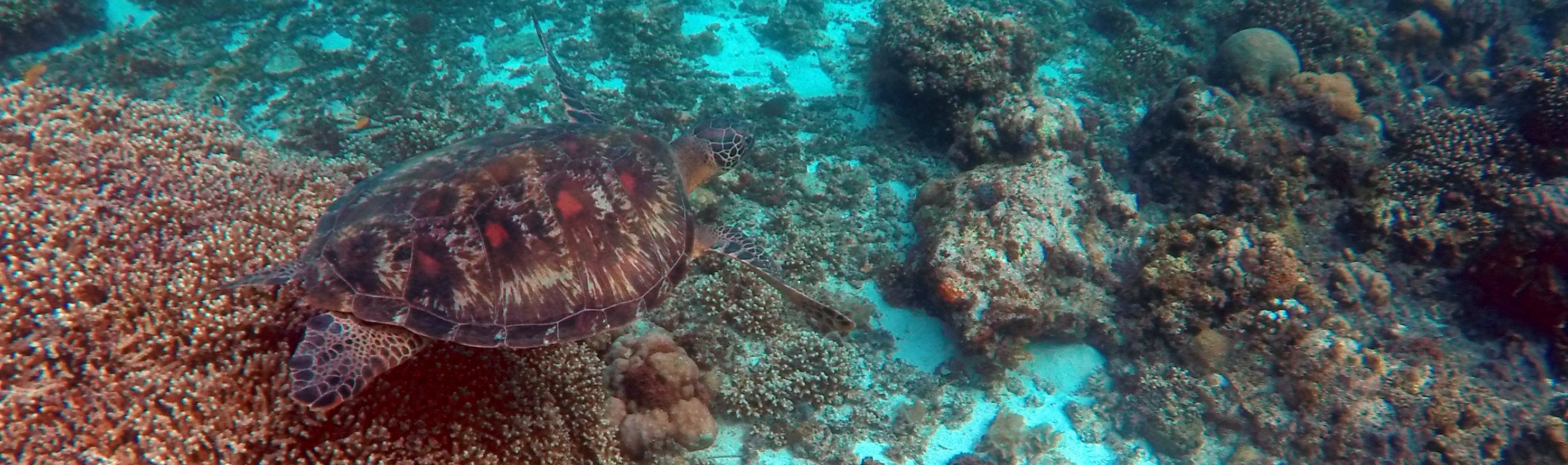
  • Spotting animals: biodiversity is great in Honduras: dense rainforests and clear water. Jaguars, pumas, toucans (Pico Bonito NP), sea turtles, rays (Cayos Cochinos), jaguars, tapirs, manatees, vultures (Unesco's Río Plátano Biosphere Reserve), sharks, rays, dolphins (Bay Islands)

Studying in Honduras?

  • Studies: in principle all subjects and forms of education can be found. Studies such as Spanish language & literature, archaeology, environment, anthropology, tourism, international business and international relations predominate. Study cities: in the capital Tegucigalpa you will find the largest and oldest university of Honduras, with a lively student culture. few -but good- public universities and several private educational institutions. But also San Pedro Sula (business administration, engineering) or Roatán (island with opportunities for marine biology or tourism) offer plenty of opportunities.
  • Characteristics: education is of increasingly better quality; relatively low tuition fees compared to other Central American countries, often slightly smaller classes. Much attention to sustainability.

Internships in Honduras?

  • Internships: internships can be found in all sectors of society. The tourism & hospitality sector has the most on offer. Certainly also opportunities around the environment, biodiversity, archaeology, development cooperation, agriculture, business administration, healthcare and education.
  • Internship cities: Tegucigalpa (economic and political center), San Pedro Sula (industrial center), Roatán (tourism, marine biology) and Copán (archaeology, sustainable tourism, anthropology). Characteristics: the internship culture is generally very 'mañana', informal, attention to personal relationships, emphasis on applying knowledge in practice, solution-oriented work.

Volunteering in Honduras?

  • Volunteer projects: mainly in education (also after-school guidance), health care (basic care, mental health, mother-child), nature management & environmental protection, community development, tourism.
  • Animal projects: protection of sea turtles, reintroduction of jaguars / monkeys and bird species, combating illegal trade, awareness of the need for animal protection.
  • Characteristics: volunteer work possible from 1 or 2 weeks to several months. You work in a rich biodiversity, in impressive nature reserves and make a social impact in a very direct way, often on a small scale.

Working in Honduras?

  • Jobs: temporary work can be found mainly in the sectors: hospitality and tourism (hotels, diving schools, travel sector). Also opportunities in education, health care, agriculture or nature conservation, IT and with international NGOs. Characteristics: take into account the mañana work culture, ensure a good basic knowledge of Spanish, work on your personal network and prepare yourself for work in exchange for board and lodging.

Working as a digital nomad in Honduras?

  • Favorite cities: Bay Islands Roatán and the more affordable Utila (both growing number of co-working spaces), Copán (vibrant expat culture), San Pedro Sula and of course Tegucigalpa (with the better infrastructure for digital nomads).
  • Characteristics: the digital nomad culture in Honduras is growing, but still take into account intermittent wifi, regularly slow internet and a varying 'value for money'. Certainly digital nomad accommodation can sometimes be more expensive than you would expect from this relatively cheap country.

Living in Honduras?

  • Language: Spanish is really the basis. English is increasingly spoken, especially in the more well-known tourist cities and hotspots.
  • Characteristics: The special Mayan atmosphere, enormous hospitality, mañana mentality, attention to mutual social relationships. Safety can vary greatly at neighborhood level; so orient yourself well in advance. Cheaper in terms of living than most other countries in Central America. Prepare for a tropical climate: high temperatures, lots of precipitation.
  • Health insurance: make sure you have your own good health insurance.

Supporting content

Supporting content:
Honduras Country Bundle: suggestions, stories and tips

Honduras Country Bundle: suggestions, stories and tips

Content about Honduras on WorldSupporter

How does healthcare work in Honduras, and what travel insurance, health insurance or expat insurance do you need?

How does healthcare work in Honduras, and what travel insurance, health insurance or expat insurance do you need?

How does the healthcare system work in Honduras?

What is the quality of healthcare in Honduras?

  • After a long period of unrest and violence, Honduras is rebuilding itself. The quality of healthcare in Honduras varies greatly. There are public and private hospitals and institutions. Both have a number of good hospitals in Tegucigalpa and San Pedro Sula.
  • Health insurance is mandatory for foreigners in Honduras and it is important to always have proof of health insurance with you.
  • San Pedro Sula and Tegucigalpa have good healthcare facilities for expats.
  • There is a shortage of medicines in Honduras. It is wise to take your own medicines with you as much as possible, and make sure you also have the prescription with you.
  • For emergency medical assistance, you can call 195.

How does the public healthcare system work in Honduras?

  • The Ministry of Health is responsible for public healthcare in Honduras. However, there is still a large part of the population that does not have access to good healthcare. This is mainly because there are hardly any healthcare institutions in the more rural areas of Honduras. Public healthcare is also available to expats. There are also few public doctors per capita.
  • Public healthcare leaves much to be desired. Not only in terms of medical equipment, but also the level of education of doctors and medical care providers.
  • Almost 90% of the population has no form of health insurance.

How does the private healthcare system work in Honduras?

  • Most foreigners opt for private healthcare in Honduras. There are more than 1,200 facilities throughout the country. Most advanced care can only be found in the well-developed cities.
  • Private healthcare is quite expensive, but of good quality. For this reason, most expats take out international health insurance.
  • Most care must be paid directly at the facility. With insurance, the costs can be declared later.

How is the general practitioner arranged in Honduras?

  • Many doctors are trained in the United States, so they speak English and provide good care. A visit to the general practitioner is not very expensive. For a good general practitioner, it can be useful to ask other foreigners for advice.

How is the dentist arranged in Honduras?

  • In urban areas such as Tegucigalpa and San Pedro Sula, there are good dental clinics that offer a range of services, from routine check-ups to more complex procedures. However, in rural areas, access to dental care is more limited.
  • It can also be wise to ask other expats for advice when you are looking for a good dentist.
How is pregnancy care arranged in Honduras?

  • Access to maternity care in Honduras varies greatly. In urban centres, there are hospitals and clinics that offer prenatal - and postnatal care. However, in rural areas, pregnant women may face limited access to medical facilities and a shortage of qualified staff.
  • Organisations such as the United Nations Population Fund (UNFPA) and Doctors Without Borders have therefore set up programmes to improve access to reproductive and sexual health care. Since Covid, teleconsultations have even been available.
  • If you are planning to have a baby in Honduras, it is wise to do your research in advance to find out what medical facilities are available near your place of residence. Also discuss the experiences of other expats in advance, for example via forums or Facebook. Most foreigners choose private clinics where the care is relatively good.
  • There is no real birth plan system. You can draw up and submit a birth plan yourself, but don't expect too much from it.

How safe or unsafe is a trip or stay in Honduras?

What should you pay attention to in terms of safety in Honduras?

  • Honduras has a high crime rate, especially in urban areas such as Tegucigalpa, San Pedro Sula and La Ceiba. Violent crimes, including muggings and theft, do occur. It is advisable to be vigilant, especially at night, and to avoid busy markets and isolated streets. The country also has one of the highest murder rates in the world.
  • Expats are advised to always travel with a small amount of money to avoid confrontation in the event of a mugging.
  • Certain provinces, such as Santa Bárbara, Cortés, Atlántida, Yoro, Francisco Morazán (including the capital Tegucigalpa), Colón, Olancho and Gracias a Dios, have higher crime rates. The border areas with Guatemala, El Salvador and Nicaragua are also known for criminal activity, especially during transport.

What should you look out for in terms of diseases in Honduras?

  • For Honduras it is certainly important to check in advance which vaccinations you need. There is also an increased risk of both waterborne and vector-borne diseases, including dengue, malaria, hepatitis, typhoid and bacterial diarrhea.
  • It is advisable to get the recommended vaccinations and take precautions to avoid mosquito bites, such as using insect repellent.
  • Air pollution can also be a problem for people with respiratory problems.

What should you pay attention to when it comes to traffic in Honduras?

  • The infrastructure in Honduras is underdeveloped in many areas. Roads can be poorly maintained, especially outside of urban centers, which makes driving challenging.
  • Traffic rules are not always strictly enforced, and driving behavior can be unpredictable. There is an increased risk of traffic accidents, especially at night and during bad weather conditions such as wet roads during the rainy season. For example, a car can suddenly enter the road, or people can drive drunk. Honduras does not have a great reputation for car theft, so always make sure you park your car in a safe parking lot.
  • Public transportation, such as buses and taxis, is available, but safety and reliability can vary. It can be helpful to research a good taxi service using advice from other expats.

What work and travel insurance policies are suitable for short and long stays in Honduras?

  • Is the trip to Honduras and your return sufficiently covered? Are you sufficiently covered before, during and after your activities? Which insurance best suits your trip and your activity? Read more about insurances for abroad on JoHoinsurances.org.

What emigration and expat insurance can you take out for Honduras if you are going to live there for a while?

  • In general, it is mandatory to have your own health insurance when staying in Honduras. So make sure you take out a good, international insurance in advance.
  • Make sure your insurance covers medical evacuation as well as coverage in neighboring countries. Read more about insurances for abroad on Expatinsurances.org.


Packing list for Honduras, travel insurance for Honduras, and taking your belongings

Packing list for Honduras, travel insurance for Honduras, and taking your belongings

Packing list for Honduras, travel insurance for Honduras, and taking your belongings

To take or not to take to Honduras, leave at home or arrange locally?
Sufficiently insured or not for your activities in Honduras?
Sufficiently insured or not for your trip to Honduras?

What to take with you to Honduras: spotlighted

Featured items:
  • Documents: passport valid for at least 6 months upon arrival. An online and/or offline copy of your passport is also useful.
  • Money: cash dollars or lempira - especially if you are travelling outside the tourist areas.
  • Care: coral-friendly, water-resistant sunscreen with a high factor.
  • Outdoor and conveniences: hat or cap and sunglasses.
  • Protection: light raincoat, backpack cover and possibly dry bags. Mosquito net or impregnated mosquito net.
  • Clothing: it is tropically warm to moderate, depending on where you are going. Choose light and breathable fabrics, such as cotton or linen, and layers. Another option is quick-drying synthetic clothing. Swimwear and a sarong for when you go swimming.
  • Shoes: comfortable walking shoes that are easy to bump along the not-so-modern roads. Flip-flops for casual days.
  • Medicines and travel kit: a small first aid kit with plasters, painkillers, anti-diarrhea and ORS. Good mosquito repellent.
  • Safety: money belt for your money and passport.
  • Technology and equipment: world plug with type A & B. Power bank for when the power goes out.

What are some other options for packing as well

  • Reusable water bottle with filter, because tap water is technically drinkable, but often tastes strange.
  • Quick-drying travel towel
  • Snorkeling set and snorkel shirt.
  • Your best basic Spanish sentences.

What should you keep in mind when traveling to Honduras with your belongings?

  • The weather and the season.

Are there mosquitoes in Honduras?

  • There are a lot of mosquitoes in Honduras, and they can carry nasty diseases such as malaria and dengue.
  • Outbreaks also occur regularly. Not fun!
  • Mosquitoes are most active around sunrise and sunset. Be sure to set your smear alarm then. Fortunately, you can protect yourself well with covering clothing and mosquito repellent.
  • More about protection against mosquitoes and insects.

Are there sandflies in Honduras?

  • Sand flies are mainly found along the coast, islands and mangroves and form a problem in Honduras.
  • Unfortunately, they can also transmit leishmaniasis. But if you protect yourself well against mosquitoes, you also get protection against sand flies!
  • Sand flies are most active at dusk.
  • More about sand flies and sand fleas.

Can you buy DEET, or other mosquito repellents, in Honduras?

  • Expect limited choice, lower concentration and higher price.
  • So it is more convenient if you can bring your favorite product from home.

Can you buy a joint or weed in Honduras, or take it with you to Honduras?

  • Short answer: no. Long answer: no, really.
  • Weed is super illegal in Honduras and even having a small amount on you can lead to arrest and serious prison sentences. Also, leave your stash at home, because you probably don't want to know what happens to you if you get caught at the airport.
  • The alternative: enjoy the natural high on the Cayos Cochinos with a coconut in your hand.

Image ACTIVITIES

Check courses, jobs, projects, recipes, suggestions and tips related to: 'Honduras'

ACTIVITIES
CHECK MORE ACTIVITIES

Select any filter and click on Apply to see results

Activities abroad: home bundle

Main content and contributions for activities abroad

,,,accommodations, adventure activities, courses, internships, jobs and volunteer projects

...to help another, travel with care, work together , learn

........Read more
Activities abroad: home page

Activities abroad: home page

From language courses to gap year abroad, from work experience to volunteering abroad, from paid work to internship abroad, from mountaineering to diving and from backpacking to travel around the world

    What social activities can you do abroad?

    • Opportunities are found in the areas of helping, learning or studying. You can get involved to volunteer in a social project at a school in Africa, Asia or Latin America. You can get involved in nature, in a project with animals or cleaning the sea or beaches. Those who want to learn more can choose for example a language course in Latin America, Spain or South Africa.

    What work related activities can you do abroad?

    • If you want to gain work experience, and/or also earn money, go and work abroad. You can combine backpacking in Australia with temporary work. You can work on campsites in Europe or bush camps in Africa. You can pretty much go all over the world to work in the hospitality industry, hotels and hostels, in the healthcare sector or for example at a diving school.

    What sports activities to do abroad?

    • Have you ever thought of mountain biking, rafting (going down a wild river on a raft or rubber dinghy, climbing or canoeing), survival (which involves building rafts, climbing or canoeing), abseiling (descending a rock face while secured to ropes), zip-lining (whizzing down a cable), canyoning (starting at the top of a river and then climbing, swimming, diving down the bed) or caving (scrambling, wriggling and crawling through caves and crevices)?
    • Maybe you feel more comfortable on a bodyboard (on a half-wave surfboard, you surf the high waves lying down-with flippers), on a hang glider or while paragliding (with a parachute you float down a mountain or dune), hydrospeeding (on a bodyboard with flippers and a wetsuit on you go down a wild river via rapids) or Tiefschneeskiing (racing down through powder snow)?

    Check the pages below for more activities and inspiration and where to go and how to arrange it

      Image STORIES

      Check blogs, experiences and information related to: 'Honduras'

      STORIES
      Image

      Toeristenvisum Er is geen toeristenvisum nodig voor Honduras. Je krijgt bij het passeren van de grens een stempel voor 90 dagen (tegen een klein bedrag). Deze 90 dagen limiet geldt voor een combinatie van Honduras, Nicaragua, El Salvador en Guatamala (CA-4). Een verlenging van 30 dagen kan aangevraa...

      CHECK MORE STORIES

      Select any filter and click on Apply to see results

      Countries & Destinations: home bundle

      Bundled content, suggestions, stories and tips about the countries and destinations in the world

      ...to help another, travel with care, work together , learn to share and inspire........Read more

      Africa: country bundles

      Africa: country bundles

      Access: 
      Public
      Asia: country bundles

      Asia: country bundles

      Country bundles of Asian countries

      Access: 
      Public
      Europe: country bundles

      Europe: country bundles

      Country bundles of European countries

      Access: 
      Public
      The Caribbean: country bundles

      Image ORGANIZATIONS

      Check sectors and organizations related to: 'Honduras'

      ORGANIZATIONS
      IRC International Water and Sanitation Centre

      IRC is mostly run by citizens of the eight countries where they work: Burkina Faso, Ethiopia, Ghana, Honduras, India, Mali, Niger and Uganda. IRC works directly with communities, experts, public servants and decision-makers. IRC initiates and supports local and regional project on WASH services = wa...

      WereldOuders

      WereldOuders biedt structurele hulp aan kwetsbare kinderen en gezinnen in negen landen in Latijns-Amerika. Door medische zorg, een veilig thuis en goed onderwijs komen kinderen uit de armoedespiraal en maken daarmee kans op een betere toekomst voor zichzelf en hun omgeving. WereldOuders biedt ook vr...

      Our Little Roses

      Our Little Roses Ministries, a Christian NGO in Honduras, focuses on rescuing homeless girls in Honduras.

      Arte Acción Copán Ruinas

      De doelstelling van de non-profit vereniging Arte Acción Copán Ruinas is het organiseren van socio-culturele activiteiten en non-formele educatieve programma’s met een artistieke methodologie, ter bevordering van de algehele ontwikkeling van de doelgroep, alsmede erkenning en uit...

      CHECK MORE ORGANIZATIONS

      Select any filter and click on Apply to see results

      Organizations & Services: home bundle

      Bundled content, suggestions, stories and tips about organizations and their products and services

      ...to help another, travel with care, work together, learn to share and inspire with

      ........Read more
      Organizations: home page
      Organizations: for administrative, tax and legal work and consulting
      Organizations: for agriculture, grape picking, farming and vineyards
      Organizations: for animal protection, animal care and working with wildlife abroad
      Organizations: for au pairs, youth work and child care abroad
      Organizations: for bush camping and working at a campsite abroad
      Organizations: for catering, hospitality and entertainment abroad
      Organizations: for civil society and social work abroad
      Organizations: for corporate business services
      Organizations: for customer services abroad and help desks
      Organizations: for diving, snorkeling and water sports abroad
      Organizations: for education and schools abroad
      Organizations: for expatriate insurances, travel insurances, and emergency call centers
      Organizations: for gap year activities abroad and sabbaticals
      Organizations: for internship placement abroad
      Organizations: for insurances and finance abroad
      Organizations: for IT, engineering and construction
      Organizations: for language travel and language teaching abroad
      Organizations: for marketing, communication and PR
      Organizations: for mediation in au pairs, childcare and elderly care in the Netherlands
      Organizations: for moving, international relocation and transport abroad
      Organizations: for nature conservation, environmental protection and working in nature abroad
      Organizations: for nonprofit projects, development work and international cooperation
      Organizations: for online work as digital nomad, freelancer, or independent entrepreneur from abroad
      Organizations: for outdoor activities and sports
      Organizations: for providing accommodation and hospitality work in hotels, guesthouses, ecolodges and hostels abroad
      Organizations: for providing healthcare and working in medical care abroad
      Organizations: for psychological assistance and mental health care abroad
      Organizations: for real estate, brokerage abroad and property rental abroad
      Organizations: for research and scientific work abroad
      Organizations: for student support and student associations
      Organizations: for tour guidance and adventure tours abroad
      Organizations: for tourism and organized travel and leisure work abroad
      Organizations: for voluntary work mediation and project placement abroad
      Organizations: for yacht and shipping crew and working on a cruise ship abroad

      Image SUMMARIES

      Check summaries and study assistance related to: 'Honduras'

      CHECK MORE SUMMARIES

      Select any filter and click on Apply to see results

      Image

      SPOTLIGHT & FAVORITES

      FAVORITES
      Nuestros Pequeños Hermanos

      Nuestros Pequeños Hermanos (NPH) is an organization dedicated to offering vulnerable children in Latin America a home. As a NPH volunteer you work with children, a minimum age of 21 is required and the minimum stay is one year.

      Villagio Verde - Roatan Honduras
      • Activities: Villagio Verde Resort is a small resort, surrounded by nature with only 4 rooms, a pool and lots of privacy located on the island of Roatan, part of the bay islands, Honduras. The rooms are wooden chalets, with private luxury bathroom and hammock. Beautiful beaches can be found ...

      Safety, insurances and packing list for Honduras

      How does healthcare work in Honduras, and what travel insurance, health insurance or expat insurance do you need?

      How does healthcare work in Honduras, and what travel insurance, health insurance or expat insurance do you need?

      How does the healthcare system work in Honduras?

      What is the quality of healthcare in Honduras?

      • After a long period of unrest and violence, Honduras is rebuilding itself. The quality of healthcare in Honduras varies greatly. There are public and private hospitals and institutions. Both have a number of good hospitals in Tegucigalpa and San Pedro Sula.
      • Health insurance is mandatory for foreigners in Honduras and it is important to always have proof of health insurance with you.
      • San Pedro Sula and Tegucigalpa have good healthcare facilities for expats.
      • There is a shortage of medicines in Honduras. It is wise to take your own medicines with you as much as possible, and make sure you also have the prescription with you.
      • For emergency medical assistance, you can call 195.

      How does the public healthcare system work in Honduras?

      • The Ministry of Health is responsible for public healthcare in Honduras. However, there is still a large part of the population that does not have access to good healthcare. This is mainly because there are hardly any healthcare institutions in the more rural areas of Honduras. Public healthcare is also available to expats. There are also few public doctors per capita.
      • Public healthcare leaves much to be desired. Not only in terms of medical equipment, but also the level of education of doctors and medical care providers.
      • Almost 90% of the population has no form of health insurance.

      How does the private healthcare system work in Honduras?

      • Most foreigners opt for private healthcare in Honduras. There are more than 1,200 facilities throughout the country. Most advanced care can only be found in the well-developed cities.
      • Private healthcare is quite expensive, but of good quality. For this reason, most expats take out international health insurance.
      • Most care must be paid directly at the facility. With insurance, the costs can be declared later.

      How is the general practitioner arranged in Honduras?

      • Many doctors are trained in the United States, so they speak English and provide good care. A visit to the general practitioner is not very expensive. For a good general practitioner, it can be useful to ask other foreigners for advice.

      How is the dentist arranged in Honduras?

      • In urban areas such as Tegucigalpa and San Pedro Sula, there are good dental clinics that offer a range of services, from routine check-ups to more complex procedures. However, in rural areas, access to dental care is more limited.
      • It can also be wise to ask other expats for advice when you are looking for a good dentist.

      How is pregnancy care arranged in Honduras?

      • Access to maternity care in Honduras varies greatly. In urban centres, there are hospitals and clinics that offer prenatal - and postnatal care. However, in rural areas, pregnant women may face limited access to medical facilities and a shortage of qualified staff.
      • Organisations such as the United Nations Population Fund (UNFPA) and Doctors Without Borders have therefore set up programmes to improve access to reproductive and sexual health care. Since Covid, teleconsultations have even been available.
      • If you are planning to have a baby in Honduras, it is wise to do your research in advance to find out what medical facilities are available near your place of residence. Also discuss the experiences of other expats in advance, for example via forums or Facebook. Most foreigners choose private clinics where the care is relatively good.
      • There is no real birth plan system. You can draw up and submit a birth plan yourself, but don't expect too much from it.

      How safe or unsafe is a trip or stay in Honduras?

      What should you pay attention to in terms of safety in Honduras?

      • Honduras has a high crime rate, especially in urban areas such as Tegucigalpa, San Pedro Sula and La Ceiba. Violent crimes, including muggings and theft, do occur. It is advisable to be vigilant, especially at night, and to avoid busy markets and isolated streets. The country also has one of the highest murder rates in the world.
      • Expats are advised to always travel with a small amount of money to avoid confrontation in the event of a mugging.
      • Certain provinces, such as Santa Bárbara, Cortés, Atlántida, Yoro, Francisco Morazán (including the capital Tegucigalpa), Colón, Olancho and Gracias a Dios, have higher crime rates. The border areas with Guatemala, El Salvador and Nicaragua are also known for criminal activity, especially during transport.

      What should you look out for in terms of diseases in Honduras?

      • For Honduras it is certainly important to check in advance which vaccinations you need. There is also an increased risk of both waterborne and vector-borne diseases, including dengue, malaria, hepatitis, typhoid and bacterial diarrhea.
      • It is advisable to get the recommended vaccinations and take precautions to avoid mosquito bites, such as using insect repellent.
      • Air pollution can also be a problem for people with respiratory problems.

      What should you pay attention to when it comes to traffic in Honduras?

      • The infrastructure in Honduras is underdeveloped in many areas. Roads can be poorly maintained, especially outside of urban centers, which makes driving challenging.
      • Traffic rules are not always strictly enforced, and driving behavior can be unpredictable. There is an increased risk of traffic accidents, especially at night and during bad weather conditions such as wet roads during the rainy season. For example, a car can suddenly enter the road, or people can drive drunk. Honduras does not have a great reputation for car theft, so always make sure you park your car in a safe parking lot.
      • Public transportation, such as buses and taxis, is available, but safety and reliability can vary. It can be helpful to research a good taxi service using advice from other expats.

      What work and travel insurance policies are suitable for short and long stays in Honduras?

      • Is the trip to Honduras and your return sufficiently covered? Are you sufficiently covered before, during and after your activities? Which insurance best suits your trip and your activity? Read more about insurances for abroad on JoHoinsurances.org.

      What emigration and expat insurance can you take out for Honduras if you are going to live there for a while?

      • In general, it is mandatory to have your own health insurance when staying in Honduras. So make sure you take out a good, international insurance in advance.
      • Make sure your insurance covers medical evacuation as well as coverage in neighboring countries. Read more about insurances for abroad on Expatinsurances.org.


      Packing list for Honduras, travel insurance for Honduras, and taking your belongings

      Packing list for Honduras, travel insurance for Honduras, and taking your belongings

      Packing list for Honduras, travel insurance for Honduras, and taking your belongings

      To take or not to take to Honduras, leave at home or arrange locally?
      Sufficiently insured or not for your activities in Honduras?
      Sufficiently insured or not for your trip to Honduras?

      What to take with you to Honduras: spotlighted

      Featured items:
      • Documents: passport valid for at least 6 months upon arrival. An online and/or offline copy of your passport is also useful.
      • Money: cash dollars or lempira - especially if you are travelling outside the tourist areas.
      • Care: coral-friendly, water-resistant sunscreen with a high factor.
      • Outdoor and conveniences: hat or cap and sunglasses.
      • Protection: light raincoat, backpack cover and possibly dry bags. Mosquito net or impregnated mosquito net.
      • Clothing: it is tropically warm to moderate, depending on where you are going. Choose light and breathable fabrics, such as cotton or linen, and layers. Another option is quick-drying synthetic clothing. Swimwear and a sarong for when you go swimming.
      • Shoes: comfortable walking shoes that are easy to bump along the not-so-modern roads. Flip-flops for casual days.
      • Medicines and travel kit: a small first aid kit with plasters, painkillers, anti-diarrhea and ORS. Good mosquito repellent.
      • Safety: money belt for your money and passport.
      • Technology and equipment: world plug with type A & B. Power bank for when the power goes out.

      What are some other options for packing as well

      • Reusable water bottle with filter, because tap water is technically drinkable, but often tastes strange.
      • Quick-drying travel towel
      • Snorkeling set and snorkel shirt.
      • Your best basic Spanish sentences.

      What should you keep in mind when traveling to Honduras with your belongings?

      • The weather and the season.

      Are there mosquitoes in Honduras?

      • There are a lot of mosquitoes in Honduras, and they can carry nasty diseases such as malaria and dengue.
      • Outbreaks also occur regularly. Not fun!
      • Mosquitoes are most active around sunrise and sunset. Be sure to set your smear alarm then. Fortunately, you can protect yourself well with covering clothing and mosquito repellent.
      • More about protection against mosquitoes and insects.

      Are there sandflies in Honduras?

      • Sand flies are mainly found along the coast, islands and mangroves and form a problem in Honduras.
      • Unfortunately, they can also transmit leishmaniasis. But if you protect yourself well against mosquitoes, you also get protection against sand flies!
      • Sand flies are most active at dusk.
      • More about sand flies and sand fleas.

      Can you buy DEET, or other mosquito repellents, in Honduras?

      • Expect limited choice, lower concentration and higher price.
      • So it is more convenient if you can bring your favorite product from home.

      Can you buy a joint or weed in Honduras, or take it with you to Honduras?

      • Short answer: no. Long answer: no, really.
      • Weed is super illegal in Honduras and even having a small amount on you can lead to arrest and serious prison sentences. Also, leave your stash at home, because you probably don't want to know what happens to you if you get caught at the airport.
      • The alternative: enjoy the natural high on the Cayos Cochinos with a coconut in your hand.

      Image ALL CONTENT

      Search all related content within the topic: 'Honduras'

      ALL CONTENT WITHIN TOPIC

      Select any filter and click on Apply to see results

      Check or search within: topics, countries and studies only

      Search only via club, country, goal, study, topic or sector

      Image

      Related topics and terms

      Related regions:

      Image

      TOPICS : check associated topics and more activities

      Selected Worldsupporter pages in relation with the topic
      Themes: main theme pages for activities abroad (intern, study, travel, volunteer, work or emigrate)

      WorldSupporter Theme pages for activities abroad

      Intern, study, travel, volunteer, work or emigrate

      Activities Abroad - Theme
      Best travel time for weather, climate and activities abroad, and the worst time to go!
      Backpacking and travel your way around the world - Theme
      Emigration and moving abroad - Theme
      Gap Year, Time out and Sabbatical - Theme
      Internship Abroad - Theme
      Learning languages and language courses abroad - Theme
      Remote working abroad and digital nomads - Theme
      Study Abroad - Theme
      Teaching Abroad and Working in Education - Theme
      Travel insurances and insurances for long term abroad - Theme
      Travel gear and packing lists for going abroad - Worldsupporter Theme
      Volunteer abroad - Theme
      Work abroad and working holidays - Theme
      Stay safe and insured
      Go abroad!