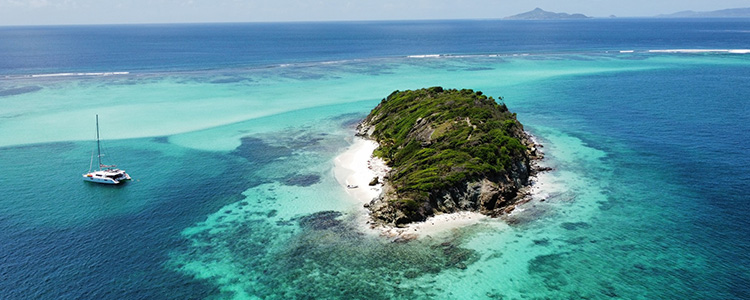
Travel to Panama to backpack, study, intern, volunteer, work, or live as a digital nomad, expat or emigrant?

Image

Image

Image  Panama

Intro

Backpacking in Panama?

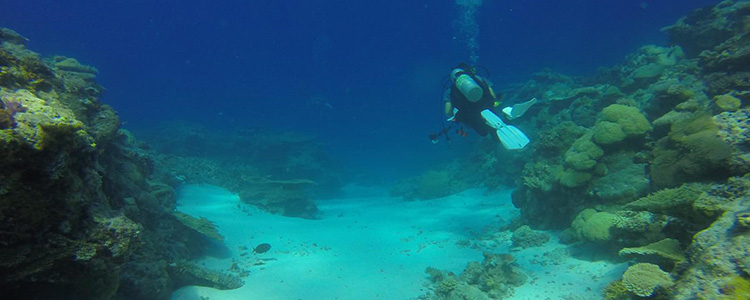
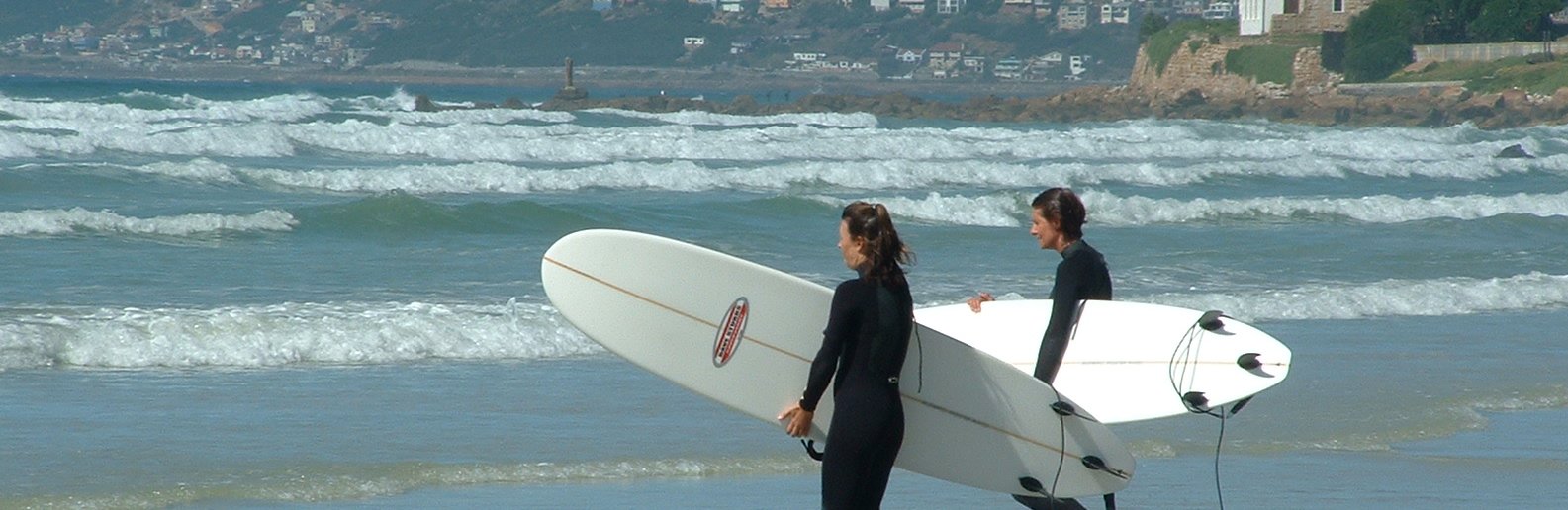
  • Panama is frequently visited by backpackers and considered one of the most surprising countries in Central America. Panama has “everything”: great surfing, diving and snorkeling sites, the Archipelago de San Blas (the territory of the Kuna Indians, with more than350 islands), highlands, jungle and volcanoes.
  • Characteristics: Many traveling nationalities, varied nature and everything within a relatively short distance.

Traveling in Panama?

  • A trip through Panama is a journey through tropical islands, the Panama Canal, the Chiriquí province, lush mountain areas, rainforests and, of course, Panamanian coffee (Boquete) and Latin American cuisine.
  • City spotting: Panama City (with it's trendy Casco Viejo), Barro Colorado, port town of Portobello. But also the smaller Santa Catalina (fishing village) or Boquete in the highlands, surrounded by jungles, volcanoes and mountains.
  • Island spotting: Bocas del Toro (Isla Colon), Las Tablas, Isla de Coiba (whale sharks and manta rays), Pearl Island Archipelago (including whales, dolphins and gigantic schools of tropical fish) and tiny Isla Boca Brava.
  • Animal spotting: crocodiles, several special bird species (including the yellow-winged macaw & rare quetzal), humpback whales, orcas and an extensive underwater world.
  • Nature spotting: Panama has several tropical rainforests with magnificent orchids. The Chiriquí province, but definitely also national park Coiba. Or hike along the 8km Quetzal trail. True adventure can be experienced in the inhospitable Darien National Park, on the border between Panama and Colombia.

Studying in Panama?

  • Language schools: Panama has very relaxed language schools; obviously in the capital but also on various Caribbean islands or just in the highlands. Another possibilities is that you can sometimes combine a course in Panama with one in neighboring Costa Rica.
  • Studying in Panama is advantageous (especially at the public universities, which are also open to international students free of charge), due to the high quality of education and low cost of living.
  • Panama has several large universities and smaller colleges, plus some sub-establishments of large American universities.
  • The academic year in Panama has two semesters: summer (March) and fall (December). Educational institutions are closed in January and February; there is a two-week vacation in June and July.
  • You will find many regular studies in Panama, but e.g. also water science, environment, fleet management or tropical disease research.

Internships in Panama?

  • Internships: internships can be found in all sectors of society. The tourism sector has the most supply, but you will definitely find opportunities in marketing, tropical forest management, conservation, sustainable agriculture.
  • Characteristics: the work culture is also generally very “mañana,” screw your pace back and make sure you have learned Spanish beforehand.

Volunteer in Panama?

  • Volunteer projects: particularly in the social sectors and nature management.
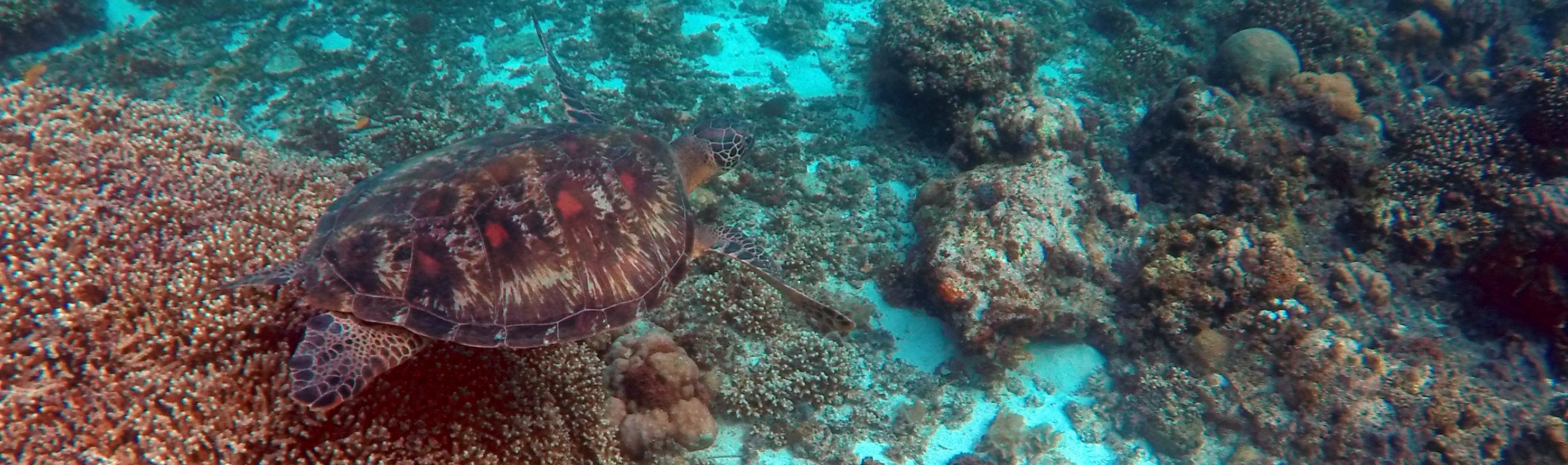
  • Nature projects: protection of sea turtles, coral reefs, orchids, birds, among others.
  • Characteristics: volunteering possible from 1 or 2 weeks to several months.

Working in Panama?

  • Jobs: temporary work can be found mainly in the sectors: hospitality and tourism, such as at diving schools and in the travel sector. Also (limited) opportunities at language schools.
  • Characteristics: take into account the mañana work culture, make sure you have a good basic knowledge of Spanish and set yourself up for work for room and board.

Working as a digital nomad in Panama?

  • Favorite cities: Panama City (with the trendy Casco Viejo district), Boquete (coffee culture!), Bocas del Toro, David, Las Tablas.
  • Internet: Panama is the country in Central America with one of the best and fastest Internet connections.
  • There are specific digital nomad visas, remote worker visas.

Living in Panama?

  • Language: Spanish is really the basic language. English is spoken in the better-known tourist towns and locations.
  • Characteristics:Panama is one of the countries in Central America with a relatively large group of working nomads, temporary emigrants and international adventurers.
  • You can choose the modern and very “urban” Panama City, one of the idyllic islands or just the cooler highlands around Boquete.
  • If you live and work in Panama, you will benefit from the good healthcare system, with doctors who are well-trained in the USA and often speak excellent English. Having your own (international) covered health insurance is recommended.


Panama Country Bundle: suggestions, stories and tips

Panama Country Bundle: suggestions, stories and tips

Selection of content and contributions of WorldSupporters about Panama

Panama: Updates & Travel

Panama: Updates & Travel

Travel in Panama

  • One of the most surprising countries in Central America, with the modern capital Panama City. Visit the island groups Bocas del Toro (with great surfing, diving and snorkeling locations) and Archipel de San Blas (the area of ​​the Kuna Indians), the Panama Canal and Isla Taboga. Panama has various nature reserves and tropical rainforests, beautiful orchids and very relaxed language schools on various Caribbean islands.
  • Take a trip from Panama City to the island of Barro Colorado in the Gatun lake. The island is a reserve that is a hotspot of biodiversity.
  • Take a multi-day tour to Colomba where the San Blas islands are located. These bounty-like islands are themselves small and flat and are disappearing very slowly due to the rising sea level. The indigenous Kuna people traditionally live here from agriculture and fishing, but in the meantime they also earn some extra money from tourism.
  • Climb the Baru Volcano on horseback. At 3,475 meters high, this mountain is located in the beautiful Chiriquí province, near the popular resort town of Boquete and the mountain resort of Cerro Punto.
  • Go bird watching! 40 kilometers north of Panama City lies one of the best places to spot birds. With over 950 bird species, Panama is the best country for bird lovers.
  • Hike through the Darién National Park in the sparsely populated wilderness of the Darién Gap, where you will find beaches, rocky coasts, mangroves and lakes, and even tropical rainforests. This park is also home to two indigenous Indian tribes.
  • A cruise on the Panama Canal is a once-in-a-lifetime experience. The surroundings are beautiful and the banks are home to crocodiles, birds and other wildlife. You can also see the Panama Canal well from the bus or train.
  • In Las Tablas, the capital of the Los Santos province, vibrant parties are held all year round. Especially carnival is a huge experience, there are two different groups that “compete” against each other to see who can organize the best parade and the best parties.
  • The Chiriquí province is a beautiful part of Panama with characteristic highlands, many waterfalls, rivers and spectacular mountains with many cattle and horses. The area is also known for its banana and coffee plantations.
  • Panama City; almost a million people live in this metropolis at the Pacific gate of the Panama Canal. A city with skyscrapers, parks, suburbs, historical monuments of the Spanish past and a charming area known as Casco Antiguo or Colonial Panama. For shopping there is Avenida Central in Panama, the duty-free airport Tocumen, the large malls and the commercial areas near hotels. Panama Viejo is a part of Panama City where you can still see a bit of the old life in Panama. An excursion along these ruins is interesting and gives a good insight into the original Panama City.
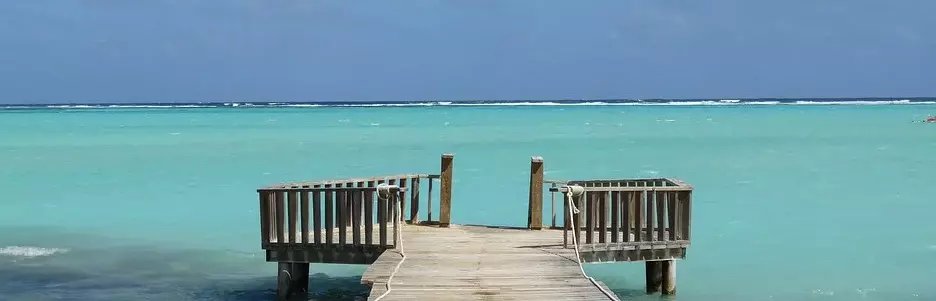
  • Bocas del Toro; Bocas del Toro (located on the island of Isla Colon) is the capital of the archipelago of the same name, located in the Caribbean Sea in the northwest of Panama. After Panama City, Bocas del Toro is the most popular travel destination in Panama. You will find beautiful beaches and more than 200 islands, of which only a few are inhabited. Bocas del Toro has a relaxed Caribbean atmosphere, you can snorkel and dive excellently and the water taxis available will take you everywhere.
  • Be prepared that protests are sometimes organized in Panama, especially in Panama City. Avoid these protests, because they can sometimes get out of hand.
  • Be aware that a curfew for young people applies in Panama City. This measure means that young people up to the age of 17 are not allowed on the streets without an adult after 9 p.m.
  • Be reminded that tropical storms can hit Panama from June to November. If you are in Panama during this period, it is a good idea to follow the local news as much as possible.

Updates Panama

  • More about Panama, updates and contributions, see the link below.
What are the best places to go to in Panama?

What are the best places to go to in Panama?

What are the best places to go to in Panama?

  • One of the most surprising countries in Central America, with the modern capital Panama City. Visit the island groups of Bocas del Toro (with great surf, diving and snorkeling sites) and Archipelago de San Blas (the territory of the Kuna Indians), the Panama Canal and Isla Taboga. Panama has several nature reserves and tropical rainforests, beautiful orchids and very relaxed language schools on several Caribbean islands.
  • Take a trip from Panama City to Barro Colorado Island in Lake Gatun. The island is a reserve that is a hotspot of biodiversity.
  • Take a multi-day tour to Colomba where the San Blas Islands are located. These bounty-like islands are themselves small and flat and are disappearing very slowly due to sea level rise. The indigenous Kuna people here traditionally live by farming and fishing, but meanwhile they also earn a little extra with tourism.
  • Climb the Baru Volcano on horseback. At 3,475 meters, this mountain is located in the beautiful Chiriquí province, near the popular resort town of Boquete and the mountain resort of Cerro Punto.
  • Go bird watching! 40 kilometers north of Panama City is one of the best places for bird watching. With more than 950 bird species, Panama is the best country for bird lovers.
  • Hike through Darién National Park in the sparsely populated wilderness of the Darién Gap, where both beaches, rocky coasts, mangroves and lakes can be found, and even tropical rainforests. This park is also home to two indigenous Indian tribes.
  • A cruise on the Panama Canal is a once-in-a-lifetime experience. The scenery is stunning and the banks are home to crocodiles, birds and other wildlife. By the way, you can also see the Panama Canal well from the bus or train.
  • In Las Tablas, the capital of Los Santos province, vibrant parties are held throughout the year. Carnival in particular is a huge experience, when two different groups “compete” against each other to see who can organize the best parade and parties.
  • The Chiriquí province is a beautiful part of Panama with characteristic highlands, many waterfalls, rivers and spectacular mountains with many cattle and horses. The area is also known for its banana and coffee plantations.
  • Panama City; nearly a million people live in this metropolis at the Pacific port of the Panama Canal. A city with skyscrapers, parks, suburbs, historical monuments of the Spanish past and a charming section known as Casco Antiguo or Colonial Panama. For shopping, there is Avenida Central in Panama, the duty-free Tocumen airport, major malls and commercial areas near hotels. Panama Viejo is a part of Panama City where you can still see a bit of the earlier life in Panama. An excursion along these ruins is interesting and gives a good insight into the original Panama City.
  • Bocas del Toro; Bocas del Toro (located on Isla Colon) is the capital of the archipelago of the same name located in the Caribbean Sea in northwestern Panama. After Panama City, Bocas del Toro is the most popular travel destination in Panama. You will find beautiful beaches and more than 200 islands, only a few of which are inhabited. Bocas del Toro has a relaxed Caribbean atmosphere, excellent snorkeling and diving, and the available water cabs will take you anywhere.
What is the worst time to got to Panama, and what is the best time to travel?

What is the worst time to got to Panama, and what is the best time to travel?

What is the best travel and departure time for Panama?

  • Panama has a tropical climate, ranging from a tropical rainforest climate along the border areas with Costa Rica and Colombia to a monsoon climate in the west and a tropical savanna climate in central Panama. Wherever you go in Panama, everywhere is tropically warm with temperatures around 30 degrees.
  • In spring, from February to May, temperatures can reach 34-35 degrees. Because there is always a fairly high relative humidity, Panama always feels clammy and stuffy.
  • Most of Panama has a rainy season, which runs from early May to mid-December. With the exception of the rain forests, most rain falls in the form of often very heavy showers, which can sometimes last for several hours during the rainy season. In the tropical rain forests, there is a very good chance of prolonged rains during the monsoon period.

Best travel time in Panama

  • From December to April it does not rain as much, but during the rainy season from May to November there are a lot fewer tourists.

Worst travel time in Panama

  • Tropical storms and hurricanes can occur in Panama from June to November. Traveling in Panama is possible during this period, but it rains more and there is a greater chance of violent storms.

Hours of sunshine in Panama

  • Panama has an average of 6 to 7 hours of sunshine per day.

Sea temperature in Panama

  • The sea water temperature in Panama averages 27 degrees.
What is the best transport in Panama, and how to get around?

What is the best transport in Panama, and how to get around?

Whether or not to travel by plane in Panama?

  • Flight time Amsterdam Schiphol - Panama City (AMS-PTY) is 11 hours and 15 minutes. It is good to know that flights from Amsterdam Schiphol are direct. Many islands can be reached only by domestic flights or by boat.

Whether or not to travel by train in Panama?

  • There is a beautiful train route from Panama City to Colón. For the rest, you are better off taking the bus.

Whether or not to travel by bus in Panama?

  • Bus transportation in Panama is good and is the most normal way to travel. There are paved roads between the major destinations, such as David, Boquete, Colón and Panama City. The “PanAmerican Highway” is used for most routes, and you can wave at a bus to stop it or buy a ticket in town. There are many different bus companies, with varying standards and prices.

Whether or not to travel by car in Panama?

  • The roads in Panama are not very bad, and the biggest highway, the “Panamerican Highway” that goes right through the whole country, is actually good. But in the more rural parts, a four wheel drive is really a must. You can rent a car in cities and airports with both a Dutch and an international driver's license. You must be at least 23 years old.

Whether or not to travel by boat in Panama?

  • Panama has many islands that can only be reached by boat (or domestic flight).


Why live in Panama, why emigrate to Panama or stay for a long time?

Why live in Panama, why emigrate to Panama or stay for a long time?

Why should you live in Panama as an expat, emigrant or working nomad?

  • because of the friendly and often very hospitable inhabitants.
  • because of the activities you can do in nature or under water.
  • because of the fact that Panama is a relatively safe, politically stable country in Central America; especially compared to some neighboring countries in the region.
  • because of the extensive, often vibrant, expat culture in Panama; with a combination of Spanish and international cultural influences.
  • because of the well-functioning, fastest and most stable Internet network in Central America.
  • because of the extra free time of your own due to domestic and other help.

What should you pay attention to?

  • that the roads between major cities are quite good, but that in the more rural parts a four wheel drive is really a must.
  • that health care is generally good in the cities, but can still sometimes be mediocre outside of them.
  • That you sometimes have to adjust your demands in terms of efficiency and diligence.
  • that housing in the larger cities can be costly or problematic, especially in Panama City.
Why study in Panama do an internship, do volunteer work or look for a job in Panama?

Why study in Panama do an internship, do volunteer work or look for a job in Panama?

Why study, do an internship, volunteer or work temporarily in Panama?

  • because Panama offers many opportunities to learn or brush up on Spanish; relaxed language schools in the capital but also on various Caribbean islands or in the highlands.
  • because Panama offers a high quality education at a low cost of living.
  • because Panamanian employers generally try to create a pleasant work environment, where social relationships and friendships among colleagues are important.
  • because your colleagues are often helpful, friendly and interested.
  • because Panama offers many opportunities for work, internships, volunteering in tourism, as well as in water science, environment, or tropical disease research.
  • Because Panama is the country in Central America with one of the best and fastest Internet connections.

What should you pay attention to?

  • that 'mañana' is also present in the work culture, but that does not mean that 'being on time' is not appreciated (do not assume that it is fine to be late!)
  • that the boss and older workers are generally respected.
  • that good basic Spanish knowledge opens many doors (in real internship/work situations you need more than 'basic' knowledge).
Packing list for Panama, travel insurance for Panama, and taking your belongings

Packing list for Panama, travel insurance for Panama, and taking your belongings

Packing list for Panama, travel insurance for Panama, and taking your belongings

To take or not to take to Panama, leave at home or arrange locally?
Sufficiently insured or not for your activities in Panama?
Sufficiently insured or not for your trip to Panama?

What to take with you to Panama: short

Featured items:
  • Documents: passport valid for at least 6 months upon arrival and an online and offline copy.
  • Money: forget the Balboa, the dollar is the unofficial and most widely used currency, so you don't have to fiddle with exchange rates (you just pay with those US dollars you have lying around somewhere!). You can use your debit card at the tourist hotspots.
  • Care: sunscreen or sunscreen with a high factor.
  • Outdoor and practical items: backpack rain cover, raincoat, travel cap or cap/hat and sunglasses. Then you are prepared for everything in Panama.
  • Clothing: light, quick-drying and breathable clothing for showers and sweating. Learn more about clothing for when it is warm.
  • Shoes: sturdy hiking boots for the rainforest and practical slippers for the beach.
  • Medicines and travel kit: a basic first aid kit with plasters, painkillers and ORS (dehydration is a thing). Mosquito repellent.
  • Technique and equipment: world plug with type A & B. Power bank in case of a power outage!
What are some other options for packing as well?
  • Reusable water bottle - possibly with filter.
  • Quick-drying travel towel and swimwear for the beach or pool. In terms of swimwear, what people wear varies - from bikini to burkini.
  • A dry bag for your water adventures and for the rainy season to keep your stuff dry.
  • Headlamp or flashlight if you are going on a jungle hike.
  • An extra wallet to spread your cards and money in multiple places.
  • The season - a stronger jacket in the rainy season (May - November) and a lighter jacket in the dry season (December - April). 

Are there mosquitoes in Panama?

  • There are mosquitoes, but they won't eat you en masse.
  • There are more mosquitoes in Panamas rural areas, especially along the Caribbean coast. You'll have fewer problems in the city.
  • There are also more mosquitoes during the rainy season.
  • Mosquitoes in Panama can transmit multiple diseases.

Are there sandflies in Panama?

  • Sand flies are also locally called "chitra" and are well-known disruptors of holidays.
  • They are mainly found in beach areas and wetlands. For example, at the San Blas Islands, Bocas del Toro and the mangroves.
  • Sandflies are also not uncommon on jungle trips - especially close to water and in swampy areas.
  • The sandflies are especially active around sunrise and sunset.
  • Leishmaniasis is rare, so it's mainly just annoying if you get bitten.

Can you buy DEET, or other mosquito repellents, in Panama?

  • Yes, DEET and other mosquito repellents are available in the local pharmacies or supermarkets (El Rey, Super 99 and Riba Smith).
  • When you are a fan of strong DEET (30%+), then bring it from home.

Can you buy a joint or weed in Panama, or take it with you to Panama?

  • Cannabis is illegal and if you try it anyway, it can result in an unpleasant trip to a Panamanian jail, or your entire holiday budget out the window.
  • Also, leave cannabis at home, because smuggling it into Panama will get you into even more trouble!
How dangerous is Panama for your safety, health and insurances?

How dangerous is Panama for your safety, health and insurances?

How to stay safe and out of trouble in Panama?

  • Panama is a reasonably safe country, if you watch out for protests and uprisings. Protests and demonstrations occasionally occur in some parts of Panama, especially in Panama City. It is best to avoid these as much as possible.
  • There is a curfew for young people in Panama city. This measure means that from 9 p.m. onward, young people up to 17 years old are not allowed to be on the streets without adult supervision.

What to look out for regarding criminality in Panama?

  • In order to combat crime and vandalism, there has been a curfew for some time now, whereby young people up to 17 years of age are not allowed to walk the streets of Panama City without an adult during the week, sometimes as early as 9:00 PM, and on Fridays and Saturdays at 11:00 PM. 
  • At tourist attractions, theft is fairly common, so watch your belongings carefully.

What are unsafe areas in Panama?

  • It is not a good idea to visit the border area with Colombia. Colombian guerrillas seem to find it necessary to raid villages in Panama. Avoid the non-touristy parts of Casco Viejo, the neighborhoods of San Miguelito, el Chorillo and Curunud in Panama City, the port city of Colon.

What to look out for regarding natural disasters in Panama?

  • From June to November, tropical storms can ravage Panama. If you do find yourself in Panama during this period, it is a good idea to follow local news reports as much as possible.
What are typical Panamese habits, food customs, recipes and philosophies in Panama?

What are typical Panamese habits, food customs, recipes and philosophies in Panama?

What are the customs in Panama regarding food?

  • Because there are so many different cultures in Panama, the country has a very varied cuisine. At small cafes you can often taste local specialties further, top international restaurants and American fast-food chains have also penetrated Panama.

What are the best recipes in Panama?

  • Try the specialty Ceviche. This is fish marinated in lime juice, onions and peppers.
  • Sancocho is a characteristic stew with chicken, meat and vegetables.
  • Gallo pinto is a dish consisting of rice and beans with pork sometimes added.
  • A popular dessert is a Raspado; a kind of white scones with condensed milk and syrup on top.

What are the best drinks in Panama?

  • The Ron Ponche is highly recommended. This is a milk and vanilla cocktail with rum.
  • Panama is rich in many fresh fruit juices: pineapple, papaya, mango and passion fruit juices are available everywhere. Both pure, and mixed with ice.
  • Panama produces Panama, Atlas, Soberana and Balboa beer.

What are notable holidays and festivals in Panama?

  • 'Feria de las Flores y del Cafe' is held every January and is the largest (and perhaps best) flower festival in the world. There are beautiful flower exhibits, food stalls and lots of live music.
  • During Santa Semana (holy week around Easter), religious processions are held throughout the country where participants wear beautiful colored clothes and hold up church statues.
  • The “Festival de los Diablos y Congos” is the festival of devils and Africans. It is held annually in March. It is historically the representation of good versus evil, or the struggle between the African slaves (good) and their Spanish overlord (the devil). Drumbeats and drumbeats depict escape attempts, rebellions and freedom songs are sung.
  • On Aug. 31, the “Feria Internacional del Mar” is celebrated. This annual festival celebrates all things sea, beach and fish.
  • Panama has no less than three independence days, but the most important celebration is on Nov. 3 and 4 in which lots of fireworks and parades celebrate the country's independence from Colombia.

What are the remarkable habits in Panama?

  • Family is key, it is all about the family, including extended family. Grandparents are often involved in raising children.
  • Fiestas are tradition, between 1 PM and 3 PM all shops are closed. People are resting.
  • Baseball is a very popular sport.
  • Strong sweet coffee is the way of life and drinking it included in daily habits.
How does healthcare work in Panama, and what travel insurance, health insurance or expat insurance do you need?

How does healthcare work in Panama, and what travel insurance, health insurance or expat insurance do you need?

How does the healthcare system work in Panama?

What is the quality of healthcare in Panama?

  • The health care system in Panama is financed by taxes and managed by Caja de Seguro Social (CSS), the Social Security Fund (which, in addition to health care, also regulates pensions) and Ministerio de Salud (MINSA), the Ministry of Health (which determines health care policy, coordinates administration and provides care).
  • MINSA manages public clinics ('polyclinica') and low-cost regional hospitals.
  • CSS manages a number of public hospitals, aimed at people who fall into the government's social security fund through their payroll (employer and employee contributions). In Panama, this is about 80% of the population.
  • Many doctors in Panama have studied in the USA, Mexico, Cuba or Europe and often speak reasonable to good English.
  • Doctors who work in private hospitals and clinics are required by law in Panama to also work a minimum number of hours in public hospitals.
  • As everywhere in Central America, you will find the better hospitals and clinics in or near cities such as Panama City, San Miguelito, Arraiján, Chitré, Colón, David, Changuinola. Smaller health centers can also be found outside the larger cities. In Boquete, Coronado and Chiriqui, among others, good care is also provided, but despite a large expat population, there is often limited capacity.
  • Panama City and David in particular are good destinations for medical tourism, especially for cosmetic and orthopedic care.
  • Even though you can just as easily pay with US dollars in Panama, health care - public or private - is often relatively (much) cheaper than in the USA or Europe.

How does the public healthcare system work in Panama?

  • Self-employed entrepreneurs, but also expats, emigrants and digital nomads, who want to use public health care can go to MINSA clinics and hospitals.
  • Keep in mind that most health care institutions managed by MINSA have very minimal facilities, with little privacy and comfort. This care often relies heavily on support from family members and is provided from older buildings. There are a limited number of beds and the equipment is often outdated. It is known and indicated that the waiting times are long and that, for example, there is not always sufficient or clean bedding available.
  • Only residents with a permanent residence permit can go to CSS institutions, provided that they pay taxes in Panama.
  • MINSA and CSS care generally does not include: eye care, dentist, mental health care, physiotherapy, additional care and many medicines.
  • It is often not possible to schedule an appointment in advance at a MINSA or CSS hospital; just go there and prepare yourself for a long waiting time: many patients, few doctors.

How does the private healthcare system work in Panama?

  • Reasons to choose private healthcare in Panama, as in many other countries worldwide, include the shorter waiting lists and the better facilities in private clinics.
  • Private hospitals with Joint Commission International (JCI) accreditation are certainly of good quality. They often maintain close ties with American institutions.
  • Private healthcare is much more expensive than public facilities, but it is still considerably cheaper than in the US and Europe. Keep in mind that you pay in advance (estimated healthcare costs).
  • If you have international health insurance, ask for a pre-authorization if you want to receive care in a private hospital.
  • To make an appointment at a private hospital or clinic, you can usually schedule an appointment yourself via the institution's website, or call in advance. Sometimes you have to fill out a form in advance.

How is the general practitioner arranged in Panama?

  • Healthcare in Panama takes place in hospitals, clinics and - outside the larger cities - health care centers.
  • If you are looking for care, plan a visit to a hospital or clinic - with or without consultation with your international health insurer.
  • At most private clinics and healthcare centers you can just walk in, or schedule an appointment online or by phone. Sometimes it is also possible to obtain some information in advance via WhatsApp, or you can send a photo, for example. The doctor will often ask you to come by.
  • Some clinics also offer home services, where it is possible for the doctor to visit you at home. Of course, you pay extra for this. The doctor can perform basic tests and prescribe medication.
  • Always check in advance with your insurance company - emergency aid excluded - with which private hospitals agreements have been made, so that you can be sure that the care provided by a specialist/hospital will also be reimbursed.

How is the dentist arranged in Panama?

  • In Panama, basic dental care is not part of the 'public health care' (MINSA/CSS).
  • In general, the better dentists ('dentistas') in the larger and medium-sized cities in Panama are affiliated with the larger hospitals. They follow international standards, for a very reasonable price.
  • Do your research before choosing a practice. The Panama Dental Association maintains databases where you can search by name, specialty, location and language spoken. If you are unsure about a particular procedure, ask for a second opinion or a price indication from another provider.
  • Because Panama has a lot of "medical tourism", especially around dental care, you will find dentists in quite a few locations who speak reasonable to good English and work with international materials and standards.
  • Compared to the USA and Europe, treatments with a dentist in Panama are really much cheaper.

How is pregnancy care arranged in Panama?

  • The birth of a baby in Panama normally takes place in a public or private hospital. Home births are possible, but not common.
  • The regular check-ups in the early months of your pregnancy take place in a regular clinic close to where you live.
  • To give birth, you choose a hospital/clinic and pediatrician who will support you during labor. You can also use a midwife ('partera').
  • It is not unusual to visit several clinics in advance and ask questions about the maternity care that is provided, so that you can make a conscious choice. For example, also ask about the policy regarding caesarean sections or breastfeeding; some clinics sometimes want to (too much) steer towards the commercially more attractive procedures.
  • Pregnancy courses are available in the big cities and expat locations, but less or not at all outside of that. In the more remote areas, people rely even more heavily on traditional methods of pregnancy and birth, with the help of a midwife.
  • If you want maternity care after the birth, you hire a nurse yourself.
  • After the birth, you will be scheduled for monthly check-ups in your clinic or hospital; from the first year onwards, this will be done every three months.
  • Everyone born in Panama is automatically a Panamanian citizen.
  • The birth must be registered with the civil registry in Panama. The hospital will often do this automatically, provided they have the IDs (passport, residence card) of both parents. Two witnesses are also required, other than the parents. You will receive the birth certificate at the hospital.
  • If there is a home birth, you must register the birth yourself. You do this yourself, or a familymember/grandparent/lawyer.

How is the pharmacy arranged in Panama?

  • If you want to replenish your travel pharmacy while on the road, a reasonable number of types of medicines are available at pharmacies (farmacias) in Panama.
  • A number of medicines are available without a prescription in Panama.

How safe or unsafe is a trip or stay in Panama?

What should you pay attention to in terms of safety in Panama?

  • Panama is in principle a relatively safe, politically stable country in Central America. Certainly compared to some neighbouring countries in the region.
  • However, drug gangs are also active in Panama and robberies and muggings take place.
  • Crime in Panama ranges from relatively harmless (such as pickpockets) to violent robberies and sometimes even rape and murder.
  • In particular, (drug-related) gang crime takes place in some neighbourhoods of Panama City and Colón. The Panama ruins of Panama Viejo are safe to visit, but the neighbourhoods around the ruins are not.
  • If you visit the popular San Blas Islands by boat, pay attention to the condition of the boat and the presence of life jackets.
  • If you live in Panama for a longer period of time and travel with your own car, be alert when you get a flat tire. Criminals disguise themselves as 'helpful passers-by', in order to then rob you.
  • For example, if you visit a restaurant or supermarket, do not leave any belongings in your car. A burglary can easily happen. In Panama, there are greater security risks in the east and south of the Darién province, especially in the border area with Colombia. Criminal organizations and armed drug gangs from Colombia are active in the difficult to access (border) jungle area.
  • As everywhere, it is also not wise in Panama to go to busy tourist places with large amounts of money or adorned with jewelry. Not even on the beach and/or on the islands. Pickpockets are active in busy places.
  • Drugs are offered in Casco Viejo (Panama City) and on the island of Bocas del Toro. The penalties for possession of and trafficking in hard and soft drugs are severe.
  • In Panama, the chance of being affected by tropical storms is relatively small. The country is just outside the hurricane belt. However, there is a lot of rain from April to December, sometimes a lot of rain.
  • Earthquakes occasionally occur in Panama. Be prepared and inquire which authorities you should contact for up-to-date English information if something like this happens.
  • If you live in Panama for a longer period of time, you will sooner or later have to deal with demonstrations, as a result of political or economic issues. A strike can have consequences for transport, fuel supply and other government services. And be careful: even peaceful demonstrations can end in violence.
  • Dangerous sea currents can occur in the Pacific Ocean and in the province of Bocas del Toro. Always check with the people who live there where you can and cannot swim.
  • If you live or travel in Panama with children under the age of 17, check the rules regarding the curfew. In some cases, young people are not allowed to go out on the street at certain times without an adult (which is of course sensible in a country like Panama). A measure to combat crime and vandalism.
  • LGBTIQ+ people are generally not yet accepted in Panama; although that does depend somewhat on where you are.

What should you look out for in terms of diseases in Panama?

  • Expats, emigrants and digital nomads generally experience Panama as a country with a high quality of life: climate, beaches, nature, friendly people, relatively low cost of living.
  • However: tropical diseases are present in parts of the country. Checking vaccinations before you leave is highly recommended.
  • Always drink bottled water in Panama, which is cheap and widely available.
  • Panama City is easily accessible from almost anywhere in the country if you are looking for good quality healthcare. However, given the sometimes unexpectedly longer travel times, it is wise to find out where the nearest private and/or regional hospitals are located before a possible emergency occurs.
  • Keep in mind that the people who staff emergency services often only speak Spanish. It is wise to be able to say your home address in Spanish, as well as a few other 'emergency' words and phrases. It can save your life if you need an ambulance quickly.
  • Hospitals and doctors often want you to pay cash in advance for a consultation or treatment. Private hospitals also usually ask for an advance payment or proof that you are well insured.
  • Check well before departure for which medicines you need a declaration to be allowed to take a first dose to Panama. Always take the original packaging with you and think about arranging a medication declaration in time. Write down the international name of the active substance for each medicine you use and try to find out before departure whether your medicine is also available in Panama: where, how and at what cost.

What should you pay attention to when it comes to traffic in Panama?

  • Traffic rules in Panama are at best a 'guideline' for how to move in traffic. Many people do not adhere to them and sometimes behave quite chaotically. Therefore, drive 'defensively' and do not get involved in discussions. Be aware of potholes in the road.
  • In Panama, especially if you live outside the big cities, keep in mind that a drive to the nearest clinic can sometimes take 30-45 minutes.
  • Weather conditions, heavy traffic and frequent accidents can significantly increase the estimated driving time in Panama.
  • Do not travel by road after sunset, especially in remote areas. Avoid car and bus journeys in the evening and at night.
  • Also be on your guard during the day: this is when robberies occur.
  • Stay on the main roads as much as possible.
  • In the rainy season, you should expect roadblocks due to landslides and mudslides.

What work and travel insurance policies are suitable for short and long stays in Panama?

  • Is the trip to Panama and your return sufficiently covered? Are you sufficiently covered before, during and after your activities? Which insurance best suits your trip and your activity? Read more about insurances for abroad on JoHoinsurances.org.

What emigration and expat insurance can you take out for Panama if you are going to live there for a while?

  • In some circumstances you are eligible for the local 'CSS/MINSA' health care system. Even then it is advisable to insure yourself with an international health insurance, because many things are not or only partially covered by the local health insurance.
  • Make sure your insurance covers medical evacuation as well as coverage in neighboring countries. Read more about insurances for abroad on Expatinsurances.org.

Image

Why get specific insurance when going abroad: per activity abroad
Why should you take out specialized travel insurance for a long trip abroad?

Why should you take out specialized travel insurance for a long trip abroad?

What is round the world travel insurance or long-term travel insurance?

  • Round the world travel insurance means that you take out insurance that continues to provide coverage during all your activities abroad, and which is specifically intended for those who travel for long periods of time, such as world travelers, globetrotters, and nomads.

Why should you take out specialized travel insurance for a long trip abroad?

  • Round the world travel insurance provides coverage for a much longer trip than regular travel insurance.
  • World travel insurance is specifically intended for longer trips, whereas regular travel insurance may offer coverage on paper, but in practice handles it differently.
  • World travel insurance is suitable for many types of activities, ranging from high-altitude trekking to more risky sports.
  • World travel insurance continues to provide coverage if you start working during your trip, whether planned or unplanned. If you did not take out insurance before departure that allows you to work, there is no guarantee that you will be able to take out insurance that provides coverage while abroad.
  • Long-term travel insurance continues to provide coverage when your home country's health insurance no longer does.
  • Worldwide travel insurance also covers your medical expenses up to the actual cost, and not just for the standard costs. The costs per medical treatment vary greatly between countries.
  • Worldwide travel insurance can also continue to provide coverage if negative travel advice is issued.

What is important to insure when you are going to travel around the world?

  • That you have insurance that is valid in the countries where you are going to travel and posibly work.
  • That you are adequately insured for the sports and activities you are going to participate in during your full period abroad
  • That you are insured for emergency assistance and early return if something happens to you or your immediate family.
  • That your medical expenses are insured up to the actual cost and not just for the standard costs. The costs per medical treatment vary greatly between countries.
  • That you insure your luggage and take sufficient precautions against theft or damage.
  • That you are well insured against personal liability.
  • That you are well insured in case of accidents.
  • That you only insure yourself for legal assistance if there is an immediate reason to do so, unless coverage is already automatically included in the insurance.
  • That you pay close attention to choosing the right coverage when performing work or voluntary work during your world trip.

Check out more about

Why should you take out specific insurance when you go on a trip or vacation?

Why should you take out specific insurance when you go on a trip or vacation?

What is insurance for traveling abroad?

  • Travel insurance is insurance that provides coverage for risks during a trip or vacation abroad. This mainly concerns loss of or damage to your luggage, medical assistance, or repatriation costs if you need to be transported back home urgently. In some cases, travel insurance coverage also applies on domestic trips.
  • With annual travel insurance or multi-trip travel insurance, you are insured for all your trips throughout the year.
  • With temporary travel insurance or single-trip travel insurance, you take out insurance for each trip for the duration of the trip.
  • Cancellation insurance reimburses (all or part of) the travel sum, cancellation or accommodation costs if you have to cancel or interrupt your vacation.

Why should you take out travel insurance for a short trip, vacation, or long-distance trip?

  • Travel insurance can provide coverage in the event of an accident or emergency while you are abroad.
  • Travel insurance can provide coverage for damage and accidents during the adventurous or sporting activities you plan to do.
  • Travel insurance can continue to provide coverage if your health insurance no longer provides coverage, or if the damage is only reimbursed at cost price of your home country.
  • Travel insurance can provide coverage in the event of damage, loss, or theft of your luggage.
  • Travel insurance can provide coverage if you are held liable for damage you cause to other people or their property.
  • Travel insurance can provide coverage if you have to return home early because something has happened to you or your immediate family.

What is important to insure when you are going to travel abroad?

  • That you have insurance that is valid in the country or countries that you are going to visit.
  • That you are adequately insured for the sports and activities you are going to participate in during your period abroad.
  • That you are insured for emergency assistance and early return if something happens to you or your immediate family.
  • That your medical expenses are insured up to the actual cost and not just for the standard costs. The costs per medical treatment vary greatly between countries.
  • That you insure your luggage and take sufficient precautions against theft or damage.
  • That you are well insured against personal liability.
  • That you are well insured in case of accidents.
  • That you only insure yourself for legal assistance if there is an immediate reason to do so, unless coverage is already automatically included in the insurance.
  • That you pay close attention to choosing the right coverage when performing work alongside your travels.

Check out more about international insurances

Why should you take out specialized travel insurance for working abroad?

Why should you take out specialized travel insurance for working abroad?

Why should you take out specialized travel insurance for paid work, voluntary work or an internship abroad?

  • There may be several reasons why you need separate insurance when working abroad.
  • During work, internships, or volunteer work abroad where you receive financial compensation (or, for example, food or housing), your national health insurance coverage may expire. You will then need special insurance to remain insured for illness and accidents.
  • During specific work abroad, additional requirements may apply if your work involves additional risks. Only specific insurance policies offer coverage during this type of work.
  • During your work, the risk of accidents is sometimes greater, for example because you are doing work with which you have little experience or because of the nature of the work.
  • During your work, local employers generally offer no or limited insurance that provides insufficient coverage.

What is important to insure when you are going to work abroad?

  • That you have insurance that is valid in the country or countries where you are going to travel and work.
  • That you are adequately insured for the sports and activities you are going to participate in during your period abroad
  • That you are insured for emergency assistance and early return if something happens to you or your immediate family.
  • That your medical expenses are insured up to the actual cost and not just for the standard costs. The costs per medical treatment vary greatly between countries.
  • That you insure your luggage and take sufficient precautions against theft or damage.
  • That you are well insured against personal liability.
  • That you are well insured in case of accidents.
  • That you only insure yourself for legal assistance if there is an immediate reason to do so, unless coverage is already automatically included in the insurance.
  • That you pay close attention to choosing the right coverage when performing work.

Check out more about international insurances

Why should you take out specialized travel insurance for volunteering abroad?

Why should you take out specialized travel insurance for volunteering abroad?

What is insurance for volunteering abroad?

  • Insuring volunteer work abroad means taking out insurance that continues to provide coverage while you are working as a volunteer abroad

Why should you take out specialized travel insurance for voluntary work abroad?

  • There may be several reasons why you need separate insurance when volunteering abroad.
  • During specific activities abroad, additional requirements may apply if your work involves extra risks. Only specific insurance policies offer coverage during these activities.
  • The risk of accidents is sometimes higher during your work, for example because you are doing work you have little experience with or because of the nature of the work.
  • Local projects or employers generally offer no or limited insurance that provides insufficient coverage during your work.
  • When volunteering abroad and receiving minor financial compensation (or, for example, food or housing), your home country's health insurance coverage will potentially lapse. You will then need special insurance to remain insured for illness and accidents.
  • Regular travel insurance policies generally provide coverage for trips of a limited number of days. If your trip or stay abroad exceeds the maximum number of days, this generally means that for the entire travel period, you will not be covered.
  • Regular travel insurance policies generally only provide coverage for recreational travel without voluntary work activities. If you engage in activities other than recreational activities (such as volunteer work), this generally means that for the entire travel period, you will not be covered.

What is important to insure when you are going to work as a volunteer abroad?

  • That you have insurance that is valid in the country or countries where you are going to travel and volunteer.
  • That you are adequately insured for the sports and activities you are going to participate in during your period abroad
  • That you are insured for emergency assistance and early return if something happens to you or your immediate family.
  • That your medical expenses are insured up to the actual cost and not just for the standard costs. The costs per medical treatment vary greatly between countries.
  • That you insure your luggage and take sufficient precautions against theft or damage.
  • That you are well insured against personal liability.
  • That you are well insured in case of accidents.
  • That you only insure yourself for legal assistance if there is an immediate reason to do so, unless coverage is already automatically included in the insurance.
  • That when performing work in healthcare, with wild animals, and with dangerous (agricultural) machinery, you take care to choose the right coverage.

Check out more about international insurances

Why should you take out specialized travel insurance for an internship abroad?

Why should you take out specialized travel insurance for an internship abroad?

What is insurance for an internship abroad?

  • Insuring an internship abroad means taking out insurance that continues to provide coverage during your internship abroad
  • Insurance for internships abroad are also referred to as internship insurance. This internship insurance is specifically for when you go abroad for a long period of time to work as an intern, take courses, or conduct research abroad.

Why should you take out specialized travel insurance for an internship abroad?

  • There may be several reasons why you need separate insurance for an internship abroad.
  • During internship activities abroad, additional requirements may apply as soon as you start performing work that involves additional risks. Only specific insurance policies offer coverage during these activities.
  • During your internship, the risk of accidents is sometimes greater, for example because you are doing work with which you have little experience or because of the nature of the work.
  • During your internship, local employers generally do not offer insurance, or offer limited insurance that does not provide sufficient coverage.
  • During an internship abroad where you receive financial compensation (or, for example, food or accommodation), your home country's health insurance coverage will potentially lapse. You will then need special insurance to remain insured for illness and accidents.
  • Regular travel insurance policies generally provide coverage for trips of a limited number of days. If your trip or stay abroad exceeds the maximum number of days, this generally means that for the entire travel period, you will not be covered.
  • Regular travel insurance policies generally only provide coverage for recreational trips without work activities.

What is important to insure when you are going to be an intern abroad?

  • That you have insurance that is valid in the area where you will be traveling and doing your internship.
  • That you are adequately insured for the sports and activities you will be participating in.
  • That you are insured for emergency assistance and early return in case something happens to you or your immediate family.
  • That your medical expenses are insured up to the actual cost (what it actually costs), and not just for the standard costs. The costs per medical treatment vary greatly between countries.
  • That you insure your luggage and take sufficient precautions against theft or damage.
  • That you are well insured against personal liability and, preferably, also for liability during your internship.
  • That you are well insured in case of accidents.
  • That you insure yourself for legal assistance if there is an immediate reason to do so, unless the coverage is already automatically included in the insurance.
  • Make sure you choose the right coverage for internship work in healthcare, with wild animals, or with dangerous machinery!

Check out more about international insurances

Why should you take out specialized travel insurance for studying abroad?

Why should you take out specialized travel insurance for studying abroad?

What is insurance for studying abroad?

  • Insurance for studying abroad means that you take out insurance that continues to provide coverage during your studies, your education, and your related activities abroad.
  • Insurance for studying abroad is also referred to as study insurance. This study insurance is specifically for when you go abroad for a long period of time to take courses, study, or conduct research abroad.

Why should you take out specialized travel insurance for a study abroad?

  • Study insurance is specifically designed for studying abroad, whereas regular travel insurance policies may offer coverage on paper but handle this situation differently in practice.
  • Study insurance offers coverage for longer stays than regular (vacation) travel insurance.
  • Study insurance is also suitable for many types of activities, ranging from various sports to hiking at high altitudes.
  • Study insurance continues to provide coverage if you start working during your trip, whether planned or unplanned. If you have not taken out insurance before departure that allows you to work, there is no guarantee that you will be able to take out insurance abroad that provides coverage.
  • Study insurance continues to provide coverage if your own country's health insurance no longer provides coverage.
  • Student insurance also covers your healthcare costs above the rates in your own country; with regular insurance, you have to pay the extra costs yourself.
  • Student insurance can also continue to provide coverage if (study) visa issuers impose additional requirements on how you insure yourself, for example if you are going to the US and applying for a J-1 visa.
  • Student insurance continues to provide coverage if you are staying abroad for a longer period of time and want to visit your own country in between.

What is important to insure when you are going to study abroad?

  • That you have insurance that is valid in the country or countries where you are going to travel and work.
  • That you are adequately insured for the sports and activities you are going to participate in during your period abroad
  • That you are insured for emergency assistance and early return if something happens to you or your immediate family.
  • That your medical expenses are insured up to the actual cost and not just for the standard costs. The costs per medical treatment vary greatly between countries.
  • That you insure your luggage and take sufficient precautions against theft or damage.
  • That you are well insured against personal liability.
  • That you are well insured in case of accidents.
  • That you only insure yourself for legal assistance if there is an immediate reason to do so, unless coverage is already automatically included in the insurance.
  • That you pay close attention to choosing the right coverage when performing work alongside your studies.

Check out more about international insurances

Why should you take out specialized insurance for moving abroad as an emigrant or an expat?

Why should you take out specialized insurance for moving abroad as an emigrant or an expat?

What is an emigration insurance and what is an expat insurance?

  • Emigration insurance is an insurance that continues to provide coverage if you move abroad permanently or for an indefinite period of time.
  • Emigration insurance is not only intended for emigrants, but for anyone who leaves their home country for an extended period of time and does not intend to return in the foreseeable future.
  • Expat insurance is insurance that continues to provide coverage if you go to work abroad for a local or international employer for an extended period of time.
  • Expat insurance is not only intended for expats, but for anyone who has a more permanent job abroad.

Why should you take out specialized insurance for emigration or working as an expat abroad?

  • Emigration or expat insurance not only provides coverage for acute assistance in the event of illness or accident abroad, such as travel insurance, but can also provide coverage for existing conditions and ailments or non-urgent care.
  • Emigration or expat insurance does not require you to maintain valid health insurance in your home country.
  • Emigration or expat insurance provides coverage for preventive care or costs related to pregnancy and childbirth.
  • Emigration or expat insurance also provides coverage for long-term treatments and chronic conditions without you having to return to your home country.
  • Emigration or expat insurance often has no restrictions on the duration of the insurance, unlike travel insurance.
  • Emigration or expat insurance usually maintains coverage in cases such as negative travel advice or acts of war.
  • Emigration or expat insurance offers various solutions in the areas of disability, home and household insurance, goods transport, and liability.

What is important to insure when you are going to move abroad?

  • That you have insurance that is valid in the country or countries where you are going to live and/or work.
  • That you are adequately insured for the sports and activities you are going to participate in during your period abroad
  • That you are insured for emergency assistance and early return if something happens to you or your immediate family.
  • That your medical expenses are insured up to the actual cost and not just for the standard costs. The costs per medical treatment vary greatly between countries.
  • That you are well insured against personal liability.
  • That you are well insured in case of accidents.
  • That you pay close attention to choosing the right coverage when performing work with additional health risks

Check out more about international insurances

Why should you take out travel insurance and why through the JoHo Foundation?

Why should you take out travel insurance and why through the JoHo Foundation?

Why Insurances through JoHo

  • Specialized: in emigration, work, internships, study and travel abroad.

  • Service: JoHo offers multiple travel insurances by multiple companies. Thanks to JoHo's extensive experience, it can offer support in case of problems with insurers, as well as advice and fast and personal handling.

  • Safe: JoHo is recognized as a trustworthy intermediary for insurances.

  • Social: by purchasing an insurance through JoHo you provide a talented student in The Philippines with health insurance

Why Should You Take Out A Travel Insurance?

  • The chance of getting injured or ill is generally higher than when you would have stayed at home. The medical care you will need can be very expensive, even more so if you are treated in a private clinic.

  • If you have to fly back because of family circumstances, the flights might be more expensive than your original flight because you have to fly on short notice.

  • You might have to deal with the damage, loss or theft of your luggage.

  • In case of emergency it can be difficult to figure out what to do. A good travel insurance will have an assistance team on standby for you 24/7 and will be able to tell you what steps to take.

Why Should You Specifically Take Out A Travel Insurance For A Long Trip Abroad?

  • Often regular travel or health insurances only cover trips for a maximum number of days (for example 60, 90 or 180 days).

  • Depending on your home country, your health insurance might not offer any coverage for treatment abroad.

  • During a long trip you might consider specific activities, like paid work or volunteering. Regular travel insurances often don’t cover these kind of activities. The same goes for adventurous/ hazardous sports like skydiving, scuba-diving and bungee jumping.

More on why to use JoHo

  • JoHo is one of the few organizations where you can directly purchase a comprehensive range of foreign insurances from a variety of insurers. As with our other products and services, we believe that you should be able to choose between the best, the most cost effective and the most specialized insurance.

  • JoHo offers various possibilities from combining insurances to assisting in transferring from one insurer to another.

  • When you purchase an insurance policy through JoHo, you will not pay more than if you had purchased it directly from the insurer. Sometimes (through special collective agreements) you will even pay less.

  • JoHo offers support with problems that may arise with the insurer. Sometimes disagreement with claims, cancellation notice or insurance premiums can occur. In this situation it helps if you have the assistance of an organization who has an established relationship with the insurer.


Read more about JoHo and JoHo Insurances

Image

Safety, insurances and packing list for Panama

How does healthcare work in Panama, and what travel insurance, health insurance or expat insurance do you need?

How does healthcare work in Panama, and what travel insurance, health insurance or expat insurance do you need?

How does the healthcare system work in Panama?

What is the quality of healthcare in Panama?

  • The health care system in Panama is financed by taxes and managed by Caja de Seguro Social (CSS), the Social Security Fund (which, in addition to health care, also regulates pensions) and Ministerio de Salud (MINSA), the Ministry of Health (which determines health care policy, coordinates administration and provides care).
  • MINSA manages public clinics ('polyclinica') and low-cost regional hospitals.
  • CSS manages a number of public hospitals, aimed at people who fall into the government's social security fund through their payroll (employer and employee contributions). In Panama, this is about 80% of the population.
  • Many doctors in Panama have studied in the USA, Mexico, Cuba or Europe and often speak reasonable to good English.
  • Doctors who work in private hospitals and clinics are required by law in Panama to also work a minimum number of hours in public hospitals.
  • As everywhere in Central America, you will find the better hospitals and clinics in or near cities such as Panama City, San Miguelito, Arraiján, Chitré, Colón, David, Changuinola. Smaller health centers can also be found outside the larger cities. In Boquete, Coronado and Chiriqui, among others, good care is also provided, but despite a large expat population, there is often limited capacity.
  • Panama City and David in particular are good destinations for medical tourism, especially for cosmetic and orthopedic care.
  • Even though you can just as easily pay with US dollars in Panama, health care - public or private - is often relatively (much) cheaper than in the USA or Europe.

How does the public healthcare system work in Panama?

  • Self-employed entrepreneurs, but also expats, emigrants and digital nomads, who want to use public health care can go to MINSA clinics and hospitals.
  • Keep in mind that most health care institutions managed by MINSA have very minimal facilities, with little privacy and comfort. This care often relies heavily on support from family members and is provided from older buildings. There are a limited number of beds and the equipment is often outdated. It is known and indicated that the waiting times are long and that, for example, there is not always sufficient or clean bedding available.
  • Only residents with a permanent residence permit can go to CSS institutions, provided that they pay taxes in Panama.
  • MINSA and CSS care generally does not include: eye care, dentist, mental health care, physiotherapy, additional care and many medicines.
  • It is often not possible to schedule an appointment in advance at a MINSA or CSS hospital; just go there and prepare yourself for a long waiting time: many patients, few doctors.

How does the private healthcare system work in Panama?

  • Reasons to choose private healthcare in Panama, as in many other countries worldwide, include the shorter waiting lists and the better facilities in private clinics.
  • Private hospitals with Joint Commission International (JCI) accreditation are certainly of good quality. They often maintain close ties with American institutions.
  • Private healthcare is much more expensive than public facilities, but it is still considerably cheaper than in the US and Europe. Keep in mind that you pay in advance (estimated healthcare costs).
  • If you have international health insurance, ask for a pre-authorization if you want to receive care in a private hospital.
  • To make an appointment at a private hospital or clinic, you can usually schedule an appointment yourself via the institution's website, or call in advance. Sometimes you have to fill out a form in advance.

How is the general practitioner arranged in Panama?

  • Healthcare in Panama takes place in hospitals, clinics and - outside the larger cities - health care centers.
  • If you are looking for care, plan a visit to a hospital or clinic - with or without consultation with your international health insurer.
  • At most private clinics and healthcare centers you can just walk in, or schedule an appointment online or by phone. Sometimes it is also possible to obtain some information in advance via WhatsApp, or you can send a photo, for example. The doctor will often ask you to come by.
  • Some clinics also offer home services, where it is possible for the doctor to visit you at home. Of course, you pay extra for this. The doctor can perform basic tests and prescribe medication.
  • Always check in advance with your insurance company - emergency aid excluded - with which private hospitals agreements have been made, so that you can be sure that the care provided by a specialist/hospital will also be reimbursed.

How is the dentist arranged in Panama?

  • In Panama, basic dental care is not part of the 'public health care' (MINSA/CSS).
  • In general, the better dentists ('dentistas') in the larger and medium-sized cities in Panama are affiliated with the larger hospitals. They follow international standards, for a very reasonable price.
  • Do your research before choosing a practice. The Panama Dental Association maintains databases where you can search by name, specialty, location and language spoken. If you are unsure about a particular procedure, ask for a second opinion or a price indication from another provider.
  • Because Panama has a lot of "medical tourism", especially around dental care, you will find dentists in quite a few locations who speak reasonable to good English and work with international materials and standards.
  • Compared to the USA and Europe, treatments with a dentist in Panama are really much cheaper.

How is pregnancy care arranged in Panama?

  • The birth of a baby in Panama normally takes place in a public or private hospital. Home births are possible, but not common.
  • The regular check-ups in the early months of your pregnancy take place in a regular clinic close to where you live.
  • To give birth, you choose a hospital/clinic and pediatrician who will support you during labor. You can also use a midwife ('partera').
  • It is not unusual to visit several clinics in advance and ask questions about the maternity care that is provided, so that you can make a conscious choice. For example, also ask about the policy regarding caesarean sections or breastfeeding; some clinics sometimes want to (too much) steer towards the commercially more attractive procedures.
  • Pregnancy courses are available in the big cities and expat locations, but less or not at all outside of that. In the more remote areas, people rely even more heavily on traditional methods of pregnancy and birth, with the help of a midwife.
  • If you want maternity care after the birth, you hire a nurse yourself.
  • After the birth, you will be scheduled for monthly check-ups in your clinic or hospital; from the first year onwards, this will be done every three months.
  • Everyone born in Panama is automatically a Panamanian citizen.
  • The birth must be registered with the civil registry in Panama. The hospital will often do this automatically, provided they have the IDs (passport, residence card) of both parents. Two witnesses are also required, other than the parents. You will receive the birth certificate at the hospital.
  • If there is a home birth, you must register the birth yourself. You do this yourself, or a familymember/grandparent/lawyer.

How is the pharmacy arranged in Panama?

  • If you want to replenish your travel pharmacy while on the road, a reasonable number of types of medicines are available at pharmacies (farmacias) in Panama.
  • A number of medicines are available without a prescription in Panama.

How safe or unsafe is a trip or stay in Panama?

What should you pay attention to in terms of safety in Panama?

  • Panama is in principle a relatively safe, politically stable country in Central America. Certainly compared to some neighbouring countries in the region.
  • However, drug gangs are also active in Panama and robberies and muggings take place.
  • Crime in Panama ranges from relatively harmless (such as pickpockets) to violent robberies and sometimes even rape and murder.
  • In particular, (drug-related) gang crime takes place in some neighbourhoods of Panama City and Colón. The Panama ruins of Panama Viejo are safe to visit, but the neighbourhoods around the ruins are not.
  • If you visit the popular San Blas Islands by boat, pay attention to the condition of the boat and the presence of life jackets.
  • If you live in Panama for a longer period of time and travel with your own car, be alert when you get a flat tire. Criminals disguise themselves as 'helpful passers-by', in order to then rob you.
  • For example, if you visit a restaurant or supermarket, do not leave any belongings in your car. A burglary can easily happen. In Panama, there are greater security risks in the east and south of the Darién province, especially in the border area with Colombia. Criminal organizations and armed drug gangs from Colombia are active in the difficult to access (border) jungle area.
  • As everywhere, it is also not wise in Panama to go to busy tourist places with large amounts of money or adorned with jewelry. Not even on the beach and/or on the islands. Pickpockets are active in busy places.
  • Drugs are offered in Casco Viejo (Panama City) and on the island of Bocas del Toro. The penalties for possession of and trafficking in hard and soft drugs are severe.
  • In Panama, the chance of being affected by tropical storms is relatively small. The country is just outside the hurricane belt. However, there is a lot of rain from April to December, sometimes a lot of rain.
  • Earthquakes occasionally occur in Panama. Be prepared and inquire which authorities you should contact for up-to-date English information if something like this happens.
  • If you live in Panama for a longer period of time, you will sooner or later have to deal with demonstrations, as a result of political or economic issues. A strike can have consequences for transport, fuel supply and other government services. And be careful: even peaceful demonstrations can end in violence.
  • Dangerous sea currents can occur in the Pacific Ocean and in the province of Bocas del Toro. Always check with the people who live there where you can and cannot swim.
  • If you live or travel in Panama with children under the age of 17, check the rules regarding the curfew. In some cases, young people are not allowed to go out on the street at certain times without an adult (which is of course sensible in a country like Panama). A measure to combat crime and vandalism.
  • LGBTIQ+ people are generally not yet accepted in Panama; although that does depend somewhat on where you are.

What should you look out for in terms of diseases in Panama?

  • Expats, emigrants and digital nomads generally experience Panama as a country with a high quality of life: climate, beaches, nature, friendly people, relatively low cost of living.
  • However: tropical diseases are present in parts of the country. Checking vaccinations before you leave is highly recommended.
  • Always drink bottled water in Panama, which is cheap and widely available.
  • Panama City is easily accessible from almost anywhere in the country if you are looking for good quality healthcare. However, given the sometimes unexpectedly longer travel times, it is wise to find out where the nearest private and/or regional hospitals are located before a possible emergency occurs.
  • Keep in mind that the people who staff emergency services often only speak Spanish. It is wise to be able to say your home address in Spanish, as well as a few other 'emergency' words and phrases. It can save your life if you need an ambulance quickly.
  • Hospitals and doctors often want you to pay cash in advance for a consultation or treatment. Private hospitals also usually ask for an advance payment or proof that you are well insured.
  • Check well before departure for which medicines you need a declaration to be allowed to take a first dose to Panama. Always take the original packaging with you and think about arranging a medication declaration in time. Write down the international name of the active substance for each medicine you use and try to find out before departure whether your medicine is also available in Panama: where, how and at what cost.

What should you pay attention to when it comes to traffic in Panama?

  • Traffic rules in Panama are at best a 'guideline' for how to move in traffic. Many people do not adhere to them and sometimes behave quite chaotically. Therefore, drive 'defensively' and do not get involved in discussions. Be aware of potholes in the road.
  • In Panama, especially if you live outside the big cities, keep in mind that a drive to the nearest clinic can sometimes take 30-45 minutes.
  • Weather conditions, heavy traffic and frequent accidents can significantly increase the estimated driving time in Panama.
  • Do not travel by road after sunset, especially in remote areas. Avoid car and bus journeys in the evening and at night.
  • Also be on your guard during the day: this is when robberies occur.
  • Stay on the main roads as much as possible.
  • In the rainy season, you should expect roadblocks due to landslides and mudslides.

What work and travel insurance policies are suitable for short and long stays in Panama?

  • Is the trip to Panama and your return sufficiently covered? Are you sufficiently covered before, during and after your activities? Which insurance best suits your trip and your activity? Read more about insurances for abroad on JoHoinsurances.org.

What emigration and expat insurance can you take out for Panama if you are going to live there for a while?

  • In some circumstances you are eligible for the local 'CSS/MINSA' health care system. Even then it is advisable to insure yourself with an international health insurance, because many things are not or only partially covered by the local health insurance.
  • Make sure your insurance covers medical evacuation as well as coverage in neighboring countries. Read more about insurances for abroad on Expatinsurances.org.
Packing list for Panama, travel insurance for Panama, and taking your belongings

Packing list for Panama, travel insurance for Panama, and taking your belongings

Packing list for Panama, travel insurance for Panama, and taking your belongings

To take or not to take to Panama, leave at home or arrange locally?
Sufficiently insured or not for your activities in Panama?
Sufficiently insured or not for your trip to Panama?

What to take with you to Panama: short

Featured items:
  • Documents: passport valid for at least 6 months upon arrival and an online and offline copy.
  • Money: forget the Balboa, the dollar is the unofficial and most widely used currency, so you don't have to fiddle with exchange rates (you just pay with those US dollars you have lying around somewhere!). You can use your debit card at the tourist hotspots.
  • Care: sunscreen or sunscreen with a high factor.
  • Outdoor and practical items: backpack rain cover, raincoat, travel cap or cap/hat and sunglasses. Then you are prepared for everything in Panama.
  • Clothing: light, quick-drying and breathable clothing for showers and sweating. Learn more about clothing for when it is warm.
  • Shoes: sturdy hiking boots for the rainforest and practical slippers for the beach.
  • Medicines and travel kit: a basic first aid kit with plasters, painkillers and ORS (dehydration is a thing). Mosquito repellent.
  • Technique and equipment: world plug with type A & B. Power bank in case of a power outage!
What are some other options for packing as well?
  • Reusable water bottle - possibly with filter.
  • Quick-drying travel towel and swimwear for the beach or pool. In terms of swimwear, what people wear varies - from bikini to burkini.
  • A dry bag for your water adventures and for the rainy season to keep your stuff dry.
  • Headlamp or flashlight if you are going on a jungle hike.
  • An extra wallet to spread your cards and money in multiple places.
  • The season - a stronger jacket in the rainy season (May - November) and a lighter jacket in the dry season (December - April). 

Are there mosquitoes in Panama?

  • There are mosquitoes, but they won't eat you en masse.
  • There are more mosquitoes in Panamas rural areas, especially along the Caribbean coast. You'll have fewer problems in the city.
  • There are also more mosquitoes during the rainy season.
  • Mosquitoes in Panama can transmit multiple diseases.

Are there sandflies in Panama?

  • Sand flies are also locally called "chitra" and are well-known disruptors of holidays.
  • They are mainly found in beach areas and wetlands. For example, at the San Blas Islands, Bocas del Toro and the mangroves.
  • Sandflies are also not uncommon on jungle trips - especially close to water and in swampy areas.
  • The sandflies are especially active around sunrise and sunset.
  • Leishmaniasis is rare, so it's mainly just annoying if you get bitten.

Can you buy DEET, or other mosquito repellents, in Panama?

  • Yes, DEET and other mosquito repellents are available in the local pharmacies or supermarkets (El Rey, Super 99 and Riba Smith).
  • When you are a fan of strong DEET (30%+), then bring it from home.

Can you buy a joint or weed in Panama, or take it with you to Panama?

  • Cannabis is illegal and if you try it anyway, it can result in an unpleasant trip to a Panamanian jail, or your entire holiday budget out the window.
  • Also, leave cannabis at home, because smuggling it into Panama will get you into even more trouble!
How dangerous is Panama for your safety, health and insurances?

How dangerous is Panama for your safety, health and insurances?

How to stay safe and out of trouble in Panama?

  • Panama is a reasonably safe country, if you watch out for protests and uprisings. Protests and demonstrations occasionally occur in some parts of Panama, especially in Panama City. It is best to avoid these as much as possible.
  • There is a curfew for young people in Panama city. This measure means that from 9 p.m. onward, young people up to 17 years old are not allowed to be on the streets without adult supervision.

What to look out for regarding criminality in Panama?

  • In order to combat crime and vandalism, there has been a curfew for some time now, whereby young people up to 17 years of age are not allowed to walk the streets of Panama City without an adult during the week, sometimes as early as 9:00 PM, and on Fridays and Saturdays at 11:00 PM. 
  • At tourist attractions, theft is fairly common, so watch your belongings carefully.

What are unsafe areas in Panama?

  • It is not a good idea to visit the border area with Colombia. Colombian guerrillas seem to find it necessary to raid villages in Panama. Avoid the non-touristy parts of Casco Viejo, the neighborhoods of San Miguelito, el Chorillo and Curunud in Panama City, the port city of Colon.

What to look out for regarding natural disasters in Panama?

  • From June to November, tropical storms can ravage Panama. If you do find yourself in Panama during this period, it is a good idea to follow local news reports as much as possible.

Image ACTIVITIES

Check courses, jobs, projects, recipes, suggestions and tips related to: 'Panama'

CHECK MORE ACTIVITIES

Make a selection, to find more tips than you see below

Image Ga aan de slag als PADI duikinstructeur!
Ga aan de slag als PADI duikinstructeur!
Image Heb jij ervaring als bartender en wil je wat van de wereld zien? Ga aan de slag op een cruiseschip
Je mixt cocktails en schenkt drankjes in voor de gasten op het schip. Je doet voorbereidende en afrondende werkzaamheden bij je shift. Je entertaint de gasten en zorgt...
Image Ervaren schoolmanager in Panama
Je coördineert de dagelijkse gang van zaken op een talenschool. Je stuurt werknemers aan en verricht marketing en administratieve taken. Je werkt allround mee aan het...
Image Volunteer at a hostel in Costa Rica or Panama in exchange for board and lodging
Volunteer at a hostel in Costa Rica or Panama in exchange for board and lodging. The hostels are connected to a Spanish school, so you can combine your language courses...
Image Geef Engelse les op een klein schooltje op een paradijselijk eiland
Je gaat aan de slag bij een kleine school op een eilandje van Panama waar weinig mensen zijn die Engels kunnen geven. Je zult assisteren bij de lessen Engels en mag...
Image Get to work on a boat or ship. In exchange for your help, you sail along and discover life at sea
Get to work on a boat or ship abroad. In exchange for your help, you sail along and discover life at sea. From modern catamarans to traditional sailboats. At some boats...
Image Combineer reizen met een taalcursus en volg 4 weken Spaanse les op verschillende locaties (van strand en stad, tot jungle) in Panama en Costa Rica!
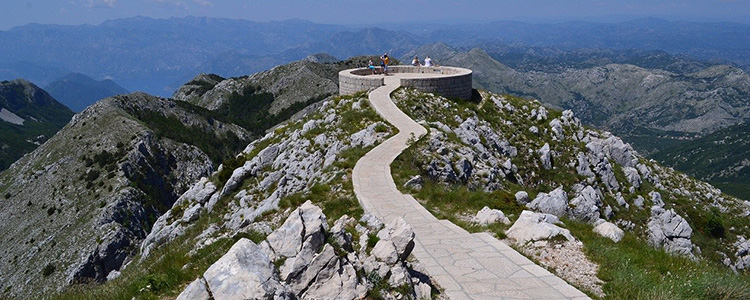
Combineer reizen met een taalcursus en volg 4 weken Spaanse les op verschillende locaties (van strand en stad, tot jungle) in Panama en Costa Rica!
Image Combineer Spaanse les met andere cursussen of activiteiten in zuid-amerika of midden-amerika
" Learn Spanish in Latin America with Spanish Travel Classes. We are experts on Spanish language travel and carefully selected the best Spanish immersion programs. On...
Image Ga aan het werk als marketing- en communicatiemedewerker bij een lokale taalschool
Ga aan het werk als marketing- en communicatiemedewerker bij een lokale taalschool.
Image Volunteer at a backpackers hostel in the Caribbean or Latin America
Volunteer work in a backpackers hostel in the Caribbean or Latin America. In return for room and board, you will work in various cozy hostels in different countries...
Activities abroad: home bundle

Main content and contributions for activities abroad

,,,accommodations, adventure activities, courses, internships, jobs and volunteer projects

...to help another, travel with care, work together , learn to share and inspire with your experience


Activities abroad: home page

Activities abroad: home page

From language courses to gap year abroad, from work experience to volunteering abroad, from paid work to internship abroad, from mountaineering to diving and from backpacking to travel around the world

    What social activities can you do abroad?

    • Opportunities are found in the areas of helping, learning or studying. You can get involved to volunteer in a social project at a school in Africa, Asia or Latin America. You can get involved in nature, in a project with animals or cleaning the sea or beaches. Those who want to learn more can choose for example a language course in Latin America, Spain or South Africa.

    What work related activities can you do abroad?

    • If you want to gain work experience, and/or also earn money, go and work abroad. You can combine backpacking in Australia with temporary work. You can work on campsites in Europe or bush camps in Africa. You can pretty much go all over the world to work in the hospitality industry, hotels and hostels, in the healthcare sector or for example at a diving school.

    What sports activities to do abroad?

    • Have you ever thought of mountain biking, rafting (going down a wild river on a raft or rubber dinghy, climbing or canoeing), survival (which involves building rafts, climbing or canoeing), abseiling (descending a rock face while secured to ropes), zip-lining (whizzing down a cable), canyoning (starting at the top of a river and then climbing, swimming, diving down the bed) or caving (scrambling, wriggling and crawling through caves and crevices)?
    • Maybe you feel more comfortable on a bodyboard (on a half-wave surfboard, you surf the high waves lying down-with flippers), on a hang glider or while paragliding (with a parachute you float down a mountain or dune), hydrospeeding (on a bodyboard with flippers and a wetsuit on you go down a wild river via rapids) or Tiefschneeskiing (racing down through powder snow)?

    Check the pages below for more activities and inspiration and where to go and how to arrange it

      Activities abroad: for gap year, sports, travel and outdoor abroad

      Activities abroad: for gap year, sports, travel and outdoor abroad

      Bundled content for gap year, sports, travel and outdoor abroad

      Access: 
      Public

      Image STORIES

      Check blogs, experiences and information related to: 'Panama'

      CHECK MORE STORIES

      Make a selection, to find more blogs and contributions than you see below

      Image Why study in Panama do an internship, do volunteer work or look for a job in Panama?
      What are the reasons to study in Panama, do an internship, do volunteer work or look for a job in Panama?
      Image Packing list for Panama, travel insurance for Panama, and taking your belongings
      To pack and bring to Panama What to take with you to Panama: short Are there mosquitoes in Panama? Are there sandflies in Panama? Can you buy DEET, or other mosquito...
      Image Welk visum regelen voor een reis of vrijwilligerswerk naar Panama?
      Toeristenvisum Een toeristenvisum voor Panama is niet verplicht voor bezoeken tot 90 dagen. Je vult een formulier in en krijgt een toeristenkaart voor 30 dagen bij...
      Image Panama: Updates & Travel
      Travel in Panama Updates Panama Back to top Travel in Panama One of the most surprising countries in Central America, with the modern capital Panama City. Visit the...
      Image How does healthcare work in Panama, and what travel insurance, health insurance or expat insurance do you need?
      How does the healthcare system work in Panama? What is the quality of healthcare in Panama? How does the public healthcare system work in Panama? How does the private...
      Countries & Destinations: home bundle

      Bundled content, suggestions, stories and tips about the countries and destinations in the world

      ...to help another, travel with care, work together , learn to share and inspire with your experience

      Africa: country bundles

      Africa: country bundles

      Access: 
      Public
      Asia: country bundles

      Asia: country bundles

      Country bundles of Asian countries

      Access: 
      Public
      Europe: country bundles

      Europe: country bundles

      Country bundles of European countries

      Access: 
      Public
      The Caribbean: country bundles

      Image ORGANIZATIONS

      Check sectors and organizations related to: 'Panama'

      CHECK MORE ORGANIZATIONS

      Make a selection, to find more or other organizations than you see below

      Image Floating Doctors
      Floating Doctors strives to provide medical care in the developing world and to improve health care delivery in Panama. With a team of volunteers with medical, dental...
      Image Heliconia B&B & Tanager Tourism Ecotours - Panama
      Tanager tourism is a small eco-tour company, run by two Dutch biologists. They organise camping trips to Coiba (1, 2 or 3 nights), snorkelling and walks through the...
      Image StudyTravel
      StudyTravel consists of a permanent team of enthusiastic employees, all with experience abroad. You can go there to learn various languages such as Italian, German,...
      Image Spanish at Locations
      At Spanish at Locations, you can take Spanish lessons in Costa Rica and Panama. Spanish at Locations was founded in 1998 by Dutch Ingrid Lommers and now has language...
      Image Bocas Diving Pirates
      Bocas Diving Pirates is a PADI Dive Center located on beautiful Bocas del Toro in Panama. There are ideal dive sites for both advanced and beginner divers. Opportunity...
      Image South America Inside
      South America Inside specializes in organizing stays abroad of various kinds like volunteering, language travel and other educational programs throughout Latin America...
      Image Spanish Travel Classes
      Leer Spaans in Latijns Amerika met Spanish Travel Classes. De Nederlandse Martijn is expert op het gebied van Spaanse taalreizen. Er worden naast taalcursussen ook trips...
      Image Lustrumfiesta
      Lustrumfiesta is een reisbureau opgericht door vier Nederlanders die reizen in Latijns-Amerika organiseren. De reizen zijn voornamelijk gericht op studentenverenigingen.
      Image Amigos de las Américas
      Amigos de las Américas is a nonprofit organization that offers summer programs in Latin America and a gap year program in Paraguay. Volunteers are welcome for several...
      Image Bienvenido Gap Year
      Bienvenido is een Nederlandse organisatie met lokale partners in Argentinië, Chili, Costa Rica, Ecuador, Panama, Paraguay, Peru en Uruguay. Ze zijn gespecialiseerd in...
      Organizations & Services: home bundle

      Bundled content, suggestions, stories and tips about organizations and their products and services

      ...to help another, travel with care, work together, learn to share and inspire with your experience

      Organizations: home page
      Organizations: for administrative, tax and legal work and consulting
      Organizations: for agriculture, grape picking, farming and vineyards
      Organizations: for animal protection, animal care and working with wildlife abroad
      Organizations: for au pairs, youth work and child care abroad
      Organizations: for bush camping and working at a campsite abroad
      Organizations: for catering, hospitality and entertainment abroad
      Organizations: for civil society and social work abroad
      Organizations: for corporate business services
      Organizations: for customer services abroad and help desks
      Organizations: for diving, snorkeling and water sports abroad
      Organizations: for education and schools abroad
      Organizations: for expatriate insurances, travel insurances, and emergency call centers
      Organizations: for gap year activities abroad and sabbaticals
      Organizations: for internship placement abroad
      Organizations: for insurances and finance abroad
      Organizations: for IT, engineering and construction
      Organizations: for language travel and language teaching abroad
      Organizations: for marketing, communication and PR
      Organizations: for mediation in au pairs, childcare and elderly care in the Netherlands
      Organizations: for moving, international relocation and transport abroad
      Organizations: for nature conservation, environmental protection and working in nature abroad
      Organizations: for nonprofit projects, development work and international cooperation
      Organizations: for online work as digital nomad, freelancer, or independent entrepreneur from abroad
      Organizations: for outdoor activities and sports
      Organizations: for providing accommodation and hospitality work in hotels, guesthouses, ecolodges and hostels abroad
      Organizations: for providing healthcare and working in medical care abroad
      Organizations: for psychological assistance and mental health care abroad
      Organizations: for real estate, brokerage abroad and property rental abroad
      Organizations: for research and scientific work abroad
      Organizations: for student support and student associations
      Organizations: for tour guidance and adventure tours abroad
      Organizations: for tourism and organized travel and leisure work abroad
      Organizations: for voluntary work mediation and project placement abroad
      Organizations: for yacht and shipping crew and working on a cruise ship abroad

      Image SUMMARIES

      Check summaries and study assistance related to: 'Panama'

      CHECK MORE SUMMARIES

      No results found.

      Image

      SPOTLIGHT & FAVORITES

      FAVORITES
      Spanish at Locations

      At Spanish at Locations, you can take Spanish lessons in Costa Rica and Panama. Spanish at Locations was founded in 1998 by Dutch Ingrid Lommers and now has language schools in several locations in both countries. Spanish at Locations offers both language courses and combination courses, allowing yo...

      Heliconia B&B & Tanager Tourism Ecotours - Panama

      Tanager tourism is a small eco-tour company, run by two Dutch biologists. They organise camping trips to Coiba (1, 2 or 3 nights), snorkelling and walks through the forest. They can almost guarantee that you will see hawksbill turtles and white-tip reefsharks, plus many many other reef fish. They al...

      Image ALL CONTENT

      Search all related content within the topic: 'Panama'

      ALL CONTENT WITHIN TOPIC

      Select any filter and click on Apply to see results

      Image

      TOPICS : check associated topics and more activities

      Check more: activities in WorldSupporter
      Check more: of the topic below
      Go abroad!
      Page topic

      Stories, tips and experiences from Panama

      Submenu & Search

      Search only via club, country, goal, study, topic or sector