Travel to Mozambique to backpack, study, intern, volunteer, work, or live as a digital nomad, expat or emigrant?

Image

Image
 Mozambique

Intro

Backpacking or travelling in Mozambique?

  • The land of diving, nature, music, pirates and fantastic art - Mozambique is a wonderful destination for those who love beaches, good food (Portuguese meets African), architecture and learning about a joyful life. It is a country that is not rich, but therefore all the more a backpacker destination compared to countries like South Africa.
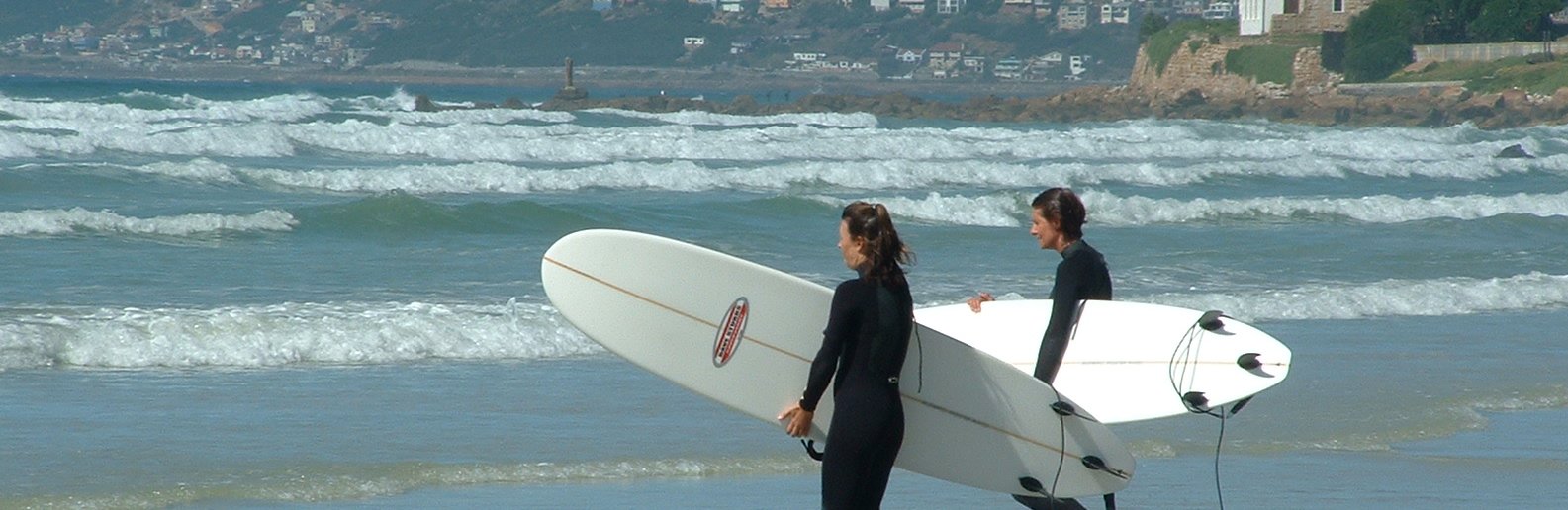
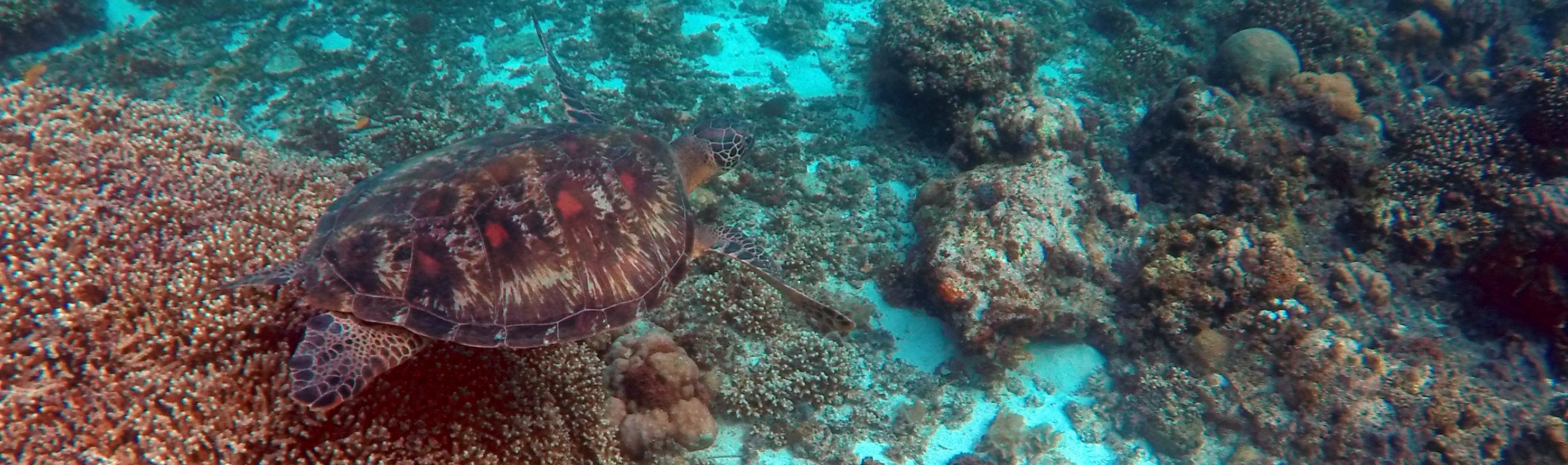
  • Activities to spot: diving and snorkelling at the coral reefs of the Bazaruto Archipelago; safaris in the Gorongosa National Park; island hopping along the Quirimbas Archipelago; hiking in the Chimanimani mountains; exploring markets in Maputo; kayaking in the mangroves of Inhambane; dhow cruises at Pemba; surfing at Tofo Beach and visit the Ilha de Moçambique for Portuguese colonial architecture.
  • Animal spotting: humpback whales, manatees, elephants, seahorses, hippos, crocodiles, coral reefs with many fish, birds (including flamingos), turtles, leopards.
  • Food spotting: piri piri shrimp, matapa, xima, caril de amendoim, feijoada, coconut rice, samosas, mandazi, grilled fish, pao.

Study in Mozambique?

  • There are several universities in Mozambique with a reasonable range of studies. Popular studies are management, technology, architecture, medical studies and accounting, but you can also explore the local nature and culture.
  • Study cities: Maputo.
  • Language: Portuguese.

Internship in Mozambique?

  • There are certainly internship opportunities in Mozambique if you do some research on the internet. For example, think of research internships, especially in the field of marine research, education, healthcare, community development, in diplomacy and at companies.
  • Competencies: patience, stamina, research skills, flexibility.

Volunteer in Mozambique?

  • There are many valuable opportunities for volunteer work in Mozambique. For example, you can help with projects focused on women's emancipation, marine conservation, wellness retreats, ecotourism, sustainable agriculture, research, education and community development.

Work in Mozambique?

  • Most people work in the tourism industry (ecotourism, diving centers, etc.), in education, nature conservation (e.g. research), infrastructure and agriculture, or for development projects.
  • Work culture: the work culture is informal and family-oriented, with a noticeable Portuguese influence. Respect for hierarchy is present, but there is also room for social connections in the workplace. Speaking Portuguese is a plus in the work context.

Work as a digital nomad in Mozambique?

  • Yep, here we have another gem of a destination. With beautiful beaches and an incredibly friendly culture, Mozambique is the ultimate digital nomad destination. Plus, there’s reliable internet (if you’re in the right location, that is) and there are even a few co-working spaces to be found. Oh, and one last thing – it’s considerably cheaper than many Western destinations.
  • Favourite locations: Tofo, Ponta Malongane, Maputo, Pemba.

Living in Mozambique?

  • Mozambique has a relaxed and multicultural atmosphere, with cities like Maputo and Pemba attracting expats. Maputo offers the best in terms of amenities, but outside the city life is simpler and closer to nature.
  • Why yes, why no? The natural beauty and welcoming culture are definitely the big draws of Mozambique, along with the low costs and many opportunities for people who want to focus on development aid, sustainability and (marine) nature projects. But if you don't like tropical temperatures and cyclones, find the limited infrastructure and healthcare a problem or don't feel like speaking Portuguese then maybe you shouldn't move to Mozambique.
  • Education: There are a few international schools for families with children that offer an English curriculum.
  • Expat community: There are quite a few expats, which makes for a multicultural society and you can get away with some English sometimes.
  • Safety: Generally safe, but be aware of the safety risks.
  • Culture: The culture is a mix of African, Arabic and Portuguese influences. Music, dance and food are important parts of daily life. People are friendly and welcoming, and you will quickly be invited to share a cup of tea or a meal.
  • Climate: Mozambique has a tropical climate, with a wet season from November to March and a dry, warmer period the rest of the year. Cyclones can hit the country during the rainy season.
  • Health insurance: Health care is limited outside the major cities. Hospitals in Maputo are reasonable, but for complex treatments expats often opt for South Africa. So make sure you have your own health insurance with good coverage.

Supporting content

Supporting content:
Mozambique Country Bundle: suggestions, stories and tips

Mozambique Country Bundle: suggestions, stories and tips

Image

Content about Mozambique on WorldSupporter

Mozambique: Updates & Travel

Mozambique: Updates & Travel

Travel in Mozambique

  • Mozambique is a large country with untouched nature, beautiful white beaches, islands, wildlife parks and a vibrant capital Maputo. Despite the beach resorts that can be found there, it is unfortunately one of the poorest countries in the world. The route from north to south or the other way around can be a bit more difficult to travel due to the bad roads, but traveling from east to west is fine. You can easily reach Mozambique from Tanzania, Malawi, Zimbabwe, South Africa and Swaziland.
  • Ilha de Mozambique, this Mozambique island is on the UNESCO world heritage list due to the interesting history of the island. It consists almost entirely of a walled city (fort) once built by the Portuguese.
  • Go snorkeling and diving: the coast of Maputo has a beautiful coral reef.
  • Go on safari through the beautiful Gorongosa National Park full of wild animals, unique bird species and special plants. JoHotspots in Mozambique
  • Visit Pemba, that is a popular coastal town in the north with a beautiful beach and a cozy center.
  • Maputo, this capital is one of the most beautiful cities in southern Africa, with traditional Mozambican cultural characteristics. And believe it or not, also architecture by the architect Eiffel, among others.
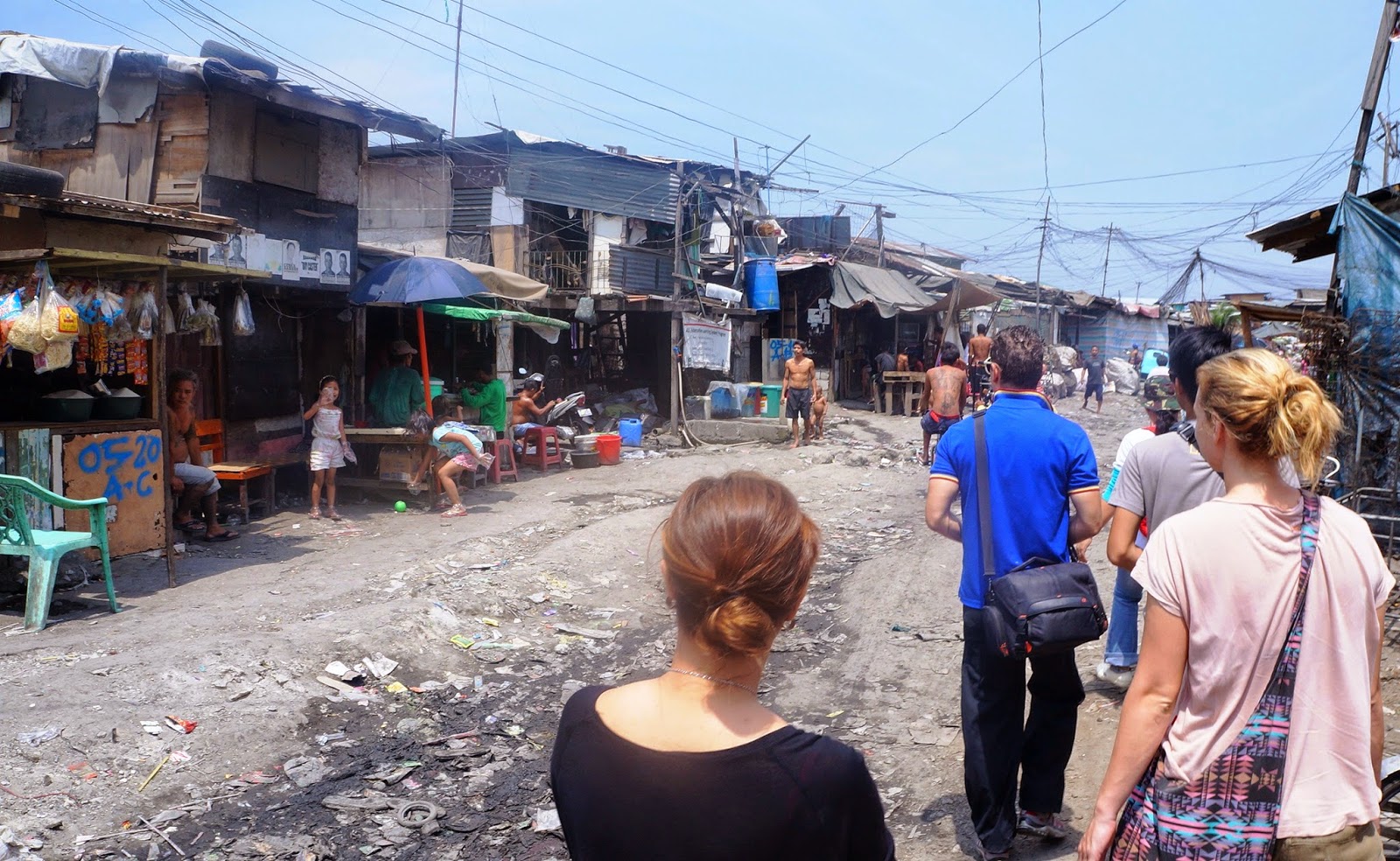
  • Be prepared that Mozambique is one of the poorest and economically less developed countries in the world, so there is a lot of visible poverty.

Updates Mozambique

  • More about Mozambique, updates and contributions, see the link below.
Packing list for Mozambique, travel insurance for Mozambique, and taking your belongings

Packing list for Mozambique, travel insurance for Mozambique, and taking your belongings

What to take with you to Mozambique: spotlighted

Featured items:
  • Documents: passport – preferably valid for at least six months after returning home. Yes, even if you’re only going for a week. Copies and digital backups.
  • Money: cash (metical or dollars) – ATMs are erratic, especially outside the big cities.
  • Care: sunscreen that protects you well and aftersun.
  • Outdoor and practical: good hat/cap for the sun and sunglasses. Umbrella for the rainy season. A buff, scarf or bandana for sun protection.
  • Clothing: lightweight, loose clothing – for example linen, silk or cotton. Light-coloured clothing helps against mosquitoes. Long sleeves and trousers for safaris and the evenings, so you protect yourself from mosquitoes. Swimwear.
  • Shoes: walking boots for walking safaris and shoes that you can walk on the bumpy streets with. Flip-flops or sandals for the evenings/on the beach. Medicines and travel kit: a small first aid kit with plasters, painkillers, anti-diarrhea, hand sanitizer and ORS (dehydration is a thing). Good mosquito repellent.
  • Technology and equipment: world plug with type C/F/M (see also world plug or travel plug) and a power bank.
  • Protection: mosquito net, impregnated mosquito net or mosquito net.
What are some other options for packing as well?
  • Mini binoculars or monocular.
  • Reusable water bottle with filter.
  • Quick-drying travel towel.
  • Headlamp or flashlight, because the power can go out sometimes.
  • Umbrella and rain gear for the rainy season.
  • E-reader or offline entertainment - because there is not wifi (or alcohol) everywhere.
  • International driving license - otherwise you can only dream of road trips along the coast.

What should you keep in mind when traveling to Mozambique with your belongings?

  • That you can get a heavy shower in the rainy season.

Are there mosquitoes in Mozambique?

  • Yes. A lot. And some can spread malaria, dengue and even chikungunya.
  • So they are not just any mosquitoes, they are mosquitoes with a mission. All year round and especially in the rainy season.
  • Sleep under a mosquito net, apply DEET and wear covering clothing.
  • More about protection against mosquitoes and insects.

Are there sandflies in Mozambique?

  • Sand flies are present in Mozambique, but are not a known problem for tourists.
  • Your set of mosquito repellents with DEET can provide a solution in combination with covering clothing, good spray, and not sleeping on the beach without protection.

Can you buy DEET, or other mosquito repellents, in Mozambique?

  • Sometimes you can find mosquito repellents, containing DEET, but availability is unpredictable and often the concentrations are low.
  • So it is better to bring your own, favourite repellent from home.

Can you buy a joint or weed in Mozambique, or take it with you to Mozambique?

  • Officially, cannabis is illegal in Mozambique, and the authorities do not take it lightly. Criminal possession can lead to fines, prison sentences or unpleasant conversations at the police station. So unless you want to extend your holiday with a stay in a Mozambican cell: don't do it.
  • People do smoke - especially among locals in certain areas. But as a foreigner you stand out more, and tourists are checked more often than your local neighbour. And: you never know exactly what you are buying - it could just as easily be banana leaf as imported tree bark.
  • Buy a coconut and enjoy the natural highs.
How does healthcare work in Mozambique, and what travel insurance, health insurance or expat insurance do you need?

How does healthcare work in Mozambique, and what travel insurance, health insurance or expat insurance do you need?

How does the healthcare system work in Mozambique?

What is the quality of healthcare in Mozambique?

  • Mozambique is a country with high poverty levels, as seen in the state of the (public) healthcare. As a result, many people suffer from diseases such as HIV/AIDS or infectious diseases like malaria and tuberculosis. Fortunately, the government is working hard to improve the healthcare system.
  • In Mozambique, public healthcare, private clinics, NGOs, and traditional healers all play a part in the healthcare systems.
  • There is a major difference in quality and access between urban areas (such as Maputo) and rural areas, where facilities, staff, and resources are often scarce.
  • Portuguese is the official language. In private clinics and among expats, English and local languages are also used.
  • Traditional medicine remain very important in many communities. Many families rely on traditional healers (the so called curandeiros), herbal medicine, and local remedies as a first step.
  • There are pharmacies (Farmácia) in the larger cities (Maputo, Beira). Pharmacies in cities usually have more stock, but even there, common medicines can be unavailable or expensive. In rural areas, this problem is often much worse.
  • There is an emergency number (117) for the national ambulance service, but it is not very reliable. In cities, private hospitals often have their own emergency numbers. In rural areas, evacuation by air is sometimes the only option in case of a medical emergency.

How does the public healthcare system work in Mozambique?

  • Public healthcare covers most medical services in the country and is run by the Ministry of Health. It is free for Mozambican citizens, but expats cannot use it.
  • Local health centers (“health centers”) provide basic services such as vaccinations, basic treatments, child healthcare, and simple emergency care.
  • District and regional hospitals can provide more complex care, perform surgeries, and offer inpatient care, but often struggle with long waiting times, shortages of resources, and limited staff.
  • Community health workers play an important role, especially in remote areas — they provide education, basic care, and referrals, and their role has expanded significantly in recent years.
  • Local communities frequently report shortages of medicines, poor hospital conditions, and a lack of electricity, clean water, or even basic hygiene in some clinics.

How does the private healthcare system work in Mozambique?

  • In Maputo and other major cities, there are private hospitals and clinics. These usually have foreign doctors, better facilities, improved hygiene, and English-speaking staff.
  • The private sector is essentially the only option for foreigners in Mozambique.
  • Private healthcare is more expensive and therefore also less accessible to most Mozambicans.
  • Maputo Private Hospital is the best-known private medical facility in the country.
  • Despite the generally higher standard of private care, wealthy locals and foreigners often travel to South Africa for specialist treatment.

How is the general practitioner arranged in Mozambique?

  • There is no GP system. Foreigners usually visit a private clinic or hospital when they need medical attention.
  • In urban areas, you can find private doctors for routine care, but in rural areas they are hard to find.

How is the dentist arranged in Mozambique?

  • There is a limited number of dental clinics, most of which are located in Maputo.
  • Some dental clinics in Maputo have relatively good care.
  • Specialized dentistry (e.g. implants, orthodontics) is scarce or unavailable. Expats and wealthy locals often travel abroad for advanced dental care.

How is pregnancy care arranged in Mozambique?

  • Mozambique has made significant progress in maternal healthcare: more births now take place in medical facilities, which has helped reduce maternal mortality.
  • Many women attend prenatal check-ups, but quality varies widely. In rural areas, access is often difficult due to distance, transport costs, and a lack of clinics.
  • For high-risk pregnancies, complications, or premature births, specialized care is often limited, especially outside the major cities.
  • Traditional birth attendants still play a role in many areas, sometimes out of necessity, sometimes out of tradition.
  • Most maternity care is concentrated in Maputo, in private hospitals. However, not all hospitals provide maternity services.
  • Because of the health risks and the state of local healthcare, many foreigners choose to have their pregnancy and/or delivery abroad.

How safe or unsafe is a trip or stay in Mozambique?

What should you pay attention to in terms of safety in Mozambique?

  • In some areas, especially in the north (Cabo Delgado), there are security issues such as armed conflict, kidnappings, and political instability.
  • Street crime, pickpocketing, and theft are common in cities, especially in crowded neighborhoods, markets, and poorly lit areas.
  • Political protests or unrest can occur unexpectedly; check and monitor official travel advisories and local news.

What should you look out for in terms of diseases in Mozambique?

  • Mozambique has a high disease burden from infectious diseases such as malaria, tuberculosis, and HIV/AIDS.
  • Other risks include diarrhoeal diseases, parasitic infections, and problems related to drinking water and sanitation.
  • Tap water is therefore not safe to drink.

What should you pay attention to when it comes to traffic in Mozambique?

  • Roads can be in poor condition, especially outside urban areas; unpaved roads, lack of street lighting, mud, and river crossings during the rainy season are common.
  • Public transport is often unreliable: buses and minibuses are cheap but crowded, poorly maintained, and not very safe.
  • Night-time travel is not recommended in rural or remote areas.

What work and travel insurance policies are suitable for short and long stays in Mozambique?

  • Is the trip to Mozambique and your return sufficiently covered? Are you sufficiently covered before, during and after your activities? Which insurance best suits your trip and your activity? Read more about insurances for abroad on JoHoinsurances.org.

What emigration and expat insurance can you take out for Mozambique if you are going to live there for a while?

  • Private health insurance is not mandatory in Mozambique, but due to the high cost of private healthcare and the significant chance of needing medical evacuation or repatriation, it is absolutely essential.
  • If you have private insurance, you can choose your own doctor in Mozambique.
  • Read more about insurances for abroad on Expatinsurances.org.

Image ACTIVITIES

Check courses, jobs, projects, recipes, suggestions and tips related to: 'Mozambique'

ACTIVITIES
CHECK MORE ACTIVITIES

Select any filter and click on Apply to see results

Activities abroad: home bundle

Main content and contributions for activities abroad

,,,accommodations, adventure activities, courses, internships, jobs and volunteer projects

...to help another, travel with care, work together , learn

........Read more
Activities abroad: home page

Activities abroad: home page

From language courses to gap year abroad, from work experience to volunteering abroad, from paid work to internship abroad, from mountaineering to diving and from backpacking to travel around the world

    What social activities can you do abroad?

    • Opportunities are found in the areas of helping, learning or studying. You can get involved to volunteer in a social project at a school in Africa, Asia or Latin America. You can get involved in nature, in a project with animals or cleaning the sea or beaches. Those who want to learn more can choose for example a language course in Latin America, Spain or South Africa.

    What work related activities can you do abroad?

    • If you want to gain work experience, and/or also earn money, go and work abroad. You can combine backpacking in Australia with temporary work. You can work on campsites in Europe or bush camps in Africa. You can pretty much go all over the world to work in the hospitality industry, hotels and hostels, in the healthcare sector or for example at a diving school.

    What sports activities to do abroad?

    • Have you ever thought of mountain biking, rafting (going down a wild river on a raft or rubber dinghy, climbing or canoeing), survival (which involves building rafts, climbing or canoeing), abseiling (descending a rock face while secured to ropes), zip-lining (whizzing down a cable), canyoning (starting at the top of a river and then climbing, swimming, diving down the bed) or caving (scrambling, wriggling and crawling through caves and crevices)?
    • Maybe you feel more comfortable on a bodyboard (on a half-wave surfboard, you surf the high waves lying down-with flippers), on a hang glider or while paragliding (with a parachute you float down a mountain or dune), hydrospeeding (on a bodyboard with flippers and a wetsuit on you go down a wild river via rapids) or Tiefschneeskiing (racing down through powder snow)?

    Check the pages below for more activities and inspiration and where to go and how to arrange it

      Image STORIES

      Check blogs, experiences and information related to: 'Mozambique'

      STORIES
      Image

      Wie?

      • Peri Peri Reizen
      Door wie?

      • Oprichters Nelleke Priem en Kees Quist startten Peri Peri Reizen in 2011, na vakantiereizen en vrijwilligerswerk in diverse zuid-Afrikaanse landen
      • Nelleke kwam voor het eerst op het Afrikaanse continent in 2005, toen zij voor 3 ma...

      Image

      Toeristenvisum Een toeristenvisum kun je persoonlijk of via aangetekende post aanvragen bij de ambassade van Mozambique in Brussel. Een visum kan worden verlengd bij de immigratiebureaus in de grote steden in Mozambique zelf. Dit duurt ongeveer 3 dagen. Je kan een single entry aanvragen (30 dag...

      CHECK MORE STORIES

      Select any filter and click on Apply to see results

      Countries & Destinations: home bundle

      Bundled content, suggestions, stories and tips about the countries and destinations in the world

      ...to help another, travel with care, work together , learn to share and inspire........Read more

      Africa: country bundles

      Africa: country bundles

      Access: 
      Public
      Asia: country bundles

      Asia: country bundles

      Country bundles of Asian countries

      Access: 
      Public
      Europe: country bundles

      Europe: country bundles

      Country bundles of European countries

      Access: 
      Public
      The Caribbean: country bundles

      Image ORGANIZATIONS

      Check sectors and organizations related to: 'Mozambique'

      ORGANIZATIONS
      Nuarro Lodge

      Nuarro Lodge is an ecolodge in northern Mozambique that offers various underwater activities.

      Let's Go Africa

      Let's Go Africa is een Nederlandse bemiddelingsorganisatie voor stages en vrijwilligerswerk in Afrika. Het doel van de organisatie is om studenten, vrijwilligers en jonge professionals wereldwijd in contact te brengen met lokale projecten en organisaties in Afrika.

      Image

      Let’s Go Africa is a small scale, personal and innovative mediation agency with a unique placement programme for everyone that wants to experience a meaningful internship, minor or volunteer work in Africa. Noor and Roel van Hout have extensive work and life experience in Africa since 2006 and...

      African Impact

      This South African organization mediates volunteer work and internship opportunities at various projects in different African countries. Such as assisting a local doctor in Zambia with the daily work or conducting research into whale behavior in Mozambique. There are many opportunities to work in Af...

      CHECK MORE ORGANIZATIONS

      Select any filter and click on Apply to see results

      Organizations & Services: home bundle

      Bundled content, suggestions, stories and tips about organizations and their products and services

      ...to help another, travel with care, work together, learn to share and inspire with

      ........Read more
      Organizations: home page
      Organizations: for administrative, tax and legal work and consulting
      Organizations: for agriculture, grape picking, farming and vineyards
      Organizations: for animal protection, animal care and working with wildlife abroad
      Organizations: for au pairs, youth work and child care abroad
      Organizations: for bush camping and working at a campsite abroad
      Organizations: for catering, hospitality and entertainment abroad
      Organizations: for civil society and social work abroad
      Organizations: for corporate business services
      Organizations: for customer services abroad and help desks
      Organizations: for diving, snorkeling and water sports abroad
      Organizations: for education and schools abroad
      Organizations: for expatriate insurances, travel insurances, and emergency call centers
      Organizations: for gap year activities abroad and sabbaticals
      Organizations: for internship placement abroad
      Organizations: for insurances and finance abroad
      Organizations: for IT, engineering and construction
      Organizations: for language travel and language teaching abroad
      Organizations: for marketing, communication and PR
      Organizations: for mediation in au pairs, childcare and elderly care in the Netherlands
      Organizations: for moving, international relocation and transport abroad
      Organizations: for nature conservation, environmental protection and working in nature abroad
      Organizations: for nonprofit projects, development work and international cooperation
      Organizations: for online work as digital nomad, freelancer, or independent entrepreneur from abroad
      Organizations: for outdoor activities and sports
      Organizations: for providing accommodation and hospitality work in hotels, guesthouses, ecolodges and hostels abroad
      Organizations: for providing healthcare and working in medical care abroad
      Organizations: for psychological assistance and mental health care abroad
      Organizations: for real estate, brokerage abroad and property rental abroad
      Organizations: for research and scientific work abroad
      Organizations: for student support and student associations
      Organizations: for tour guidance and adventure tours abroad
      Organizations: for tourism and organized travel and leisure work abroad
      Organizations: for voluntary work mediation and project placement abroad
      Organizations: for yacht and shipping crew and working on a cruise ship abroad

      Image SUMMARIES

      Check summaries and study assistance related to: 'Mozambique'

      CHECK MORE SUMMARIES

      Select any filter and click on Apply to see results

      Image

      SPOTLIGHT & FAVORITES

      FAVORITES
      African Impact

      This South African organization mediates volunteer work and internship opportunities at various projects in different African countries. Such as assisting a local doctor in Zambia with the daily work or conducting research into whale behavior in Mozambique. There are many opportunities to work in Af...

      SIW

      SIW is een Nederlandse vrijwilligersorganisatie die Nederlandse vrijwilligers naar projecten over heel de wereld zendt, en buitenlandse vrijwilligers op diverse projecten in Nederland ontvangt. Heb je een tussenjaar, wil je eens iets anders of wil je misschien ervaring opdoen en wil je voor korte of...

      Safety, insurances and packing list for Mozambique

      Packing list for Mozambique, travel insurance for Mozambique, and taking your belongings

      Packing list for Mozambique, travel insurance for Mozambique, and taking your belongings

      What to take with you to Mozambique: spotlighted

      Featured items:
      • Documents: passport – preferably valid for at least six months after returning home. Yes, even if you’re only going for a week. Copies and digital backups.
      • Money: cash (metical or dollars) – ATMs are erratic, especially outside the big cities.
      • Care: sunscreen that protects you well and aftersun.
      • Outdoor and practical: good hat/cap for the sun and sunglasses. Umbrella for the rainy season. A buff, scarf or bandana for sun protection.
      • Clothing: lightweight, loose clothing – for example linen, silk or cotton. Light-coloured clothing helps against mosquitoes. Long sleeves and trousers for safaris and the evenings, so you protect yourself from mosquitoes. Swimwear.
      • Shoes: walking boots for walking safaris and shoes that you can walk on the bumpy streets with. Flip-flops or sandals for the evenings/on the beach. Medicines and travel kit: a small first aid kit with plasters, painkillers, anti-diarrhea, hand sanitizer and ORS (dehydration is a thing). Good mosquito repellent.
      • Technology and equipment: world plug with type C/F/M (see also world plug or travel plug) and a power bank.
      • Protection: mosquito net, impregnated mosquito net or mosquito net.
      What are some other options for packing as well?
      • Mini binoculars or monocular.
      • Reusable water bottle with filter.
      • Quick-drying travel towel.
      • Headlamp or flashlight, because the power can go out sometimes.
      • Umbrella and rain gear for the rainy season.
      • E-reader or offline entertainment - because there is not wifi (or alcohol) everywhere.
      • International driving license - otherwise you can only dream of road trips along the coast.

      What should you keep in mind when traveling to Mozambique with your belongings?

      • That you can get a heavy shower in the rainy season.

      Are there mosquitoes in Mozambique?

      • Yes. A lot. And some can spread malaria, dengue and even chikungunya.
      • So they are not just any mosquitoes, they are mosquitoes with a mission. All year round and especially in the rainy season.
      • Sleep under a mosquito net, apply DEET and wear covering clothing.
      • More about protection against mosquitoes and insects.

      Are there sandflies in Mozambique?

      • Sand flies are present in Mozambique, but are not a known problem for tourists.
      • Your set of mosquito repellents with DEET can provide a solution in combination with covering clothing, good spray, and not sleeping on the beach without protection.

      Can you buy DEET, or other mosquito repellents, in Mozambique?

      • Sometimes you can find mosquito repellents, containing DEET, but availability is unpredictable and often the concentrations are low.
      • So it is better to bring your own, favourite repellent from home.

      Can you buy a joint or weed in Mozambique, or take it with you to Mozambique?

      • Officially, cannabis is illegal in Mozambique, and the authorities do not take it lightly. Criminal possession can lead to fines, prison sentences or unpleasant conversations at the police station. So unless you want to extend your holiday with a stay in a Mozambican cell: don't do it.
      • People do smoke - especially among locals in certain areas. But as a foreigner you stand out more, and tourists are checked more often than your local neighbour. And: you never know exactly what you are buying - it could just as easily be banana leaf as imported tree bark.
      • Buy a coconut and enjoy the natural highs.
      How does healthcare work in Mozambique, and what travel insurance, health insurance or expat insurance do you need?

      How does healthcare work in Mozambique, and what travel insurance, health insurance or expat insurance do you need?

      How does the healthcare system work in Mozambique?

      What is the quality of healthcare in Mozambique?

      • Mozambique is a country with high poverty levels, as seen in the state of the (public) healthcare. As a result, many people suffer from diseases such as HIV/AIDS or infectious diseases like malaria and tuberculosis. Fortunately, the government is working hard to improve the healthcare system.
      • In Mozambique, public healthcare, private clinics, NGOs, and traditional healers all play a part in the healthcare systems.
      • There is a major difference in quality and access between urban areas (such as Maputo) and rural areas, where facilities, staff, and resources are often scarce.
      • Portuguese is the official language. In private clinics and among expats, English and local languages are also used.
      • Traditional medicine remain very important in many communities. Many families rely on traditional healers (the so called curandeiros), herbal medicine, and local remedies as a first step.
      • There are pharmacies (Farmácia) in the larger cities (Maputo, Beira). Pharmacies in cities usually have more stock, but even there, common medicines can be unavailable or expensive. In rural areas, this problem is often much worse.
      • There is an emergency number (117) for the national ambulance service, but it is not very reliable. In cities, private hospitals often have their own emergency numbers. In rural areas, evacuation by air is sometimes the only option in case of a medical emergency.

      How does the public healthcare system work in Mozambique?

      • Public healthcare covers most medical services in the country and is run by the Ministry of Health. It is free for Mozambican citizens, but expats cannot use it.
      • Local health centers (“health centers”) provide basic services such as vaccinations, basic treatments, child healthcare, and simple emergency care.
      • District and regional hospitals can provide more complex care, perform surgeries, and offer inpatient care, but often struggle with long waiting times, shortages of resources, and limited staff.
      • Community health workers play an important role, especially in remote areas — they provide education, basic care, and referrals, and their role has expanded significantly in recent years.
      • Local communities frequently report shortages of medicines, poor hospital conditions, and a lack of electricity, clean water, or even basic hygiene in some clinics.

      How does the private healthcare system work in Mozambique?

      • In Maputo and other major cities, there are private hospitals and clinics. These usually have foreign doctors, better facilities, improved hygiene, and English-speaking staff.
      • The private sector is essentially the only option for foreigners in Mozambique.
      • Private healthcare is more expensive and therefore also less accessible to most Mozambicans.
      • Maputo Private Hospital is the best-known private medical facility in the country.
      • Despite the generally higher standard of private care, wealthy locals and foreigners often travel to South Africa for specialist treatment.

      How is the general practitioner arranged in Mozambique?

      • There is no GP system. Foreigners usually visit a private clinic or hospital when they need medical attention.
      • In urban areas, you can find private doctors for routine care, but in rural areas they are hard to find.

      How is the dentist arranged in Mozambique?

      • There is a limited number of dental clinics, most of which are located in Maputo.
      • Some dental clinics in Maputo have relatively good care.
      • Specialized dentistry (e.g. implants, orthodontics) is scarce or unavailable. Expats and wealthy locals often travel abroad for advanced dental care.

      How is pregnancy care arranged in Mozambique?

      • Mozambique has made significant progress in maternal healthcare: more births now take place in medical facilities, which has helped reduce maternal mortality.
      • Many women attend prenatal check-ups, but quality varies widely. In rural areas, access is often difficult due to distance, transport costs, and a lack of clinics.
      • For high-risk pregnancies, complications, or premature births, specialized care is often limited, especially outside the major cities.
      • Traditional birth attendants still play a role in many areas, sometimes out of necessity, sometimes out of tradition.
      • Most maternity care is concentrated in Maputo, in private hospitals. However, not all hospitals provide maternity services.
      • Because of the health risks and the state of local healthcare, many foreigners choose to have their pregnancy and/or delivery abroad.

      How safe or unsafe is a trip or stay in Mozambique?

      What should you pay attention to in terms of safety in Mozambique?

      • In some areas, especially in the north (Cabo Delgado), there are security issues such as armed conflict, kidnappings, and political instability.
      • Street crime, pickpocketing, and theft are common in cities, especially in crowded neighborhoods, markets, and poorly lit areas.
      • Political protests or unrest can occur unexpectedly; check and monitor official travel advisories and local news.

      What should you look out for in terms of diseases in Mozambique?

      • Mozambique has a high disease burden from infectious diseases such as malaria, tuberculosis, and HIV/AIDS.
      • Other risks include diarrhoeal diseases, parasitic infections, and problems related to drinking water and sanitation.
      • Tap water is therefore not safe to drink.

      What should you pay attention to when it comes to traffic in Mozambique?

      • Roads can be in poor condition, especially outside urban areas; unpaved roads, lack of street lighting, mud, and river crossings during the rainy season are common.
      • Public transport is often unreliable: buses and minibuses are cheap but crowded, poorly maintained, and not very safe.
      • Night-time travel is not recommended in rural or remote areas.

      What work and travel insurance policies are suitable for short and long stays in Mozambique?

      • Is the trip to Mozambique and your return sufficiently covered? Are you sufficiently covered before, during and after your activities? Which insurance best suits your trip and your activity? Read more about insurances for abroad on JoHoinsurances.org.

      What emigration and expat insurance can you take out for Mozambique if you are going to live there for a while?

      • Private health insurance is not mandatory in Mozambique, but due to the high cost of private healthcare and the significant chance of needing medical evacuation or repatriation, it is absolutely essential.
      • If you have private insurance, you can choose your own doctor in Mozambique.
      • Read more about insurances for abroad on Expatinsurances.org.

      Image ALL CONTENT

      Search all related content within the topic: 'Mozambique'

      ALL CONTENT WITHIN TOPIC

      Select any filter and click on Apply to see results

      Check or search within: topics, countries and studies only

      Search only via club, country, goal, study, topic or sector

      Image

      TOPICS : check associated topics and more activities

      Selected Worldsupporter pages in relation with the topic
      Themes: main theme pages for activities abroad (intern, study, travel, volunteer, work or emigrate)

      WorldSupporter Theme pages for activities abroad

      Intern, study, travel, volunteer, work or emigrate

      Activities Abroad - Theme
      Best travel time for weather, climate and activities abroad, and the worst time to go!
      Backpacking and travel your way around the world - Theme
      Emigration and moving abroad - Theme
      Gap Year, Time out and Sabbatical - Theme
      Internship Abroad - Theme
      Learning languages and language courses abroad - Theme
      Remote working abroad and digital nomads - Theme
      Study Abroad - Theme
      Teaching Abroad and Working in Education - Theme
      Travel insurances and insurances for long term abroad - Theme
      Travel gear and packing lists for going abroad - Worldsupporter Theme
      Volunteer abroad - Theme
      Work abroad and working holidays - Theme
      Stay safe and insured
      Go abroad!