Travel to Colombia to backpack, study, intern, volunteer, work, or live as a digital nomad, expat or emigrant?

Image

Image
 Colombia

Intro

Backpacking in Colombia?

  • A beautiful and challenging destination with jungles, mountains, beaches, culture clashes, natural areas and entertainment hotspots. All relatively close to each other and in a mixed society.
  • Characteristics: something for everyone, relatively cheap, lots of backpackers, somewhat unsafe at times.   

Traveling in Colombia?

  • A country with many faces, in terms of climate, nature, music and dance. Travel from Caribbean coast through the jungle to the high Andes or visit the opposites Cartagena and Medellin, for example.
  • City spotting: Bogota, Medellin, Cartagena, Cali, Barranquilla, Santa Marta, Manizales. 
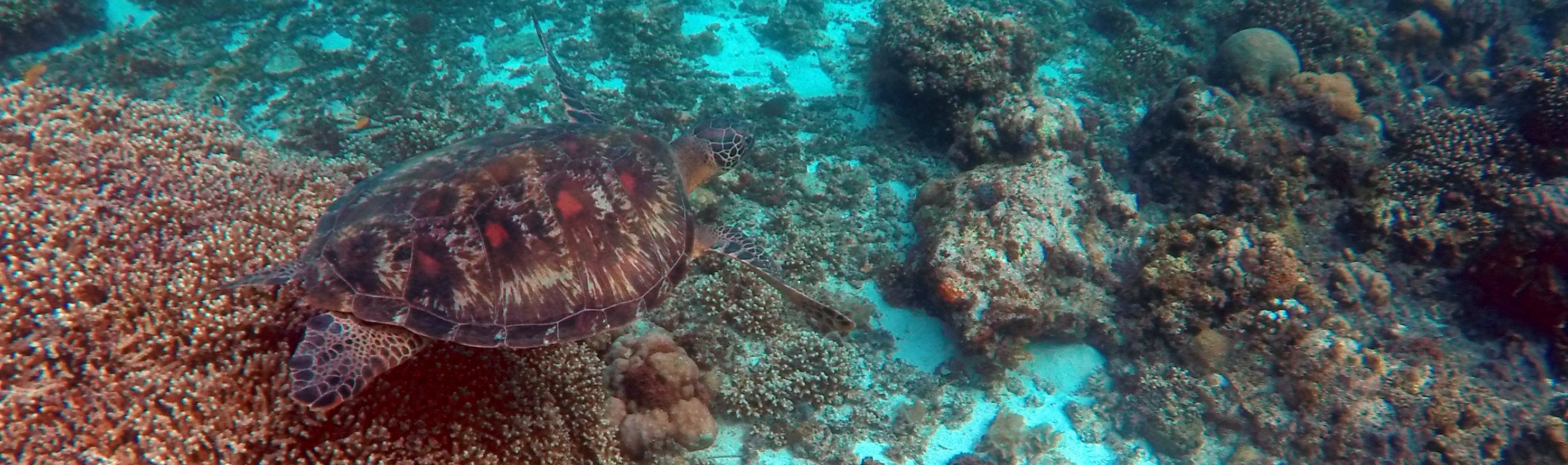
  • Activities spotting: Explore historic cities, bizarre nature, see the country from above while paragliding, visit the famous coffee plantations, experience one of the most colorful carnivals in the world, learn to salsa dance, visit beautiful beaches and dive or snorkel the water. 
  • Nature spotting: from tropical rainforests and vast deserts to breathtaking mountain landscapes. For example, visit Tayrona National park, Rosario Islands, Caño Cristales, Los Nevados National Park, the Tatacoa Desert, the Amazon and the Sierra Nevada de Santa Marta. 
  • Animal spotting: an awful lot, including the Andean condor, jaguar, pink river dolphin, caiman turtle, harpy (bird of prey), poison frogs, the lazy sloth, howler monkeys and the spectacle bear. 

Studying in Colombia?

  • Education in Colombia: the quality of education is good in Colombia, especially at Universidad Los Andes and Universidad Nacional de Colombia. The cost is also relatively low compared to the Netherlands, especially if you can get your hands on a government scholarship. 
  • Language: Spanish.  
  • Studies: there is a wide range of educational opportunities. 
  • Study cities: Medellin & Bogota. 
  • Study culture: students have access to a wide range of facilities such as libraries, labs, sports facilities, and student clubs. There is a strong emphasis on community and collaboration, both inside and outside the classrooms. In addition, there is considerable contact with universities abroad. 
  • Language Learning: You can learn Spanish at universities, language institutes, and through private tutors, among other places.  

Internship in Colombia?

  • Internships: popular sectors are environment and conservation, education and research, health care, agriculture and work with NGOs, but internships can be found in other sectors as well.
  • Internship cities: Bogotá, Medellín, Cali, Cartagena. 
  • Characteristics: If your Spanish is not pretty good, your chances are pretty slim. Other than that, most sectors are open to internships.
  • Competencies: Spanish, international cooperation, subject-specific knowledge (e.g. of nature/environment).

Doing volunteer work in Colombia?

  • Especially in education, healthcare, organic farming and conservation projects.
  • Animal/nature projects: stray animals, conservation projects, wildlife protection and rehabilitation. 
  • Characteristics: both short and long volunteer work is possible. 

Work in Colombia?

  • Jobs: in terms of work, popular sectors for foreigners are (English) education, multinational companies, health care, IT, tourism and work for NGOs. 
  • Work culture: personal relationships with friends and colleagues are very important in Colombia, while time and punctuality are a lot less so. So greet everyone, everywhere (yes really) and don't feel offended if a colleague is late, this is quite normal! Furthermore, personal hygiene is also extremely important, dress to impress (formally!).
  • Characteristics: there are quite a few options for foreigners and if you find a job then come dressed formally, be cordial in your dealings and don't pay too much attention to time. 

Working as a digital nomad in Colombia?

  • Colombia is becoming increasingly popular among digital nomads, with regular events and meetups. 
  • Favorite locations: Working online is excellent in digital nomad hotspot Medellin, but it's also great to work from sunny coastal towns (Santa Marta, Bocachica, among others).
  • Features: costs are low, there are many options for affordable accommodations, in the cities you will find many modern amenities and the Internet is good. You can also meet many other digital nomads and travelers. 

Living in Colombia?

  • Whether you are running a lodge in the Andes, a project in the Amazon, or a tour company in Cartagena, with a good knowledge of Spanish, a good dose of love for South American culture, and occasional nerves of steel, you can live and breathe beautifully in Colombia.
  • Language: Spanish.
  • Quality of life: as the second most biodiverse country in the world, Colombia has a lot to offer. Combined with wonderfully friendly and hospitable people, you can have a great time here. You are provided with everything you need, can undertake many activities and life goes on at a more leisurely pace. 
  • Culture: Hospitality and social relations are key! This is reflected in the many festivals and celebrations such as Carnival, Feria de las Flores and Day of the Dead. There is a lot of dancing and music, which is very special to experience. These aspects therefore play a central role in life in Colombia.  
  • Features: The people make Colombia, at first glance not very exciting (Cali) or even ugly cities (Barranquilla) come alive when you stay there longer. Decades of inequality have provided high quality healthcare and education for locals and expats with good salaries.
  • Health care: the quality of health care is very high, especially in the cities, with both public and private institutions. Do arrange your own (international) health insurance well.


Supporting content

Colombia Country Bundle: suggestions, stories and tips
Colombia Country Bundle: suggestions, stories and tips

Image

Content about Colombia on WorldSupporter

What are typical South American remarkable holidays and holiday habits?

What are typical South American remarkable holidays and holiday habits?

What are typical South American remarkable holidays and holiday habits?

  • Silvester evening is the last night in the year, the 31st of december. Silvester is the name of a holy pope. In general after midnight fireworks are burned. It comes from the belief that firework will keep ghosts away. 

What are remarkable holidays in Colombia?

  • Colombia's holidays reflect the Catholic history and heritage, providing opportunities for both religious observance and national celebration.
  • Colombia's Independence Day is celebrated extensively on July 20 with concerts, parades and costume parties.
  • It is sometimes said that the carnival of Barranquilla is the most colorful carnival in the world. In any case, after the carnival in Rio, it is the one with the most visitors. Every year in January, it celebrates for 4 days. 
  • During La Feria de Cali from December 25 to 30, the city of Cali turns into one big party. People flock from all over the country for the horse parades, beautiful women, bullfights and delicious food. The essence of the party is salsa, here the best salsa in the world is danced by professionals and accompanied by the most famous Salsa orchestras of Colombia and other South American countries.
  • Flower Festival of Medellín: For several days a year, the city of Medellín in the Andean region is one big Sea of Flowers. During this 10-day celebration in August, all balconies, terraces and gardens are covered with flowers.
  • The superstition with new year is: wear yellow underwear, that makes the next year for sure financial beneficial. You know what you gotta do!

What are remarkable holidays in Ecuador?

  • In Ecuador holidays are a vibrant blend of indigenous traditions and Catholic influences.
  • With el ano Viejo and Nuevo ano (new year) men dress as widows to mourn the passing year. It is meant to be done with humor and fun.
  • The Ecuadorians wear yellow underwear with new year, that makes the next year financially well.
  • Carnival is a time of joy and playfulness it is celebrated with water fights and foam sprays. Parades are lively and colourful.
  • The festival of the sun (Inti Raymi) honours Mother Earth (Pachamama) and celebrates the winter solstice. It is a celebration with offerings, traditional dance and music.

What are remarkable holidays in Mexico?

  • On average, there are four holidays per month in Mexico. Each day on the calendar is actually a holiday in Mexico. Calendar days are dedicated to saints with names. Also called “name days.” It's similar to a birthday. If you, as a Mexican, have the same name as the saint the day is named after, you are congratulated and receive gifts. For example, June 24 is the name day of San Juan.
  • Constitution Day is a national holiday in Mexico. Originally, Feb. 5 was the fixed date for this. In 1857 and 1917, Mexican constitutions were adopted on this date. In 2006, it was decided to celebrate it on the first Tuesday of the year.
  • On May 5, Mexicans celebrate the day Mexico defeated a French army in the Battle of Puebla. The discovery of America by Columbus used to be celebrated grandly in Mexico. However, after 300 years of misery by Europeans, it was decided to celebrate something else on Oct. 12. Today, Mexico celebrates Race Day. This refers to the new race that emerged from the Europeans and the Indians.
  • In Mexico, they celebrate the “Day of the Dead” (El Dia de los Muertos). Also called All Saints' Day and All Souls' Day. This national holiday is on November 1 and 2, and Mexicans celebrate on this day that the dead come back to earth to visit the living. The dead are then the guests of the living on that day. Cemeteries are crowded, picnics are held at gravesites and skulls are used as decorations. Bakers sell the bread of death on this festive day.
  • December 12 is the most important holiday in Mexico. Mexicans then celebrate the national feast of the Virgin of Guadalupe. This patron saint of Mexico is said to have been beheld as a Marian apparition in 1531 by Saint Juan Diego Cuauhtlatoatzin. Pilgrims in Mexico walk with torches and wear tunic referring to Juan Diego's clothing. Tens of thousands of Mexicans climb the mountain that day to the basilica “Iglesia de Guadalupe” in Mexico City. All day in Mexico there is celebration with music and fireworks.
  • Christmas starts in Mexico on the 16th of december with the "Posadas", which are processions through the streets with plays of the story of Maria and Joseph. Every evening ends with a feast and breaking of a pinata. On Nochebuena, christmas eve, diner is served with tamales, bacalao, and ponche (fruitpunch). After dinner a lot of people go to Misa de Gallo, a mis at church, followed with firework. 
How does healthcare work in Colombia, and what travel insurance, health insurance or expat insurance do you need?

How does healthcare work in Colombia, and what travel insurance, health insurance or expat insurance do you need?

How does the healthcare system work in Colombia?

  • Colombia has a surprisingly well-organized health care system that has improved significantly in recent decades; in fact, it is one of the best in the world. The combination of public and private healthcare systems offers extensive options to locals and emigrants alike. 
  • In fact, the country is often praised for its medical care and has become a hotspot for medical tourism, especially for dental and cosmetic treatments.
  • The quality varies depending on the region. In large cities such as Bogotá, Medellín and Cali, public care is of high quality, but in rural areas it can be limited.
  • As a resident of Colombia, you are required to enroll in the EPS (Entidades Promotoras de Salud), the public health care system, where part of your salary is used as a health care premium. As expats, however, you can get out of this, but then you have to prove that you are insured in some other way.
  • So most foreigners bring their own, private health insurance with them because it offers more coverage and freedom of choice. 
  • To apply to the EPS, you must have a visa that allows you to become a resident. Then you go to an immigration (Migración) office where you sign up for an identity card (cédula). After that, you have to wait two to four weeks for the ID, with which you can then apply to the EPS. To do this, you must first find your own insurance administrator affiliated with it. It can be helpful for the whole process to bring a Spanish-speaking person with you if you don't speak the language yourself....

How does the public healthcare work in Colombia?

  • The public healthcare system in Colombia is managed through the Sistema General de Seguridad Social en Salud (SGSSS). Expats with a residence permit can enroll in one of the public health care programs, the EPS (Entidades Promotoras de Salud).
  • Public healthcare is very affordable. Employees contribute through their salaries (12.5%, or 4% when employed by a Colombian company), and care is largely covered, including hospitalizations and medications.
  • English-speaking doctors in public care are scarce. In urban areas it is easier to find a doctor who speaks English, but in rural areas Spanish is essential.

How does the private healthcare work in Colombia?

  • The private healthcare sector in Colombia is excellent and a popular alternative for emigrants. Many private hospitals and clinics offer top-quality services and short waiting times.
  • Private care is more expensive, but still significantly cheaper than in the U.S. or Europe. A consultation often costs as little as €30-€50, depending on the specialist.
  • Expats often choose private care because of the faster service and wider availability of English-speaking specialists.

How is the general practitioner arranged in Colombia?

  • If you are affiliated with the EPS, you will often be assigned an IPS (Institucion Prestadora de Salud). This is usually a local healthcare facility where you can see a family doctor. 
  • If you have private insurance, you will find family doctors at the various private institutions, especially in the big cities, who can help you and refer you if necessary. 

How is the dentist arranged in Colombia?

  • Dental visits are generally covered by the EPS. You will find the dentist in an IPS - your local health care center. 
  • You can also visit private institutions.  
  • In fact, dental care is one of Colombia's (medical) draws. 
  • Dental treatments are very affordable. For example, a filling costs around €30-€50 and a crown about €300-€500.

How is the prenatal and pregnancy care arranged in Colombia?

  • Prenatal care is offered extensively through both public and private health care facilities. Many doctors specialize in obstetrics and gynecology.
  • Through the EPS, you are entitled to monthly checks up to and including your 36th week. After that, this expands to once every 15 days until the birth of your child. You are also entitled to tests, vaccinations and ultrasounds, dental care and birth preparation classes. 
  • At the birth, the specialist who helped you throughout the pregnancy is usually present, along with a midwife (partera). 
  • Most deliveries take place in hospitals, with a strong emphasis on medical supervision. Home births are not common, but the system does allow the option of doing so. 
  • Colombia has low maternal and infant mortality rates in urban areas, but they are higher in more remote regions due to limited access to care.
  • After birth, you generally have checkups every two weeks. You will also receive a vaccination booklet (tarjeta de vacunación) for your child. 

How safe or unsafe is a trip or stay in Colombia?

What should you pay attention to in terms of safety in Colombia?

  • Colombia has made significant progress in security in recent years, but it is still important to be vigilant. Petty crime, such as pickpocketing, is common in large cities and public transportation.
  • Avoid remote areas, don't walk the streets at night and be careful when using your phone (they are most commonly nicked) in public places. It is also important to hold your bag securely, and better yet, carry it on your stomach. You will see many women in Colombia doing this by default. 
  • Demonstrations can sometimes turn into unrest. Stay on top of the news and avoid large crowds.
  • Never take any cab off the street and beware of the “paseo millonario” scam and. This involves a cab driver driving past all sorts of ATMs, forcing you to withdraw money and then dumping you at a random spot.
  • So use apps like Uber, DiDi or Beat to get around. 
  • Some neighborhoods are safer than others. In Bogotá, the neighborhoods of Zona T, Usaquén, and Chapinero Alto are generally safer for foreigners, although you still need to be vigilant (and especially in the evening)!
  • There is still a lot of organized crime surrounding drugs (especially cocaine). You run security risks in areas where cocaine, opium or marijuana is grown or processed. In rural areas on the border with Panama, Venezuela and Ecuador, the Parque Nacional Natural de La Macarena and in the ports of Buenaventura, Turbo and Tumaco, these risks are highest. 
  • There is a high risk of earthquakes in Colombia. They occur regularly, especially in the Santander area and the Andes. Landslides and floods can also occur after heavy rains and there are several active volcanoes in the country. 

What should you look out for in terms of diseases in Colombia?

  • There are quite a few tropical mosquito-borne diseases in Colombia. So protect yourself well against mosquitoes, and especially in warm, low-altitude areas. 
  • In higher elevations, altitude sickness can be a problem. So keep a close eye on your symptoms and ring the bell in time! 
  • Tap water is safe in Bogotá, but bottled water is recommended in rural areas, other cities and along the coast.

What should you pay attention to when it comes to traffic in Colombia

  • In urban areas the roads are well maintained, but in rural areas you may encounter poor road conditions, especially during the rainy season.
  • Driving can be chaotic. Traffic is crowded, and driving styles are often unpredictable. Consequently, road accidents are common. 
  • There is also risk of road blocks by militia in remote areas. Main roads are generally safe during the day. 
  • Buses are cheap but often overcrowded. Urban areas such as Bogotá have a TransMilenio bus system, but it is notoriously crowded.
  • Armed robberies on buses occur. 

What work and travel insurance policies are appropriate for short and long stays in Colombia?

  • Is the trip to Colombia and your return sufficiently covered? Are you sufficiently covered before, during and after your activities? Which insurance best suits your trip and your activity? Read more about insurances for abroad on JoHoinsurances.org.

What emigration and expat insurance can you take out for Colombia if you are going to live there for a while?

  • It is mandatory to have health insurance if you want to live in Colombia. This can be done through the EPS, but you may have to wait a long time, or through private insurance. Most expats choose their actual international expat insurance. Read more about insurances for abroad on Expatinsurances.org.
Packing list for Colombia, travel insurance for Colombia, and taking your belongings

Packing list for Colombia, travel insurance for Colombia, and taking your belongings

Packing list for Colombia, travel insurance for Colombia, and taking your belongings

To take or not to take to Colombia, leave at home or arrange locally?
Sufficiently insured or not for your activities in Colombia?
Sufficiently insured or not for your trip to Colombia?

What to bring to Colombia: highlighted

Highlighted items:
  • Documents: passport with 6 months validity, copies.
  • Money: cash in Colombian pesos (COP) for the first few days. Debit card with worldwide coverage.
  • Care: high factor sunscreen – you are at altitude here and/or close to the equator, so you burn faster than you think. Lip balm with SPF (yes, your lips can burn too).
  • Outdoor and handy items: sunglasses and possibly a cap or hat.
  • Clothing: light clothing for the warm regions (coast and the Amazon), a jacket or warm sweater for Bogotá and Medellín.
  • Shoes: good walking shoes for the jungle, mountains or Lost City Trek, sandals or flip-flops for the beach.
  • Medicines and travel pharmacy: a small first aid kit with plasters, painkillers, anti-diarrhea and ORS (dehydration is a thing). Mosquito repellent with DEET or picaridin. Safety: money belt and dummy wallet.
  • Technique and equipment: world plug type A/B (like the US).
What else can you bring:
  • Reusable water bottle with filter, then tap water is just a little safer.
  • Rain gear for the rainy season.
  • Your dance moves.

What knowledge is useful when you go to Colombia?

  • Spanish.
  • Knowledge of the history, customs and culture.

Are there mosquitoes in Colombia?

  • Mosquitoes are present on the coast, in the Amazon and in other tropical areas.
  • They can transmit diseases, so protection is important, especially in the rainy season.

Are there sand flies in Colombia?

  • Sand flies are present in various parts of Colombia and they can transmit leishmaniasis.
  • You are only safe in the provinces of Bogotá D.C., San Andrés Islands and Atlántico.

Can you buy DEET, or other anti-mosquito products, in Colombia?

  • You may be able to find it in major cities in supermarkets and pharmacies, but often in lower concentrations and at a higher price.
  • So it’s best to bring your own favorite drug.

Where can you get food and drinks in Colombia?

  • Supermarkets: Éxito, Carulla (more expensive), D1 (budget), Olímpica.
  • Street food: empanadas, arepas, jugo natural – cheap and often surprisingly tasty. Be careful with hygiene at unofficial stalls.
  • Local markets: perfect for delicious fruit and fresh vegetables.

Can you buy a joint or weed in Colombia, or take it with you to Colombia?

  • Marijuana is partly legal in Colombia and technically decriminalized to a few grams for personal use and a few plants at home, but this is not an invitation.
  • Open use is not appreciated, especially in more conservative areas. The rules can also change at any time.
  • Bringing cannabis into the country is definitely not allowed, and you can be severely punished for it.
Colombia: Updates & Travel

Colombia: Updates & Travel

Travel in Colombia?

  • Colombia is a great country to travel through and has plenty to offer an adventurous traveler. Take a multi-day trek to the lost city called Cuidad Perdida, taste freshly roasted coffee in the green hills of Zona Cafeteria, trek through the Andes and visit the Tatacoa Desert. In metropolises like Bogota, Medellin and Cali you will find churches, museums, as well as plenty of places to dance (salsa) at night. Prefer to chill out? Plenty of places on the Caribbean coast to enjoy a fresh jugo or cold cerveza under a palm tree.
  • Go hiking in northern Colombia, in the protected area of El Cocuy.
  • Take a trip to the Ciudad Perdida and Playa Blanca (beach paradise with donkeys running loose) from the port city of Cartagena.
  • Do one of the jungle treks in the Amazon.
  • Go all-night salsa dancing in Cali, Colombia's most famous salsa dancing spot.
  • Get carried away during carnival in Barranquilla. Only the carnival in Rio de Janeiro is bigger.
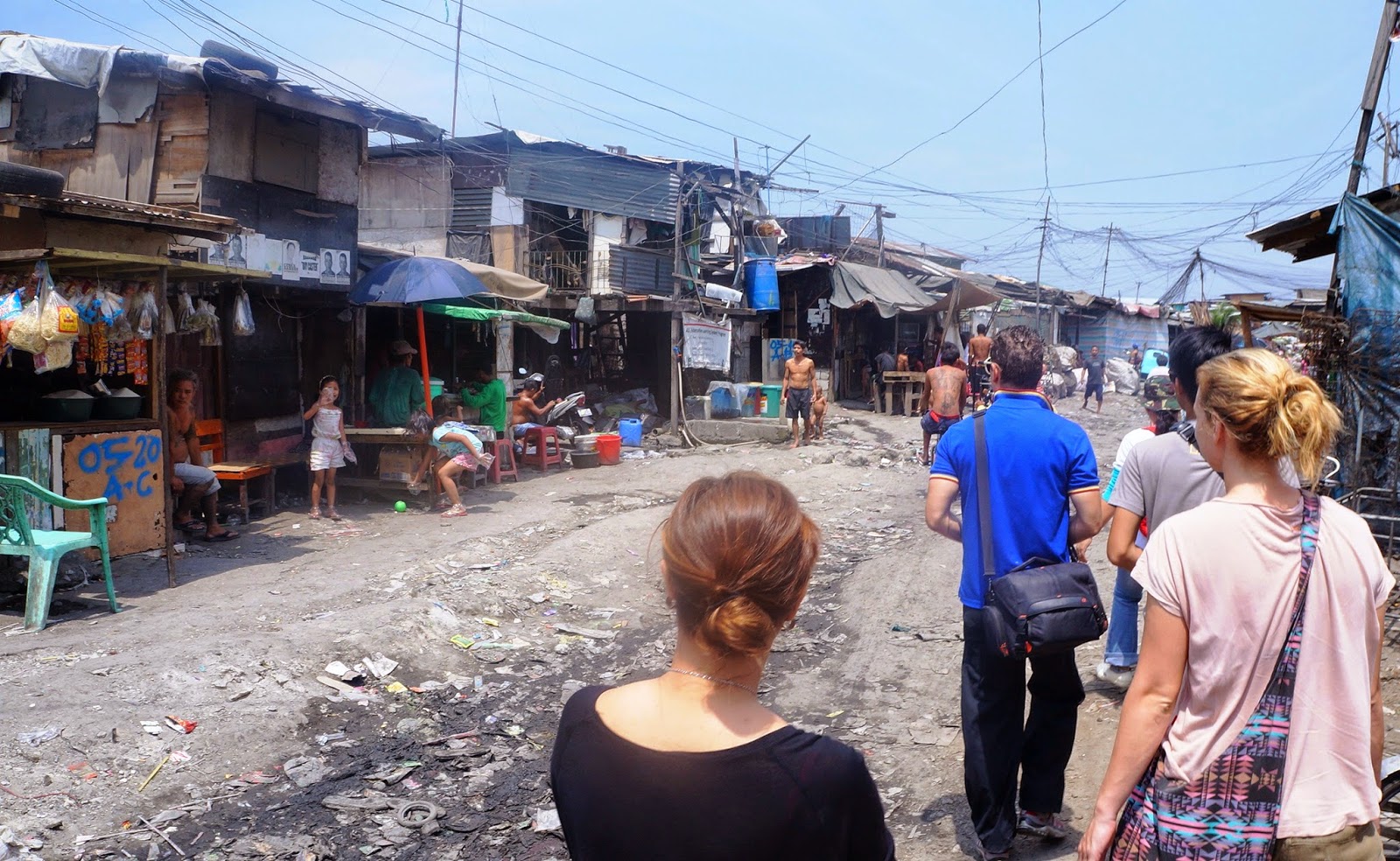
  • In the capital, Bogotá, you can see Colombian contradictions everywhere. The city has futuristic architecture, colonial churches and museums, countless “busetas” (small vans), extravagant stores and roadside stalls. But the vibrant melting pot of cultures also shows its dark side: beggars, drug use, slums and traffic jams.
  • The Indian culture in San Agustín is one of the area's best-known Indian cultures, about which unfortunately little is known because the culture disappeared before the Spaniards came to Colombia. You can learn about a piece of the mysterious culture at an archaeological park in Timaná and Neiva in southwestern Colombia. Here you will find impressive, human-like statues and tomb temples.
  • Ciudad Perdida, also known as “Lost City,” is one of the largest pre-Columbian villages discovered in the Americas. There are about 150 stone terraces built between the 11th and 14th centuries that once served as foundations for houses. Lost City is hidden in a deep, thick forest among mountains and far from the accessible road. A hike there and back will take you six days.
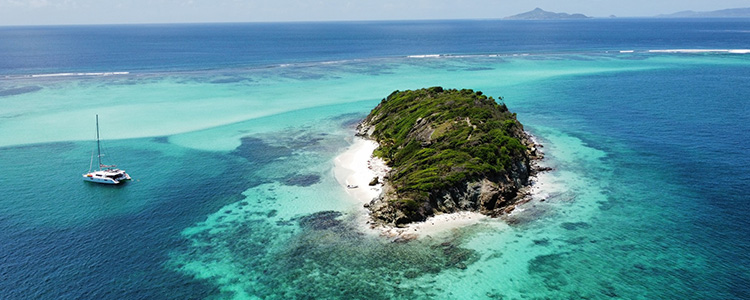
  • San Andrés & Providencia Islands: Despite a tourist explosion, San Andrés & Providencia Islands remain beautiful: turquoise waters, extensive coral reefs and rich marine life. The laid-back lifestyle allows you to escape from hectic city life for a while. The Islas de Rosario also offer superb diving and snorkeling.
  • The port city of Cartagena on the Caribbean Sea played an important role in the past, as well as today. It is an important economic center where you can also see a lot as a traveler. Above all, do not skip the port itself.
  • Be prepared that the enormous inequality in Colombia can be shocking.
  • Do not be alarmed by beggars, drug use, slums and traffic jams, these are also part of Colombia.

Updates Colombia

  • More about Colombia, updates and contributions, see the link below.

Image ACTIVITIES

Check courses, jobs, projects, recipes, suggestions and tips related to: 'Colombia'

ACTIVITIES
Werk mee met de dagelijkse werkzaamheden op een biologische boerderij

Werk mee met de dagelijkse werkzaamheden op een biologische boerderij. Tegen kost en inwoning werk je op het land, met de boerderijdieren of je helpt bij het oogsten van de biologische groenten en fruit. Je verlijft meestal in een eigen ruimte op het erf of bij de familie in huis.

CHECK MORE ACTIVITIES

Select any filter and click on Apply to see results

Activities abroad: home bundle

Main content and contributions for activities abroad

,,,accommodations, adventure activities, courses, internships, jobs and volunteer projects

...to help another, travel with care, work together , learn

........Read more
Activities abroad: home page

Activities abroad: home page

From language courses to gap year abroad, from work experience to volunteering abroad, from paid work to internship abroad, from mountaineering to diving and from backpacking to travel around the world

    What social activities can you do abroad?

    • Opportunities are found in the areas of helping, learning or studying. You can get involved to volunteer in a social project at a school in Africa, Asia or Latin America. You can get involved in nature, in a project with animals or cleaning the sea or beaches. Those who want to learn more can choose for example a language course in Latin America, Spain or South Africa.

    What work related activities can you do abroad?

    • If you want to gain work experience, and/or also earn money, go and work abroad. You can combine backpacking in Australia with temporary work. You can work on campsites in Europe or bush camps in Africa. You can pretty much go all over the world to work in the hospitality industry, hotels and hostels, in the healthcare sector or for example at a diving school.

    What sports activities to do abroad?

    • Have you ever thought of mountain biking, rafting (going down a wild river on a raft or rubber dinghy, climbing or canoeing), survival (which involves building rafts, climbing or canoeing), abseiling (descending a rock face while secured to ropes), zip-lining (whizzing down a cable), canyoning (starting at the top of a river and then climbing, swimming, diving down the bed) or caving (scrambling, wriggling and crawling through caves and crevices)?
    • Maybe you feel more comfortable on a bodyboard (on a half-wave surfboard, you surf the high waves lying down-with flippers), on a hang glider or while paragliding (with a parachute you float down a mountain or dune), hydrospeeding (on a bodyboard with flippers and a wetsuit on you go down a wild river via rapids) or Tiefschneeskiing (racing down through powder snow)?

    Check the pages below for more activities and inspiration and where to go and how to arrange it

      Image STORIES

      Check blogs, experiences and information related to: 'Colombia'

      STORIES
      Verhalenverspreiding, Colombiaanse benefiet, Man in the mirror

      Nog steeds ben ik veel bezig met mijn vrijwilligerswerk in Ghana. Ik kreeg zulke positieve reacties op mijn vrijwilligerswerk, iedereen wilden mijn verhalen weten en foto’s en filmpjes zien. In de klas en op school kon ik hier op verschillende manier gebruik van maken om mijn verhaal te verspr...

      Grappig telefoontje

      Laatst werd ik gebeld door een oud collega die mij graag wilde spreken over het vrijwilligerswerk. Ik wist totaal niet waarom, maar het leek mij leuk haar weer even te spreken. Zij heeft een colombiaanse vriend en samen zoeken ze een nieuwe uitdaging. Hen leek het fantastisch om iets met vrijwillige...

      Image

      Een toeristenvisum is in Colombia niet verplicht voor een verblijf tot 90 dagen. In Colombia zelf kan een verlenging aangevraagd worden voor nog eens 90 dagen. Het aanvragen van een verlenging kost wel veel tijd, wees dus voorbereid op lange wachtrijen en hoog oplopende frustraties. Je kunt ook van ...

      Colombia: Updates & Travel
      • Travel in Colombia?
      • Updates Colombia
      • Travel in Colombia?

        • Colombia is a great country to travel through and has plenty to offer an adventurous traveler. Take a multi-day trek to the lost city called Cuidad Perdida, taste freshly roasted coffee in the green hill...
      CHECK MORE STORIES

      Select any filter and click on Apply to see results

      Countries & Destinations: home bundle

      Bundled content, suggestions, stories and tips about the countries and destinations in the world

      ...to help another, travel with care, work together , learn to share and inspire........Read more

      Africa: country bundles

      Africa: country bundles

      Access: 
      Public
      Asia: country bundles

      Asia: country bundles

      Country bundles of Asian countries

      Access: 
      Public
      Europe: country bundles

      Europe: country bundles

      Country bundles of European countries

      Access: 
      Public
      The Caribbean: country bundles

      Image ORGANIZATIONS

      Check sectors and organizations related to: 'Colombia'

      ORGANIZATIONS
      DE UNA Colombia Tours

      This organization offers multi-day tours, which last between 14 and 31 days on average and go to different places in Colombia. An example is a 14-day trip along the coast of Colombia including a 6-day trek to the lost city. UNA is primarily a business-to-business travel agency. For example, they hel...

      Lustrumfiesta

      Lustrumfiesta is een reisbureau opgericht door vier Nederlanders die reizen in Latijns-Amerika organiseren. De reizen zijn voornamelijk gericht op studentenverenigingen. 

      South America Inside

      South America Inside specializes in organizing stays abroad of various kinds like volunteering, language travel and other educational programs throughout Latin America. South America Inside is the ambitious spin-off of Chile Inside. South America Inside advices to take out the CareMed Internati...

      Casa Loma Minca Hostel

      Casa Loma Minca Hostel offers serene accommodation types embedded in nature, Sierra Nevada in Colombia. Co-working spaces for digital nomads available.

      CHECK MORE ORGANIZATIONS

      Select any filter and click on Apply to see results

      Organizations & Services: home bundle

      Bundled content, suggestions, stories and tips about organizations and their products and services

      ...to help another, travel with care, work together, learn to share and inspire with

      ........Read more
      Organizations: home page
      Organizations: for administrative, tax and legal work and consulting
      Organizations: for agriculture, grape picking, farming and vineyards
      Organizations: for animal protection, animal care and working with wildlife abroad
      Organizations: for au pairs, youth work and child care abroad
      Organizations: for bush camping and working at a campsite abroad
      Organizations: for catering, hospitality and entertainment abroad
      Organizations: for civil society and social work abroad
      Organizations: for corporate business services
      Organizations: for customer services abroad and help desks
      Organizations: for diving, snorkeling and water sports abroad
      Organizations: for education and schools abroad
      Organizations: for expatriate insurances, travel insurances, and emergency call centers
      Organizations: for gap year activities abroad and sabbaticals
      Organizations: for internship placement abroad
      Organizations: for insurances and finance abroad
      Organizations: for IT, engineering and construction
      Organizations: for language travel and language teaching abroad
      Organizations: for marketing, communication and PR
      Organizations: for mediation in au pairs, childcare and elderly care in the Netherlands
      Organizations: for moving, international relocation and transport abroad
      Organizations: for nature conservation, environmental protection and working in nature abroad
      Organizations: for nonprofit projects, development work and international cooperation
      Organizations: for online work as digital nomad, freelancer, or independent entrepreneur from abroad
      Organizations: for outdoor activities and sports
      Organizations: for providing accommodation and hospitality work in hotels, guesthouses, ecolodges and hostels abroad
      Organizations: for providing healthcare and working in medical care abroad
      Organizations: for psychological assistance and mental health care abroad
      Organizations: for real estate, brokerage abroad and property rental abroad
      Organizations: for research and scientific work abroad
      Organizations: for student support and student associations
      Organizations: for tour guidance and adventure tours abroad
      Organizations: for tourism and organized travel and leisure work abroad
      Organizations: for voluntary work mediation and project placement abroad
      Organizations: for yacht and shipping crew and working on a cruise ship abroad

      Image SUMMARIES

      Check summaries and study assistance related to: 'Colombia'

      SUMMARIES
      CHECK MORE SUMMARIES

      Select any filter and click on Apply to see results

      Image

      SPOTLIGHT & FAVORITES

      SPOTLIGHT
      Image

      Een toeristenvisum is in Colombia niet verplicht voor een verblijf tot 90 dagen. In Colombia zelf kan een verlenging aangevraagd worden voor nog eens 90 dagen. Het aanvragen van een verlenging kost wel veel tijd, wees dus voorbereid op lange wachtrijen en hoog oplopende frustraties. Je kunt ook van ...

      FAVORITES
      Verhalenverspreiding, Colombiaanse benefiet, Man in the mirror

      Nog steeds ben ik veel bezig met mijn vrijwilligerswerk in Ghana. Ik kreeg zulke positieve reacties op mijn vrijwilligerswerk, iedereen wilden mijn verhalen weten en foto’s en filmpjes zien. In de klas en op school kon ik hier op verschillende manier gebruik van maken om mijn verhaal te verspr...

      South America Planet

      South America Planet is een Belgisch/Peruviaans reisbureau in Cusco, Peru en is gespecialiseerd in individuele en groepsreizen in Peru, Bolivia, Colombia, Ecuador en Argentinië.

      Safety, insurances and packing list for Colombia

      How does healthcare work in Colombia, and what travel insurance, health insurance or expat insurance do you need?

      How does healthcare work in Colombia, and what travel insurance, health insurance or expat insurance do you need?

      How does the healthcare system work in Colombia?

      • Colombia has a surprisingly well-organized health care system that has improved significantly in recent decades; in fact, it is one of the best in the world. The combination of public and private healthcare systems offers extensive options to locals and emigrants alike. 
      • In fact, the country is often praised for its medical care and has become a hotspot for medical tourism, especially for dental and cosmetic treatments.
      • The quality varies depending on the region. In large cities such as Bogotá, Medellín and Cali, public care is of high quality, but in rural areas it can be limited.
      • As a resident of Colombia, you are required to enroll in the EPS (Entidades Promotoras de Salud), the public health care system, where part of your salary is used as a health care premium. As expats, however, you can get out of this, but then you have to prove that you are insured in some other way.
      • So most foreigners bring their own, private health insurance with them because it offers more coverage and freedom of choice. 
      • To apply to the EPS, you must have a visa that allows you to become a resident. Then you go to an immigration (Migración) office where you sign up for an identity card (cédula). After that, you have to wait two to four weeks for the ID, with which you can then apply to the EPS. To do this, you must first find your own insurance administrator affiliated with it. It can be helpful for the whole process to bring a Spanish-speaking person with you if you don't speak the language yourself....

      How does the public healthcare work in Colombia?

      • The public healthcare system in Colombia is managed through the Sistema General de Seguridad Social en Salud (SGSSS). Expats with a residence permit can enroll in one of the public health care programs, the EPS (Entidades Promotoras de Salud).
      • Public healthcare is very affordable. Employees contribute through their salaries (12.5%, or 4% when employed by a Colombian company), and care is largely covered, including hospitalizations and medications.
      • English-speaking doctors in public care are scarce. In urban areas it is easier to find a doctor who speaks English, but in rural areas Spanish is essential.

      How does the private healthcare work in Colombia?

      • The private healthcare sector in Colombia is excellent and a popular alternative for emigrants. Many private hospitals and clinics offer top-quality services and short waiting times.
      • Private care is more expensive, but still significantly cheaper than in the U.S. or Europe. A consultation often costs as little as €30-€50, depending on the specialist.
      • Expats often choose private care because of the faster service and wider availability of English-speaking specialists.

      How is the general practitioner arranged in Colombia?

      • If you are affiliated with the EPS, you will often be assigned an IPS (Institucion Prestadora de Salud). This is usually a local healthcare facility where you can see a family doctor. 
      • If you have private insurance, you will find family doctors at the various private institutions, especially in the big cities, who can help you and refer you if necessary. 

      How is the dentist arranged in Colombia?

      • Dental visits are generally covered by the EPS. You will find the dentist in an IPS - your local health care center. 
      • You can also visit private institutions.  
      • In fact, dental care is one of Colombia's (medical) draws. 
      • Dental treatments are very affordable. For example, a filling costs around €30-€50 and a crown about €300-€500.

      How is the prenatal and pregnancy care arranged in Colombia?

      • Prenatal care is offered extensively through both public and private health care facilities. Many doctors specialize in obstetrics and gynecology.
      • Through the EPS, you are entitled to monthly checks up to and including your 36th week. After that, this expands to once every 15 days until the birth of your child. You are also entitled to tests, vaccinations and ultrasounds, dental care and birth preparation classes. 
      • At the birth, the specialist who helped you throughout the pregnancy is usually present, along with a midwife (partera). 
      • Most deliveries take place in hospitals, with a strong emphasis on medical supervision. Home births are not common, but the system does allow the option of doing so. 
      • Colombia has low maternal and infant mortality rates in urban areas, but they are higher in more remote regions due to limited access to care.
      • After birth, you generally have checkups every two weeks. You will also receive a vaccination booklet (tarjeta de vacunación) for your child. 

      How safe or unsafe is a trip or stay in Colombia?

      What should you pay attention to in terms of safety in Colombia?

      • Colombia has made significant progress in security in recent years, but it is still important to be vigilant. Petty crime, such as pickpocketing, is common in large cities and public transportation.
      • Avoid remote areas, don't walk the streets at night and be careful when using your phone (they are most commonly nicked) in public places. It is also important to hold your bag securely, and better yet, carry it on your stomach. You will see many women in Colombia doing this by default. 
      • Demonstrations can sometimes turn into unrest. Stay on top of the news and avoid large crowds.
      • Never take any cab off the street and beware of the “paseo millonario” scam and. This involves a cab driver driving past all sorts of ATMs, forcing you to withdraw money and then dumping you at a random spot.
      • So use apps like Uber, DiDi or Beat to get around. 
      • Some neighborhoods are safer than others. In Bogotá, the neighborhoods of Zona T, Usaquén, and Chapinero Alto are generally safer for foreigners, although you still need to be vigilant (and especially in the evening)!
      • There is still a lot of organized crime surrounding drugs (especially cocaine). You run security risks in areas where cocaine, opium or marijuana is grown or processed. In rural areas on the border with Panama, Venezuela and Ecuador, the Parque Nacional Natural de La Macarena and in the ports of Buenaventura, Turbo and Tumaco, these risks are highest. 
      • There is a high risk of earthquakes in Colombia. They occur regularly, especially in the Santander area and the Andes. Landslides and floods can also occur after heavy rains and there are several active volcanoes in the country. 

      What should you look out for in terms of diseases in Colombia?

      • There are quite a few tropical mosquito-borne diseases in Colombia. So protect yourself well against mosquitoes, and especially in warm, low-altitude areas. 
      • In higher elevations, altitude sickness can be a problem. So keep a close eye on your symptoms and ring the bell in time! 
      • Tap water is safe in Bogotá, but bottled water is recommended in rural areas, other cities and along the coast.

      What should you pay attention to when it comes to traffic in Colombia

      • In urban areas the roads are well maintained, but in rural areas you may encounter poor road conditions, especially during the rainy season.
      • Driving can be chaotic. Traffic is crowded, and driving styles are often unpredictable. Consequently, road accidents are common. 
      • There is also risk of road blocks by militia in remote areas. Main roads are generally safe during the day. 
      • Buses are cheap but often overcrowded. Urban areas such as Bogotá have a TransMilenio bus system, but it is notoriously crowded.
      • Armed robberies on buses occur. 

      What work and travel insurance policies are appropriate for short and long stays in Colombia?

      • Is the trip to Colombia and your return sufficiently covered? Are you sufficiently covered before, during and after your activities? Which insurance best suits your trip and your activity? Read more about insurances for abroad on JoHoinsurances.org.

      What emigration and expat insurance can you take out for Colombia if you are going to live there for a while?

      • It is mandatory to have health insurance if you want to live in Colombia. This can be done through the EPS, but you may have to wait a long time, or through private insurance. Most expats choose their actual international expat insurance. Read more about insurances for abroad on Expatinsurances.org.
      Packing list for Colombia, travel insurance for Colombia, and taking your belongings

      Packing list for Colombia, travel insurance for Colombia, and taking your belongings

      Packing list for Colombia, travel insurance for Colombia, and taking your belongings

      To take or not to take to Colombia, leave at home or arrange locally?
      Sufficiently insured or not for your activities in Colombia?
      Sufficiently insured or not for your trip to Colombia?

      What to bring to Colombia: highlighted

      Highlighted items:
      • Documents: passport with 6 months validity, copies.
      • Money: cash in Colombian pesos (COP) for the first few days. Debit card with worldwide coverage.
      • Care: high factor sunscreen – you are at altitude here and/or close to the equator, so you burn faster than you think. Lip balm with SPF (yes, your lips can burn too).
      • Outdoor and handy items: sunglasses and possibly a cap or hat.
      • Clothing: light clothing for the warm regions (coast and the Amazon), a jacket or warm sweater for Bogotá and Medellín.
      • Shoes: good walking shoes for the jungle, mountains or Lost City Trek, sandals or flip-flops for the beach.
      • Medicines and travel pharmacy: a small first aid kit with plasters, painkillers, anti-diarrhea and ORS (dehydration is a thing). Mosquito repellent with DEET or picaridin. Safety: money belt and dummy wallet.
      • Technique and equipment: world plug type A/B (like the US).
      What else can you bring:
      • Reusable water bottle with filter, then tap water is just a little safer.
      • Rain gear for the rainy season.
      • Your dance moves.

      What knowledge is useful when you go to Colombia?

      • Spanish.
      • Knowledge of the history, customs and culture.

      Are there mosquitoes in Colombia?

      • Mosquitoes are present on the coast, in the Amazon and in other tropical areas.
      • They can transmit diseases, so protection is important, especially in the rainy season.

      Are there sand flies in Colombia?

      • Sand flies are present in various parts of Colombia and they can transmit leishmaniasis.
      • You are only safe in the provinces of Bogotá D.C., San Andrés Islands and Atlántico.

      Can you buy DEET, or other anti-mosquito products, in Colombia?

      • You may be able to find it in major cities in supermarkets and pharmacies, but often in lower concentrations and at a higher price.
      • So it’s best to bring your own favorite drug.

      Where can you get food and drinks in Colombia?

      • Supermarkets: Éxito, Carulla (more expensive), D1 (budget), Olímpica.
      • Street food: empanadas, arepas, jugo natural – cheap and often surprisingly tasty. Be careful with hygiene at unofficial stalls.
      • Local markets: perfect for delicious fruit and fresh vegetables.

      Can you buy a joint or weed in Colombia, or take it with you to Colombia?

      • Marijuana is partly legal in Colombia and technically decriminalized to a few grams for personal use and a few plants at home, but this is not an invitation.
      • Open use is not appreciated, especially in more conservative areas. The rules can also change at any time.
      • Bringing cannabis into the country is definitely not allowed, and you can be severely punished for it.

      Image ALL CONTENT

      Search all related content within the topic: 'Colombia'

      ALL CONTENT WITHIN TOPIC

      Select any filter and click on Apply to see results

      Check or search within: topics, countries and studies only

      Search only via club, country, goal, study, topic or sector

      Image

      Related topics and terms

      Related regions:

      Image

      TOPICS : check associated topics and more activities

      Selected Worldsupporter pages in relation with the topic
      Themes: main theme pages for activities abroad (intern, study, travel, volunteer, work or emigrate)

      WorldSupporter Theme pages for activities abroad

      Intern, study, travel, volunteer, work or emigrate

      Activities Abroad - Theme
      Best travel time for weather, climate and activities abroad, and the worst time to go!
      Backpacking and travel your way around the world - Theme
      Emigration and moving abroad - Theme
      Gap Year, Time out and Sabbatical - Theme
      Internship Abroad - Theme
      Learning languages and language courses abroad - Theme
      Remote working abroad and digital nomads - Theme
      Study Abroad - Theme
      Teaching Abroad and Working in Education - Theme
      Travel insurances and insurances for long term abroad - Theme
      Travel gear and packing lists for going abroad - Worldsupporter Theme
      Volunteer abroad - Theme
      Work abroad and working holidays - Theme
      Stay safe and insured
      Go abroad!