Travel to Mali to backpack, study, intern, volunteer, work, or live as a digital nomad, expat or emigrant?

Image

Image
 Mali

Intro

Backpacking or travelling in Mali?

  • Yes, Timbuktu is a real place and it is in Mali! Side note - it was THE city for Islamic scholars and was virtually inaccessible to Christian travellers. This is also where the symbolism of the name comes from, a name for unreachable and mysterious places. Well, Mali, a hidden gem in West Africa, is a country where ancient civilisations and breathtaking landscapes come together. From the vast Sahara desert to the cultural melting pot in cities such as Bamako and Timbuktu, the country is rich in history and traditions. Be aware - it is important to know that parts of Mali are experiencing political instability, so always check the travel advice before packing your backpack! Spotting cities: Bamako, Djenné, Mopti, Timbuktu
  • Spotting activities: the Dogon Valley, the 'Festival sur le Niger' with Tuareg music, the Niger River with hippos and many birds, the colorful markets in the cities.
  • Spotting animals: elephants, hippos, crocodiles, gazelles, desert foxes, camels, many bird species, etc.
  • Spotting food: Tô (dish made from millet or cornmeal with sauce), jollof rice, capitaine fish, fufu (made from cassava or yam), yassa chicken, brochettes, sorghum porridge, tea, tea, tea (sweet of course).

Studying in Mali?

  • There are several universities in Mali that focus on science and technology, business administration, social sciences, art, language and culture, medicine and engineering. You can also follow culture, religion (Islamic) or nature-specific studies. The country is not high on the global rankings, but studying there is a very special experience. Experience the warm and calm people and the rich social life.
  • Study cities: Bamako, Timbuktu.
  • Language: French, but lessons are also given in the local languages.

Internships in Mali?

  • There are few internships possible in Mali. The best chance is with international aid organizations in the field of health care, education and other development work.
  • Competencies: cultural adaptability, French (or even Bambara) language skills, problem-solving skills, organizational skills, intercultural communication.

Volunteering in Mali?

  • Mali is a poor country with a low life expectancy. So there is certainly a lot to do and achieve as a volunteer and there are also quite a few opportunities! It helps if you are a specialist in something, such as health care or agriculture, but general volunteers can also get started. Think for example of caring for orphans, teaching, helping in sustainable agriculture and even helping with all kinds of daily tasks in poor communities. It is important to speak French in order to provide good care.

Working in Mali?

  • Most jobs for expats are found in international NGOs, in education, health care, agricultural development and infrastructure development.
  • Work culture: working in Mali requires patience and flexibility. The work culture is often informal and building personal relationships is essential. Time is not always strictly adhered to, but respect and politeness in business are highly valued.

Working as a digital nomad in Mali?

  • Little is known about digital nomad life in Mali, which means that there are probably very few digital nomads. There are few public services, you can't expect good internet either, but every euro you spend contributes to the country. So if you are looking for a total adventure, Mali is a great place to try!

Living in Mali?

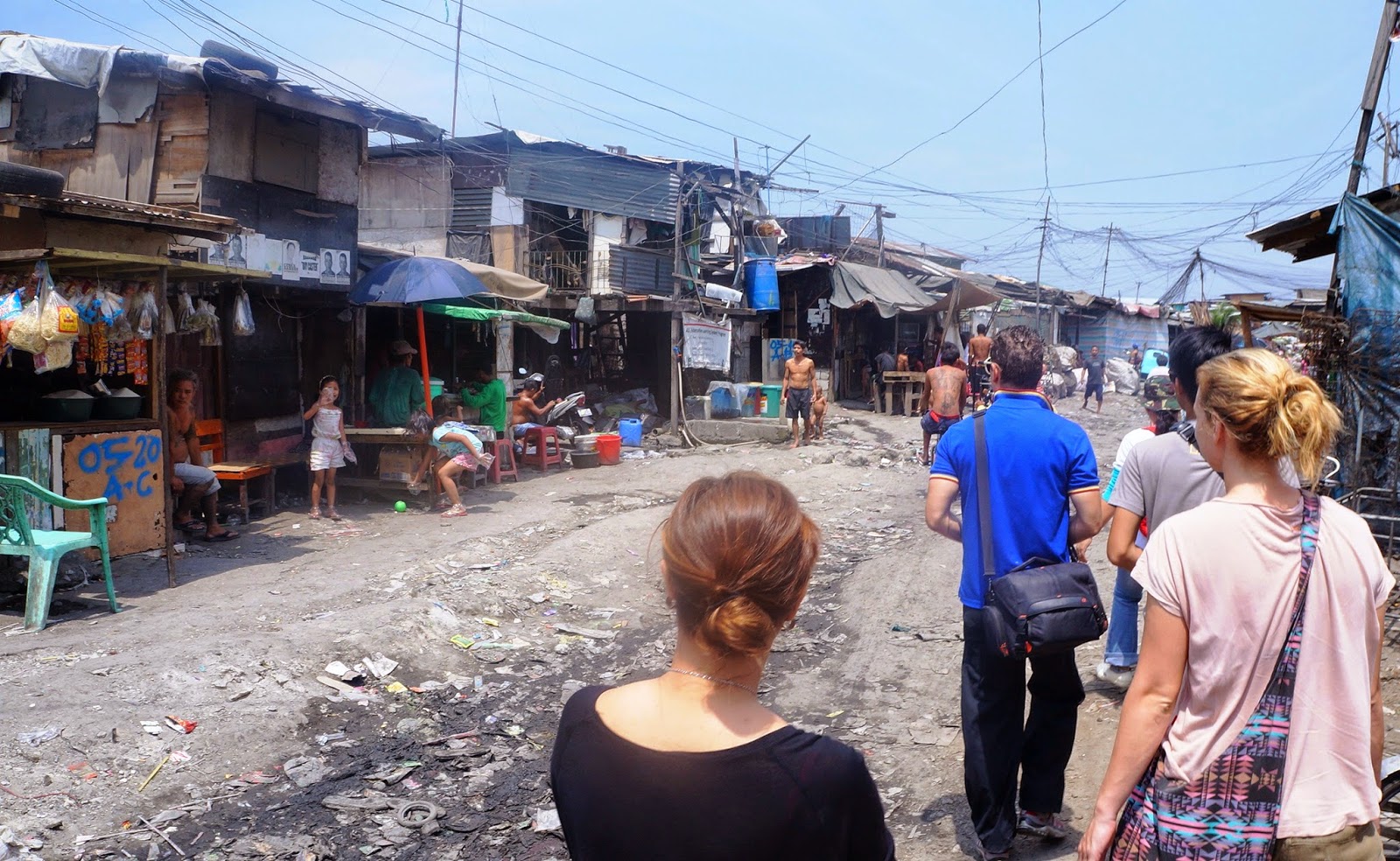
  • Living in Mali can be a culturally rich experience, with music (world famous!), dance and delicious food. But it is important to know that life can be basic. In cities like Bamako you have access to most amenities, but outside of these cities life is simpler. Expats have to adapt to the heat, the lack of luxury, and the relaxed attitude to time and appointments.
  • Education: There are a few schools in Bamako for expat families with children, but the selection is limited.
  • Expat community: The expat community in Mali is small and mainly concentrated in Bamako. Most expats work in the diplomatic sector, for NGOs, or in mining and infrastructure. Socializing is often done at international events or in a few popular meeting places in the capital.
  • Safety: Although Mali is a country with beautiful people and a rich culture, there are safety risks that you cannot ignore. The north of Mali is often discouraged for travelers due to conflict and instability. Bamako and other major cities are usually relatively safe, but it is important to always be alert and follow local safety advice. Expats often use compound homes with security.
  • Culture & religion: Mali's culture is a mix of tradition and modernity. Music is a great source of pride for the country, especially with icons such as Ali Farka Touré and Salif Keita who are internationally known. Malians are known for their hospitality and the importance of family and community. Daily life is strongly influenced by Islamic customs, but there is also room for traditional African rituals and celebrations.
  • Climate: dry, hot and desert-like, especially in the north. In the south it is more tropical with even a rainy season. You can experience sandstorms, extreme droughts but also sudden floods.
  • Health insurance: Mali suffers from many illnesses and hygiene problems. The facilities are limited and not of Western standards. It may therefore be necessary to evacuate for good care. So make sure you have your own good health insurance.

Supporting content

Supporting content:
Mali Country Bundle: suggestions, stories and tips

Mali Country Bundle: suggestions, stories and tips

Image

Content about Mali on WorldSupporter

Packing list for Mali, travel insurance for Mali, and taking your belongings

Packing list for Mali, travel insurance for Mali, and taking your belongings

To take or not to take to Mali, leave at home or arrange locally?
Sufficiently insured or not for your activities in Mali?
Sufficiently insured or not for your trip to Mali?

What to take with you to Mali: spotlighted

To bring and to check:
  • Documents: passport with six months validity and copies.
  • Money: cash West African CFA Franc (XOF) is useful for the first few days, possibly extra euros to exchange. ATMs are also common. Credit cards are usually not accepted.
  • Care: sunscreen and aftersun.
  • Outdoor and conveniences: hat/cap and sunglasses
  • Sunglasses, a buff, scarf or bandana against the sun and dust.
  • Clothing: the temperature is between 22 and 35 degrees Celsius all year round. Airy and light clothing for the hot weather and an extra layer in the winter. Breathable clothing such as cotton and linen are nice. As a woman, it is also recommended to wear knee and shoulder covering clothing due to local customs.
  • Protection: light raincoat and a backpack rain cover for the rainy season. Possibly dust-proof bags for the dry, dusty season. A mosquito net or impregnated mosquito net.
  • Shoes: comfortable (walking) shoes, sturdy sandals or slippers for fun excursions.
  • Medicines and travel kit: a small first aid kit with plasters, painkillers, ORS, hand disinfectant and mosquito repellent.
  • Safety: neck pouch.
  • Technique and equipment: power bank, headlamp or flashlight for power outages.
To consider:
  • Reusable water bottle with filter.
  • Quick-drying travel towel.
  • E-reader or offline entertainment.

What should you keep in mind when traveling to Mali with your belongings?

  • Taking a good travel guide and good adaptability is not an unnecessary luxury.

Are there mosquitoes in Mali?

  • Mosquitoes in Mali are quite dangerous. Malaria is endemic, with a big peak during the rainy season from June to September.
  • Dengue also occurs, which is a risk mainly during the day.
  • Insect repellents, covering clothing and sleeping under a good mosquito net are definitely recommended.

Are there sand flies in Mali?

  • Cutaneous leishmaniasis occurs in Mali, especially in rural areas. The disease is transmitted by sand flies and can cause nasty skin ulcers.
  • Fortunately, your set of mosquito repellents with DEET can provide a solution in combination with covering clothing, good spray, and not sleeping on the beach without protection.

Can you buy DEET, or other mosquito repellents, in Mali?

  • Finding your favorite mosquito repellent in Mali is going to be tough, and you definitely don’t want to run out.
  • Bring mosquito repellent from home.

Can you buy a joint or weed in Mali, or take it with you to Mali?

  • Mali is a known hub for drug trafficking. The government is cracking down hard on this, and anything related to weed is illegal in Mali.
  • Possession, use, and sale of cannabis can lead to severe penalties.
How does healthcare work in Mali, and what travel insurance, health insurance or expat insurance do you need?

How does healthcare work in Mali, and what travel insurance, health insurance or expat insurance do you need?

How does the healthcare system work in Mali?

What is the quality of healthcare in Mali?

  • Healthcare in Mali is a mix of modern and traditional practices, with public, private (including NGOs), and religious organizations (community health bodies) all playing a role.
  • The system follows a hierarchy: local health centers → district/regional hospitals → specialist centers.
  • Unfortunately, every level suffers under poverty and ongoing conflict. Mali has one of the weakest healthcare systems in the world.
  • Challenges are everywhere: severe staff shortages (0.2 doctors per 1,000 people – ouch), rampant diseases, and a lack of infrastructure or equipment.
  • Access of healthcare is another big issue. Live outside the city? Be ready to travel far, often on foot.
  • Nurses are essentially the backbone of care in Mali. They’ll do a bit of everything – if you can actually find a healthcare worker.
  • In cities, pharmacies are easy to spot thanks to their big green plus signs. Don’t count on finding your preferred medication, though. Antibiotics are available without prescription.
  • Emergency services? Practically non-existent. A medical evacuation is often the only real option.

How does the public healthcare system work in Mali?

  • The state of public healthcare isn’t good. Hygiene is lacking, and so are the necessary facilities and doctors.
  • Local health centers (“centres de santé communautaires”) and district hospitals provide vaccinations, basic care, and emergency first aid.
  • Regional/university hospitals handle more complex cases (hospitalization, surgeries), but are still very limited.
  • Travel times are a huge barrier, especially outside Bamako: roads are bad, and transport is scarce.

How does the private healthcare system work in Mali?

  • The private sector plays a big role, especially as a supplement to the weak public system.
  • The private healthcare includes medical, paramedical, and pharmaceutical services, mostly concentrated in Bamako.
  • Care is generally better and faster than in the public sector, but still not “good.”
  • Prices for private healthcare are higher, which unfortunately widens the gap between rich and poor.

How is the general practitioner arranged in Mali?

  • There’s no standard GP system.
  • In cities, you might be able to find doctors in private clinics for regular consultations.

How is the dentist arranged in Mali?

  • Oral healthcare is just as poor as general healthcare.
  • Most foreigners avoid treatment in Mali and instead go abroad.

How is pregnancy care arranged in Mali?

  • Maternal and infant mortality rates are extremely high – a grim sign of the state of maternity care.
  • Some areas offer cost exemptions for pregnant women and young children, but expenses for medication, transport, and extras usually remain.
  • In rural areas, women often receive no care at all during pregnancy due to the absence of facilities.
  • In cities the pregnancy care is somewhat better, but still risky.
  • It is strongly recommended for foreigners to experience their pregnancy in other countries. 

How safe or unsafe is a trip or stay in Mali?

What should you pay attention to in terms of safety in Mali?

  • While locals are friendly, Mali is unfortunately unsafe. Risks include kidnapping, armed robbery, and terrorism.
  • Foreigners are particular targets.
  • Check the regions which are discouraged for travel.

What should you look out for in terms of diseases in Mali?

  • Mali has widespread endemic diseases due to severe healthcare shortages.
  • Mosquito-borne diseases like malaria and dengue are major risks, alongside other infectious diseases.
  • Tap water is unsafe, and improperly cooked food can be hazardous.

What should you pay attention to when it comes to traffic in Mali?

  • Driving is chaotic: poor roads, bad drivers, and sudden road or border closures due to the security situation.
  • Curfews and movement restrictions are common.
  • Public transport is generally unsafe.

What work and travel insurance policies are suitable for short and long stays in Mali?

  • Is the trip to Mali and your return sufficiently covered? Are you sufficiently covered before, during and after your activities? Which insurance best suits your trip and your activity? Read more about insurances for abroad on JoHoinsurances.org.

What emigration and expat insurance can you take out for Mali if you are going to live there for a while?

  • An international health insurance that covers care in Mali, plus medical evacuation and repatriation, is absolutely essential.
  • When applying for your visa, you are usually required to be able to prove that you have valid health insurance.
  • If you have private insurance, you can choose your own doctor in Mali.
  • Read more about insurances for abroad on Expatinsurances.org
Mali: Updates & Travel

Mali: Updates & Travel

Travel in Mali?

  • Mali can be a bit dry and dusty, but it is also fascinating and full of cultural treasures from the time of ancient kingdoms. Mali is home to the legendary cities of Timbuktu and Djenné. The impressive Dogon valley is one of the famous attractions. In Bamako, the capital, music is everywhere, the markets are colorful and you get a good picture of a West African city under the Sahara.
  • Beware, especially in the north of Mali is often unsettled, which makes Mali far from always possible to visit or only partially.

Updates Mali

  • More about Mali, updates and contributions, see the link below.
Mali: selection of contributions by WorldSupporters - Bundle

Image ACTIVITIES

Check courses, jobs, projects, recipes, suggestions and tips related to: 'Mali'

ACTIVITIES
Understanding violent extremism in the Sahel

Understanding violent extremism in the Sahel Birgitta Tazelaar, Deputy Director General for International Cooperation for the Ministry of Foreign Affairs (MOFA), will deliver an opening address on current priorities and challenges for peacebuilding and international development.  This will be f...

CHECK MORE ACTIVITIES

Select any filter and click on Apply to see results

Activities abroad: home bundle

Main content and contributions for activities abroad

,,,accommodations, adventure activities, courses, internships, jobs and volunteer projects

...to help another, travel with care, work together , learn

........Read more
Activities abroad: home page

Activities abroad: home page

From language courses to gap year abroad, from work experience to volunteering abroad, from paid work to internship abroad, from mountaineering to diving and from backpacking to travel around the world

    What social activities can you do abroad?

    • Opportunities are found in the areas of helping, learning or studying. You can get involved to volunteer in a social project at a school in Africa, Asia or Latin America. You can get involved in nature, in a project with animals or cleaning the sea or beaches. Those who want to learn more can choose for example a language course in Latin America, Spain or South Africa.

    What work related activities can you do abroad?

    • If you want to gain work experience, and/or also earn money, go and work abroad. You can combine backpacking in Australia with temporary work. You can work on campsites in Europe or bush camps in Africa. You can pretty much go all over the world to work in the hospitality industry, hotels and hostels, in the healthcare sector or for example at a diving school.

    What sports activities to do abroad?

    • Have you ever thought of mountain biking, rafting (going down a wild river on a raft or rubber dinghy, climbing or canoeing), survival (which involves building rafts, climbing or canoeing), abseiling (descending a rock face while secured to ropes), zip-lining (whizzing down a cable), canyoning (starting at the top of a river and then climbing, swimming, diving down the bed) or caving (scrambling, wriggling and crawling through caves and crevices)?
    • Maybe you feel more comfortable on a bodyboard (on a half-wave surfboard, you surf the high waves lying down-with flippers), on a hang glider or while paragliding (with a parachute you float down a mountain or dune), hydrospeeding (on a bodyboard with flippers and a wetsuit on you go down a wild river via rapids) or Tiefschneeskiing (racing down through powder snow)?

    Check the pages below for more activities and inspiration and where to go and how to arrange it

      Image STORIES

      Check blogs, experiences and information related to: 'Mali'

      STORIES
      Mali: Updates & Travel
      • Travel in Mali?
      • Updates Mali
      • Travel in Mali?

        • Mali can be a bit dry and dusty, but it is also fascinating and full of cultural treasures from the time of ancient kingdoms. Mali is home to the legendary cities of Timbuktu and Djenné. The impressive Dogon ...
      CHECK MORE STORIES

      Select any filter and click on Apply to see results

      Countries & Destinations: home bundle

      Bundled content, suggestions, stories and tips about the countries and destinations in the world

      ...to help another, travel with care, work together , learn to share and inspire........Read more

      Africa: country bundles

      Africa: country bundles

      Access: 
      Public
      Asia: country bundles

      Asia: country bundles

      Country bundles of Asian countries

      Access: 
      Public
      Europe: country bundles

      Europe: country bundles

      Country bundles of European countries

      Access: 
      Public
      The Caribbean: country bundles

      Image ORGANIZATIONS

      Check sectors and organizations related to: 'Mali'

      ORGANIZATIONS
      Stichting Sanouna

      Deze Nederlandse stichting richt zich via een zelf opgezet activiteiten centrum op de inwoners van het kleine vissersdorpje Sanouna in Mali. Bij de projecten ligt de focus op het bieden van onderwijs, bijles en het verbeteren van de kansen op vervolg onderwijs. Zo kun je als vrijwilliger meewerken i...

      IRC International Water and Sanitation Centre

      IRC is mostly run by citizens of the eight countries where they work: Burkina Faso, Ethiopia, Ghana, Honduras, India, Mali, Niger and Uganda. IRC works directly with communities, experts, public servants and decision-makers. IRC initiates and supports local and regional project on WASH services = wa...

      CHECK MORE ORGANIZATIONS

      Select any filter and click on Apply to see results

      Organizations & Services: home bundle

      Bundled content, suggestions, stories and tips about organizations and their products and services

      ...to help another, travel with care, work together, learn to share and inspire with

      ........Read more
      Organizations: home page
      Organizations: for administrative, tax and legal work and consulting
      Organizations: for agriculture, grape picking, farming and vineyards
      Organizations: for animal protection, animal care and working with wildlife abroad
      Organizations: for au pairs, youth work and child care abroad
      Organizations: for bush camping and working at a campsite abroad
      Organizations: for catering, hospitality and entertainment abroad
      Organizations: for civil society and social work abroad
      Organizations: for corporate business services
      Organizations: for customer services abroad and help desks
      Organizations: for diving, snorkeling and water sports abroad
      Organizations: for education and schools abroad
      Organizations: for expatriate insurances, travel insurances, and emergency call centers
      Organizations: for gap year activities abroad and sabbaticals
      Organizations: for internship placement abroad
      Organizations: for insurances and finance abroad
      Organizations: for IT, engineering and construction
      Organizations: for language travel and language teaching abroad
      Organizations: for marketing, communication and PR
      Organizations: for mediation in au pairs, childcare and elderly care in the Netherlands
      Organizations: for moving, international relocation and transport abroad
      Organizations: for nature conservation, environmental protection and working in nature abroad
      Organizations: for nonprofit projects, development work and international cooperation
      Organizations: for online work as digital nomad, freelancer, or independent entrepreneur from abroad
      Organizations: for outdoor activities and sports
      Organizations: for providing accommodation and hospitality work in hotels, guesthouses, ecolodges and hostels abroad
      Organizations: for providing healthcare and working in medical care abroad
      Organizations: for psychological assistance and mental health care abroad
      Organizations: for real estate, brokerage abroad and property rental abroad
      Organizations: for research and scientific work abroad
      Organizations: for student support and student associations
      Organizations: for tour guidance and adventure tours abroad
      Organizations: for tourism and organized travel and leisure work abroad
      Organizations: for voluntary work mediation and project placement abroad
      Organizations: for yacht and shipping crew and working on a cruise ship abroad

      Image SUMMARIES

      Check summaries and study assistance related to: 'Mali'

      CHECK MORE SUMMARIES

      Select any filter and click on Apply to see results

      Image

      SPOTLIGHT & FAVORITES

      FAVORITES
      Understanding violent extremism in the Sahel

      Understanding violent extremism in the Sahel Birgitta Tazelaar, Deputy Director General for International Cooperation for the Ministry of Foreign Affairs (MOFA), will deliver an opening address on current priorities and challenges for peacebuilding and international development.  This will be f...

      Safety, insurances and packing list for Mali

      Packing list for Mali, travel insurance for Mali, and taking your belongings

      Packing list for Mali, travel insurance for Mali, and taking your belongings

      To take or not to take to Mali, leave at home or arrange locally?
      Sufficiently insured or not for your activities in Mali?
      Sufficiently insured or not for your trip to Mali?

      What to take with you to Mali: spotlighted

      To bring and to check:
      • Documents: passport with six months validity and copies.
      • Money: cash West African CFA Franc (XOF) is useful for the first few days, possibly extra euros to exchange. ATMs are also common. Credit cards are usually not accepted.
      • Care: sunscreen and aftersun.
      • Outdoor and conveniences: hat/cap and sunglasses
      • Sunglasses, a buff, scarf or bandana against the sun and dust.
      • Clothing: the temperature is between 22 and 35 degrees Celsius all year round. Airy and light clothing for the hot weather and an extra layer in the winter. Breathable clothing such as cotton and linen are nice. As a woman, it is also recommended to wear knee and shoulder covering clothing due to local customs.
      • Protection: light raincoat and a backpack rain cover for the rainy season. Possibly dust-proof bags for the dry, dusty season. A mosquito net or impregnated mosquito net.
      • Shoes: comfortable (walking) shoes, sturdy sandals or slippers for fun excursions.
      • Medicines and travel kit: a small first aid kit with plasters, painkillers, ORS, hand disinfectant and mosquito repellent.
      • Safety: neck pouch.
      • Technique and equipment: power bank, headlamp or flashlight for power outages.
      To consider:
      • Reusable water bottle with filter.
      • Quick-drying travel towel.
      • E-reader or offline entertainment.

      What should you keep in mind when traveling to Mali with your belongings?

      • Taking a good travel guide and good adaptability is not an unnecessary luxury.

      Are there mosquitoes in Mali?

      • Mosquitoes in Mali are quite dangerous. Malaria is endemic, with a big peak during the rainy season from June to September.
      • Dengue also occurs, which is a risk mainly during the day.
      • Insect repellents, covering clothing and sleeping under a good mosquito net are definitely recommended.

      Are there sand flies in Mali?

      • Cutaneous leishmaniasis occurs in Mali, especially in rural areas. The disease is transmitted by sand flies and can cause nasty skin ulcers.
      • Fortunately, your set of mosquito repellents with DEET can provide a solution in combination with covering clothing, good spray, and not sleeping on the beach without protection.

      Can you buy DEET, or other mosquito repellents, in Mali?

      • Finding your favorite mosquito repellent in Mali is going to be tough, and you definitely don’t want to run out.
      • Bring mosquito repellent from home.

      Can you buy a joint or weed in Mali, or take it with you to Mali?

      • Mali is a known hub for drug trafficking. The government is cracking down hard on this, and anything related to weed is illegal in Mali.
      • Possession, use, and sale of cannabis can lead to severe penalties.
      How does healthcare work in Mali, and what travel insurance, health insurance or expat insurance do you need?

      How does healthcare work in Mali, and what travel insurance, health insurance or expat insurance do you need?

      How does the healthcare system work in Mali?

      What is the quality of healthcare in Mali?

      • Healthcare in Mali is a mix of modern and traditional practices, with public, private (including NGOs), and religious organizations (community health bodies) all playing a role.
      • The system follows a hierarchy: local health centers → district/regional hospitals → specialist centers.
      • Unfortunately, every level suffers under poverty and ongoing conflict. Mali has one of the weakest healthcare systems in the world.
      • Challenges are everywhere: severe staff shortages (0.2 doctors per 1,000 people – ouch), rampant diseases, and a lack of infrastructure or equipment.
      • Access of healthcare is another big issue. Live outside the city? Be ready to travel far, often on foot.
      • Nurses are essentially the backbone of care in Mali. They’ll do a bit of everything – if you can actually find a healthcare worker.
      • In cities, pharmacies are easy to spot thanks to their big green plus signs. Don’t count on finding your preferred medication, though. Antibiotics are available without prescription.
      • Emergency services? Practically non-existent. A medical evacuation is often the only real option.

      How does the public healthcare system work in Mali?

      • The state of public healthcare isn’t good. Hygiene is lacking, and so are the necessary facilities and doctors.
      • Local health centers (“centres de santé communautaires”) and district hospitals provide vaccinations, basic care, and emergency first aid.
      • Regional/university hospitals handle more complex cases (hospitalization, surgeries), but are still very limited.
      • Travel times are a huge barrier, especially outside Bamako: roads are bad, and transport is scarce.

      How does the private healthcare system work in Mali?

      • The private sector plays a big role, especially as a supplement to the weak public system.
      • The private healthcare includes medical, paramedical, and pharmaceutical services, mostly concentrated in Bamako.
      • Care is generally better and faster than in the public sector, but still not “good.”
      • Prices for private healthcare are higher, which unfortunately widens the gap between rich and poor.

      How is the general practitioner arranged in Mali?

      • There’s no standard GP system.
      • In cities, you might be able to find doctors in private clinics for regular consultations.

      How is the dentist arranged in Mali?

      • Oral healthcare is just as poor as general healthcare.
      • Most foreigners avoid treatment in Mali and instead go abroad.

      How is pregnancy care arranged in Mali?

      • Maternal and infant mortality rates are extremely high – a grim sign of the state of maternity care.
      • Some areas offer cost exemptions for pregnant women and young children, but expenses for medication, transport, and extras usually remain.
      • In rural areas, women often receive no care at all during pregnancy due to the absence of facilities.
      • In cities the pregnancy care is somewhat better, but still risky.
      • It is strongly recommended for foreigners to experience their pregnancy in other countries. 

      How safe or unsafe is a trip or stay in Mali?

      What should you pay attention to in terms of safety in Mali?

      • While locals are friendly, Mali is unfortunately unsafe. Risks include kidnapping, armed robbery, and terrorism.
      • Foreigners are particular targets.
      • Check the regions which are discouraged for travel.

      What should you look out for in terms of diseases in Mali?

      • Mali has widespread endemic diseases due to severe healthcare shortages.
      • Mosquito-borne diseases like malaria and dengue are major risks, alongside other infectious diseases.
      • Tap water is unsafe, and improperly cooked food can be hazardous.

      What should you pay attention to when it comes to traffic in Mali?

      • Driving is chaotic: poor roads, bad drivers, and sudden road or border closures due to the security situation.
      • Curfews and movement restrictions are common.
      • Public transport is generally unsafe.

      What work and travel insurance policies are suitable for short and long stays in Mali?

      • Is the trip to Mali and your return sufficiently covered? Are you sufficiently covered before, during and after your activities? Which insurance best suits your trip and your activity? Read more about insurances for abroad on JoHoinsurances.org.

      What emigration and expat insurance can you take out for Mali if you are going to live there for a while?

      • An international health insurance that covers care in Mali, plus medical evacuation and repatriation, is absolutely essential.
      • When applying for your visa, you are usually required to be able to prove that you have valid health insurance.
      • If you have private insurance, you can choose your own doctor in Mali.
      • Read more about insurances for abroad on Expatinsurances.org

      Image ALL CONTENT

      Search all related content within the topic: 'Mali'

      ALL CONTENT WITHIN TOPIC

      Select any filter and click on Apply to see results

      Check or search within: topics, countries and studies only

      Search only via club, country, goal, study, topic or sector
      Image

      TOPICS : check associated topics and more activities

      Selected Worldsupporter pages in relation with the topic
      Themes: main theme pages for activities abroad (intern, study, travel, volunteer, work or emigrate)

      WorldSupporter Theme pages for activities abroad

      Intern, study, travel, volunteer, work or emigrate

      Activities Abroad - Theme
      Best travel time for weather, climate and activities abroad, and the worst time to go!
      Backpacking and travel your way around the world - Theme
      Emigration and moving abroad - Theme
      Gap Year, Time out and Sabbatical - Theme
      Internship Abroad - Theme
      Learning languages and language courses abroad - Theme
      Remote working abroad and digital nomads - Theme
      Study Abroad - Theme
      Teaching Abroad and Working in Education - Theme
      Travel insurances and insurances for long term abroad - Theme
      Travel gear and packing lists for going abroad - Worldsupporter Theme
      Volunteer abroad - Theme
      Work abroad and working holidays - Theme
      Stay safe and insured
      Go abroad!