Travel to Dominican Republic to backpack, study, intern, volunteer, work, or live as a digital nomad, expat or emigrant?

Image
Dominican Republic: table of content

Image
 Dominican Republic

Intro

Backpacking or traveling in the Dominican Republic?

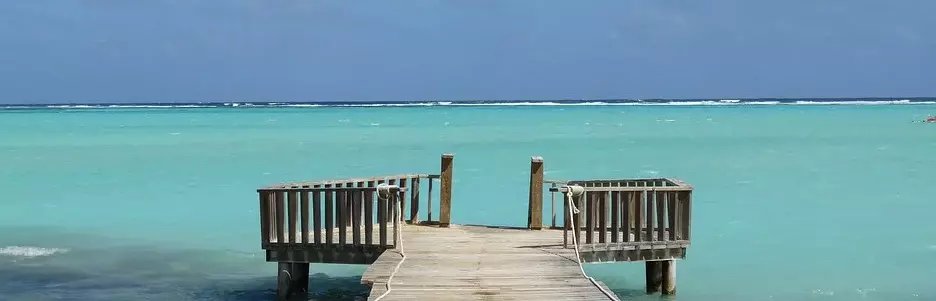
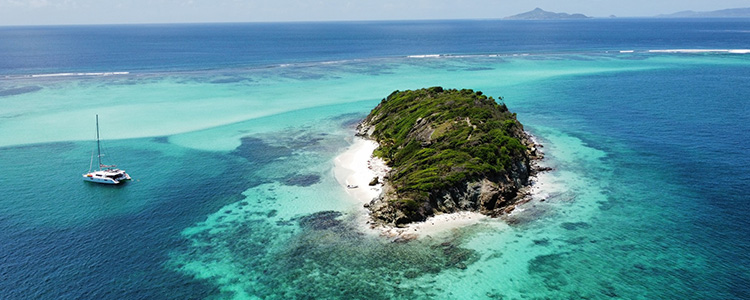
  • Known for its luxury resorts and pearly white beaches, yet there are also beautiful, less discovered spots for the backpacker. Although it is pricey. 

Studying in the Dominican Republic?

  • The universities are not too good compared to other universities, especially in the field of research. However, there are several options for studies. 

Internship in the Dominican Republic?

  • There are opportunities for medical internships, internships in agriculture and with international organizations, among others. 

Volunteer in the Dominican Republic?

  • You can do several volunteer positions, for example in health care, education, community support, animal welfare and conservation. 

Working in the Dominican Republic?

  • If you don't speak fluent Spanish, then options are limited to the tourism industry, IT, call centers, internationals companies or English education.  

Working as a digital nomad in the Dominican Republic?

  • A beautiful destination with cozy and fine amenities, for not too much money. 

Living in the Dominican Republic?

  • The economy is growing, it is always warm, nature is beautiful and prices are low. On the other hand, salaries are also low, corruption and bureaucracy are still a problem and health care is not equally good everywhere. 
  • Make sure you arrange your own health insurance well.

Supporting content

Dominican Republic Country Bundle: suggestions, stories and tips

Dominican Republic Country Bundle: suggestions, stories and tips

Image

Content about Dominican Republic on WorldSupporter

Dominican Republic: Updates & Travel

Dominican Republic: Updates & Travel

Travel in Dominican Republic?

  • The Dominican Republic is one of the most beautiful islands in the Caribbean. The country is best known for its pearly white beaches, but has much more to offer in terms of nature and culture. A few thousand whales mate off the coast every year and the island is home to two species of iguanas that are almost extinct. Also visit the less touristy areas to really get to know the country.

Updates Dominican Republic

  • More about Dominican Republic, updates and contributions, see the link below.
How does healthcare work in the Dominican Republic, and what travel insurance, health insurance or expat insurance do you need?

How does healthcare work in the Dominican Republic, and what travel insurance, health insurance or expat insurance do you need?

How does the healthcare system work in the Dominican Republic?

What is the quality of healthcare in the Dominican Republic?

  • The quality of healthcare in the Dominican Republic varies. Healthcare consists of both private and public options, with private healthcare facilities generally being much better.
  • Spanish is the main language spoken, so it can be useful to know some Spanish!
  • There are more medical facilities in the cities, especially Santiago and Domingo, than in the countryside.
  • Beware! Healthcare fraud (such as overcharging or unnecessary hospitalization) is common in the Dominican Republic, especially with doctors who are contracted by tourist resorts.
  • There are many pharmacies throughout the Dominican Republic. They are often open until late and the staff usually speaks English.
  • The medical emergency number is 911, but it is often faster to take a taxi. In hospitals, emergency departments are usually called "Emergencia".

How does the public healthcare system work in the Dominican Republic?

  • The public health system is run by the Ministerio de Salud Pública y Asistencia Social (MISPAS).
  • Due to underfunding, the quality of public health care in the Dominican Republic is not great. Medical equipment leaves much to be desired and there is not always enough staff.
  • The health care system is divided into three socio-economic categories: free care for the poorest, employees and business people pay a contribution to the public health insurance and a kind of hybrid version for freelancers.
  • There is a public hospital in every larger city. You often have to bring your own things (such as bedding) and it is expected that friends and family will provide your meals, etc.
  • There are also public clinics everywhere.
  • Health care is partly free when it comes to basic care, but for treatments such as x-rays and medicines the costs can be high.
  • Care that is (partly) reimbursed is primary care in clinics, care in hospitals, pregnancy care, vaccinations, HIV/AIDS treatments and some emergency care.
  • The government health insurance system is called Seguro Nacional de Salud (SENASA). To participate, you must have a Dominican ID card (cédula) and register with SENASA.
  • Public care is cheap, but the waiting times are incredibly long and the care is not designed for complicated treatments.

How does the private healthcare system work in the Dominican Republic?

  • Private care, like in many other countries, is of better quality than public care. The knowledge is more up-to-date, as is the medical equipment.
  • Waiting times are also much shorter than in public care.
  • There are good private hospitals in Santo Domingo and Santiago.
  • But… care is not cheap. Good insurance is therefore important.

How is the general practitioner arranged in the Dominican Republic?

  • There are almost no general practitioners in the Dominican Republic. Most people go to an internist. He or she can refer you to a specialist, if necessary.
  • Some people choose a specific clinic to receive all their care. It can be useful to ask other expats for their advice on a good clinic.

How is the dentist arranged in the Dominican Republic?

  • Basic dental care is available through the public health system, but waiting times can be long.
  • Many Dominicans and foreigners living in the Dominican Republic opt for private dental care.
  • Private dental care is mainly found in the cities and tourist areas.

How is pregnancy care arranged in the Dominican Republic?

  • Obstetric care is free through the public system. However, most women opt for private health care because of the better quality of care and shorter waiting times.
  • There are many doctors in the private sector and private care also offers access to doulas, childbirth classes, prenatal yoga, etc.
  • It is important to find a doctor who aligns with your needs and is open to your wishes. These can often be found in Santo Domingo, Santiago and Nagua. It is useful to ask other expats about their experiences.
  • The vast majority of births take place in the hospital. A small percentage of births (less than 5%) take place in birthing centers or in people's homes.
  • Usually, the doctor who is present at the birth is the same doctor who has been with you throughout your pregnancy.
  • There are midwives in the Dominican Republic, but it is important to know that midwifery is not an official profession and therefore there are no set rules for it.
  • The cost of a delivery is, depending on the care provided, more than one thousand USD and can go up to ten thousands USD, depending on the private clinic you go to.
  • Abortion is only legal when the mother's life is in danger.

How safe or unsafe is a trip or stay in the Dominican Republic?

What should you pay attention to in terms of safety in the Dominican Republic?

  • In the Dominican Republic, it’s better to be careful. Crime rates are quite high and robberies and pickpocketing are common in tourist areas, airports and busterminals.
  • Theft from a motorbike or scooter is also a common phenomenon… It is best not to use your valuables openly on the street and to have a secured bag.
  • Women are sometimes the victims of sexual abuse, also in the nightlife scene. It is therefore better to avoid travelling, walking and running alone, especially at night.
  • There is a lot of ATM and credit card fraud.
  • Storms occur throughout the year, which can cause landslides and flooding. So make sure you know what to do in these situations. 
  • Earthquakes also occur. At such times, keep a close eye on the tsunami warnings!

What should you look out for in terms of diseases in the Dominican Republic?

  • It is not uncommon for people to contract a mosquito-borne disease, especially from May to November. Diseases that are present are dengue, chikungunya and zika.
  • Malaria is less common, but it occurs on certain parts of the island.
  • HIV/AIDS is relatively common, so be aware of this.
  • The risk of rabies is high. So make sure you seek medical help immediately if you are bitten or scratched by a dog, cat or even a mongoose!
  • Another risk in the Dominican Republic is cholera. If you do not treat cholera, it can be fatal!
  • Infectious diseases also occur. Be careful with food and always check whether the tap water is drinkable (it generally is not).

What should you pay attention to when it comes to traffic in the Dominican Republic?

  • Let's get straight to the point - there are many traffic accidents in the Dominican Republic, especially during the holidays.
  • Drivers hardly follow the rules. Driving with alcohol in your system is not uncommon and many indicators in the country seem to have retired. Unfortunately, there is also a lot of theft of cars. It is even possible that a scooter drives by and grabs something from the car. So keep the windows closed!
  • The major roads are generally in good condition, but outside of that the roads are often left to their own devices.
  • There are many military roadblocks, especially near Haiti.
  • Public bus transport is reasonably well organised. Make sure you take a private intercity bus, from a good company. “Gua-guas” and “carros publicos” are not recommended.
  • Taxis generally do not have a meter. Only use official taxis and agree on a price before you get in.
  • Robberies in taxis (but also private cars) are common. You may be stopped by armed robbers on the side of the road, or someone who pretends to want to share a taxi has a deal with your taxi driver and they both end up stealing your things. 

What work and travel insurance policies are suitable for short and long stays in the Dominican Republic?

  • Is the trip to the Dominican Republic and your return sufficiently covered? Are you sufficiently covered before, during and after your activities? Which insurance best suits your trip and your activity? Read more about insurances for abroad on JoHoinsurances.org.

What emigration and expat insurance can you take out for the Dominican Republic if you are going to live there for a while?

  • Your own, international health insurance is important to prevent the high costs of private care and possible medical evacuation (because this can unfortunately be necessary). So, make sure your insurance covers medical evacuation as well as coverage in neighboring countries. Read more about insurances for abroad on Expatinsurances.org.
Dominican Republic: selection of contributions by WorldSupporters - Bundle
Supporting content:
Dominican Republic: Updates & Travel

Dominican Republic: Updates & Travel

Travel in Dominican Republic?

  • The Dominican Republic is one of the most beautiful islands in the Caribbean. The country is best known for its pearly white beaches, but has much more to offer in terms of nature and culture. A few thousand whales mate off the coast every year and the island is home to two species of iguanas that are almost extinct. Also visit the less touristy areas to really get to know the country.

Updates Dominican Republic

  • More about Dominican Republic, updates and contributions, see the link below.

Image ACTIVITIES

Check courses, jobs, projects, recipes, suggestions and tips related to: 'Dominican Republic'

ACTIVITIES
CHECK MORE ACTIVITIES

Select any filter and click on Apply to see results

Activities abroad: home bundle

Main content and contributions for activities abroad

,,,accommodations, adventure activities, courses, internships, jobs and volunteer projects

...to help another, travel with care, work together , learn

........Read more
Activities abroad: home page

Activities abroad: home page

From language courses to gap year abroad, from work experience to volunteering abroad, from paid work to internship abroad, from mountaineering to diving and from backpacking to travel around the world

    What social activities can you do abroad?

    • Opportunities are found in the areas of helping, learning or studying. You can get involved to volunteer in a social project at a school in Africa, Asia or Latin America. You can get involved in nature, in a project with animals or cleaning the sea or beaches. Those who want to learn more can choose for example a language course in Latin America, Spain or South Africa.

    What work related activities can you do abroad?

    • If you want to gain work experience, and/or also earn money, go and work abroad. You can combine backpacking in Australia with temporary work. You can work on campsites in Europe or bush camps in Africa. You can pretty much go all over the world to work in the hospitality industry, hotels and hostels, in the healthcare sector or for example at a diving school.

    What sports activities to do abroad?

    • Have you ever thought of mountain biking, rafting (going down a wild river on a raft or rubber dinghy, climbing or canoeing), survival (which involves building rafts, climbing or canoeing), abseiling (descending a rock face while secured to ropes), zip-lining (whizzing down a cable), canyoning (starting at the top of a river and then climbing, swimming, diving down the bed) or caving (scrambling, wriggling and crawling through caves and crevices)?
    • Maybe you feel more comfortable on a bodyboard (on a half-wave surfboard, you surf the high waves lying down-with flippers), on a hang glider or while paragliding (with a parachute you float down a mountain or dune), hydrospeeding (on a bodyboard with flippers and a wetsuit on you go down a wild river via rapids) or Tiefschneeskiing (racing down through powder snow)?

    Check the pages below for more activities and inspiration and where to go and how to arrange it

      Image STORIES

      Check blogs, experiences and information related to: 'Dominican Republic'

      STORIES
      Image

      Gedurende ons verblijf op het Dominicaanse Republiek kwamen we plots langs een groepje (zeer arm-) uitziende locals. Ze waren beeldjes aan het maken van zandsteen. We gingen met ze praten en ontdekten dat ze het aardig slecht hadden, waarop wij besloten om een afspraak met hun te maken; wij zouden m...

      Dominican Republic: Updates & Travel
      • Travel in Dominican Republic?
      • Updates Dominican Republic
      • Travel in Dominican Republic?

        • The Dominican Republic is one of the most beautiful islands in the Caribbean. The country is best known for its pearly white beaches, but has much more to offer in term...
      CHECK MORE STORIES

      Select any filter and click on Apply to see results

      Countries & Destinations: home bundle

      Bundled content, suggestions, stories and tips about the countries and destinations in the world

      ...to help another, travel with care, work together , learn to share and inspire........Read more

      Africa: country bundles

      Africa: country bundles

      Access: 
      Public
      Asia: country bundles

      Asia: country bundles

      Country bundles of Asian countries

      Access: 
      Public
      Europe: country bundles

      Europe: country bundles

      Country bundles of European countries

      Access: 
      Public
      The Caribbean: country bundles

      Image ORGANIZATIONS

      Check sectors and organizations related to: 'Dominican Republic'

      ORGANIZATIONS
      WereldOuders

      WereldOuders biedt structurele hulp aan kwetsbare kinderen en gezinnen in negen landen in Latijns-Amerika. Door medische zorg, een veilig thuis en goed onderwijs komen kinderen uit de armoedespiraal en maken daarmee kans op een betere toekomst voor zichzelf en hun omgeving. WereldOuders biedt ook vr...

      StudyTravel

      StudyTravel consists of a permanent team of enthusiastic employees, all with experience abroad. You can go there to learn various languages such as Italian, German, Chinese, Portuguese, Korean, Russian, French, English, Japanese, and of course Spanish! If you have booked with StudyTravel using the a...

      Nuestros Pequeños Hermanos

      Nuestros Pequeños Hermanos (NPH) is an organization dedicated to offering vulnerable children in Latin America a home. As a NPH volunteer you work with children, a minimum age of 21 is required and the minimum stay is one year.

      Image

      Amigos de las Américas is a nonprofit organization that offers summer programs in Latin America and a gap year program in Paraguay. Volunteers are welcome for several projects in education, healthcare and nature conservation. In most programs intensive Spanish classes are included.

      CHECK MORE ORGANIZATIONS

      Select any filter and click on Apply to see results

      Organizations & Services: home bundle

      Bundled content, suggestions, stories and tips about organizations and their products and services

      ...to help another, travel with care, work together, learn to share and inspire with

      ........Read more
      Organizations: home page
      Organizations: for administrative, tax and legal work and consulting
      Organizations: for agriculture, grape picking, farming and vineyards
      Organizations: for animal protection, animal care and working with wildlife abroad
      Organizations: for au pairs, youth work and child care abroad
      Organizations: for bush camping and working at a campsite abroad
      Organizations: for catering, hospitality and entertainment abroad
      Organizations: for civil society and social work abroad
      Organizations: for corporate business services
      Organizations: for customer services abroad and help desks
      Organizations: for diving, snorkeling and water sports abroad
      Organizations: for education and schools abroad
      Organizations: for expatriate insurances, travel insurances, and emergency call centers
      Organizations: for gap year activities abroad and sabbaticals
      Organizations: for internship placement abroad
      Organizations: for insurances and finance abroad
      Organizations: for IT, engineering and construction
      Organizations: for language travel and language teaching abroad
      Organizations: for marketing, communication and PR
      Organizations: for mediation in au pairs, childcare and elderly care in the Netherlands
      Organizations: for moving, international relocation and transport abroad
      Organizations: for nature conservation, environmental protection and working in nature abroad
      Organizations: for nonprofit projects, development work and international cooperation
      Organizations: for online work as digital nomad, freelancer, or independent entrepreneur from abroad
      Organizations: for outdoor activities and sports
      Organizations: for providing accommodation and hospitality work in hotels, guesthouses, ecolodges and hostels abroad
      Organizations: for providing healthcare and working in medical care abroad
      Organizations: for psychological assistance and mental health care abroad
      Organizations: for real estate, brokerage abroad and property rental abroad
      Organizations: for research and scientific work abroad
      Organizations: for student support and student associations
      Organizations: for tour guidance and adventure tours abroad
      Organizations: for tourism and organized travel and leisure work abroad
      Organizations: for voluntary work mediation and project placement abroad
      Organizations: for yacht and shipping crew and working on a cruise ship abroad

      Image SUMMARIES

      Check summaries and study assistance related to: 'Dominican Republic'

      CHECK MORE SUMMARIES

      Select any filter and click on Apply to see results

      Image

      SPOTLIGHT & FAVORITES

      SPOTLIGHT
      Image

      Backpack, travel, intern, live, study, volunteer or work in the Caribbean Antigua and Barbuda - Aruba - Bahamas, The - Barbados - Bonaire - Cuba - Curaçao - Dominica - Dominican Republic - Grenada - Haiti - Jamaica - Puerto Rico - Saba - Saint Kitts and Nevis - Saint Lucia - Saint Vincent and...

      FAVORITES
      Image

      Gedurende ons verblijf op het Dominicaanse Republiek kwamen we plots langs een groepje (zeer arm-) uitziende locals. Ze waren beeldjes aan het maken van zandsteen. We gingen met ze praten en ontdekten dat ze het aardig slecht hadden, waarop wij besloten om een afspraak met hun te maken; wij zouden m...

      Safety and insurances for the Dominican Republic

      How does healthcare work in the Dominican Republic, and what travel insurance, health insurance or expat insurance do you need?

      How does healthcare work in the Dominican Republic, and what travel insurance, health insurance or expat insurance do you need?

      How does the healthcare system work in the Dominican Republic?

      What is the quality of healthcare in the Dominican Republic?

      • The quality of healthcare in the Dominican Republic varies. Healthcare consists of both private and public options, with private healthcare facilities generally being much better.
      • Spanish is the main language spoken, so it can be useful to know some Spanish!
      • There are more medical facilities in the cities, especially Santiago and Domingo, than in the countryside.
      • Beware! Healthcare fraud (such as overcharging or unnecessary hospitalization) is common in the Dominican Republic, especially with doctors who are contracted by tourist resorts.
      • There are many pharmacies throughout the Dominican Republic. They are often open until late and the staff usually speaks English.
      • The medical emergency number is 911, but it is often faster to take a taxi. In hospitals, emergency departments are usually called "Emergencia".

      How does the public healthcare system work in the Dominican Republic?

      • The public health system is run by the Ministerio de Salud Pública y Asistencia Social (MISPAS).
      • Due to underfunding, the quality of public health care in the Dominican Republic is not great. Medical equipment leaves much to be desired and there is not always enough staff.
      • The health care system is divided into three socio-economic categories: free care for the poorest, employees and business people pay a contribution to the public health insurance and a kind of hybrid version for freelancers.
      • There is a public hospital in every larger city. You often have to bring your own things (such as bedding) and it is expected that friends and family will provide your meals, etc.
      • There are also public clinics everywhere.
      • Health care is partly free when it comes to basic care, but for treatments such as x-rays and medicines the costs can be high.
      • Care that is (partly) reimbursed is primary care in clinics, care in hospitals, pregnancy care, vaccinations, HIV/AIDS treatments and some emergency care.
      • The government health insurance system is called Seguro Nacional de Salud (SENASA). To participate, you must have a Dominican ID card (cédula) and register with SENASA.
      • Public care is cheap, but the waiting times are incredibly long and the care is not designed for complicated treatments.

      How does the private healthcare system work in the Dominican Republic?

      • Private care, like in many other countries, is of better quality than public care. The knowledge is more up-to-date, as is the medical equipment.
      • Waiting times are also much shorter than in public care.
      • There are good private hospitals in Santo Domingo and Santiago.
      • But… care is not cheap. Good insurance is therefore important.

      How is the general practitioner arranged in the Dominican Republic?

      • There are almost no general practitioners in the Dominican Republic. Most people go to an internist. He or she can refer you to a specialist, if necessary.
      • Some people choose a specific clinic to receive all their care. It can be useful to ask other expats for their advice on a good clinic.

      How is the dentist arranged in the Dominican Republic?

      • Basic dental care is available through the public health system, but waiting times can be long.
      • Many Dominicans and foreigners living in the Dominican Republic opt for private dental care.
      • Private dental care is mainly found in the cities and tourist areas.

      How is pregnancy care arranged in the Dominican Republic?

      • Obstetric care is free through the public system. However, most women opt for private health care because of the better quality of care and shorter waiting times.
      • There are many doctors in the private sector and private care also offers access to doulas, childbirth classes, prenatal yoga, etc.
      • It is important to find a doctor who aligns with your needs and is open to your wishes. These can often be found in Santo Domingo, Santiago and Nagua. It is useful to ask other expats about their experiences.
      • The vast majority of births take place in the hospital. A small percentage of births (less than 5%) take place in birthing centers or in people's homes.
      • Usually, the doctor who is present at the birth is the same doctor who has been with you throughout your pregnancy.
      • There are midwives in the Dominican Republic, but it is important to know that midwifery is not an official profession and therefore there are no set rules for it.
      • The cost of a delivery is, depending on the care provided, more than one thousand USD and can go up to ten thousands USD, depending on the private clinic you go to.
      • Abortion is only legal when the mother's life is in danger.

      How safe or unsafe is a trip or stay in the Dominican Republic?

      What should you pay attention to in terms of safety in the Dominican Republic?

      • In the Dominican Republic, it’s better to be careful. Crime rates are quite high and robberies and pickpocketing are common in tourist areas, airports and busterminals.
      • Theft from a motorbike or scooter is also a common phenomenon… It is best not to use your valuables openly on the street and to have a secured bag.
      • Women are sometimes the victims of sexual abuse, also in the nightlife scene. It is therefore better to avoid travelling, walking and running alone, especially at night.
      • There is a lot of ATM and credit card fraud.
      • Storms occur throughout the year, which can cause landslides and flooding. So make sure you know what to do in these situations. 
      • Earthquakes also occur. At such times, keep a close eye on the tsunami warnings!

      What should you look out for in terms of diseases in the Dominican Republic?

      • It is not uncommon for people to contract a mosquito-borne disease, especially from May to November. Diseases that are present are dengue, chikungunya and zika.
      • Malaria is less common, but it occurs on certain parts of the island.
      • HIV/AIDS is relatively common, so be aware of this.
      • The risk of rabies is high. So make sure you seek medical help immediately if you are bitten or scratched by a dog, cat or even a mongoose!
      • Another risk in the Dominican Republic is cholera. If you do not treat cholera, it can be fatal!
      • Infectious diseases also occur. Be careful with food and always check whether the tap water is drinkable (it generally is not).

      What should you pay attention to when it comes to traffic in the Dominican Republic?

      • Let's get straight to the point - there are many traffic accidents in the Dominican Republic, especially during the holidays.
      • Drivers hardly follow the rules. Driving with alcohol in your system is not uncommon and many indicators in the country seem to have retired. Unfortunately, there is also a lot of theft of cars. It is even possible that a scooter drives by and grabs something from the car. So keep the windows closed!
      • The major roads are generally in good condition, but outside of that the roads are often left to their own devices.
      • There are many military roadblocks, especially near Haiti.
      • Public bus transport is reasonably well organised. Make sure you take a private intercity bus, from a good company. “Gua-guas” and “carros publicos” are not recommended.
      • Taxis generally do not have a meter. Only use official taxis and agree on a price before you get in.
      • Robberies in taxis (but also private cars) are common. You may be stopped by armed robbers on the side of the road, or someone who pretends to want to share a taxi has a deal with your taxi driver and they both end up stealing your things. 

      What work and travel insurance policies are suitable for short and long stays in the Dominican Republic?

      • Is the trip to the Dominican Republic and your return sufficiently covered? Are you sufficiently covered before, during and after your activities? Which insurance best suits your trip and your activity? Read more about insurances for abroad on JoHoinsurances.org.

      What emigration and expat insurance can you take out for the Dominican Republic if you are going to live there for a while?

      • Your own, international health insurance is important to prevent the high costs of private care and possible medical evacuation (because this can unfortunately be necessary). So, make sure your insurance covers medical evacuation as well as coverage in neighboring countries. Read more about insurances for abroad on Expatinsurances.org.

      Image ALL CONTENT

      Search all related content within the topic: 'Dominican Republic'

      ALL CONTENT WITHIN TOPIC

      Select any filter and click on Apply to see results

      Check or search within: topics, countries and studies only

      Search only via club, country, goal, study, topic or sector

      Image

      TOPICS : check associated topics and more activities

      Selected Worldsupporter pages in relation with the topic
      Themes: main theme pages for activities abroad (intern, study, travel, volunteer, work or emigrate)

      WorldSupporter Theme pages for activities abroad

      Intern, study, travel, volunteer, work or emigrate

      Activities Abroad - Theme
      Best travel time for weather, climate and activities abroad, and the worst time to go!
      Backpacking and travel your way around the world - Theme
      Emigration and moving abroad - Theme
      Gap Year, Time out and Sabbatical - Theme
      Internship Abroad - Theme
      Learning languages and language courses abroad - Theme
      Remote working abroad and digital nomads - Theme
      Study Abroad - Theme
      Teaching Abroad and Working in Education - Theme
      Travel insurances and insurances for long term abroad - Theme
      Travel gear and packing lists for going abroad - Worldsupporter Theme
      Volunteer abroad - Theme
      Work abroad and working holidays - Theme
      Stay safe and insured
      Go abroad!