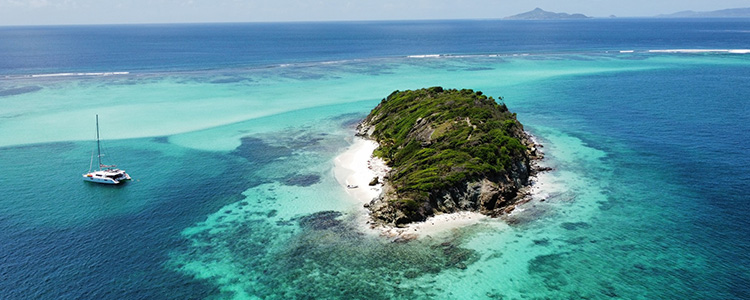
Travel to Cuba to backpack, study, intern, volunteer, work, or live as a digital nomad, expat or emigrant?

Image

Image
 Cuba

Intro

Backpacking or traveling in Cuba?

  • For the curious, adventurous travelers looking for something a little different. From beautiful hikes to historic sites and idyllic beaches. 

Studying in Cuba?

  • No universities with high rankings, but interesting environment and culture to spend your study time in. 

Internship in Cuba?

  • It is not easy to find an internship in Cuba, but there are opportunities for internships in Cuba, such as through international organizations.

Volunteering in Cuba?

  • Construction, conservation and education are particularly popular among volunteers. 

Working in Cuba?

  • There are opportunities with foreign companies, or in the tourism industry as a tour guide. 

Working as a digital nomad in Cuba?

  • A true off-the-beaten-path digital nomad destination. No good internet, challenges, but therefore perfect for getting in touch with the local community and culture. 

Living in Cuba?

  • A simple and romantic life, but with some challenges here and there. 

Supporting content

Cuba Country Bundle: suggestions, stories and tips
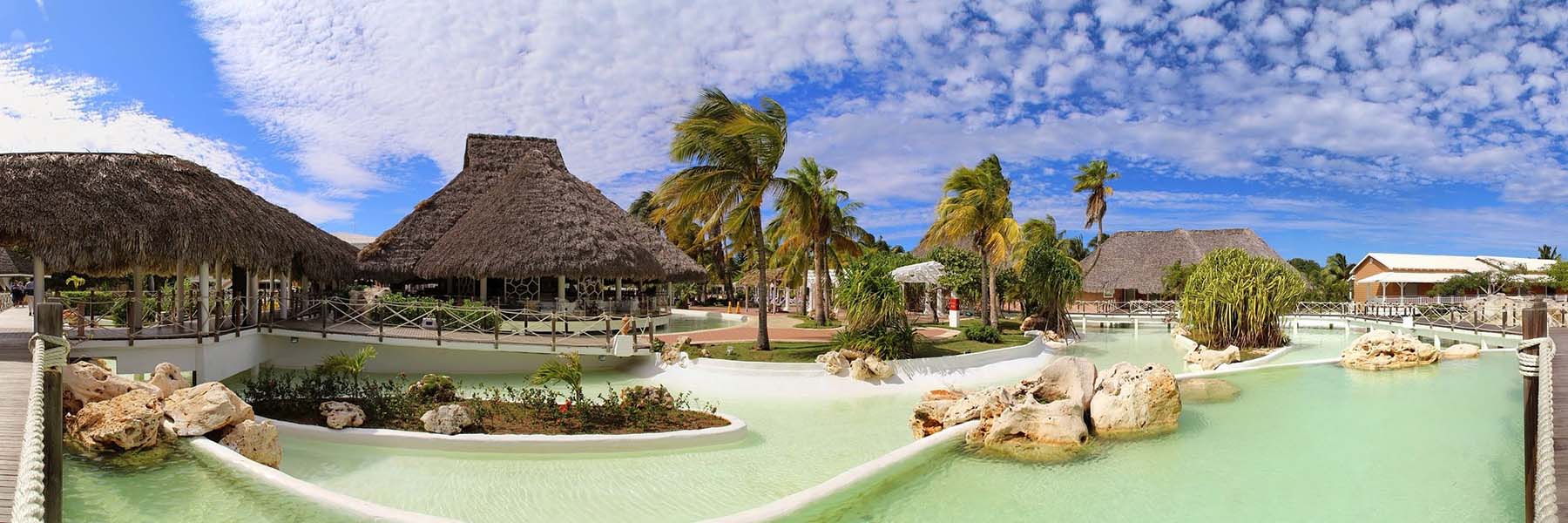
Cuba Country Bundle: suggestions, stories and tips

Image

Content about Cuba on WorldSupporter

Packing list for Cuba, travel insurance for Cuba, and taking your belongings

Packing list for Cuba, travel insurance for Cuba, and taking your belongings

Packing list for Cuba, travel insurance for Cuba, and taking your belongings

To take or not to take to Cuba, leave at home or arrange locally?

Sufficiently insured or not for your activities in Cuba?

Sufficiently insured or not for your trip to Cuba?

What to bring to Cuba: highlighted

Highlighted items:

  • Documents: passport valid for at least 6 months after arrival, visa and ESTA if you are traveling via the US. Proof of travel insurance, proof of exit and booking confirmation of your place of residence may also be required.
  • Money: bring euros or dollars. In Cuba you can exchange them for Cuban pesos.
  • Care: sunscreen is often scarce and expensive, so bringing your own with a high factor is handy.
  • Outdoor and conveniences: sunglasses for the sun and a raincoat for the rainy season.
  • Clothing: light and breathable clothing because it is often tropically warm.
  • Shoes: comfortable walking shoes in any case!
  • Medicines and travel kit: a small first aid kit with what you think you need, because pharmacies often have little stock.
  • Technology and equipment: world plug type A/B, the same as in the US.
  • Women: menstrual products can be hard to find, so bring your prefered products. 

What else can you bring:

  • Hygiene wipes/tissues because you don't always find soap or toilet paper in public places.
  • Power bank for when the power goes out.
  • Ereader or games for the evenings offline.
  • Reusable water bottle with filter.

What knowledge is useful when you go to Cuba?

  • Knowledge of Spanish is useful to take with you to Cuba.
  • Know the rules and know how to travel around and arrange things.

Are there mosquitoes in Cuba?

  • Yes, especially in the rainy season. They can transmit dengue and zika, among other things.
  • Havana and Varadero do have ways to combat mosquitoes, but outside of those places, you should definitely protect yourself well.

Are there sand flies in Cuba?

  • Sand flies are found in Cuba and are locally called jejenes.
  • They are particularly common during warm and humid periods and are most active during sunrise and sunset.

Can you buy DEET, or other anti-mosquito products, in Cuba?

  • If you are lucky, you will come across a stray bottle or receive one from another traveler.
  • It is best to bring your own substance of choice.

Where can you get your food and drinks in Cuba?

  • Casa particulares (guesthouses) often offer breakfast and dinner – and that is usually tastier than in restaurants.
  • Markets have vegetables, fruit, bread, eggs, and occasionally fish or chicken.
  • Restaurants (paladares) are often small-scale – you will find gems and disappointments.
  • Supermarkets are limited and unpredictable in terms of selection. Don't expect luxury.

Can you buy a beer or wine in Cuba, or take it to Cuba?

  • Buy? Absolutely. Rum is cheap and available everywhere, beer is also available, but wine is harder to find.
  • You are allowed to bring three bottles of alcohol, but always check the latest updates.

Can you buy a joint or weed in Cuba, or take it to Cuba?

  • No, definitely not! Cannabis is illegal and is severely punished.
  • So taking it with you is not possible either.
How does health care work in Cuba, and what travel insurance, health insurance or expat insurance do you need?

How does health care work in Cuba, and what travel insurance, health insurance or expat insurance do you need?

How does the health care system work in Cuba?

  • Cuba has a comprehensive health care system that is heavily regulated by the government. The country is internationally known for its focus on preventive care and excellent medical training of doctors. 
  • Health care through the Cuban National Health System (SNS) is free for residents, but special medical facilities and insurance are available for expatriates. 
  • The healthcare system is made up of three levels - primary, secondary and tertiary. 
  • Expats are required to purchase health insurance and cannot simply visit public institutions. For expats, there is an independent system called Servimed with more than 40 clinics for primary and specialty care. 
  • Hospitals and clinics do not accept foreign credit or debit cards. You are required to pay with contact money! 
  • Local Servimed pharmacies are often short of medications (except for medications for endemic diseases), so it may be wiser to bring your own from your home country. But be sure to pay close attention to import regulations. 
  • Psychiatric clinics are few and far between, and getting into them as an expat is difficult. 
  • Call 104 for emergency medical services. Medical evacuation may be required, should the situation be life-threatening.

How does the public health care system work in Cuba?

  • Healthcare is fully socialized and free to Cuban citizens. This applies to both basic care and specialized treatments. 
  • The country has very good doctors, but there can sometimes be a lack of medical equipment, medicine or infrastructure. 
  • You can find outpatient clinics and hospitals all over the country, but urban care is often better than rural areas. 

How does the private health care system work in Cuba?

  • Since the revolution by Fidel Castro, the two-part system has been abolished. 
  • So there are actually no private institutions - everything is run by the government. 
  • However, there are Servimed clinics that specially serve expats. Here you will often find better facilities as well. 

How is the general practitioner in Cuba arranged?

  • General doctors can be found in the Servimed clinics. 

How is the dentist in Cuba arranged?

  • The dental care sector has suffered a lot in Cuba in recent years. 
  • Facilities are often not in good condition and there is a lack of supplies. 

How is the pregnancy, obstetrics & maternity care arranged in Cuba?

  • Most births take place in the hospital or a birthing home. 
  • Much prenatal care is available, including regular checkups, ultrasounds and various tests. 
  • Births take place under the supervision of midwives and gynecologists. 
  • Cesarean sections are performed only when medically necessary. 
  • Abortion is legal and the country has one of the highest Abortion rates in Latin America. 
  • Another great aspect of the system: the government provides free access to contraceptives for locals!  

How safe or unsafe is a trip or stay in Cuba?

What should you pay attention to in terms of safely in Cuba?

  • Cuba is relatively safe and there is virtually no crime, although there is a chance of petty crime due to the economic situation.
  • There are some criminal “fake cab drivers,” particularly at the airport and around Old Havana. 
  • Car-related crime occurs in Havana and other tourist spots. Make sure you have a pre-arranged cab and keep doors and windows closed. 
  • Political activities or criticism of the government should be avoided as a foreigner. 
  • Do not take pictures in military zones or other closed areas. This can be seen as spying! 
  • Be sure to exchange money only at official Cadeca exchange offices. If you exchange your money anywhere else, you risk being fined or even imprisoned. 
  • From June to November is hurricane season in Cuba. During this season, floods and landslides are common. There may also be no electricity or water for a while after a hurricane. 

What should you pay attention to in terms of diseases in Cuba?

  • Some mosquito-borne diseases are common in Cuba. 
  • Drinking tap water is not recommended. 

What should you pay attention to in terms of traffic in Cuba?

  • Many means of transportation are not well maintained, streets are often poorly lit and poorly marked. 
  • Avoid driving at night because of the poor roads, the risk of crossing animals and people driving without lights.
  • Public transportation is often limited and very crowded. Cabs and rental cars are usually a more convenient option. 

Which work and travel insurance policies are suitable for short and long stays in Cuba?

  • Is the trip to Cuba and your return sufficiently covered? Are you sufficiently covered before, during and after your activities? Which insurance best suits your trip and your activity? Read more about insurances for abroad on JoHoinsurances.org.

What emigration and expat insurance can you take out for Cuba if you are going to live there for a while?

  • It is mandatory to have your own international health insurance before entering Cuba. Read more about insurances for abroad on Expatinsurances.org.
Cuba: Updates & Travel

Cuba: Updates & Travel

Travel in Cuba

  • Cuba is one of our favorite islands in the Caribbean. The country still looks like the one you see in the movie Dirty Dancing 2. Dance in the streets with Cuban music among the colonial houses. Be quick, because authentic Cuba is fast disappearing. Nevertheless, it is still a treat to travel around here!
  • Take a walk along Havana's dilapidated but beautiful Malecon waterfront. This boulevard leads from Old Havana to West Fedado.
  • Immerse yourself in Cuban nightlife, with Cuban salsa. Every Saturday night at 8, for example, there is a big party (Fiesta de la Cubania) in the streets of Bayamo (Bayamo's street party).
  • In Las Tunas there is a market every weekend where things are sold. There is also singing and dancing. A good chance to meet the locals.
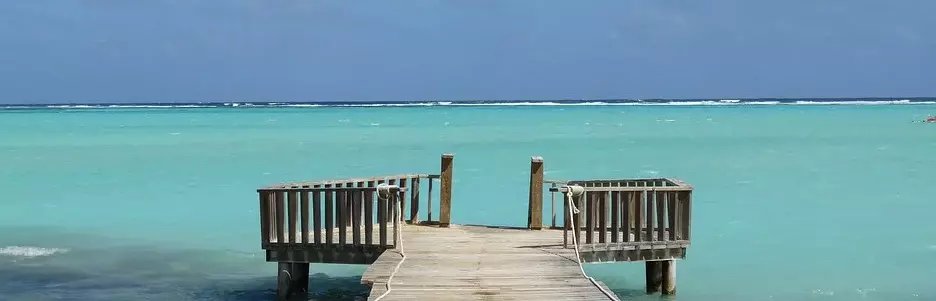
  • Enjoy sun, sea and beach. For example, at Varadero, Playas del Este (Havana) or Havana Riviera (Santa María).
  • Wander through Castillo de La Real Fuerza, Havana's oldest fort. By the way, the fort was built in the wrong place.
  • Baracao is a seaside place with beautiful nature. The road to it “La Farola” is also beautiful.
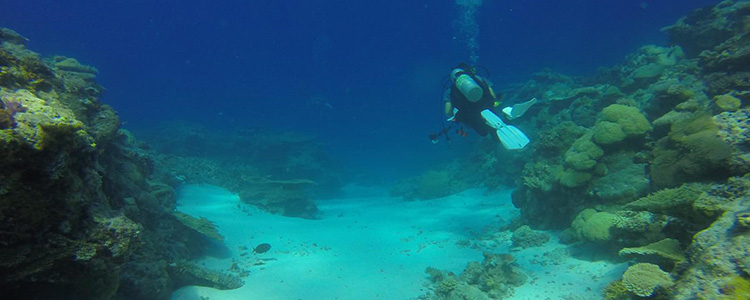
  • Isla de la Juventud: The perfect place to go diving with over 30 coral reefs. Also nice that it is not very touristy here yet.
  • Trinidad is a colonial city founded in 1514. With elegant houses, and cobblestone streets with horses running over them.
  • Pinar del Rio: A Cuban province that many say has the most beautiful nature. Including stalactite caves with underground rivers.
  • Cayo Largo: Precisely because the island is so hideously touristy, it is almost a paradise on earth. The place to relax on typical Caribbean beaches.
  • The old Cuba is slowly disappearing, as more and more capitalist influences are gradually being allowed in. Visit Cuba when you are able to.

Updates Cuba

  • More about Cuba, updates and contributions, see the link below.


Supporting content:
How does health care work in Cuba, and what travel insurance, health insurance or expat insurance do you need?

How does health care work in Cuba, and what travel insurance, health insurance or expat insurance do you need?

How does the health care system work in Cuba?

  • Cuba has a comprehensive health care system that is heavily regulated by the government. The country is internationally known for its focus on preventive care and excellent medical training of doctors. 
  • Health care through the Cuban National Health System (SNS) is free for residents, but special medical facilities and insurance are available for expatriates. 
  • The healthcare system is made up of three levels - primary, secondary and tertiary. 
  • Expats are required to purchase health insurance and cannot simply visit public institutions. For expats, there is an independent system called Servimed with more than 40 clinics for primary and specialty care. 
  • Hospitals and clinics do not accept foreign credit or debit cards. You are required to pay with contact money! 
  • Local Servimed pharmacies are often short of medications (except for medications for endemic diseases), so it may be wiser to bring your own from your home country. But be sure to pay close attention to import regulations. 
  • Psychiatric clinics are few and far between, and getting into them as an expat is difficult. 
  • Call 104 for emergency medical services. Medical evacuation may be required, should the situation be life-threatening.

How does the public health care system work in Cuba?

  • Healthcare is fully socialized and free to Cuban citizens. This applies to both basic care and specialized treatments. 
  • The country has very good doctors, but there can sometimes be a lack of medical equipment, medicine or infrastructure. 
  • You can find outpatient clinics and hospitals all over the country, but urban care is often better than rural areas. 

How does the private health care system work in Cuba?

  • Since the revolution by Fidel Castro, the two-part system has been abolished. 
  • So there are actually no private institutions - everything is run by the government. 
  • However, there are Servimed clinics that specially serve expats. Here you will often find better facilities as well. 

How is the general practitioner in Cuba arranged?

  • General doctors can be found in the Servimed clinics. 

How is the dentist in Cuba arranged?

  • The dental care sector has suffered a lot in Cuba in recent years. 
  • Facilities are often not in good condition and there is a lack of supplies. 

How is the pregnancy, obstetrics & maternity care arranged in Cuba?

  • Most births take place in the hospital or a birthing home. 
  • Much prenatal care is available, including regular checkups, ultrasounds and various tests. 
  • Births take place under the supervision of midwives and gynecologists. 
  • Cesarean sections are performed only when medically necessary. 
  • Abortion is legal and the country has one of the highest Abortion rates in Latin America. 
  • Another great aspect of the system: the government provides free access to contraceptives for locals!  

How safe or unsafe is a trip or stay in Cuba?

What should you pay attention to in terms of safely in Cuba?

  • Cuba is relatively safe and there is virtually no crime, although there is a chance of petty crime due to the economic situation.
  • There are some criminal “fake cab drivers,” particularly at the airport and around Old Havana. 
  • Car-related crime occurs in Havana and other tourist spots. Make sure you have a pre-arranged cab and keep doors and windows closed. 
  • Political activities or criticism of the government should be avoided as a foreigner. 
  • Do not take pictures in military zones or other closed areas. This can be seen as spying! 
  • Be sure to exchange money only at official Cadeca exchange offices. If you exchange your money anywhere else, you risk being fined or even imprisoned. 
  • From June to November is hurricane season in Cuba. During this season, floods and landslides are common. There may also be no electricity or water for a while after a hurricane. 

What should you pay attention to in terms of diseases in Cuba?

  • Some mosquito-borne diseases are common in Cuba. 
  • Drinking tap water is not recommended. 

What should you pay attention to in terms of traffic in Cuba?

  • Many means of transportation are not well maintained, streets are often poorly lit and poorly marked. 
  • Avoid driving at night because of the poor roads, the risk of crossing animals and people driving without lights.
  • Public transportation is often limited and very crowded. Cabs and rental cars are usually a more convenient option. 

Which work and travel insurance policies are suitable for short and long stays in Cuba?

  • Is the trip to Cuba and your return sufficiently covered? Are you sufficiently covered before, during and after your activities? Which insurance best suits your trip and your activity? Read more about insurances for abroad on JoHoinsurances.org.

What emigration and expat insurance can you take out for Cuba if you are going to live there for a while?

  • It is mandatory to have your own international health insurance before entering Cuba. Read more about insurances for abroad on Expatinsurances.org.

Image ACTIVITIES

Check courses, jobs, projects, recipes, suggestions and tips related to: 'Cuba'

ACTIVITIES
Take intensive spanish classes in Latin America

Take intensive Spanish classes in Latin America. Several on-site courses offered in Argentina, Chile, Peru, Mexico, Guatemala, Costa Rica, Colombia, Cuba, Panama, Dominican Republic and Ecuador. Immerse yourself in a Spanish speaking environment by choosing for home stay accommodation.

CHECK MORE ACTIVITIES

Select any filter and click on Apply to see results

Activities abroad: home bundle

Main content and contributions for activities abroad

,,,accommodations, adventure activities, courses, internships, jobs and volunteer projects

...to help another, travel with care, work together , learn

........Read more
Activities abroad: home page

Activities abroad: home page

From language courses to gap year abroad, from work experience to volunteering abroad, from paid work to internship abroad, from mountaineering to diving and from backpacking to travel around the world

    What social activities can you do abroad?

    • Opportunities are found in the areas of helping, learning or studying. You can get involved to volunteer in a social project at a school in Africa, Asia or Latin America. You can get involved in nature, in a project with animals or cleaning the sea or beaches. Those who want to learn more can choose for example a language course in Latin America, Spain or South Africa.

    What work related activities can you do abroad?

    • If you want to gain work experience, and/or also earn money, go and work abroad. You can combine backpacking in Australia with temporary work. You can work on campsites in Europe or bush camps in Africa. You can pretty much go all over the world to work in the hospitality industry, hotels and hostels, in the healthcare sector or for example at a diving school.

    What sports activities to do abroad?

    • Have you ever thought of mountain biking, rafting (going down a wild river on a raft or rubber dinghy, climbing or canoeing), survival (which involves building rafts, climbing or canoeing), abseiling (descending a rock face while secured to ropes), zip-lining (whizzing down a cable), canyoning (starting at the top of a river and then climbing, swimming, diving down the bed) or caving (scrambling, wriggling and crawling through caves and crevices)?
    • Maybe you feel more comfortable on a bodyboard (on a half-wave surfboard, you surf the high waves lying down-with flippers), on a hang glider or while paragliding (with a parachute you float down a mountain or dune), hydrospeeding (on a bodyboard with flippers and a wetsuit on you go down a wild river via rapids) or Tiefschneeskiing (racing down through powder snow)?

    Check the pages below for more activities and inspiration and where to go and how to arrange it

      Image STORIES

      Check blogs, experiences and information related to: 'Cuba'

      STORIES
      Image

      Toeristenvisum Een toeristenvisum (touristcard) is verplicht voor Cuba. Deze is geldig voor 30 dagen, en kan in Cuba nog eens 30 dagen verlengd worden (bij je hotel of de immigratiedienst). Een terugvlucht is verplicht. Je kunt je visum aanvragen bij het consulaat in Nederland, en dit kan ook&n...

      Cuba: Updates & Travel
      • Travel in Cuba
      • Updates Cuba
      • Travel in Cuba

        • Cuba is one of our favorite islands in the Caribbean. The country still looks like the one you see in the movie Dirty Dancing 2. Dance in the streets with Cuban music among the colonial houses. Be quick, because authe...
      CHECK MORE STORIES

      Select any filter and click on Apply to see results

      Countries & Destinations: home bundle

      Bundled content, suggestions, stories and tips about the countries and destinations in the world

      ...to help another, travel with care, work together , learn to share and inspire........Read more

      Africa: country bundles

      Africa: country bundles

      Access: 
      Public
      Asia: country bundles

      Asia: country bundles

      Country bundles of Asian countries

      Access: 
      Public
      Europe: country bundles

      Europe: country bundles

      Country bundles of European countries

      Access: 
      Public
      The Caribbean: country bundles

      Image ORGANIZATIONS

      Check sectors and organizations related to: 'Cuba'

      ORGANIZATIONS
      StudyTravel

      StudyTravel consists of a permanent team of enthusiastic employees, all with experience abroad. You can go there to learn various languages such as Italian, German, Chinese, Portuguese, Korean, Russian, French, English, Japanese, and of course Spanish! If you have booked with StudyTravel using the a...

      Mambo Reizen
      Mambo biedt een zeer divers aanbod aan verschillende actieve vakanties en tours aan voor jongeren op alle continenten. Voorbeelden zijn duikvakanties, Klimvakanties, Skivakanties of rondreizen Voor het begeleiden van deze jongeren reizen is Mambo jaarlijks op zoek naar reisleiders
      Oak travel - Reizen, werken & avontuur voor jonge reizigers

      Oak Travel biedt, taalcursussen, avontuurlijke groepsreizen en vrijwilligerswerk voor jongeren naar unieke bestemmingen wereldwijd. Van een surfkamp in Costa Rica tot bungeejumpen in Nieuw-Zeeland en van een bezoek aan de Grand Canyon tot vrijwilligerswerk met neushoorns in Zimbabwe.

      CHECK MORE ORGANIZATIONS

      Select any filter and click on Apply to see results

      Organizations & Services: home bundle

      Bundled content, suggestions, stories and tips about organizations and their products and services

      ...to help another, travel with care, work together, learn to share and inspire with

      ........Read more
      Organizations: home page
      Organizations: for administrative, tax and legal work and consulting
      Organizations: for agriculture, grape picking, farming and vineyards
      Organizations: for animal protection, animal care and working with wildlife abroad
      Organizations: for au pairs, youth work and child care abroad
      Organizations: for bush camping and working at a campsite abroad
      Organizations: for catering, hospitality and entertainment abroad
      Organizations: for civil society and social work abroad
      Organizations: for corporate business services
      Organizations: for customer services abroad and help desks
      Organizations: for diving, snorkeling and water sports abroad
      Organizations: for education and schools abroad
      Organizations: for expatriate insurances, travel insurances, and emergency call centers
      Organizations: for gap year activities abroad and sabbaticals
      Organizations: for internship placement abroad
      Organizations: for insurances and finance abroad
      Organizations: for IT, engineering and construction
      Organizations: for language travel and language teaching abroad
      Organizations: for marketing, communication and PR
      Organizations: for mediation in au pairs, childcare and elderly care in the Netherlands
      Organizations: for moving, international relocation and transport abroad
      Organizations: for nature conservation, environmental protection and working in nature abroad
      Organizations: for nonprofit projects, development work and international cooperation
      Organizations: for online work as digital nomad, freelancer, or independent entrepreneur from abroad
      Organizations: for outdoor activities and sports
      Organizations: for providing accommodation and hospitality work in hotels, guesthouses, ecolodges and hostels abroad
      Organizations: for providing healthcare and working in medical care abroad
      Organizations: for psychological assistance and mental health care abroad
      Organizations: for real estate, brokerage abroad and property rental abroad
      Organizations: for research and scientific work abroad
      Organizations: for student support and student associations
      Organizations: for tour guidance and adventure tours abroad
      Organizations: for tourism and organized travel and leisure work abroad
      Organizations: for voluntary work mediation and project placement abroad
      Organizations: for yacht and shipping crew and working on a cruise ship abroad

      Image SUMMARIES

      Check summaries and study assistance related to: 'Cuba'

      CHECK MORE SUMMARIES

      Select any filter and click on Apply to see results

      Image

      SPOTLIGHT & FAVORITES

      SPOTLIGHT
      Image

      Backpack, travel, intern, live, study, volunteer or work in the Caribbean Antigua and Barbuda - Aruba - Bahamas, The - Barbados - Bonaire - Cuba - Curaçao - Dominica - Dominican Republic - Grenada - Haiti - Jamaica - Puerto Rico - Saba - Saint Kitts and Nevis - Saint Lucia - Saint Vincent and...

      Image

      Toeristenvisum Een toeristenvisum (touristcard) is verplicht voor Cuba. Deze is geldig voor 30 dagen, en kan in Cuba nog eens 30 dagen verlengd worden (bij je hotel of de immigratiedienst). Een terugvlucht is verplicht. Je kunt je visum aanvragen bij het consulaat in Nederland, en dit kan ook&n...

      FAVORITES

      Safety, insurances and packing list for Cuba

      How does health care work in Cuba, and what travel insurance, health insurance or expat insurance do you need?

      How does health care work in Cuba, and what travel insurance, health insurance or expat insurance do you need?

      How does the health care system work in Cuba?

      • Cuba has a comprehensive health care system that is heavily regulated by the government. The country is internationally known for its focus on preventive care and excellent medical training of doctors. 
      • Health care through the Cuban National Health System (SNS) is free for residents, but special medical facilities and insurance are available for expatriates. 
      • The healthcare system is made up of three levels - primary, secondary and tertiary. 
      • Expats are required to purchase health insurance and cannot simply visit public institutions. For expats, there is an independent system called Servimed with more than 40 clinics for primary and specialty care. 
      • Hospitals and clinics do not accept foreign credit or debit cards. You are required to pay with contact money! 
      • Local Servimed pharmacies are often short of medications (except for medications for endemic diseases), so it may be wiser to bring your own from your home country. But be sure to pay close attention to import regulations. 
      • Psychiatric clinics are few and far between, and getting into them as an expat is difficult. 
      • Call 104 for emergency medical services. Medical evacuation may be required, should the situation be life-threatening.

      How does the public health care system work in Cuba?

      • Healthcare is fully socialized and free to Cuban citizens. This applies to both basic care and specialized treatments. 
      • The country has very good doctors, but there can sometimes be a lack of medical equipment, medicine or infrastructure. 
      • You can find outpatient clinics and hospitals all over the country, but urban care is often better than rural areas. 

      How does the private health care system work in Cuba?

      • Since the revolution by Fidel Castro, the two-part system has been abolished. 
      • So there are actually no private institutions - everything is run by the government. 
      • However, there are Servimed clinics that specially serve expats. Here you will often find better facilities as well. 

      How is the general practitioner in Cuba arranged?

      • General doctors can be found in the Servimed clinics. 

      How is the dentist in Cuba arranged?

      • The dental care sector has suffered a lot in Cuba in recent years. 
      • Facilities are often not in good condition and there is a lack of supplies. 

      How is the pregnancy, obstetrics & maternity care arranged in Cuba?

      • Most births take place in the hospital or a birthing home. 
      • Much prenatal care is available, including regular checkups, ultrasounds and various tests. 
      • Births take place under the supervision of midwives and gynecologists. 
      • Cesarean sections are performed only when medically necessary. 
      • Abortion is legal and the country has one of the highest Abortion rates in Latin America. 
      • Another great aspect of the system: the government provides free access to contraceptives for locals!  

      How safe or unsafe is a trip or stay in Cuba?

      What should you pay attention to in terms of safely in Cuba?

      • Cuba is relatively safe and there is virtually no crime, although there is a chance of petty crime due to the economic situation.
      • There are some criminal “fake cab drivers,” particularly at the airport and around Old Havana. 
      • Car-related crime occurs in Havana and other tourist spots. Make sure you have a pre-arranged cab and keep doors and windows closed. 
      • Political activities or criticism of the government should be avoided as a foreigner. 
      • Do not take pictures in military zones or other closed areas. This can be seen as spying! 
      • Be sure to exchange money only at official Cadeca exchange offices. If you exchange your money anywhere else, you risk being fined or even imprisoned. 
      • From June to November is hurricane season in Cuba. During this season, floods and landslides are common. There may also be no electricity or water for a while after a hurricane. 

      What should you pay attention to in terms of diseases in Cuba?

      • Some mosquito-borne diseases are common in Cuba. 
      • Drinking tap water is not recommended. 

      What should you pay attention to in terms of traffic in Cuba?

      • Many means of transportation are not well maintained, streets are often poorly lit and poorly marked. 
      • Avoid driving at night because of the poor roads, the risk of crossing animals and people driving without lights.
      • Public transportation is often limited and very crowded. Cabs and rental cars are usually a more convenient option. 

      Which work and travel insurance policies are suitable for short and long stays in Cuba?

      • Is the trip to Cuba and your return sufficiently covered? Are you sufficiently covered before, during and after your activities? Which insurance best suits your trip and your activity? Read more about insurances for abroad on JoHoinsurances.org.

      What emigration and expat insurance can you take out for Cuba if you are going to live there for a while?

      • It is mandatory to have your own international health insurance before entering Cuba. Read more about insurances for abroad on Expatinsurances.org.
      Packing list for Cuba, travel insurance for Cuba, and taking your belongings

      Packing list for Cuba, travel insurance for Cuba, and taking your belongings

      Packing list for Cuba, travel insurance for Cuba, and taking your belongings

      To take or not to take to Cuba, leave at home or arrange locally?

      Sufficiently insured or not for your activities in Cuba?

      Sufficiently insured or not for your trip to Cuba?

      What to bring to Cuba: highlighted

      Highlighted items:

      • Documents: passport valid for at least 6 months after arrival, visa and ESTA if you are traveling via the US. Proof of travel insurance, proof of exit and booking confirmation of your place of residence may also be required.
      • Money: bring euros or dollars. In Cuba you can exchange them for Cuban pesos.
      • Care: sunscreen is often scarce and expensive, so bringing your own with a high factor is handy.
      • Outdoor and conveniences: sunglasses for the sun and a raincoat for the rainy season.
      • Clothing: light and breathable clothing because it is often tropically warm.
      • Shoes: comfortable walking shoes in any case!
      • Medicines and travel kit: a small first aid kit with what you think you need, because pharmacies often have little stock.
      • Technology and equipment: world plug type A/B, the same as in the US.
      • Women: menstrual products can be hard to find, so bring your prefered products. 

      What else can you bring:

      • Hygiene wipes/tissues because you don't always find soap or toilet paper in public places.
      • Power bank for when the power goes out.
      • Ereader or games for the evenings offline.
      • Reusable water bottle with filter.

      What knowledge is useful when you go to Cuba?

      • Knowledge of Spanish is useful to take with you to Cuba.
      • Know the rules and know how to travel around and arrange things.

      Are there mosquitoes in Cuba?

      • Yes, especially in the rainy season. They can transmit dengue and zika, among other things.
      • Havana and Varadero do have ways to combat mosquitoes, but outside of those places, you should definitely protect yourself well.

      Are there sand flies in Cuba?

      • Sand flies are found in Cuba and are locally called jejenes.
      • They are particularly common during warm and humid periods and are most active during sunrise and sunset.

      Can you buy DEET, or other anti-mosquito products, in Cuba?

      • If you are lucky, you will come across a stray bottle or receive one from another traveler.
      • It is best to bring your own substance of choice.

      Where can you get your food and drinks in Cuba?

      • Casa particulares (guesthouses) often offer breakfast and dinner – and that is usually tastier than in restaurants.
      • Markets have vegetables, fruit, bread, eggs, and occasionally fish or chicken.
      • Restaurants (paladares) are often small-scale – you will find gems and disappointments.
      • Supermarkets are limited and unpredictable in terms of selection. Don't expect luxury.

      Can you buy a beer or wine in Cuba, or take it to Cuba?

      • Buy? Absolutely. Rum is cheap and available everywhere, beer is also available, but wine is harder to find.
      • You are allowed to bring three bottles of alcohol, but always check the latest updates.

      Can you buy a joint or weed in Cuba, or take it to Cuba?

      • No, definitely not! Cannabis is illegal and is severely punished.
      • So taking it with you is not possible either.

      Image ALL CONTENT

      Search all related content within the topic: 'Cuba'

      ALL CONTENT WITHIN TOPIC

      Select any filter and click on Apply to see results

      Check or search within: topics, countries and studies only

      Search only via club, country, goal, study, topic or sector

      Image

      TOPICS : check associated topics and more activities

      Selected Worldsupporter pages in relation with the topic
      Themes: main theme pages for activities abroad (intern, study, travel, volunteer, work or emigrate)

      WorldSupporter Theme pages for activities abroad

      Intern, study, travel, volunteer, work or emigrate

      Activities Abroad - Theme
      Best travel time for weather, climate and activities abroad, and the worst time to go!
      Backpacking and travel your way around the world - Theme
      Emigration and moving abroad - Theme
      Gap Year, Time out and Sabbatical - Theme
      Internship Abroad - Theme
      Learning languages and language courses abroad - Theme
      Remote working abroad and digital nomads - Theme
      Study Abroad - Theme
      Teaching Abroad and Working in Education - Theme
      Travel insurances and insurances for long term abroad - Theme
      Travel gear and packing lists for going abroad - Worldsupporter Theme
      Volunteer abroad - Theme
      Work abroad and working holidays - Theme
      Stay safe and insured
      Go abroad!