Travel to Gambia to backpack, study, intern, volunteer, work, or live as a digital nomad, expat or emigrant?

Image

Image
 Gambia

Intro

Backpacking or traveling in Gambia?

  • A small country on the west coast of Africa, popular among travelers and among birds. It is almost invisible on the map and yet there is much to experience. 
  • Activity spotting: spot the monkeys in Bijilo Forest Park, go on an animal trek in River Gambia National Park, visit Albert Market in Banjul, discover the colonial past on Fort James Island, Kunta Kinteh Island and at the Juffureh Slavery Museum, learn about Gambia at Tanjij Village Museum, visit the fish market, relax on the beautiful beaches and go on a bird watching tour.  
  • One or two weeks is enough to explore the country. 

Study in Gambia?

  • Gambia has a limited number of higher education institutions. The country is not known for good quality education, but there are a variety of courses available including law, architecture, medicine, IT and business administration. 
  • English is the main language, so that makes studying in Gambia a lot more accessible. 

Internship in Gambia?

  • There are some internship opportunities in Gambia, particularly with NGOs. Consider internships in child care and community development. 
  • Competencies: cultural sensitivity, language skills, working in constrained conditions, making decisions quickly and effectively, social awareness. 

Volunteering in Gambia?

  • There are volunteer opportunities in health care, elder care, child care, education, sports, women's empowerment, nature conservation. 

Working in Gambia?

  • It is not easy to find a job. The easiest thing is to create a network first. The best chances are with international organizations, such as NGOs or political/global institutions. There are also opportunities at international companies in the field of tourism and hospitality. It is also possible to work as an English teacher. 

Working as a digital nomad in Gambia?

  • Gambia is not very popular among digital nomads, mainly because of the often unreliable Internet and security.
  • Favorite locations: Banjul, Serekunda, Brikama. 

Living in Gambia?

  • Gambia is a small, predominantly Muslim country in West Africa. The people are friendly and the beaches beautiful. Most expats in Gambia work for the UN or an NGO, or have set up their own businesses in the tourism industry. 
  • Life is a lot slower, so nice to slow down and learn to deal with slow bureaucracy. Also, life is pretty cheap! 
  • Health care leaves much to be desired and Malaria is a big problem, so be aware of that. 
  • Arrange your health insurance well.

Supporting content

Supporting content:
Gambia Country Bundle: suggestions, stories and tips

Gambia Country Bundle: suggestions, stories and tips

Image

Content about Gambia on WorldSupporter

Gambia: Updates & Travel

Gambia: Updates & Travel

Travel in Gambia?

  • One of the smallest and also most pleasant countries in Africa. The country is 500 km long and follows the Gambia River. Gambia is only 25 to 50 km wide. Besides the fantastic beaches, the picturesque villages and the presence of hundreds of bird species are enough reason for a perfect vacation of one or two weeks.
  • Stroll along the market stalls in Serrakunda.
  • Spot birds on MacCarthy Island.
  • Relax on one of the quiet beaches at Gunjur.
  • Sanyang and Kartong.
  • Take a bicycle tour or arrange a boat trip on the Gambia River.
  • Bakau, the second city after Banjul is a lot less touristy than Banjul itself. The city's attractions include a botanical garden and a sacred crocodile pond. 
  • Niumi National Park, a national park with one of the largest mangrove forests in the world and an interesting mix of fresh and salt water vegetation.
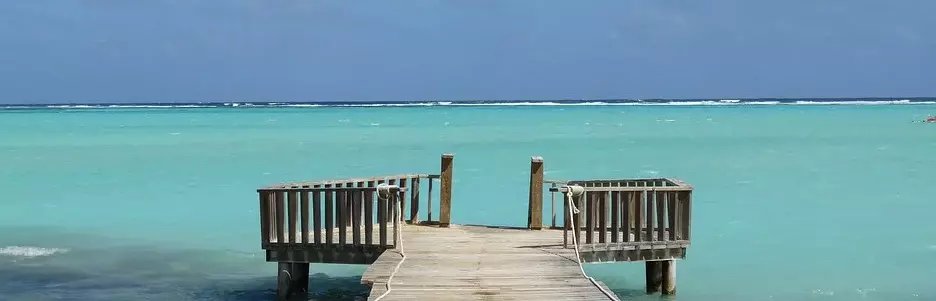
  • Beaches: the Bakau beach to watch fishing boats and the activity around them, the Bijillo beach for quiet sunbathing and the Fajara beach(s) for beautiful sunsets and red cliffs.
  • The Gambia is hot, very hot. So seek mostly shade and drink plenty of water. Despite the heat, it is not appropriate to be scantily clad since The Gambia is an Islamic country.
  • Residents are used to addressing everyone, especially some men can become awkward toward white women. Interested men stick around, offer gifts and try to woo women in many ways. By hooking up with a Western woman, they hope to leave Gambia. Nothing to it, just indicate that you are not interested (should that be the case).
  • Be prepared that the electricity fails regularly.

Updates Gambia

  • More about Gambia, updates and contributions, see the link below.
Packing list for Gambia, travel insurance for Gambia, and taking your belongings

Packing list for Gambia, travel insurance for Gambia, and taking your belongings

Packing list for Gambia, travel insurance for Gambia, and taking your belongings

To take or not to take to Gambia, leave at home or arrange locally?

Sufficiently insured or not for your activities in Gambia?

Sufficiently insured or not for your trip to Gambia

What to bring to Gambia: highlighted

Highlighted items:

  • Documents: a passport with at least 6 months validity, and an online and offline copy. Copy/screenshot of your visa if you need it.
  • Money: having sufficient Gambian dalasi (GMD) or pounds is useful. ATMs are available in urban areas, so your debit card will come in handy for that.
  • Care: high factor sunscreen and after-sun in case things go wrong.
  • Outdoor and conveniences: head protection such as a cap or hat if you don't want a boiling head and of course some sunglasses.
  • Clothing: light clothing made of cotton or linen that covers your shoulders and knees due to local customs. (See also tropical clothing and clothing for warm weather)
  • Shoes: sandals/slippers for the beach and closed shoes for walks and excursions.
  • Medicines and travel pharmacy: anti-diarrhea medication, plasters, possibly malaria medication, painkillers and ORS are certainly useful in Gambia. And your vaccinations of course.
  • Safety: for your sense of security, a money belt or fanny pack for your valuables is good to have.
  • Technology and equipment: world plug type G, you may still have one from a visit to the UK (see also world plug or travel plug).

What else can you take with you:

  • Water bottle with filter, you will definitely be happy with that.
  • Flashlight for when the power goes out again.
  • A small power bank, also for when the power goes out.

What knowledge is useful when you go to Gambia?

  • Knowledge of the culture (mainly Islamic) and local customs.
  • Knowledge of local regulations.

Are there mosquitoes in Gambia?

  • There are quite a few mosquitoes in Gambia.
  • The number of mosquitoes increases significantly during the rainy season.
  • Because they can transmit diseases such as malaria, it is important to protect yourself.

Are there sand flies in Gambia?

  • Sandflies are present in Gambia, particularly in the savannah regions and also in some wetter areas.
  • There is a risk of getting leishmaniasis.

Can you buy DEET, or other mosquito repellents, in Gambia?

  • It is possible to find DEET in Gambia, in the large shops and chemists, but finding specific products, such as mosquito spray that is safe for children, can be difficult.
  • So it is useful to bring your own, prefered products.

Where can you get your food and drinks in Gambia?

  • There are supermarkets that may not be that big, but they sell everything you need.
  • There are restaurants with all kinds of cuisines - from Indian to Italian and beach bars with all kinds of snacks.
  • Local barbecues - “Afra takeaways”, on the street where you mainly encounter meat. It does occasionally cause traveller's diarrhoea.

Can you buy a beer or wine in Gambia, or take it to Gambia?

  • Yes, alcohol is legal and can be bought everywhere: supermarkets, bars, resorts.
  • You may import a maximum of 1 liter of spirits, 24 cans of beer or 1 liter of wine duty-free upon arrival.

Can you buy a joint or weed in Gambia, or take it with you to Gambia?

  • No, cannabis is illegal.
  • You will also have to leave your own supply at home.
  • Even small amounts or edibles are punishable. There are severe penalties for possession and use.
How does healthcare work in Gambia, and what travel insurance, health insurance or expat insurance do you need?

How does healthcare work in Gambia, and what travel insurance, health insurance or expat insurance do you need?

How does the healthcare system work in Gambia?

What is the quality of healthcare in Gambia?

  • Despite Gambia having one of the best health coverage systems in Africa (more than 80% of the population has access to care), the Gambian healthcare system faces many challenges, such as shortages of staff, infrastructure, and medicines. Fortunately, the government is working to expand both the public and private healthcare systems in the coming years.
  • The Gambian healthcare system consists of three levels:
  • Primary care: Health centers in villages and smaller communities.
  • Secondary care: Regional hospitals providing specialized care.
  • Tertiary care: Large hospitals and specialized institutions such as the Royal Victoria Teaching Hospital and the Medical Research Council (MRC) in Fajara.
  • The government (Ministry of Health) is responsible for policy, planning, and primary care networks; international partners donate significant resources and personnel, including through NGOs.
  • Quality and capacity vary widely. Urban areas such as Banjul and Kombo are better equipped than rural areas. Staff shortages and medicine shortages are not uncommon in rural areas. Pharmacies are available throughout the country, but medication availability isn't always guaranteed.
  • For medical emergencies, dial 116 or 1515. There are also several 24-hour doctors and medical facilities. Some institutions also have their own ambulance services.

How does the public healthcare system work in Gambia?

  • The Ministry of Health and Social Welfare is responsible for coordinating healthcare in the country.
  • Health centers and community clinics are located throughout the country. They offer preventive, prenatal, and primary care.
  • The main public hospitals are the Edward Francis Small Teaching Hospital (EFSTH, formerly RVTH) and Kanifing General Hospital (KGH). Specialist care is available at these.
  • The public system is far from ideal. Capacity is limited, there are often long wait times, and shortages of equipment and medications. Therefore, most people who can afford it choose private options.

How does the private healthcare system work in Gambia?

  • The private sector is growing in Gambia and is an important complement to the public system for both locals and foreigners.
  • There are private clinics, laboratories, specialist practices, and private hospitals/clinics in Banjul and tourist areas.
  • Private healthcare offers faster access, more modern equipment, and sometimes internationally trained staff.
  • It is more expensive, however, and usually requires out-of-pocket expenses or through good private (travel) insurance.
  • The National Health Insurance Authority (NHIA) regulates private insurance.

How is the general practitioner arranged in Gambia?

  • The first point of contact for care is found in health centers and clinics and often consists of clinical officers, nurses, and a growing number of general practitioners (GPs) in urban centers.
  • In rural areas, you will usually be treated by nurses who refer you to district hospitals; in Banjul, you will find more private doctors and walk-in clinics.
  • For routine consultations, vaccinations, and simple treatments, you can go to local clinics; for more complex problems, go to EFSTH or Kanifing/KGH.

How is the dentist arranged in Gambia?

  • Basic dental care is offered in some public hospitals/clinics, but much of it is private.
  • In rural areas, access to dental care is limited.
  • Tourists and (temporary) residents often use private clinics in Banjul/Kombo.
  • Reviews of dental clinics can often be found on (expat) forums.

How is pregnancy care arranged in Gambia?

  • Maternity care in Gambia is limited, and maternal mortality rates are high. The country faces many challenges, such as strong population growth, low incomes, and high government debt. Fortunately, there are programs and projects to increase safe deliveries, but maternal mortality and access in rural areas remain a concern.
  • Prenatal and postpartum care in the public sector is primarily available in the maternity wards of large hospitals such as the KGH. However, many challenges remain.
  • Private care might be better, but for complications, referral to larger hospitals is necessary, but in some complex cases, referral abroad is necessary.

How safe or unsafe is a trip or stay in Gambia?

What should you pay attention to in terms of safety in Gambia?

  • Many areas in Gambia are relatively safe for tourists, but crime (including pickpocketing and theft) and road safety are important considerations.
  • Keep valuables safe and don't leave items unattended in cars; be careful in crowded markets and when driving at night.
  • It is important to follow local advice and monitor health situations.

What should you look out for in terms of diseases in Gambia?

  • Tap water is not safe to drink and can significantly disrupt your vacation. Drink filtered water and be sure to bring some ORS.
  • Yellow fever and malaria are common, as is HIV/AIDS. 
  • Because healthcare is limited, medical evacuation may be necessary.

What should you pay attention to when it comes to traffic in Gambia?

  • Traffic drives on the left, roads can be poorly lit or even unlit, and the roads are not always safe.
  • Outside the cities, four-wheel-drive vehicles are required during the rainy season.

What work and travel insurance policies are suitable for short and long stays in Gambia?

  • Is the trip to Gambia and your return sufficiently covered? Are you sufficiently covered before, during and after your activities? Which insurance best suits your trip and your activity? Read more about insurances for abroad on JoHoinsurances.org.

What emigration and expat insurance can you take out for Gambia if you are going to live there for a while?

  • When applying for your visa, you are usually required to be able to prove that you have valid health insurance.
  • If you have private insurance, you can choose your own doctor in Gambia.
  • Read more about insurances for abroad on Expatinsurances.org.

Image ACTIVITIES

Check courses, jobs, projects, recipes, suggestions and tips related to: 'Gambia'

ACTIVITIES
CHECK MORE ACTIVITIES

Select any filter and click on Apply to see results

Activities abroad: home bundle

Main content and contributions for activities abroad

,,,accommodations, adventure activities, courses, internships, jobs and volunteer projects

...to help another, travel with care, work together , learn

........Read more
Activities abroad: home page

Activities abroad: home page

From language courses to gap year abroad, from work experience to volunteering abroad, from paid work to internship abroad, from mountaineering to diving and from backpacking to travel around the world

    What social activities can you do abroad?

    • Opportunities are found in the areas of helping, learning or studying. You can get involved to volunteer in a social project at a school in Africa, Asia or Latin America. You can get involved in nature, in a project with animals or cleaning the sea or beaches. Those who want to learn more can choose for example a language course in Latin America, Spain or South Africa.

    What work related activities can you do abroad?

    • If you want to gain work experience, and/or also earn money, go and work abroad. You can combine backpacking in Australia with temporary work. You can work on campsites in Europe or bush camps in Africa. You can pretty much go all over the world to work in the hospitality industry, hotels and hostels, in the healthcare sector or for example at a diving school.

    What sports activities to do abroad?

    • Have you ever thought of mountain biking, rafting (going down a wild river on a raft or rubber dinghy, climbing or canoeing), survival (which involves building rafts, climbing or canoeing), abseiling (descending a rock face while secured to ropes), zip-lining (whizzing down a cable), canyoning (starting at the top of a river and then climbing, swimming, diving down the bed) or caving (scrambling, wriggling and crawling through caves and crevices)?
    • Maybe you feel more comfortable on a bodyboard (on a half-wave surfboard, you surf the high waves lying down-with flippers), on a hang glider or while paragliding (with a parachute you float down a mountain or dune), hydrospeeding (on a bodyboard with flippers and a wetsuit on you go down a wild river via rapids) or Tiefschneeskiing (racing down through powder snow)?

    Check the pages below for more activities and inspiration and where to go and how to arrange it

      Image STORIES

      Check blogs, experiences and information related to: 'Gambia'

      STORIES
      Image

      Ik heb al vele plekken op de wereld gezien waar de mensen in armoede leven, kinderen niet naar school kunnen, en ouders dromen van een goed verdiende baan. Hoe langer ik naar de trieste en uitgangloze gezichten van de bevolking keek, hoe ongelukkiger ik werd. Maar..wat ik de afgelopen week heb meege...

      Education in The Gambia – One step at a time

      I wrote the blog below as part of the course Children's Rights from an International Perspective, which I am currently taking at VU Amsterdam. This month I had the chance to visit The Gambia. This country is one of the smallest, in size and in number, African countries situated in Western Africa. Th...

      CHECK MORE STORIES

      Select any filter and click on Apply to see results

      Countries & Destinations: home bundle

      Bundled content, suggestions, stories and tips about the countries and destinations in the world

      ...to help another, travel with care, work together , learn to share and inspire........Read more

      Africa: country bundles

      Africa: country bundles

      Access: 
      Public
      Asia: country bundles

      Asia: country bundles

      Country bundles of Asian countries

      Access: 
      Public
      Europe: country bundles

      Europe: country bundles

      Country bundles of European countries

      Access: 
      Public
      The Caribbean: country bundles

      Image ORGANIZATIONS

      Check sectors and organizations related to: 'Gambia'

      ORGANIZATIONS
      Africa's Eden

      Africa's Eden is een Tour operator en Ground operator. De organisatie heeft als doel om door middel van toerisme geld in te zamelen voor natuurbehoud. Dit wordt gedaan in Dzanga-Sangha reserve (Centraal Afrikaanse Republiek), Loango National Park (Gabon), en de eilanden van Sao Tome & Principe. ...

      Go for Africa avontuur, ontdek landen en culturen

      Go for Africa biedt een fantastische reis van drie weken (transsahara) en daarna een zeven weekse stage op een project in Gambia, Mauritanië of Senegal. Koop een tweedehandsje en stap in een onvergetelijk en leerzaam avontuur. Geen student? Geen zorgen: wil je als particulier/coach de reis van ...

      Future For Young People

      Stichting Future for Young People zet educatieve en culturele projecten op in Gambia voor kinderen en jongeren in de leeftijdsgroep van 4 t/m 25 jaar.

      Image

      Ecosystem Restoration Communities envisions a fully-functional, peaceful, abundant, biologically diverse Earth brought about through cooperative efforts for the ecological restoration of degraded lands. Getting dirty for the planet! Their platform brings together communities and projects that f...

      CHECK MORE ORGANIZATIONS

      Select any filter and click on Apply to see results

      Organizations & Services: home bundle

      Bundled content, suggestions, stories and tips about organizations and their products and services

      ...to help another, travel with care, work together, learn to share and inspire with

      ........Read more
      Organizations: home page
      Organizations: for administrative, tax and legal work and consulting
      Organizations: for agriculture, grape picking, farming and vineyards
      Organizations: for animal protection, animal care and working with wildlife abroad
      Organizations: for au pairs, youth work and child care abroad
      Organizations: for bush camping and working at a campsite abroad
      Organizations: for catering, hospitality and entertainment abroad
      Organizations: for civil society and social work abroad
      Organizations: for corporate business services
      Organizations: for customer services abroad and help desks
      Organizations: for diving, snorkeling and water sports abroad
      Organizations: for education and schools abroad
      Organizations: for expatriate insurances, travel insurances, and emergency call centers
      Organizations: for gap year activities abroad and sabbaticals
      Organizations: for internship placement abroad
      Organizations: for insurances and finance abroad
      Organizations: for IT, engineering and construction
      Organizations: for language travel and language teaching abroad
      Organizations: for marketing, communication and PR
      Organizations: for mediation in au pairs, childcare and elderly care in the Netherlands
      Organizations: for moving, international relocation and transport abroad
      Organizations: for nature conservation, environmental protection and working in nature abroad
      Organizations: for nonprofit projects, development work and international cooperation
      Organizations: for online work as digital nomad, freelancer, or independent entrepreneur from abroad
      Organizations: for outdoor activities and sports
      Organizations: for providing accommodation and hospitality work in hotels, guesthouses, ecolodges and hostels abroad
      Organizations: for providing healthcare and working in medical care abroad
      Organizations: for psychological assistance and mental health care abroad
      Organizations: for real estate, brokerage abroad and property rental abroad
      Organizations: for research and scientific work abroad
      Organizations: for student support and student associations
      Organizations: for tour guidance and adventure tours abroad
      Organizations: for tourism and organized travel and leisure work abroad
      Organizations: for voluntary work mediation and project placement abroad
      Organizations: for yacht and shipping crew and working on a cruise ship abroad

      Image SUMMARIES

      Check summaries and study assistance related to: 'Gambia'

      CHECK MORE SUMMARIES

      Select any filter and click on Apply to see results

      Image

      SPOTLIGHT & FAVORITES

      FAVORITES
      Word coördinator/leerkracht primair onderwijs op een school in Gambia

      Wat: Coördinator/leerkracht primair onderwijs voor 7 uur per week (per 1 januari 2021) Waar: NTC school ‘De Lachende Zon’ in Gambia Algemene informatie: NTC De Lachende Zon is een kleine school in Gambia, West-Afrika. De Lachende Zon biedt Nederlands taal- en cultuuronderwijs a...

      Gambia: Updates & Travel
      • Travel in Gambia?
      • Updates Gambia
      • Travel in Gambia?

        • One of the smallest and also most pleasant countries in Africa. The country is 500 km long and follows the Gambia River. Gambia is only 25 to 50 km wide. Besides the fantastic beaches, the picturesque villages...

      Safety, insurances and packing list for Gambia

      Packing list for Gambia, travel insurance for Gambia, and taking your belongings

      Packing list for Gambia, travel insurance for Gambia, and taking your belongings

      Packing list for Gambia, travel insurance for Gambia, and taking your belongings

      To take or not to take to Gambia, leave at home or arrange locally?

      Sufficiently insured or not for your activities in Gambia?

      Sufficiently insured or not for your trip to Gambia

      What to bring to Gambia: highlighted

      Highlighted items:

      • Documents: a passport with at least 6 months validity, and an online and offline copy. Copy/screenshot of your visa if you need it.
      • Money: having sufficient Gambian dalasi (GMD) or pounds is useful. ATMs are available in urban areas, so your debit card will come in handy for that.
      • Care: high factor sunscreen and after-sun in case things go wrong.
      • Outdoor and conveniences: head protection such as a cap or hat if you don't want a boiling head and of course some sunglasses.
      • Clothing: light clothing made of cotton or linen that covers your shoulders and knees due to local customs. (See also tropical clothing and clothing for warm weather)
      • Shoes: sandals/slippers for the beach and closed shoes for walks and excursions.
      • Medicines and travel pharmacy: anti-diarrhea medication, plasters, possibly malaria medication, painkillers and ORS are certainly useful in Gambia. And your vaccinations of course.
      • Safety: for your sense of security, a money belt or fanny pack for your valuables is good to have.
      • Technology and equipment: world plug type G, you may still have one from a visit to the UK (see also world plug or travel plug).

      What else can you take with you:

      • Water bottle with filter, you will definitely be happy with that.
      • Flashlight for when the power goes out again.
      • A small power bank, also for when the power goes out.

      What knowledge is useful when you go to Gambia?

      • Knowledge of the culture (mainly Islamic) and local customs.
      • Knowledge of local regulations.

      Are there mosquitoes in Gambia?

      • There are quite a few mosquitoes in Gambia.
      • The number of mosquitoes increases significantly during the rainy season.
      • Because they can transmit diseases such as malaria, it is important to protect yourself.

      Are there sand flies in Gambia?

      • Sandflies are present in Gambia, particularly in the savannah regions and also in some wetter areas.
      • There is a risk of getting leishmaniasis.

      Can you buy DEET, or other mosquito repellents, in Gambia?

      • It is possible to find DEET in Gambia, in the large shops and chemists, but finding specific products, such as mosquito spray that is safe for children, can be difficult.
      • So it is useful to bring your own, prefered products.

      Where can you get your food and drinks in Gambia?

      • There are supermarkets that may not be that big, but they sell everything you need.
      • There are restaurants with all kinds of cuisines - from Indian to Italian and beach bars with all kinds of snacks.
      • Local barbecues - “Afra takeaways”, on the street where you mainly encounter meat. It does occasionally cause traveller's diarrhoea.

      Can you buy a beer or wine in Gambia, or take it to Gambia?

      • Yes, alcohol is legal and can be bought everywhere: supermarkets, bars, resorts.
      • You may import a maximum of 1 liter of spirits, 24 cans of beer or 1 liter of wine duty-free upon arrival.

      Can you buy a joint or weed in Gambia, or take it with you to Gambia?

      • No, cannabis is illegal.
      • You will also have to leave your own supply at home.
      • Even small amounts or edibles are punishable. There are severe penalties for possession and use.
      How does healthcare work in Gambia, and what travel insurance, health insurance or expat insurance do you need?

      How does healthcare work in Gambia, and what travel insurance, health insurance or expat insurance do you need?

      How does the healthcare system work in Gambia?

      What is the quality of healthcare in Gambia?

      • Despite Gambia having one of the best health coverage systems in Africa (more than 80% of the population has access to care), the Gambian healthcare system faces many challenges, such as shortages of staff, infrastructure, and medicines. Fortunately, the government is working to expand both the public and private healthcare systems in the coming years.
      • The Gambian healthcare system consists of three levels:
      • Primary care: Health centers in villages and smaller communities.
      • Secondary care: Regional hospitals providing specialized care.
      • Tertiary care: Large hospitals and specialized institutions such as the Royal Victoria Teaching Hospital and the Medical Research Council (MRC) in Fajara.
      • The government (Ministry of Health) is responsible for policy, planning, and primary care networks; international partners donate significant resources and personnel, including through NGOs.
      • Quality and capacity vary widely. Urban areas such as Banjul and Kombo are better equipped than rural areas. Staff shortages and medicine shortages are not uncommon in rural areas. Pharmacies are available throughout the country, but medication availability isn't always guaranteed.
      • For medical emergencies, dial 116 or 1515. There are also several 24-hour doctors and medical facilities. Some institutions also have their own ambulance services.

      How does the public healthcare system work in Gambia?

      • The Ministry of Health and Social Welfare is responsible for coordinating healthcare in the country.
      • Health centers and community clinics are located throughout the country. They offer preventive, prenatal, and primary care.
      • The main public hospitals are the Edward Francis Small Teaching Hospital (EFSTH, formerly RVTH) and Kanifing General Hospital (KGH). Specialist care is available at these.
      • The public system is far from ideal. Capacity is limited, there are often long wait times, and shortages of equipment and medications. Therefore, most people who can afford it choose private options.

      How does the private healthcare system work in Gambia?

      • The private sector is growing in Gambia and is an important complement to the public system for both locals and foreigners.
      • There are private clinics, laboratories, specialist practices, and private hospitals/clinics in Banjul and tourist areas.
      • Private healthcare offers faster access, more modern equipment, and sometimes internationally trained staff.
      • It is more expensive, however, and usually requires out-of-pocket expenses or through good private (travel) insurance.
      • The National Health Insurance Authority (NHIA) regulates private insurance.

      How is the general practitioner arranged in Gambia?

      • The first point of contact for care is found in health centers and clinics and often consists of clinical officers, nurses, and a growing number of general practitioners (GPs) in urban centers.
      • In rural areas, you will usually be treated by nurses who refer you to district hospitals; in Banjul, you will find more private doctors and walk-in clinics.
      • For routine consultations, vaccinations, and simple treatments, you can go to local clinics; for more complex problems, go to EFSTH or Kanifing/KGH.

      How is the dentist arranged in Gambia?

      • Basic dental care is offered in some public hospitals/clinics, but much of it is private.
      • In rural areas, access to dental care is limited.
      • Tourists and (temporary) residents often use private clinics in Banjul/Kombo.
      • Reviews of dental clinics can often be found on (expat) forums.

      How is pregnancy care arranged in Gambia?

      • Maternity care in Gambia is limited, and maternal mortality rates are high. The country faces many challenges, such as strong population growth, low incomes, and high government debt. Fortunately, there are programs and projects to increase safe deliveries, but maternal mortality and access in rural areas remain a concern.
      • Prenatal and postpartum care in the public sector is primarily available in the maternity wards of large hospitals such as the KGH. However, many challenges remain.
      • Private care might be better, but for complications, referral to larger hospitals is necessary, but in some complex cases, referral abroad is necessary.

      How safe or unsafe is a trip or stay in Gambia?

      What should you pay attention to in terms of safety in Gambia?

      • Many areas in Gambia are relatively safe for tourists, but crime (including pickpocketing and theft) and road safety are important considerations.
      • Keep valuables safe and don't leave items unattended in cars; be careful in crowded markets and when driving at night.
      • It is important to follow local advice and monitor health situations.

      What should you look out for in terms of diseases in Gambia?

      • Tap water is not safe to drink and can significantly disrupt your vacation. Drink filtered water and be sure to bring some ORS.
      • Yellow fever and malaria are common, as is HIV/AIDS. 
      • Because healthcare is limited, medical evacuation may be necessary.

      What should you pay attention to when it comes to traffic in Gambia?

      • Traffic drives on the left, roads can be poorly lit or even unlit, and the roads are not always safe.
      • Outside the cities, four-wheel-drive vehicles are required during the rainy season.

      What work and travel insurance policies are suitable for short and long stays in Gambia?

      • Is the trip to Gambia and your return sufficiently covered? Are you sufficiently covered before, during and after your activities? Which insurance best suits your trip and your activity? Read more about insurances for abroad on JoHoinsurances.org.

      What emigration and expat insurance can you take out for Gambia if you are going to live there for a while?

      • When applying for your visa, you are usually required to be able to prove that you have valid health insurance.
      • If you have private insurance, you can choose your own doctor in Gambia.
      • Read more about insurances for abroad on Expatinsurances.org.

      Image ALL CONTENT

      Search all related content within the topic: 'Gambia'

      ALL CONTENT WITHIN TOPIC

      Select any filter and click on Apply to see results

      Check or search within: topics, countries and studies only

      Search only via club, country, goal, study, topic or sector

      Image

      TOPICS : check associated topics and more activities

      Selected Worldsupporter pages in relation with the topic
      Themes: main theme pages for activities abroad (intern, study, travel, volunteer, work or emigrate)

      WorldSupporter Theme pages for activities abroad

      Intern, study, travel, volunteer, work or emigrate

      Activities Abroad - Theme
      Best travel time for weather, climate and activities abroad, and the worst time to go!
      Backpacking and travel your way around the world - Theme
      Emigration and moving abroad - Theme
      Gap Year, Time out and Sabbatical - Theme
      Internship Abroad - Theme
      Learning languages and language courses abroad - Theme
      Remote working abroad and digital nomads - Theme
      Study Abroad - Theme
      Teaching Abroad and Working in Education - Theme
      Travel insurances and insurances for long term abroad - Theme
      Travel gear and packing lists for going abroad - Worldsupporter Theme
      Volunteer abroad - Theme
      Work abroad and working holidays - Theme
      Stay safe and insured
      Go abroad!