
 Saint Lucia

Packing list for Saint Lucia, travel insurance for Saint Lucia and taking your belongings
What to take to Saint Lucia: brief
To pack and check
- Documents and money: a passport valid for at least another 6 months. Many European travelers do not require a visa for a tourist stay; however, an electronic form must be completed in advance. Always check the latest entry requirements for your nationality. The local currency is the Eastern Caribbean dollar (XCD), although US dollars are also accepted in many places. You can withdraw cash in larger towns, but some cash is handy for small villages and local markets.
- Clothing: light, airy clothing for the tropical climate, such as linen or cotton. A thin cardigan or light raincoat is pleasant during the rainy season or when heading into the mountains. Also bring covering clothing for churches and visits to some local villages. Note: Clothing with camouflage print is strictly prohibited.
- Shoes: flip-flops or sandals for the beach and villages. It is nice to have good hiking boots if you climb the famous Pitons or go hiking through the rainforest. Water shoes are useful because of coral, rocks, and sea urchins. Care and hygiene: reef-safe sunscreen with a high protection factor.
- Packing and protection: a waterproof bag or dry bag for boat trips and a rain cover for your backpack during the sometimes intense tropical showers.
- Insects and animals: a set of mosquito repellents (preferably with DEET or picaridine).
- Medicines and travel first aid kit: a first aid kit with plasters, ORS, painkillers, something for insect bites, and blister plasters.
- Outdoors and handy items: sunglasses, reusable water bottle, hat or cap, and a small daypack.
- Technology and equipment: a universal adapter suitable for type G sockets (British system).
To consider
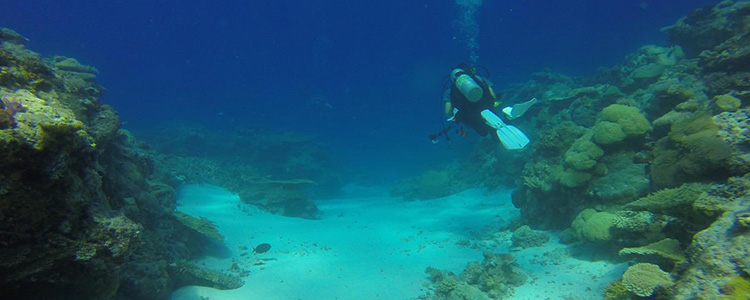
- Snorkel set and rashguard or UV-protective swim shirt.
- Binoculars for tropical birds.
- Quick-drying towel.
- Underwater camera or waterproof phone case.
Are there mosquitoes on Saint Lucia?
- Mosquitoes are present on Saint Lucia all year round, but especially during the rainy season (approximately June to November), around stagnant water, and in green areas.
- Diseases such as dengue, chikungunya, and occasionally Zika occur on Saint Lucia. Fortunately, most travelers get at most a few itchy bites, but good protection remains wise.
- More about protection against mosquitoes and insects.
Are there sandflies on Saint Lucia?
- Sandflies can occur on beaches, in mangroves, and in sheltered bays.
- They are mainly active during sunrise and sunset, and their bites can itch for days.
- An insect repellent containing DEET or picaridine usually works well.
- More about sandflies and sand fleas.
Can you buy DEET, or other insect repellents, on Saint Lucia?
- DEET, picaridine, and other insect repellents are easy to find at pharmacies, supermarkets, and tourist shops. So you do not need to bring it from home.
- See also DEET mosquito repellents and the percentages.
Can you buy a joint or weed on Saint Lucia, or bring it to Saint Lucia?
- Cannabis is partially decriminalized on Saint Lucia for small quantities (up to 30 grams) for recreational use, but it is not fully legal.
- Strict rules still apply, such as a ban on smoking joints in public spaces. You can receive a heavy fine for this. There is also a maximum limit on the number of cannabis plants you are allowed to grow at home.
- Sale, import, and export remain prohibited.
- Login of registreer om te kunnen reageren
- 646 keer gelezen