Reforestation and tree planting abroad: what is it, why should you do it, and where is the best place to go?

What is reforestation and tree planting abroad and why is it done?

  • Reforestation involves planting trees and shrubs in places where they have previously disappeared due to logging, flooding or forest fires.
  • In many areas, planting trees helps to absorb or reduce the effects of climate change.
  • In coastal areas, mangrove forests are planted to break waves, prevent land from being washed away and provide fish with a place to read.
  • In dry areas, new trees provide shade, prevent erosion and desertification of the landscape.
  • In reforestation projects and activities, attention is often also paid to restoring biodiversity by using various local tree species, which benefits local animal species.
  • Many projects have their own nursery where small trees are grown from seeds.

What does working in a reforestation project involve?

  • You can help care for the young trees (seedlings) at the nursery.
  • You plant the small trees at selected locations.
  • You care for the trees after they have been planted, for example by weeding, watering or placing protection against cattle and other grazers.
  • You teach local communities about biodiversity, the benefits of reforestation for the local economy, for example.
  • If you have a background in horticulture, forestry or water management, you can help train local employees or, for example, carry out a research internship on the results of the project.

What do you get out of it?

  • Involvement: it strengthens your sense of involvement in tackling climate change, protecting nature and the plant world and also with other nature lovers
  • Experience: the chance that you experience something you have never done before, that you are pulled out of your comfort zone and that you gain an unforgettable experience is considerable
  • Freedom: especially when you are working in the middle of nature, you notice the difference with the life you sometimes lead at home

What do you need or can you learn if you are going to plant and care for trees abroad?

  • Being environmentally aware: for example, by taking your surroundings into account, carefully storing your waste, minimizing water use and understanding the complex relationship between soil, plants and people.
  • Being organizationally aware: environmental clubs and nature conservation organizations are often run by a special breed of very committed people. In addition, these are organizations that often have few resources and have to fight against local bureaucracy.
  • Empathy: being aware of those circumstances is sometimes half the battle if you want to understand the behavior of the employees of a project, or your direct fellow helpers.

What are the best places to go to slow or reverse desertification?

  • Spain
  • Egypt 
  • Morocco
  • Kenya

What are the best places to go to restore mangrove forests?

  • Bonaire
  • Sri Lanka
  • Madagascar

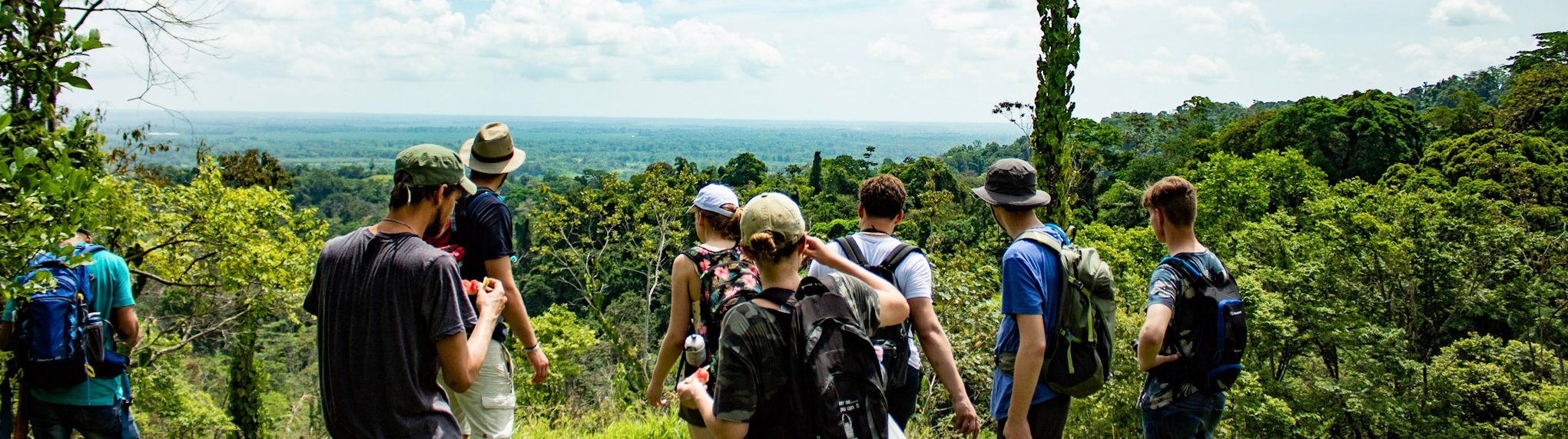
What are the best places to go to restore rainforests?

  • Brazil
  • Ecuador
  • Panama
  • Indonesia

Image

Tip category: 
Volunteering & Projects
Related organization or sector:
Organizations: for nature conservation, environmental protection and working in nature abroad
Work with Nature & Adopteer Regenwoud
Concerned countries and regions
Tip: type
Activities & Vacancies
Tip: date of posting
15-10-2024

Image

SPOTLIGHT ACTIVITIES

Fight climate change by planting trees in deserts, steppes or degraded ecosystems worldwide

Fight climate change by planting trees in deserts, steppes or degraded ecosystems worldwide

Fight climate change by planting trees, shrubs and plants in deserts, steppes or degraded ecosystems worldwide. Combine permaculture, agroforestry, organic farming and restoration techniques to create new fertile land full of biodiversity.

Projects on the steppe of Spain, the Sinai desert in Egypt, great planes of South Dakota, the Kenyan savannah and many more. Some projects are pure nature conservation, others pure sustainable farming and others combine the two.

Vrijwilligerswerk of stage in het mangrove bos van Bonaire

Vrijwilligerswerk of stage in het mangrove bos van Bonaire

mangrove bos

Deze vrijwilligersorganisatie is gek van mangroves, vandaar de naam Mangrove Maniacs. Zij zetten zich in voor het behoud en herstel van de mangrovebossen van Bonaire. Dit doen ze door herbebossing, het beheren van de getijde kanalen en door de lokale bevolking te betrekken en te informeren over het belang van deze bossen.

Als vrijwilliger help je bij de diverse activiteiten rond aanplant, opkweken en beheer van mangroves en ondersteun je de aanwezige onderzoekers bij hun onderzoekswerkzaamheden.

Als stagair of onderzoeker voer je je eigen onderzoeksproject uit in het mangrove ecosysteem. Denk bijvoorbeeld aan de rol van mangrove bossen bij het afvangen van CO2, de functie van gezonde bossen voor het lokale toerisme of de visserij, of ontwikkeld eco-educatieve materialen.

Het is een kleine club met weinig middelen (maar voldoende passie voor mangroves) dus je zult creatief, zelfstandig en zelfredzaam moeten zijn.

Bescherm de natuur van de Galapagos eilanden door het bestrijden van invasieve soorten, planten van inheemse soorten en het opruimen van afval
Related content in the field of:
PanEco

This Swiss organization offers volunteer opportunities within various ecology and nature conservation projects. For example, you can participate in a rescue project for orangutans in Indonesia. Orangutans in Indonesia are increasingly being driven out of their local habitats and are therefore being ...

Para La Tierra

Para La Tierra dedicates itself to conserving fragile habitats in Paraguay.

African Impact

This South African organization mediates volunteer work and internship opportunities at various projects in different African countries. Such as assisting a local doctor in Zambia with the daily work or conducting research into whale behavior in Mozambique. There are many opportunities to work in Af...

Image

IPB University (formerly Bogor Agricultural University, the agricultural university of Indonesia) is located in Bogor, West Java. Programs still primarily focus on agriculture, forestry, and fisheries, with options increasingly focused on management, technology, or the environment. Due to the ever-e...

Image

Help other WorldSupporters with additions, improvements and tips

Add new contribution

CAPTCHA
This question is for testing whether or not you are a human visitor and to prevent automated spam submissions.
Image CAPTCHA
Enter the characters shown in the image.

Image

Related activities, jobs, skills, suggestions or topics
Institutions, jobs and organizations:
Content access
Content access: 
Public
Statistics
1524