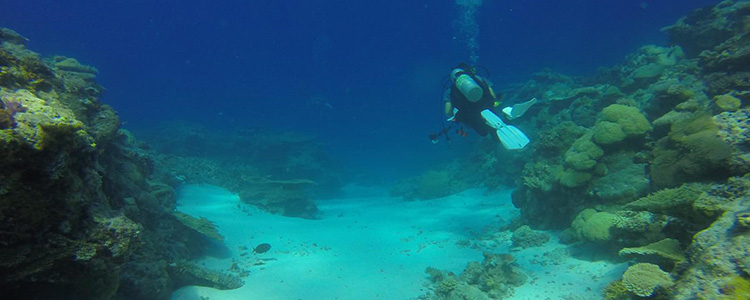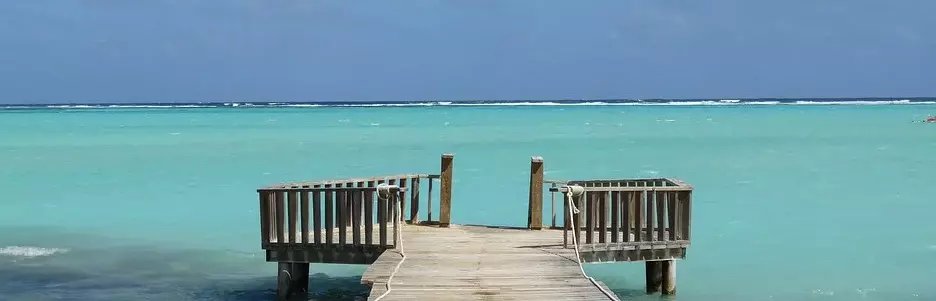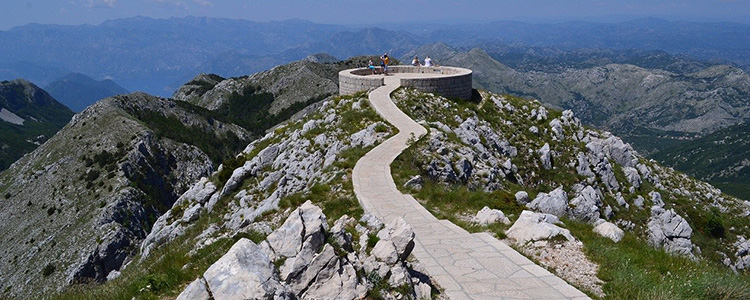
Travel to Nicaragua to backpack, study, intern, volunteer, work, or live as a digital nomad, expat or emigrant?

Image

Image

Image  Nicaragua

Intro

Backpacking in Nicaragua?

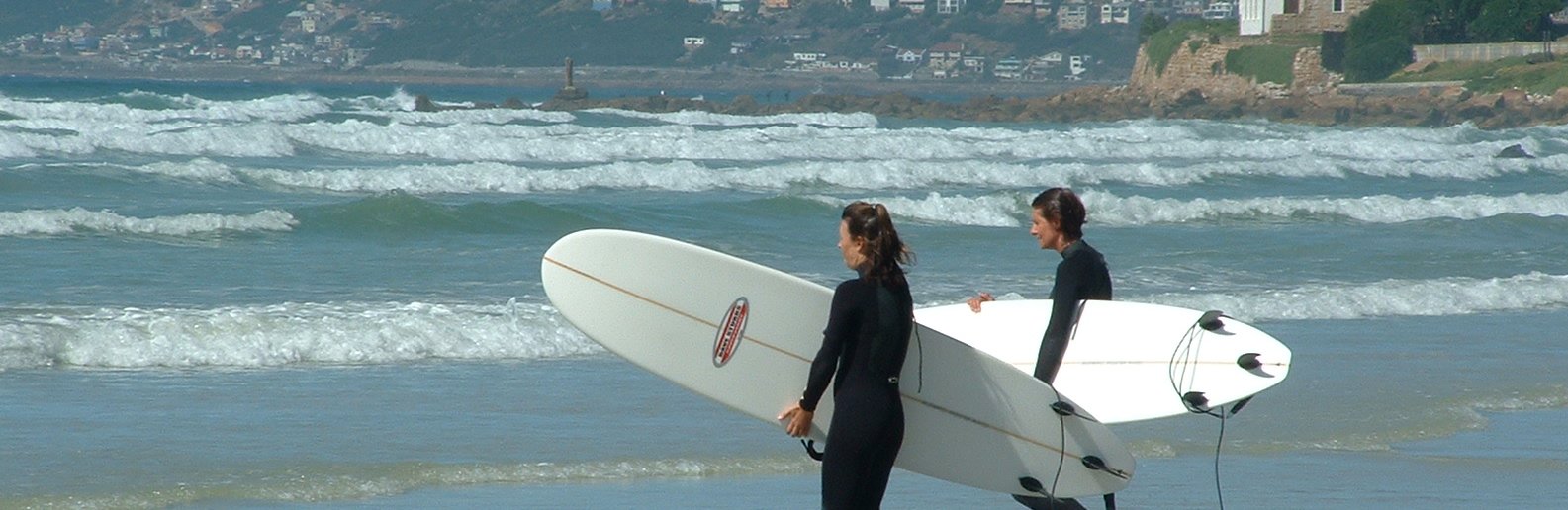
  • Nicaragua is not yet overrun by mass tourism. This makes it a good destination for adventurous backpackers looking for an authentic and budget-friendly travel experience. There is plenty to do: from climbing volcanoes and surfing in the Pacific Ocean to ziplining through the rainforest and kayaking on volcanic crater lakes. Bonus: Nicaragua is known for its excellent surfing.
  • Features: laid-back atmosphere, generally safe destination, budget-friendly, beautiful nature

Traveling in Nicaragua?

  • Cities to spot: León (colonial city with a vibrant art scene), Granada (on the shores of Lake Nicaragua: volcanoes, boat trips), San Juan del Sur (surfer and beach lover’s paradise), Managua (capital, metropolis with a rich culture and history).
  • Activities to spot: popular surf destinations León and Popoyo (with waves for all levels), Isla de Ometepe (large volcanic island: climb volcanoes, swim in waterfalls, hike through the rainforest and kayak), Somoto Canyon (long gorge with steep walls: rafting, climbing, kayaking, ziplining)
  • Nature to spot: Bosawás Biological Reserve (largest and most biodiverse area in Central America), Volcán Telica (active volcano; hiking, horseback riding and mountain biking), Indio Maíz Reserve (mangrove boat trips, rainforest hikes), Isla de Ometepe (nature lover’s paradise), Reserva Natural Península de Cosiguina (nature reserve on a peninsula in northwestern Nicaragua, with active volcano Cosiguina)
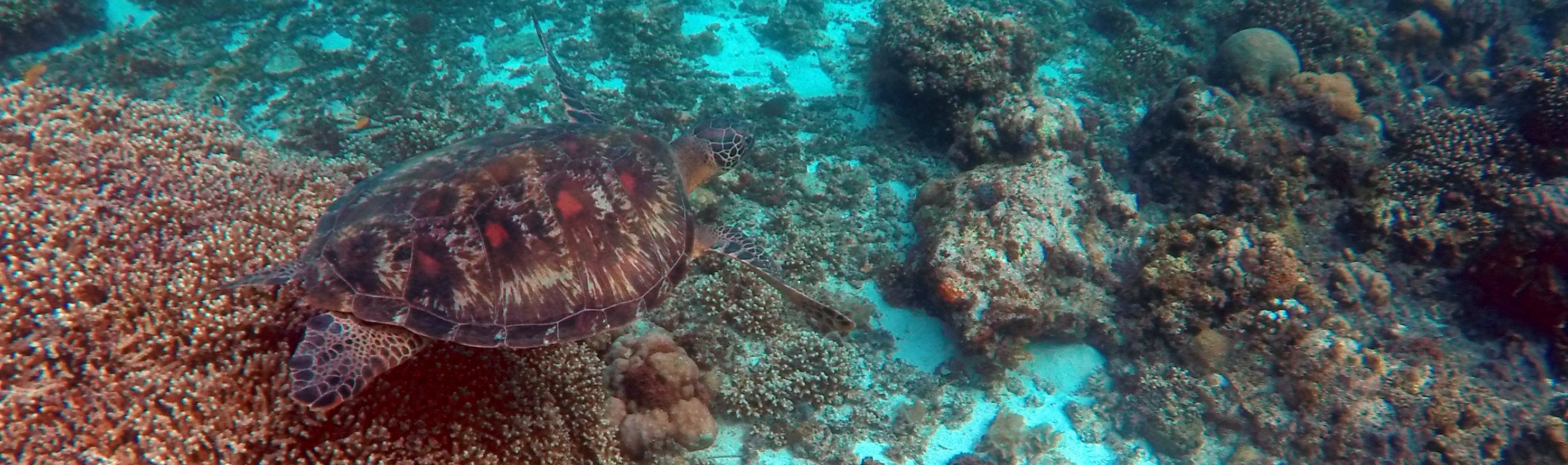
  • Animal spotting: jaguars, monkeys, sloths and numerous bird species in Bosawás, Indio Maíz Reserve (among others monkeys, sloths, jaguars, pumas, tapirs, snakes and frogs), Volcán Masaya Nature Reserve (monkeys, sloths, coyotes, foxes and deer), Refugio de Vida Silvestre Río San Juan (one of the most important nesting sites for sea turtles in Central America; also monkeys, sloths, crocodiles and caimans).

Study in Nicaragua?

  • Language: The official language of Nicaragua is Spanish, so this is the language most commonly spoken in higher education. Some universities offer programs that are taught partly in English, or are bilingual. Here too, a basic knowledge of Spanish is often useful.
  • Studies: broad study opportunities, but additional opportunities in the field of business administration (growing economy), tourism (important sector in the Nicaraguan economy), agriculture (agricultural land), international relations and sustainable development (environmental protection, environmental management).
  • Study cities: Managua (largest city and the most important centre for higher education, large number of universities), León (colonial city, lively, art scene, nightlife; number of renowned universities), Granada (a popular city for both national and international students due to its location on the lake), Estelí (coffee plantations, rich culture, number of universities)
  • Learn Spanish: Granada (colonial city with many language schools), Léon (progressive, music & art are often discussed), San Juan del Sur (beach town)

Internships in Nicaragua?

  • Internships: many directions possible; above all in the areas of tourism (important sector in the Nicaraguan economy), agriculture (agricultural country: agricultural technology, sustainable agriculture and rural development), education (shortage of qualified teachers in Nicaragua), environmental protection (rich biodiversity, environment is under pressure), development aid (many international NGOs active)
  • Internship cities: Managua (capital, largest centre for higher education and businesses), León (education, sustainable development and environmental protection), Granada (popular city with a number of NGOs and international organisations), Estelí (agricultural sector, tourism and sustainable development), San Juan del Sur (hotels, restaurants, tour operators)
  • Characteristics: always be respectful and polite to managers (hierarchy!), remain formal in dealing with colleagues (at least until you receive other signals), regularly adapt to changes in schedules and priorities (also: work extra hours or pick up tasks last-minute), slow decision-making due to more focus on consensus and consultation.

Volunteering in Nicaragua?

  • Volunteer projects: plenty of opportunities in almost all sectors; also education (qualified teachers), environmental protection (national park, sea turtle conservation, tree planting), health care (hospital, clinic, orphanage, education), development aid, construction (houses, schools or clinics in poor communities), agriculture (helping on a farm or cooperative, teaching agriculture)
  • Animal/nature projects: animal welfare (shelters, dog shelters) and wildlife rehabilitation, environmental and nature conservation, sustainable agriculture, ecotourism, seal sanctuaries, horse rescue (abuse or neglect), sea turtle conservation,
  • Features: volunteer work possible from 1 or 2 weeks to several months. There are many possibilities in Nicaragua, also to make your contribution sustainable together with communities and sustainable projects. Informal working atmosphere, be flexible because tasks and schedules can change suddenly.

Working in Nicaragua?

  • Jobs: temporary and permanent work, especially in the areas of tourism (hotels, restaurants, tour operators, diving and snorkeling centers), education (shortage of qualified teachers, especially in English, mathematics, biology, chemistry, physics), development aid (agriculture, health care, education), IT (software development, web design, network management), journalism, law (law firms and human rights organizations), care (qualified nurses and other care providers)
  • Features: strong emphasis on personal relationships, respect, community and cooperation. Spanish is of course the main language. Avoid direct confrontation; communication in Nicaragua is often indirect (non-verbal signals!). Despite an informal working atmosphere, it is important to arrive on time for appointments and meetings. Be prepared to work extra hours or take on tasks at the last minute. In Nicaragua, it is important to be a team player and be willing to help your colleagues.
  • Long working hours (>48 hrs/week) and often relatively few paid vacation days.

Working as a digital nomad in Nicaragua?

  • Favorite locations: San Juan del Sur (coastal town, many coworking spaces), Granada (relaxed atmosphere, rich historical center), León (center for culture and art), Ometepe Island (for the nature lovers among digital nomads), Isla de la Maiz (archipelago of small islands off the coast of Nicaragua, pace is much slower than on the mainland).
  • Features: lots of flexibility (tuning to your own biorhythm and productivity), relaxed informal atmosphere, strong reliable internet connections, abundance of coworking spaces, relatively low cost of living, active and diverse digital nomad community.

Living in Nicaragua?

  • Language: Spanish is the official language, throughout the country. Knowledge of Spanish is essential for optimal integration into Nicaraguan society.
  • Quality of life: Living in a tourist city like San Juan del Sur is considerably more expensive than in a small town or village. Cost of living is relatively low, but is rising (depending on your location). Food, rent, transportation, and entertainment are still affordable. Nicaragua is increasingly popular with retirees from North America and Europe.
  • Characteristics: Pleasant tropical climate. Nicaraguans are known for their hospitality and friendliness. Relaxed lifestyle: less hurried pace. Roads can be poorly maintained, power outages can occur. Bureaucracy can sometimes be frustrating (around visas, residence permits, or administrative tasks). Nicaragua has a turbulent political history and experiences political unrest, which affects the stability and security of the country.
  • Healthcare: The quality of healthcare in Nicaragua varies. Quality care is often only available in private clinics, which are (too) expensive for many. Access to care is more limited in less urbanized areas. Preventive care is important: the number of chronically ill (diabetes and cardiovascular diseases) is also increasing in Nicaragua. Ask for advice on insurance that provides sufficient coverage for the right care and also repatriation in case of emergency.
Nicaragua Country Bundle: suggestions, stories and tips

Nicaragua Country Bundle: suggestions, stories and tips

Content about Nicaragua on WorldSupporter

How does healthcare work in Nicaragua, and what travel insurance, health insurance or expat insurance do you need?

How does healthcare work in Nicaragua, and what travel insurance, health insurance or expat insurance do you need?

How does the healthcare system work in Nicaragua?

What is the quality of healthcare in Nicaragua?

  • Healthcare in Nicaragua is of fairly good quality and consists of both private and public institutions. Furthermore, healthcare is also quite cheap.
  • As in most countries, healthcare is better in cities than in smaller villages and rural areas.
  • Many doctors in Nicaragua have been trained in the United States, Europe, Cuba or Mexico.
  • For this reason, most doctors working in cities also speak English, while doctors and healthcare workers in rural areas often do not speak English.
  • There are many pharmacies in Nicaragua. The pharmacies are also used by locals as a kind of first stop for medical care, especially if they cannot afford to visit a doctor. Many medicines can be obtained without a prescription. If you bring your own medicine, make sure you bring a doctor's note in Spanish.
  • In Nicaragua, you have the option of choosing private, international insurance, or you can also get insurance at some local hospitals.

How does the public healthcare system work in Nicaragua?

  • The public healthcare system consists of a mix of military and public healthcare institutions. The Ministry of Health (MINSA) provides a universal system, free for everyone and consisting of clinics and hospitals.
  • In addition, there is also a mandatory insurance system, Instituto Nicaragüense de Seguridad Social (INSS). People with a job are required to contribute to this. The INSS provides coverage for certain care, for both the insured and dependents.
  • Every region/department in Nicaragua has a public hospital and several public clinics. Public hospitals provide free emergency medical care.
  • Waiting times in public hospitals are often (very) long and the medical staff often only speak Spanish.

How does the private healthcare system work in Nicaragua?

  • Private healthcare in Nicaragua consists of both profit-making and non-profit institutions. The latter include NGOs and churches, for example.
  • Private hospitals often offer health insurance, which offers a discount on all care you receive in the hospital.
  • Private healthcare is often unaffordable for locals, while it is often relatively cheap for foreigners.
  • Certain specific treatments are not possible in Nicaragua. It is therefore wise to take out insurance that covers medical evacuation in these cases.
  • Even though more people speak English in private institutions, it can still be useful to speak some Spanish to explain your medical situation properly.

How is the general practitioner arranged in Nicaragua?

  • In Nicaragua you will find GPs in both the public and private facilities. In general, foreigners and wealthy locals choose private GPs.
  • The easiest way to find a good GP is to look for a “médico general” at a private clinic or to ask other expats for advice.

How is the dentist arranged in Nicaragua?

  • There are more dentists than general practitioners in Nicaragua. Many dentists have been trained abroad.
  • Dental care is reasonably priced and it is a popular country for medical dental tourism.

How is pregnancy care arranged in Nicaragua?

  • In urban areas such as Managua, there are several hospitals and clinics that offer prenatal and maternity care. The quality of care generally varies between public and private institutions. Private hospitals and clinics usually offer a higher standard of care, with more modern facilities and English-speaking staff. It can be useful to do some research of the available facilities and care providers.
  • You can expect good quality prenatal - and postnatal care and testing in private institutions.
  • Abortion is completely prohibited in Nicaragua, with no exceptions, even in cases of rape, incest or when the mother's life is in danger. This strict legislation has been in place since 2006 and has raised concerns about the impact on women’s health and well-being. Women who undergo abortions face prison sentences of up to two years, while medical professionals who perform the procedure can face sentences of up to six years.

How safe or unsafe is a trip or stay in Nicaragua?

What should you pay attention to in terms of safety in Nicaragua?

  • While Nicaragua is generally considered safer than some of its neighbors, crime such as theft and muggings do occur, especially in urban areas. It is advisable to remain vigilant, not to carry valuables on display, and not to travel alone at night.
  • Since 2018, Nicaragua has experienced political unrest and protests. Authorities have responded harshly to demonstrations, and participation in them can result in arrest or deportation. It is advisable to avoid political gatherings and protests and to stay up-to-date on local news. 
  • Nicaragua is prone to natural disasters such as earthquakes, volcanic eruptions and hurricanes. It is important to be familiar with evacuation plans and follow the instructions of local authorities in case of an emergency.
  • Be careful with unregistered taxis, as there have been cases of taxi kidnappings. Always choose a taxi with a red license plate. Also, do not take the bus at night.

What should you look out for in terms of diseases in Nicaragua?

  • Diseases such as dengue, chikungunya and zika, transmitted by mosquitoes, are common in Nicaragua. It is advisable to use insect repellent and wear protective clothing to prevent mosquito bites.
  • Drinking tap water is generally discouraged due to the risk of waterborne diseases. It is safer to consume bottled or filtered water and to be careful with ice cubes and raw foods.

What should you pay attention to when it comes to traffic in Nicaragua?

  • Infrastructure in Nicaragua is limited, especially outside the major cities in the Caribbean. Roads can be poorly maintained, and traffic laws are not always followed. If you plan to drive yourself, be prepared for unexpected road conditions and unpredictable behavior from other road users.
  • In the cities and more developed areas, driving can be a good option.
  • It is mandatory to have local insurance when entering the country with a car, or when buying a car there.
  • Buses and taxis are the main forms of public transportation. Although they are affordable, they can be overcrowded and may not meet the safety standards you are used to. It is advisable to use reliable taxi services.

What work and travel insurance policies are suitable for short and long stays in Nicaragua?

  • Is the trip to and your return sufficiently covered? Are you sufficiently covered before, during and after your activities? Which insurance best suits your trip and your activity? Read more about insurances for abroad on JoHoinsurances.org.

What emigration and expat insurance can you take out for Nicaragua if you are going to live there for a while?

  • Although it is generally not mandatory to have insurance for a visa application for Nicaragua, most foreigners still take out their own private insurance. This guarantees good coverage for (unexpected) care and also medical evacuation or repatriation, which may be necessary in a country like Nicaragua.
  • Make sure your insurance covers medical evacuation as well as coverage in neighboring countries. Read more about insurances for abroad on Expatinsurances.org.


Nicaragua: selection of contributions by WorldSupporters - Bundle

Image

Why get specific insurance when going abroad: per activity abroad
Why should you take out specialized travel insurance for a long trip abroad?

Why should you take out specialized travel insurance for a long trip abroad?

What is round the world travel insurance or long-term travel insurance?

  • Round the world travel insurance means that you take out insurance that continues to provide coverage during all your activities abroad, and which is specifically intended for those who travel for long periods of time, such as world travelers, globetrotters, and nomads.

Why should you take out specialized travel insurance for a long trip abroad?

  • Round the world travel insurance provides coverage for a much longer trip than regular travel insurance.
  • World travel insurance is specifically intended for longer trips, whereas regular travel insurance may offer coverage on paper, but in practice handles it differently.
  • World travel insurance is suitable for many types of activities, ranging from high-altitude trekking to more risky sports.
  • World travel insurance continues to provide coverage if you start working during your trip, whether planned or unplanned. If you did not take out insurance before departure that allows you to work, there is no guarantee that you will be able to take out insurance that provides coverage while abroad.
  • Long-term travel insurance continues to provide coverage when your home country's health insurance no longer does.
  • Worldwide travel insurance also covers your medical expenses up to the actual cost, and not just for the standard costs. The costs per medical treatment vary greatly between countries.
  • Worldwide travel insurance can also continue to provide coverage if negative travel advice is issued.

What is important to insure when you are going to travel around the world?

  • That you have insurance that is valid in the countries where you are going to travel and posibly work.
  • That you are adequately insured for the sports and activities you are going to participate in during your full period abroad
  • That you are insured for emergency assistance and early return if something happens to you or your immediate family.
  • That your medical expenses are insured up to the actual cost and not just for the standard costs. The costs per medical treatment vary greatly between countries.
  • That you insure your luggage and take sufficient precautions against theft or damage.
  • That you are well insured against personal liability.
  • That you are well insured in case of accidents.
  • That you only insure yourself for legal assistance if there is an immediate reason to do so, unless coverage is already automatically included in the insurance.
  • That you pay close attention to choosing the right coverage when performing work or voluntary work during your world trip.

Check out more about

Why should you take out specific insurance when you go on a trip or vacation?

Why should you take out specific insurance when you go on a trip or vacation?

What is insurance for traveling abroad?

  • Travel insurance is insurance that provides coverage for risks during a trip or vacation abroad. This mainly concerns loss of or damage to your luggage, medical assistance, or repatriation costs if you need to be transported back home urgently. In some cases, travel insurance coverage also applies on domestic trips.
  • With annual travel insurance or multi-trip travel insurance, you are insured for all your trips throughout the year.
  • With temporary travel insurance or single-trip travel insurance, you take out insurance for each trip for the duration of the trip.
  • Cancellation insurance reimburses (all or part of) the travel sum, cancellation or accommodation costs if you have to cancel or interrupt your vacation.

Why should you take out travel insurance for a short trip, vacation, or long-distance trip?

  • Travel insurance can provide coverage in the event of an accident or emergency while you are abroad.
  • Travel insurance can provide coverage for damage and accidents during the adventurous or sporting activities you plan to do.
  • Travel insurance can continue to provide coverage if your health insurance no longer provides coverage, or if the damage is only reimbursed at cost price of your home country.
  • Travel insurance can provide coverage in the event of damage, loss, or theft of your luggage.
  • Travel insurance can provide coverage if you are held liable for damage you cause to other people or their property.
  • Travel insurance can provide coverage if you have to return home early because something has happened to you or your immediate family.

What is important to insure when you are going to travel abroad?

  • That you have insurance that is valid in the country or countries that you are going to visit.
  • That you are adequately insured for the sports and activities you are going to participate in during your period abroad.
  • That you are insured for emergency assistance and early return if something happens to you or your immediate family.
  • That your medical expenses are insured up to the actual cost and not just for the standard costs. The costs per medical treatment vary greatly between countries.
  • That you insure your luggage and take sufficient precautions against theft or damage.
  • That you are well insured against personal liability.
  • That you are well insured in case of accidents.
  • That you only insure yourself for legal assistance if there is an immediate reason to do so, unless coverage is already automatically included in the insurance.
  • That you pay close attention to choosing the right coverage when performing work alongside your travels.

Check out more about international insurances

Why should you take out specialized travel insurance for working abroad?

Why should you take out specialized travel insurance for working abroad?

Why should you take out specialized travel insurance for paid work, voluntary work or an internship abroad?

  • There may be several reasons why you need separate insurance when working abroad.
  • During work, internships, or volunteer work abroad where you receive financial compensation (or, for example, food or housing), your national health insurance coverage may expire. You will then need special insurance to remain insured for illness and accidents.
  • During specific work abroad, additional requirements may apply if your work involves additional risks. Only specific insurance policies offer coverage during this type of work.
  • During your work, the risk of accidents is sometimes greater, for example because you are doing work with which you have little experience or because of the nature of the work.
  • During your work, local employers generally offer no or limited insurance that provides insufficient coverage.

What is important to insure when you are going to work abroad?

  • That you have insurance that is valid in the country or countries where you are going to travel and work.
  • That you are adequately insured for the sports and activities you are going to participate in during your period abroad
  • That you are insured for emergency assistance and early return if something happens to you or your immediate family.
  • That your medical expenses are insured up to the actual cost and not just for the standard costs. The costs per medical treatment vary greatly between countries.
  • That you insure your luggage and take sufficient precautions against theft or damage.
  • That you are well insured against personal liability.
  • That you are well insured in case of accidents.
  • That you only insure yourself for legal assistance if there is an immediate reason to do so, unless coverage is already automatically included in the insurance.
  • That you pay close attention to choosing the right coverage when performing work.

Check out more about international insurances

Why should you take out specialized travel insurance for volunteering abroad?

Why should you take out specialized travel insurance for volunteering abroad?

What is insurance for volunteering abroad?

  • Insuring volunteer work abroad means taking out insurance that continues to provide coverage while you are working as a volunteer abroad

Why should you take out specialized travel insurance for voluntary work abroad?

  • There may be several reasons why you need separate insurance when volunteering abroad.
  • During specific activities abroad, additional requirements may apply if your work involves extra risks. Only specific insurance policies offer coverage during these activities.
  • The risk of accidents is sometimes higher during your work, for example because you are doing work you have little experience with or because of the nature of the work.
  • Local projects or employers generally offer no or limited insurance that provides insufficient coverage during your work.
  • When volunteering abroad and receiving minor financial compensation (or, for example, food or housing), your home country's health insurance coverage will potentially lapse. You will then need special insurance to remain insured for illness and accidents.
  • Regular travel insurance policies generally provide coverage for trips of a limited number of days. If your trip or stay abroad exceeds the maximum number of days, this generally means that for the entire travel period, you will not be covered.
  • Regular travel insurance policies generally only provide coverage for recreational travel without voluntary work activities. If you engage in activities other than recreational activities (such as volunteer work), this generally means that for the entire travel period, you will not be covered.

What is important to insure when you are going to work as a volunteer abroad?

  • That you have insurance that is valid in the country or countries where you are going to travel and volunteer.
  • That you are adequately insured for the sports and activities you are going to participate in during your period abroad
  • That you are insured for emergency assistance and early return if something happens to you or your immediate family.
  • That your medical expenses are insured up to the actual cost and not just for the standard costs. The costs per medical treatment vary greatly between countries.
  • That you insure your luggage and take sufficient precautions against theft or damage.
  • That you are well insured against personal liability.
  • That you are well insured in case of accidents.
  • That you only insure yourself for legal assistance if there is an immediate reason to do so, unless coverage is already automatically included in the insurance.
  • That when performing work in healthcare, with wild animals, and with dangerous (agricultural) machinery, you take care to choose the right coverage.

Check out more about international insurances

Why should you take out specialized travel insurance for an internship abroad?

Why should you take out specialized travel insurance for an internship abroad?

What is insurance for an internship abroad?

  • Insuring an internship abroad means taking out insurance that continues to provide coverage during your internship abroad
  • Insurance for internships abroad are also referred to as internship insurance. This internship insurance is specifically for when you go abroad for a long period of time to work as an intern, take courses, or conduct research abroad.

Why should you take out specialized travel insurance for an internship abroad?

  • There may be several reasons why you need separate insurance for an internship abroad.
  • During internship activities abroad, additional requirements may apply as soon as you start performing work that involves additional risks. Only specific insurance policies offer coverage during these activities.
  • During your internship, the risk of accidents is sometimes greater, for example because you are doing work with which you have little experience or because of the nature of the work.
  • During your internship, local employers generally do not offer insurance, or offer limited insurance that does not provide sufficient coverage.
  • During an internship abroad where you receive financial compensation (or, for example, food or accommodation), your home country's health insurance coverage will potentially lapse. You will then need special insurance to remain insured for illness and accidents.
  • Regular travel insurance policies generally provide coverage for trips of a limited number of days. If your trip or stay abroad exceeds the maximum number of days, this generally means that for the entire travel period, you will not be covered.
  • Regular travel insurance policies generally only provide coverage for recreational trips without work activities.

What is important to insure when you are going to be an intern abroad?

  • That you have insurance that is valid in the area where you will be traveling and doing your internship.
  • That you are adequately insured for the sports and activities you will be participating in.
  • That you are insured for emergency assistance and early return in case something happens to you or your immediate family.
  • That your medical expenses are insured up to the actual cost (what it actually costs), and not just for the standard costs. The costs per medical treatment vary greatly between countries.
  • That you insure your luggage and take sufficient precautions against theft or damage.
  • That you are well insured against personal liability and, preferably, also for liability during your internship.
  • That you are well insured in case of accidents.
  • That you insure yourself for legal assistance if there is an immediate reason to do so, unless the coverage is already automatically included in the insurance.
  • Make sure you choose the right coverage for internship work in healthcare, with wild animals, or with dangerous machinery!

Check out more about international insurances

Why should you take out specialized travel insurance for studying abroad?

Why should you take out specialized travel insurance for studying abroad?

What is insurance for studying abroad?

  • Insurance for studying abroad means that you take out insurance that continues to provide coverage during your studies, your education, and your related activities abroad.
  • Insurance for studying abroad is also referred to as study insurance. This study insurance is specifically for when you go abroad for a long period of time to take courses, study, or conduct research abroad.

Why should you take out specialized travel insurance for a study abroad?

  • Study insurance is specifically designed for studying abroad, whereas regular travel insurance policies may offer coverage on paper but handle this situation differently in practice.
  • Study insurance offers coverage for longer stays than regular (vacation) travel insurance.
  • Study insurance is also suitable for many types of activities, ranging from various sports to hiking at high altitudes.
  • Study insurance continues to provide coverage if you start working during your trip, whether planned or unplanned. If you have not taken out insurance before departure that allows you to work, there is no guarantee that you will be able to take out insurance abroad that provides coverage.
  • Study insurance continues to provide coverage if your own country's health insurance no longer provides coverage.
  • Student insurance also covers your healthcare costs above the rates in your own country; with regular insurance, you have to pay the extra costs yourself.
  • Student insurance can also continue to provide coverage if (study) visa issuers impose additional requirements on how you insure yourself, for example if you are going to the US and applying for a J-1 visa.
  • Student insurance continues to provide coverage if you are staying abroad for a longer period of time and want to visit your own country in between.

What is important to insure when you are going to study abroad?

  • That you have insurance that is valid in the country or countries where you are going to travel and work.
  • That you are adequately insured for the sports and activities you are going to participate in during your period abroad
  • That you are insured for emergency assistance and early return if something happens to you or your immediate family.
  • That your medical expenses are insured up to the actual cost and not just for the standard costs. The costs per medical treatment vary greatly between countries.
  • That you insure your luggage and take sufficient precautions against theft or damage.
  • That you are well insured against personal liability.
  • That you are well insured in case of accidents.
  • That you only insure yourself for legal assistance if there is an immediate reason to do so, unless coverage is already automatically included in the insurance.
  • That you pay close attention to choosing the right coverage when performing work alongside your studies.

Check out more about international insurances

Why should you take out specialized insurance for moving abroad as an emigrant or an expat?

Why should you take out specialized insurance for moving abroad as an emigrant or an expat?

What is an emigration insurance and what is an expat insurance?

  • Emigration insurance is an insurance that continues to provide coverage if you move abroad permanently or for an indefinite period of time.
  • Emigration insurance is not only intended for emigrants, but for anyone who leaves their home country for an extended period of time and does not intend to return in the foreseeable future.
  • Expat insurance is insurance that continues to provide coverage if you go to work abroad for a local or international employer for an extended period of time.
  • Expat insurance is not only intended for expats, but for anyone who has a more permanent job abroad.

Why should you take out specialized insurance for emigration or working as an expat abroad?

  • Emigration or expat insurance not only provides coverage for acute assistance in the event of illness or accident abroad, such as travel insurance, but can also provide coverage for existing conditions and ailments or non-urgent care.
  • Emigration or expat insurance does not require you to maintain valid health insurance in your home country.
  • Emigration or expat insurance provides coverage for preventive care or costs related to pregnancy and childbirth.
  • Emigration or expat insurance also provides coverage for long-term treatments and chronic conditions without you having to return to your home country.
  • Emigration or expat insurance often has no restrictions on the duration of the insurance, unlike travel insurance.
  • Emigration or expat insurance usually maintains coverage in cases such as negative travel advice or acts of war.
  • Emigration or expat insurance offers various solutions in the areas of disability, home and household insurance, goods transport, and liability.

What is important to insure when you are going to move abroad?

  • That you have insurance that is valid in the country or countries where you are going to live and/or work.
  • That you are adequately insured for the sports and activities you are going to participate in during your period abroad
  • That you are insured for emergency assistance and early return if something happens to you or your immediate family.
  • That your medical expenses are insured up to the actual cost and not just for the standard costs. The costs per medical treatment vary greatly between countries.
  • That you are well insured against personal liability.
  • That you are well insured in case of accidents.
  • That you pay close attention to choosing the right coverage when performing work with additional health risks

Check out more about international insurances

Why should you take out travel insurance and why through the JoHo Foundation?

Why should you take out travel insurance and why through the JoHo Foundation?

Why Insurances through JoHo

  • Specialized: in emigration, work, internships, study and travel abroad.

  • Service: JoHo offers multiple travel insurances by multiple companies. Thanks to JoHo's extensive experience, it can offer support in case of problems with insurers, as well as advice and fast and personal handling.

  • Safe: JoHo is recognized as a trustworthy intermediary for insurances.

  • Social: by purchasing an insurance through JoHo you provide a talented student in The Philippines with health insurance

Why Should You Take Out A Travel Insurance?

  • The chance of getting injured or ill is generally higher than when you would have stayed at home. The medical care you will need can be very expensive, even more so if you are treated in a private clinic.

  • If you have to fly back because of family circumstances, the flights might be more expensive than your original flight because you have to fly on short notice.

  • You might have to deal with the damage, loss or theft of your luggage.

  • In case of emergency it can be difficult to figure out what to do. A good travel insurance will have an assistance team on standby for you 24/7 and will be able to tell you what steps to take.

Why Should You Specifically Take Out A Travel Insurance For A Long Trip Abroad?

  • Often regular travel or health insurances only cover trips for a maximum number of days (for example 60, 90 or 180 days).

  • Depending on your home country, your health insurance might not offer any coverage for treatment abroad.

  • During a long trip you might consider specific activities, like paid work or volunteering. Regular travel insurances often don’t cover these kind of activities. The same goes for adventurous/ hazardous sports like skydiving, scuba-diving and bungee jumping.

More on why to use JoHo

  • JoHo is one of the few organizations where you can directly purchase a comprehensive range of foreign insurances from a variety of insurers. As with our other products and services, we believe that you should be able to choose between the best, the most cost effective and the most specialized insurance.

  • JoHo offers various possibilities from combining insurances to assisting in transferring from one insurer to another.

  • When you purchase an insurance policy through JoHo, you will not pay more than if you had purchased it directly from the insurer. Sometimes (through special collective agreements) you will even pay less.

  • JoHo offers support with problems that may arise with the insurer. Sometimes disagreement with claims, cancellation notice or insurance premiums can occur. In this situation it helps if you have the assistance of an organization who has an established relationship with the insurer.


Read more about JoHo and JoHo Insurances

Image

Safety and insurances in Nicaragua

How does healthcare work in Nicaragua, and what travel insurance, health insurance or expat insurance do you need?

How does healthcare work in Nicaragua, and what travel insurance, health insurance or expat insurance do you need?

How does the healthcare system work in Nicaragua?

What is the quality of healthcare in Nicaragua?

  • Healthcare in Nicaragua is of fairly good quality and consists of both private and public institutions. Furthermore, healthcare is also quite cheap.
  • As in most countries, healthcare is better in cities than in smaller villages and rural areas.
  • Many doctors in Nicaragua have been trained in the United States, Europe, Cuba or Mexico.
  • For this reason, most doctors working in cities also speak English, while doctors and healthcare workers in rural areas often do not speak English.
  • There are many pharmacies in Nicaragua. The pharmacies are also used by locals as a kind of first stop for medical care, especially if they cannot afford to visit a doctor. Many medicines can be obtained without a prescription. If you bring your own medicine, make sure you bring a doctor's note in Spanish.
  • In Nicaragua, you have the option of choosing private, international insurance, or you can also get insurance at some local hospitals.

How does the public healthcare system work in Nicaragua?

  • The public healthcare system consists of a mix of military and public healthcare institutions. The Ministry of Health (MINSA) provides a universal system, free for everyone and consisting of clinics and hospitals.
  • In addition, there is also a mandatory insurance system, Instituto Nicaragüense de Seguridad Social (INSS). People with a job are required to contribute to this. The INSS provides coverage for certain care, for both the insured and dependents.
  • Every region/department in Nicaragua has a public hospital and several public clinics. Public hospitals provide free emergency medical care.
  • Waiting times in public hospitals are often (very) long and the medical staff often only speak Spanish.

How does the private healthcare system work in Nicaragua?

  • Private healthcare in Nicaragua consists of both profit-making and non-profit institutions. The latter include NGOs and churches, for example.
  • Private hospitals often offer health insurance, which offers a discount on all care you receive in the hospital.
  • Private healthcare is often unaffordable for locals, while it is often relatively cheap for foreigners.
  • Certain specific treatments are not possible in Nicaragua. It is therefore wise to take out insurance that covers medical evacuation in these cases.
  • Even though more people speak English in private institutions, it can still be useful to speak some Spanish to explain your medical situation properly.

How is the general practitioner arranged in Nicaragua?

  • In Nicaragua you will find GPs in both the public and private facilities. In general, foreigners and wealthy locals choose private GPs.
  • The easiest way to find a good GP is to look for a “médico general” at a private clinic or to ask other expats for advice.

How is the dentist arranged in Nicaragua?

  • There are more dentists than general practitioners in Nicaragua. Many dentists have been trained abroad.
  • Dental care is reasonably priced and it is a popular country for medical dental tourism.

How is pregnancy care arranged in Nicaragua?

  • In urban areas such as Managua, there are several hospitals and clinics that offer prenatal and maternity care. The quality of care generally varies between public and private institutions. Private hospitals and clinics usually offer a higher standard of care, with more modern facilities and English-speaking staff. It can be useful to do some research of the available facilities and care providers.
  • You can expect good quality prenatal - and postnatal care and testing in private institutions.
  • Abortion is completely prohibited in Nicaragua, with no exceptions, even in cases of rape, incest or when the mother's life is in danger. This strict legislation has been in place since 2006 and has raised concerns about the impact on women’s health and well-being. Women who undergo abortions face prison sentences of up to two years, while medical professionals who perform the procedure can face sentences of up to six years.

How safe or unsafe is a trip or stay in Nicaragua?

What should you pay attention to in terms of safety in Nicaragua?

  • While Nicaragua is generally considered safer than some of its neighbors, crime such as theft and muggings do occur, especially in urban areas. It is advisable to remain vigilant, not to carry valuables on display, and not to travel alone at night.
  • Since 2018, Nicaragua has experienced political unrest and protests. Authorities have responded harshly to demonstrations, and participation in them can result in arrest or deportation. It is advisable to avoid political gatherings and protests and to stay up-to-date on local news. 
  • Nicaragua is prone to natural disasters such as earthquakes, volcanic eruptions and hurricanes. It is important to be familiar with evacuation plans and follow the instructions of local authorities in case of an emergency.
  • Be careful with unregistered taxis, as there have been cases of taxi kidnappings. Always choose a taxi with a red license plate. Also, do not take the bus at night.

What should you look out for in terms of diseases in Nicaragua?

  • Diseases such as dengue, chikungunya and zika, transmitted by mosquitoes, are common in Nicaragua. It is advisable to use insect repellent and wear protective clothing to prevent mosquito bites.
  • Drinking tap water is generally discouraged due to the risk of waterborne diseases. It is safer to consume bottled or filtered water and to be careful with ice cubes and raw foods.

What should you pay attention to when it comes to traffic in Nicaragua?

  • Infrastructure in Nicaragua is limited, especially outside the major cities in the Caribbean. Roads can be poorly maintained, and traffic laws are not always followed. If you plan to drive yourself, be prepared for unexpected road conditions and unpredictable behavior from other road users.
  • In the cities and more developed areas, driving can be a good option.
  • It is mandatory to have local insurance when entering the country with a car, or when buying a car there.
  • Buses and taxis are the main forms of public transportation. Although they are affordable, they can be overcrowded and may not meet the safety standards you are used to. It is advisable to use reliable taxi services.

What work and travel insurance policies are suitable for short and long stays in Nicaragua?

  • Is the trip to and your return sufficiently covered? Are you sufficiently covered before, during and after your activities? Which insurance best suits your trip and your activity? Read more about insurances for abroad on JoHoinsurances.org.

What emigration and expat insurance can you take out for Nicaragua if you are going to live there for a while?

  • Although it is generally not mandatory to have insurance for a visa application for Nicaragua, most foreigners still take out their own private insurance. This guarantees good coverage for (unexpected) care and also medical evacuation or repatriation, which may be necessary in a country like Nicaragua.
  • Make sure your insurance covers medical evacuation as well as coverage in neighboring countries. Read more about insurances for abroad on Expatinsurances.org.


Image

Related topics and terms

Related regions:

Image ACTIVITIES

Check courses, jobs, projects, recipes, suggestions and tips related to: 'Nicaragua'

CHECK MORE ACTIVITIES

Make a selection, to find more tips than you see below

Image Vulcano boarding in Nicaragua: hike up an active vulcano, enjoy the view and slide down
Vulcano boarding in Nicaragua: hike up an active vulcano, enjoy the view and slide down. Several tour options to make this tour fit in your budget and travel plans
Image Reforestation and tree planting abroad: what is it, why should you do it, and where is the best place to go?
Reforestation and tree planting abroad: what is it, why should you do it, and where is the best place to go? What is reforestation and tree planting abroad and why is it...
Image Stage als onderzoeker bij een natuurbeschermingsorganisatie in Nicaragua
Je levert als onderzoeksstagiair een bijdrage aan de toename van het aantal (en de oppervlakte van) private natuurreservaten. Je ontwikkelt een financieringsmodel en...
Image Ga aan het werk als docent bij een kinderproject in Latijns-Amerika
Je geeft les aan kinderen die door verschillende redenen achterstanden hebben in het onderwijs of in hun ontwikkeling. Je organiseert de lessen en zorg voor het...
Image Dit gezellige hostel in Nicaragua biedt overdag enkele werkplekken aan voor digital nomads
Dit gezellige hostel in Nicaragua biedt overdag enkele werkplekken aan voor digital nomads. Klaar met werken? Ga mee op een volcano boarding tour op een actieve vulkaan...
Image Loop stage op het gebied van milieu en onderwijs bij Nederlandse stichting in Nicaragua
Je loopt stage bij een Nederlandse stichting die verschillende projecten heeft opgezet op het platteland van Nicaragua. De projecten zijn op het gebied van...
Image Bied ondersteuning en geef voorlichting bij een centrum voor kinderen met een beperking in Nicaragua
Je biedt assistentie tijdens het geven van lessen. Je ondersteunt en helpt mee met het werven van fondsen voor het centrum. Je geeft voorlichting om maatschappelijk...
Image Assisteer in de bibliotheek, geef bijles, huiswerkbegeleiding of weerbaarheidstraining aan jongeren in Nicaragua
Assisteer in de bibliotheek (opgezet door de stichting zelf), geef bijles, huiswerkbegeleiding of weerbaarheidstraining aan jongeren in Nicaragua. Inzet voor minimaal...
Image Doe ervaring op als fysiotherapeut bij een gezondheidscentrum in Nicaragua
Je werkt samen met een lokaal team van fysiotherapeuten in een gezondheidscentrum waar zowel kinderen als volwassenen met uiteenlopende klachten worden behandeld. Je...
Image Kom voor een jaar werken in Latijns-Amerika als leerkracht, creatief therapeut, logopedist of fysiotherapeut
Kom voor een jaar werken in één van de projecten voor kwetsbare kinderen in Midden- en Zuid-Amerika. Je kunt afhankelijk van je ervaring aan de slag als leerkracht,...
Activities abroad: home bundle

Main content and contributions for activities abroad

,,,accommodations, adventure activities, courses, internships, jobs and volunteer projects

...to help another, travel with care, work together , learn to share and inspire with your experience


Activities abroad: home page

Activities abroad: home page

From language courses to gap year abroad, from work experience to volunteering abroad, from paid work to internship abroad, from mountaineering to diving and from backpacking to travel around the world

    What social activities can you do abroad?

    • Opportunities are found in the areas of helping, learning or studying. You can get involved to volunteer in a social project at a school in Africa, Asia or Latin America. You can get involved in nature, in a project with animals or cleaning the sea or beaches. Those who want to learn more can choose for example a language course in Latin America, Spain or South Africa.

    What work related activities can you do abroad?

    • If you want to gain work experience, and/or also earn money, go and work abroad. You can combine backpacking in Australia with temporary work. You can work on campsites in Europe or bush camps in Africa. You can pretty much go all over the world to work in the hospitality industry, hotels and hostels, in the healthcare sector or for example at a diving school.

    What sports activities to do abroad?

    • Have you ever thought of mountain biking, rafting (going down a wild river on a raft or rubber dinghy, climbing or canoeing), survival (which involves building rafts, climbing or canoeing), abseiling (descending a rock face while secured to ropes), zip-lining (whizzing down a cable), canyoning (starting at the top of a river and then climbing, swimming, diving down the bed) or caving (scrambling, wriggling and crawling through caves and crevices)?
    • Maybe you feel more comfortable on a bodyboard (on a half-wave surfboard, you surf the high waves lying down-with flippers), on a hang glider or while paragliding (with a parachute you float down a mountain or dune), hydrospeeding (on a bodyboard with flippers and a wetsuit on you go down a wild river via rapids) or Tiefschneeskiing (racing down through powder snow)?

    Check the pages below for more activities and inspiration and where to go and how to arrange it

      Activities abroad: for gap year, sports, travel and outdoor abroad

      Activities abroad: for gap year, sports, travel and outdoor abroad

      Bundled content for gap year, sports, travel and outdoor abroad

      Access: 
      Public

      Image STORIES

      Check blogs, experiences and information related to: 'Nicaragua'

      CHECK MORE STORIES

      Make a selection, to find more blogs and contributions than you see below

      Image Bambu Social
      Interessant project gestart door studenten van de TU Delft voor het maken van betaalbare woningen uit bamboo in Niceragua. Kijk op de website voor meer informatie:...
      Image FBBlog 24 mei Uhri, Nicaragua
      Zo, ik ben weer in een compleet nieuwe wereld beland, inclusief nieuwe knotsgekke ervaringen. Uhri it is, je kent het wel. Uhri is een piepklein dorpje aan de Rio Coco...
      Image How does healthcare work in Nicaragua, and what travel insurance, health insurance or expat insurance do you need?
      How does the healthcare system work in Nicaragua? What is the quality of healthcare in Nicaragua? How does the public healthcare system work in Nicaragua? How does the...
      Image Welk visum regelen voor een reis of vrijwilligerswerk naar Nicaragua?
      Toeristenvisum Er is geen toeristenvisum nodig voor Nicaragua. Je krijgt bij het passeren van de grens een stempel voor 90 dagen (tegen een klein bedrag). Deze 90 dagen...
      Image Het Nicaraguaanse jungle leventje door de ogen van Nikki & Lieke (de onderzoeksmaand)
      Een paar weken geleden hebben we ons vertrouwde leventje in Puerto Cabezas ingeruild voor een nieuwe uitdaging in de jungle. We zijn begonnen met onderzoek doen in...
      Countries & Destinations: home bundle

      Bundled content, suggestions, stories and tips about the countries and destinations in the world

      ...to help another, travel with care, work together , learn to share and inspire with your experience

      Africa: country bundles

      Africa: country bundles

      Access: 
      Public
      Asia: country bundles

      Asia: country bundles

      Country bundles of Asian countries

      Access: 
      Public
      Europe: country bundles

      Europe: country bundles

      Country bundles of European countries

      Access: 
      Public
      The Caribbean: country bundles

      Image ORGANIZATIONS

      Check sectors and organizations related to: 'Nicaragua'

      CHECK MORE ORGANIZATIONS

      Make a selection, to find more or other organizations than you see below

      Image Poco a Poco Hostel
      Poco a Poco Hostel offers accommodation and some work spaces for digital nomads in León, Nicaragua.
      Image Nuestros Pequeños Hermanos
      Nuestros Pequeños Hermanos (NPH) is an organization dedicated to offering vulnerable children in Latin America a home. As a NPH volunteer you work with children, a...
      Image El Arbol
      El Arbol is een Nederlandse stichting die zich samen met lokale partijen inzet voor het milieu, armoede en gelijke rechten voor mannen en vrouwen in Nicaragua.
      Image WereldOuders
      WereldOuders biedt structurele hulp aan kwetsbare kinderen en gezinnen in negen landen in Latijns-Amerika. Door medische zorg, een veilig thuis en goed onderwijs komen...
      Image La Esperanza Granada
      La Esperanza Granada consists of a group of volunteers who have been committed to children's education in Nicaragua since 2002.
      Image On-Stage Latin America
      On-Stage Latin America, was founded by two Dutch people in 2006, wants to contribute to both the sustainable development of the countries in which it operates and that...
      Image Lustrumfiesta
      Lustrumfiesta is een reisbureau opgericht door vier Nederlanders die reizen in Latijns-Amerika organiseren. De reizen zijn voornamelijk gericht op studentenverenigingen.
      Image Hostal Mochilas
      Hostel
      Image Eirene
      Eirene zet zich in voor duurzame vrede via onder andere geweldloze communicatie en projecten voor onderwijs, educatie en zelfredzaamheid in onder andere Bosnië-...
      Image Stichting Marijn
      Nederlandse stichting die sociale projecten opzet voor duurzame ontwikkeling van kinderen en jongeren in Nicaragua. Via de stichting kan je ook vrijwilligerswerk doen...
      Organizations & Services: home bundle

      Bundled content, suggestions, stories and tips about organizations and their products and services

      ...to help another, travel with care, work together, learn to share and inspire with your experience

      Organizations: home page
      Organizations: for administrative, tax and legal work and consulting
      Organizations: for agriculture, grape picking, farming and vineyards
      Organizations: for animal protection, animal care and working with wildlife abroad
      Organizations: for au pairs, youth work and child care abroad
      Organizations: for bush camping and working at a campsite abroad
      Organizations: for catering, hospitality and entertainment abroad
      Organizations: for civil society and social work abroad
      Organizations: for corporate business services
      Organizations: for customer services abroad and help desks
      Organizations: for diving, snorkeling and water sports abroad
      Organizations: for education and schools abroad
      Organizations: for expatriate insurances, travel insurances, and emergency call centers
      Organizations: for gap year activities abroad and sabbaticals
      Organizations: for internship placement abroad
      Organizations: for insurances and finance abroad
      Organizations: for IT, engineering and construction
      Organizations: for language travel and language teaching abroad
      Organizations: for marketing, communication and PR
      Organizations: for mediation in au pairs, childcare and elderly care in the Netherlands
      Organizations: for moving, international relocation and transport abroad
      Organizations: for nature conservation, environmental protection and working in nature abroad
      Organizations: for nonprofit projects, development work and international cooperation
      Organizations: for online work as digital nomad, freelancer, or independent entrepreneur from abroad
      Organizations: for outdoor activities and sports
      Organizations: for providing accommodation and hospitality work in hotels, guesthouses, ecolodges and hostels abroad
      Organizations: for providing healthcare and working in medical care abroad
      Organizations: for psychological assistance and mental health care abroad
      Organizations: for real estate, brokerage abroad and property rental abroad
      Organizations: for research and scientific work abroad
      Organizations: for student support and student associations
      Organizations: for tour guidance and adventure tours abroad
      Organizations: for tourism and organized travel and leisure work abroad
      Organizations: for voluntary work mediation and project placement abroad
      Organizations: for yacht and shipping crew and working on a cruise ship abroad

      Image SUMMARIES

      Check summaries and study assistance related to: 'Nicaragua'

      CHECK MORE SUMMARIES

      No results found.

      Image

      SPOTLIGHT & FAVORITES

      FAVORITES
      Volunteering in Central America an overview

      After 5 months there has come an end to my time in Central America, these past few months have been filled with travelling, meeting new people, volunteering, and above all learning. I have learned so much about new cultures, new languages and most of all; myself. I have had the opportunity to experi...

      Image ALL CONTENT

      Search all related content within the topic: 'Nicaragua'

      ALL CONTENT WITHIN TOPIC

      Select any filter and click on Apply to see results

      Image

      TOPICS : check associated topics and more activities

      Check more: activities in WorldSupporter
      Go abroad!
      Submenu & Search

      Search only via club, country, goal, study, topic or sector