Travel to Ecuador to backpack, study, intern, volunteer, work, or live as a digital nomad, expat or emigrant?

Image

Image
 Ecuador

Intro

Backpacking in Ecuador?

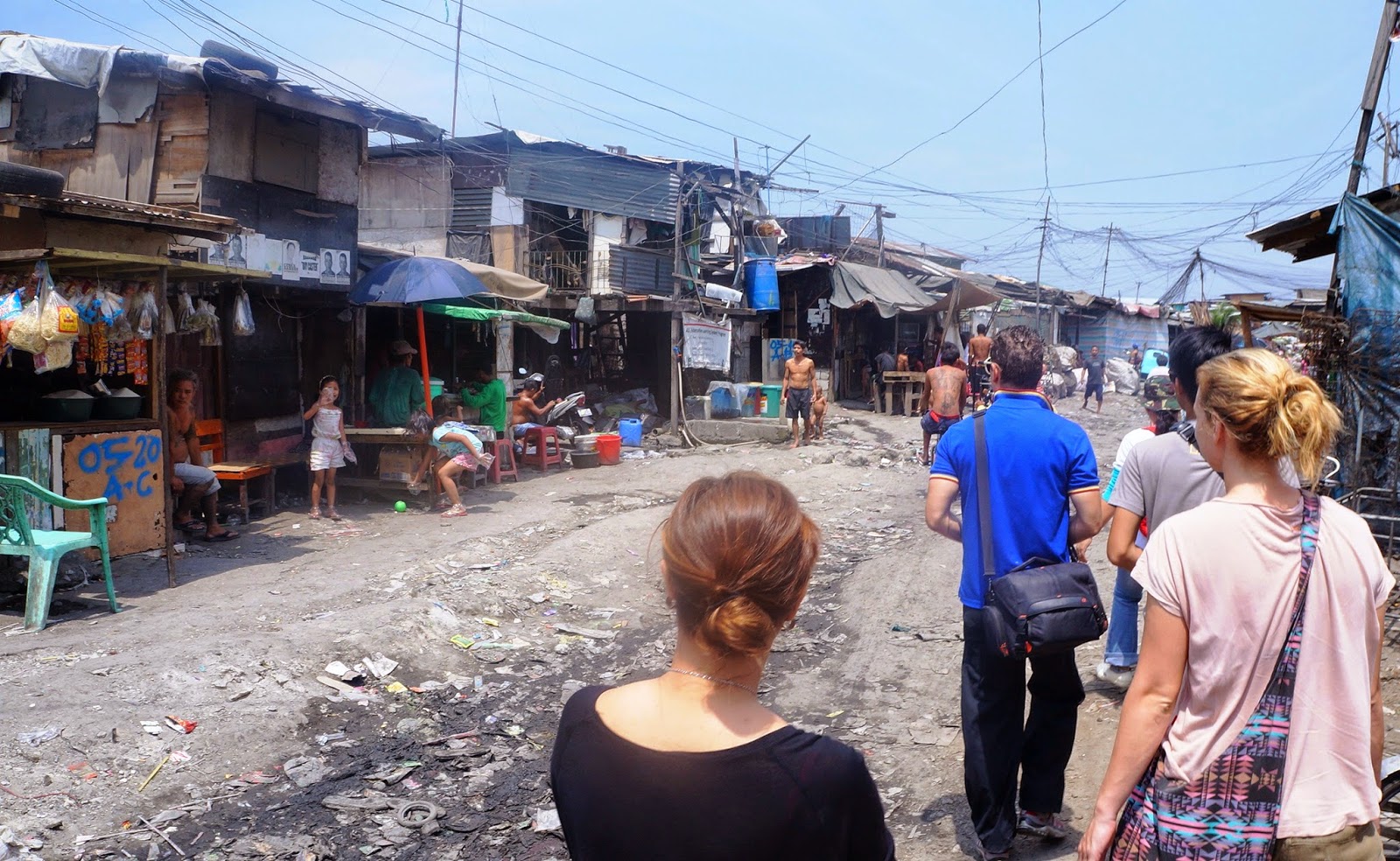
  • In Ecuador there are so many different adventures to experience and people to meet, that you will not be out of backpacking anytime soon. A beautiful, challenging and at the same time accessible destination with jungles, mountains, beaches, volcanoes, culture clashes, nature reserves and nightlife hotspots. All at relatively short distances from each other and in a mixed society.
  • Characteristics: an awful lot to do, diversity of peoples and landscapes and everything at a relatively short distance from each other.

Travel in Ecuador?

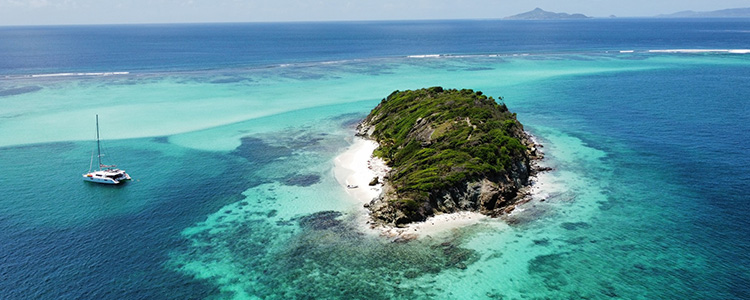
  • A country also called the land of four worlds - four worlds of diversity. You will find a beautiful coast, gigantic mountains, the Amazon and, of course, the Galapagos Islands!
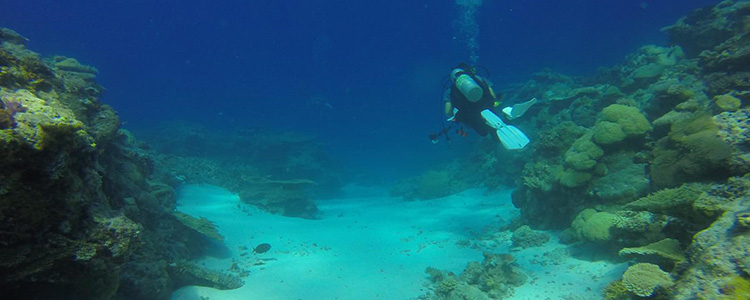
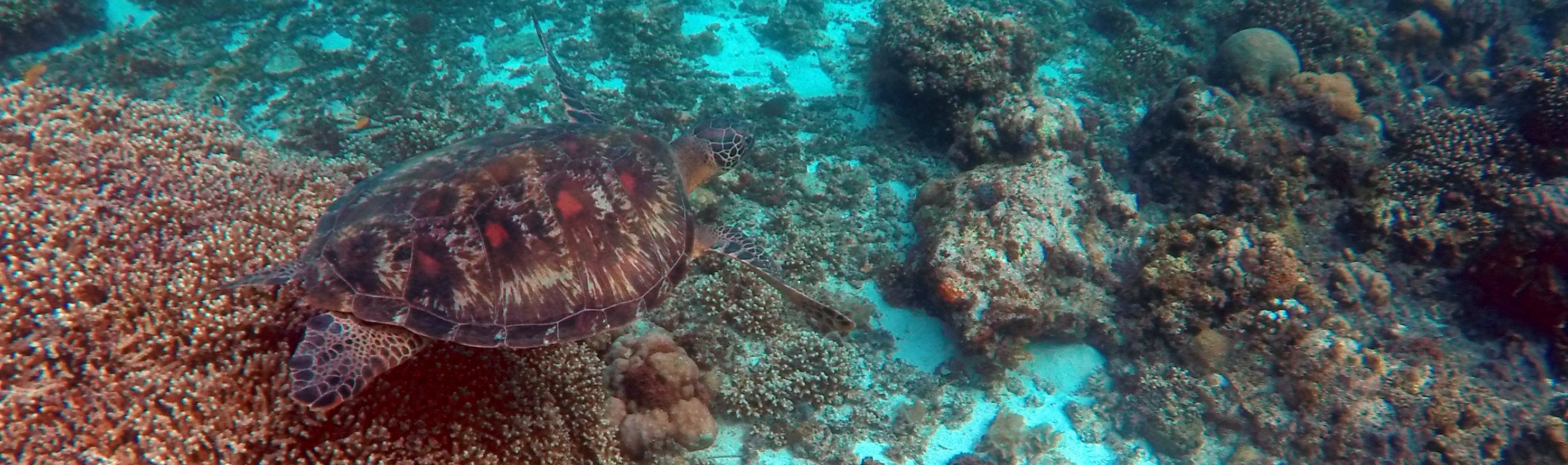
  • Activities spotting: snorkeling and diving, hiking, spotting animals, attending festivals, visiting markets, cooking workshops, visiting coffee and cocoa plantations.
  • Cities spotting: Quito, Cuenca, Guayaquil, Baños de Agua Santa, Otavalo, Manta, Loja.
  • Nature Spotting: the Galapagos Islands, the Amazon Rainforest, the Andes Mountains including Cotopaxi, one of the highest active volcanoes in the world, Cloud Forest and many coastal areas.
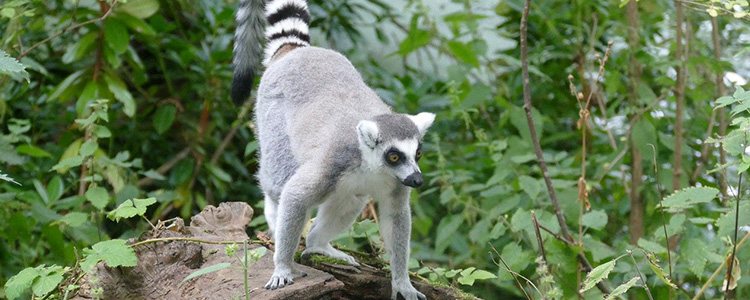
  • Animal spotting: giant tortoises, marine iguanas, blue-footed booby, pink river dolphin, sloth, condor, anaconda.

Study in Ecuador?

  • Education in Ecuador: education in Ecuador, depending on the university, is of average quality. You have the opportunity to choose a variety of fields of study, including specific, country-related studies.
  • Language: teaching is mainly in Spanish, and there are some universities that also offer programs and courses in English.
  • Studies: there is a wide range of studies available. Uniquely, while being close to the fire, you can also choose studies such as indigenous studies, poverty alleviation and social development, studies specialized in the Galapagos Islands, Andes and Amazon.
  • Study cities: Quito, Cuenca, Guayaquil, Ambato, Loja.
  • Language learning: Spanish classes are offered all over the cities, through universities, private and often hostels that partner with schools/teachers.

Internships in Ecuador?

  • Internships: if you want to learn about biodiversity, wildlife, indigenous cultures and traditional medicine, Ecuador is a good place. Of course, internships can be found in other diverse sectors as well!
  • Internship cities: Quito, Guayaquil, Cuenca, Loja, Manta.
  • Characteristics: adventure, extensive cultural experience, unique opportunities, learn Spanish quickly.

Volunteer in Ecuador?

  • Ecuador is developing and at the same time has beautiful nature. So you can do well here for internships in the fields of social care and humanitarian aid, community development and nature conservation, ecotourism and environmental education.
  • Animal/nature projects: biodiversity research, reforestation projects, animal shelters, marine life research.
  • Features: the opportunity to contribute to meaningful projects while discovering Ecuador's rich culture and beautiful landscapes.

Working in Ecuador?

  • Jobs: both the availability of temporary and permanent work varies greatly by sector and it can be difficult to find work as a foreigner. Quito and Cuenca in particular have a fairly extensive expat community. Most jobs can be found in education, the tourism industry, NGOs and the non-profit sector. Usually you do need a network to find something.
  • Work culture: what you may have to get used to the most is the concept of Ecuadorian time - so patience and flexibility are important! Also, remember the great importance of hierarchical structures, Indirect communication, hard work and dedication.
  • Characteristics: get used to the concept of Ecuadorian time, get a good basic Spanish and use your network to find work.

Working as a digital nomad in Ecuador?

  • Favorite locations: Quito, Cuenca and Baños.
  • Characteristics: there is a nice climate for everyone, there is a lot of nature and culture to discover, Internet connections in the big cities are relatively good and the cost of living is a lot lower than in Europe.

Living in Ecuador?

  • Whether you are running a lodge in the Andes, a project in the Amazon or a tour company in Quito, with a good knowledge of Spanish, a good dose of love for South American culture, and occasionally nerves of steel, you can live beautifully in Ecuador.
  • Language: mainly Spanish is spoken in Ecuador, in addition there are many indigenous languages such as Kichwa and Shuar. 
  • Quality of life: quality of life is good, but can vary by location and personal preferences. The cost of living is low, it is relatively safe (though keep in mind minor crime and political developments), there is spectacular nature and infrastructure is well developed in urban areas.
  • Characteristics: Ecuador offers an attractive mix of affordability, natural beauty and cultural diversity for people seeking a good quality of life in Latin America.
  • Health care: the quality of health care in Ecuador ranges from moderate to good. In urban areas you will find modern clinics and hospitals; in rural areas this is more challenging. Make sure you arrange your own health insurance well.

Supporting content

Supporting content:
Ecuador Country Bundle: suggestions, stories and tips

Ecuador Country Bundle: suggestions, stories and tips

Image

Main content and contributions about Ecuador on WorldSupporter

Why study in Ecuador, do an internship, do volunteer work or look for a job in Ecuador?

Why study in Ecuador, do an internship, do volunteer work or look for a job in Ecuador?

Why study, do an internship, volunteer or work temporarily in Ecuador?

  • Because it is relatively safe depending on where you are.
  • Because it is a great opportunity to improve your Spanish.
  • Because you will find rich and ancient cultural diversity.
  • Because you can gain very specific knowledge.
  • Because you can make a deeper connection with Ecuadorian culture and local peoples.

What should you pay attention to?

  • That you end up with a good organization and that your money goes to the right purposes.
  • That you stay aware of local security risks and take good care of your belongings.
  • that you adapt your clothing to local standards and climate.


Why live in Ecuador, why emigrate to Ecuador or stay for a long time?

Why live in Ecuador, why emigrate to Ecuador or stay for a long time?

Why should you live in Ecuador as an expat, emigrant or working nomad?

  • because there is a great diversity of landscapes and therefore something for everyone.
  • because the climate is temperate in many places. So you can easily cool down, or seek out the heat when you want to.
  • because there is a lot of cultural heritage to discover.
  • because it is one of the more affordable countries in South America.
  • because Ecuadorians are incredibly friendly and welcoming and there are also several expat communities. 

What should you pay attention to?

  • that you know some words of Spanish.
  • that prices can vary considerably between cities and towns.
  • that there are health risks.
  • that you are aware of the local culture, traditions and customs.
  • build a network to help you integrate more easily into society.
 
Ecuador: Updates & Travel

Ecuador: Updates & Travel

Travel in Ecuador?

  • In Ecuador you will find the colorful markets, the Amazon area where you can make beautiful jungle trips, and the coastal areas with quiet, traditional fishing villages. There are also very lively seaside resorts where you can really let loose. You can also visit the Galapagos Islands: this costs a penny extra, but the beautiful surroundings are worth it. You can swim with dolphins, and also see other animals such as sea lions, penguins, large turtles, pelicans and iguanas. The underwater world is beautiful
  • In Ecuador you will find the colorful and now world-famous Indian markets, nice for souvenirs and a cultural experience.
  • Between Quito and Cuenca in the valley you will find many mountains and volcanoes. The most famous volcano with eternal snow is the Cotopaxi (5,897m). The Cotopaxi National Park is also located here. The snow-capped Chimborazo (6,310m) is a challenge for mountain climbers.
  • From Cuenca you can go to the Inca Pirca, the most important and best preserved ruin from the Inca era.
  • In the east, the Oriente, lies the Amazon region with many species of flora and fauna. There are various options for an Amazon trip. Make sure you are well informed when choosing your trip.
  • By train you can go from Alausi to Huigran along the scary, but fantastic, Devil's Nose Route.
  • On the Galapagos Islands you can snorkel with sharks, swim with sea lions and penguins, admire the many iguanas, see the famous Darwin finches and experience what it is like when animals have little fear of people. Because this comes with a hefty price tag, the number of boats that sail you and your fellow passengers along the islands remains somewhat limited. You are certainly not the only one, but you do not have to queue. If you can't afford the Galapagos, there is a reasonable alternative in the form of 'little Galapagos' (Isla de la Plata, near Manta on the coast of Ecuador) known as the Galapagos Islands for the poor.
  • The capital Quito is located in the Andes Valley. Here you can visit the old city center, the Casa de la Cultura museum, stroll through the crowded market, visit the colonial churches or play volleyball in the city park.
  • In Baños, a very relaxed village in a beautiful area, you will find hot springs, an ice-cold waterfall on the edge of the Tungurahua volcano, beautiful horse riding routes through the mountains for experienced and inexperienced riders, hiking trails and mountain bike trails. If you have trouble with the altitude in Quito, you can easily get used to it in Baños, which is located a bit lower.
  • North of Quito lies Otavalo where the famous Saturday market is held, the meeting place for the colorful Indian population. Pan flutes, sweaters, caps, scarves and bags change hands and eventually end up in Europe. If you travel a little further, you can make the unforgettable trip from Ibarra to Esmaraldas.
  • There are also very lively seaside resorts where you can party, for example in Montañita.
  • Be prepared that on the night buses that travel long distances, the drivers sometimes drive like crazy. People are also often robbed on these night buses. So be on your guard.
  • If you are going on a jungle tour through the rainforest, the rainy season can sometimes spoil the fun.
  • If you do not speak Spanish, it can be difficult to find your way. English is not spoken everywhere and even Spanish is sometimes difficult for the native population!
  • Be prepared that the Galapagos Islands are fantastic and at the same time a drain on your wallet.

Updates Ecuador

  • More about Ecuador, updates and contributions, see the link below.
How does healthcare work in Ecuador, and what travel insurance, health insurance or expat insurance do you need?

How does healthcare work in Ecuador, and what travel insurance, health insurance or expat insurance do you need?

How does the health care system work in Ecuador?

  • Affordable and good healthcare is one of the reasons why foreigners (e.g., from the U.S.) move to Ecuador. 
  • The country has invested heavily in healthcare in recent years, improving the level of care. 
  • In Ecuador, you have both public and private healthcare facilities to choose from. 
  • Many doctors are trained abroad.  
  • In larger cities like Quito, Guayaquil and Cuenca, you'll find affordable and accessible care. Outside the big cities, care is generally of lower quality. 
  • Pharmacies are easy to find, especially in the big cities. Pharmacists also provide medical advice and medications can be purchased for which you need a prescription in other countries.  However, be aware of the side effects and possible addictiveness of such over-the-counter medications. 
  • If you are admitted to a public hospital, it may be helpful -depending on hospital facilities- to have someone on hand to buy e.g. bottles of water or extra food (ask about specific dietary guidelines in advance).
  • Call 911 for emergency medical assistance (ambulance). 

How does the public health care work in Ecuador?

  • Public health care is provided by the Instituto Ecuatoriano de Seguridad Social (IESS) - a system that provides services to workers through a contribution from salary. 
  • Expats (foreigners with a permanent residceny status, residency visa) can also get access to IESS. 
  • As an IESS member, you pay a monthly fee (based on your income) and get access to a wide range of medical services. 
  • If you are not insured through the IESS, you can access public hospitals at low cost. You can also get good medical care here, but the choice is more limited. 
  • The quality of public care varies. In urban areas, facilities are reasonable, but rural areas may lack resources. Waiting times in public hospitals can also be long. 

How does the private health care work in Ecuador?

  • Despite IESS being a good safety net for foreigners, most choose to supplement/replace it with private insurance that fills in the gaps and offers more options. 
  • Private institutions, as in most countries, offer faster access to care and better service. Also, private care is generally of quite good quality. 
  • Private care is more expensive though (although prices are a lot better than in countries like the U.S. and in Europe). You can avoid these extra costs by getting international health insurance.  
  • In private healthcare, you will more often encounter staff trained abroad. This also means that there are generally more English-speaking staff. 

How is the family doctor arranged in Ecuador?

  • There are general practitioners in Ecuador. These are generally found in hospitals or private clinics.
  • You can also just make an appointment directly with a specialist. 
  • Always check with your insurance company which practices you can visit. 

How is the dentist arranged in Ecuador?

  • Also in dental care you will find many doctors who speak English. 
  • Dentists in Ecuador do a five-year degree, similar to a bachelor's degree, and sometimes supplement it with some kind of master's degree in Ecuador or abroad. 
  • These degrees are registered online in the SENESCYT system, which patients can check with the doctor's full name. 
  • Dental treatment is affordable, but it is helpful to have private insurance to cover these costs. 

How is the pregnancy care arranged in Ecuador?

  • In Ecuador, you can get good pregnancy care in both public hospitals and private facilities. 
  • Most people give birth in the hospital, some at home or in birthing centers. 
  • Through the public system, you can get free prenatal and delivery care. 
  • In private care, on the other hand, you get more personal attention and have more luxurious options. So many expats choose this. 
  • To get the most out of your pregnancy classes, it may be wise to learn Spanish. 
  • Abortion is illegal in Ecuador, with some exceptions. 

How safe or unsafe is a trip or stay in Ecuador?

What should you pay attention to in terms of safety in Ecuador?

  • Crime is common in Ecuador. This does not necessarily make the country unsafe for expatriates, but it does mean that it is good to be aware of the risks. 
  • The most common safety concerns for people living in Ecuador are theft and robberies. Be extra careful in crowded places and at ATMs and be aware of distraction tricks. 
  • Cabs are not always safe in Ecuador. So it is better to use registered cabs.
  • There are several areas where crime is more intense. For example, be careful in border areas with Colombia (Carchi, Esmeraldas, Sucumbios) because of drug-related crime, and be careful in Zamora-Chinchipe on the border with Peru because of unexploded mines. 
  • Avoid traveling after dark in remote areas, keep your passport and other documents safe, do not carry large amounts of cash with you, and always cooperate if you are robbed. 
  • There are frequent demonstrations, which can get out of hand. It is best to avoid such gatherings; as a foreigner, you are also prohibited from engaging in political activity in Ecuador. 
  • As a woman alone, it is also important to be careful. 

What should you look out for to in terms of diseases in Ecuador?

  • Diseases transmitted by insects (especially mosquitoes) are one of the greater risks in Ecuador. Malaria and dengue are the most common. 
  • There are also several vaccinations recommended for staying in Ecuador.
  • Another risk in Ecuador is altitude sickness. Quito is one of the highest capital cities in the world and some people experience symptoms of altitude sickness as soon as they are in the city. So keep a close eye if you feel nauseous, have a headache and can't sleep, for example. This can be treated, but if it gets worse you should consult a doctor immediately. 

What should you pay attention to in terms of traffic in Ecuador?

  • Driving in Ecuador can be quite stressful. The streets are narrow, not always very good (outside the cities) and landslides occur in winter, especially in the mountains.  
  • Drivers in Ecuador do not care much about traffic rules and can drive hard and carelessly. Driving under the influence is also common. Make sure you drive carefully, that your tank is always full and your doors are locked. Do not leave valuables in the car. 
  • Ecuador has a bus system. It is a good alternative to driving yourself, although not all drivers drive as carefully and you do have to watch out for theft. 

What work and travel insurance policies are suitable for short and long stays in Ecuador?

  • Is the trip to Ecuador and your return sufficiently covered? Are you sufficiently covered before, during and after your activities? Which insurance best suits your trip and your activity? Read more about insurances for abroad on JoHoinsurances.org.

What emigration and expat insurance can you take out for Ecuador if you are going to live there for a while?

  • Due to pressure on the public health care system, it is now mandatory to have private health insurance to enter Ecuador. 
  • Read more about insurances for abroad on Expatinsurances.org.
What are typical Ecuadorian habits, food customs, recipes and philosophies in Ecuador?

What are typical Ecuadorian habits, food customs, recipes and philosophies in Ecuador?

What are the customs in Ecuador regarding food?

  • In Ecuador, people mainly eat a lot of rice, potatoes, pasta, chicken and cabbage. Often spicy but not spicy. The atmosphere in restaurants is often excellent because of the large number of musical groups that come in to perform their skills on the pan flute. If you are vegetarian or vegan, it can be difficult to find meals in Ecuador. A tip, be sure to specify what you do eat (i.e. ask for a plate of rice, beans and salad), that works better than specifying what you don't eat.

What are the best recipes in Ecuador?

  • Arroz con Pollo is a dish of rice with chicken.
  • Lomo saltado is beef sautéed in onion and tomato with rice.
  • Churrasco is beef with fried egg.
  • Aji is the tangy sauce that you get with everything separately.
  • Cuy Chactado is a traditional Inca dish and should be tried by every traveler. While doing so, get over the fact that it involves grilled guinea pig!
  • Arepas are corn pancakes with cheese.
  • Fanesca is a dish of different grains, corn, potatoes and stockfish.
  • Llapingachos: Small fried cookies made of mashed potatoes and cheese.
  • Locro: Soup with potatoes, onions and cheese. Often served with avocado.
  • Tropical fruits: maracuya (passion fruit), bananas of all shapes and sizes, guava, pineapple, mango, chirimoya, naranjilla (sour orange).

What are the best drinks in Ecuador?

  • Beer is available everywhere. Club and Pilsener are the Ecuadorian brands.
  • Soft drinks can also be found everywhere both well known and unknown brands.
  • The fresh fruit juices are delicious.
  • Enjoy a delicious fresh milkshake with tropical fruits.
  • An excellent thirst quencher is the Piaco, a drink made from lemon.

What are notable holidays and festivals in ...?

  • New Year is lots of fire, papier-mâché cars and figures: one big party!
  • Carnival: nice and colorful with water fights and fruit and flower festivals.
  • Dia de los Inocentes: festival in Cuenca, Nov. 6, a hilarious parade of dressed-up men and boys that the whole city comes to see.
  • All Souls' Day: Nov. 2, in celebration people lay flower bouquets in cemeteries.

What are the remarkable habits in Ecuador?

  • Ecuador is known for its strong family ties and sense of community. Family plays a central role in daily life, with extended family gatherings and a deep sense of respect and care for the elderly. Cultural festivals, such as Inti Raymi (the Sun Festival) and Carnival, are of great significance and are celebrated lavishly throughout the country.
  • Social norms and mutual communication: A little courtesy will get you a long way! A greeting is a must when you start a conversation. Whether it is short or long - say hello, shake hands and between men and women, a single kiss on the cheek is sometimes exchanged. Expect to use the same greeting when saying goodbye. 
  • Etiquettes & traditions: Ecuador is a long of traditions and is still fairly old-fashioned. Apart from greetings, respect for personal space is very important. So be sure to keep an appropriate distance during interactions unless you have developed a strong bond. People also value appropriate dress, especially at religious or business gatherings. Hospitality also plays an important role in Ecuador. 
  • Eating and drinking habits: meals are huge social occasions and can be long. As crazy as it sounds, don't arrive on time when you are invited somewhere. Always arrive a little later and make sure you are neatly dressed out of respect to the hoste. What does agree with us is that Ecuadorians say bon appetit (buen provecho) before a meal when dining out with friends. If you are invited home, the host says buen provecho to invite you to start eating. Food is always eaten with cutlery. 
What are typical South American remarkable holidays and holiday habits?

What are typical South American remarkable holidays and holiday habits?

What are typical South American remarkable holidays and holiday habits?

  • Silvester evening is the last night in the year, the 31st of december. Silvester is the name of a holy pope. In general after midnight fireworks are burned. It comes from the belief that firework will keep ghosts away. 

What are remarkable holidays in Colombia?

  • Colombia's holidays reflect the Catholic history and heritage, providing opportunities for both religious observance and national celebration.
  • Colombia's Independence Day is celebrated extensively on July 20 with concerts, parades and costume parties.
  • It is sometimes said that the carnival of Barranquilla is the most colorful carnival in the world. In any case, after the carnival in Rio, it is the one with the most visitors. Every year in January, it celebrates for 4 days. 
  • During La Feria de Cali from December 25 to 30, the city of Cali turns into one big party. People flock from all over the country for the horse parades, beautiful women, bullfights and delicious food. The essence of the party is salsa, here the best salsa in the world is danced by professionals and accompanied by the most famous Salsa orchestras of Colombia and other South American countries.
  • Flower Festival of Medellín: For several days a year, the city of Medellín in the Andean region is one big Sea of Flowers. During this 10-day celebration in August, all balconies, terraces and gardens are covered with flowers.
  • The superstition with new year is: wear yellow underwear, that makes the next year for sure financial beneficial. You know what you gotta do!

What are remarkable holidays in Ecuador?

  • In Ecuador holidays are a vibrant blend of indigenous traditions and Catholic influences.
  • With el ano Viejo and Nuevo ano (new year) men dress as widows to mourn the passing year. It is meant to be done with humor and fun.
  • The Ecuadorians wear yellow underwear with new year, that makes the next year financially well.
  • Carnival is a time of joy and playfulness it is celebrated with water fights and foam sprays. Parades are lively and colourful.
  • The festival of the sun (Inti Raymi) honours Mother Earth (Pachamama) and celebrates the winter solstice. It is a celebration with offerings, traditional dance and music.

What are remarkable holidays in Mexico?

  • On average, there are four holidays per month in Mexico. Each day on the calendar is actually a holiday in Mexico. Calendar days are dedicated to saints with names. Also called “name days.” It's similar to a birthday. If you, as a Mexican, have the same name as the saint the day is named after, you are congratulated and receive gifts. For example, June 24 is the name day of San Juan.
  • Constitution Day is a national holiday in Mexico. Originally, Feb. 5 was the fixed date for this. In 1857 and 1917, Mexican constitutions were adopted on this date. In 2006, it was decided to celebrate it on the first Tuesday of the year.
  • On May 5, Mexicans celebrate the day Mexico defeated a French army in the Battle of Puebla. The discovery of America by Columbus used to be celebrated grandly in Mexico. However, after 300 years of misery by Europeans, it was decided to celebrate something else on Oct. 12. Today, Mexico celebrates Race Day. This refers to the new race that emerged from the Europeans and the Indians.
  • In Mexico, they celebrate the “Day of the Dead” (El Dia de los Muertos). Also called All Saints' Day and All Souls' Day. This national holiday is on November 1 and 2, and Mexicans celebrate on this day that the dead come back to earth to visit the living. The dead are then the guests of the living on that day. Cemeteries are crowded, picnics are held at gravesites and skulls are used as decorations. Bakers sell the bread of death on this festive day.
  • December 12 is the most important holiday in Mexico. Mexicans then celebrate the national feast of the Virgin of Guadalupe. This patron saint of Mexico is said to have been beheld as a Marian apparition in 1531 by Saint Juan Diego Cuauhtlatoatzin. Pilgrims in Mexico walk with torches and wear tunic referring to Juan Diego's clothing. Tens of thousands of Mexicans climb the mountain that day to the basilica “Iglesia de Guadalupe” in Mexico City. All day in Mexico there is celebration with music and fireworks.
  • Christmas starts in Mexico on the 16th of december with the "Posadas", which are processions through the streets with plays of the story of Maria and Joseph. Every evening ends with a feast and breaking of a pinata. On Nochebuena, christmas eve, diner is served with tamales, bacalao, and ponche (fruitpunch). After dinner a lot of people go to Misa de Gallo, a mis at church, followed with firework. 
Packing list for Ecuador, travel insurance for Ecuador, and taking your belongings

Packing list for Ecuador, travel insurance for Ecuador, and taking your belongings

Packing list for Ecuador, travel insurance for Ecuador, and taking your belongings

To take or not to take to Ecuador, leave at home or arrange locally?
Sufficiently insured or not for your activities in Ecuador?
Sufficiently insured or not for your trip to Ecuador?

What to take with you to Ecuador: spotlighted

  • Documents: passport valid for at least 6 months upon arrival with an online and/or offline copy.
  • Money: US dollars (Ecuador does not have its own currency), Credit card (often needed for bookings or accidents).
  • Care: sunscreen or sunscreen with a high factor – especially at high altitudes and so close to/on the equator.
  • Outdoor and practical items: cap or hat and sunglasses.
  • Protection: dry bags and/or a backpack rain cover will come in handy in the jungle or the rainy season. A mosquito net or impregnated mosquito net or mosquito net.
  • Clothing: because of the varied landscapes in Ecuador (from rainforest to beach to high mountains), varied clothing is best. Layers (with a really warm outer layer) and clothing for a humid climate (read more about clothing for when it is warm). Rain gear and gloves, hat and scarf can also come in handy. Swimwear for the coast/on the Galapagos. Shoes: both a pair of comfortable slippers/sandals and a pair of good (and possibly airy) walking shoes.
  • Medicines and travel kit: a small first aid kit with plasters, painkillers and ORS. Mosquito repellent.
  • Technology and equipment: world plug type A/B, power bank if you plan on taking long bus rides.
To consider:
  • Reusable water bottle with filter.
  • Quick-drying travel towel and swimwear for the beach or pool.
  • International driving permit, if you want to rent a car.
  • Snorkeling gear!

What should you keep in mind when traveling to Ecuador with your belongings?

  • Which parts of the country you are going to and in which season, your clothing can differ considerably. After all, it is the country of 3 seasons per day.
  • How you travel around. If you travel a lot by bus, your bag can quickly get damaged.

Are there mosquitoes in Ecuador?

  • Mosquitoes are most common in the Amazon basin and on the coast. They like a tropical climate and lots of water.
  • In the higher areas there are often fewer mosquitoes, although this is changing with climate change.
  • Mosquitoes can carry several serious diseases in Ecuador.
  • The regions of Esmeraldas, Manabi and Sucumbios have a higher risk of malaria.
  • During the rainy season (October to May) the number of mosquitoes increases significantly.

Are there sandflies in Ecuador?

  • Sand flies are mainly found in the Amazon region, near rivers and forests.
  • Also in humid subtropical zones on the edge of the Andes, e.g. Mindo or Baños, and the valleys in the Andes.
  • They can transmit leishmaniasis and bartonellosis, and the bite is also very irritating.

Can you buy DEET, or other mosquito repellents, in Ecuador?

  • Mosquito repellent is available in Ecuador, but often in lower concentrations.
  • You have the best chance of buying it in Quito or Cuenca.
  • NOPIKEX is a popular and readily available mosquito repellent brand, especially in pharmacies.
  • Jungle Formula is used, with higher concentration of DEET for higher risk areas.

Can you buy a joint or weed in Ecuador, or take it with you to Ecuador?

  • It is technically decriminalized (still legal, but tolerated) - you are allowed to have up to 10 grams in your pocket for personal use.
  • But be smart and careful:
    • Use in public is fines or problems.
    • Buying and selling is illegal.
    • Tourists are usually treated more severely than locals - with the risk of very long prison sentences.
    • Police can be corrupt - so: avoid the risk.
  • In short: leave it alone. You are here for the condors, cocoa and volcanoes, right?

Image ACTIVITIES

Check courses, jobs, projects, recipes, suggestions and tips related to: 'Ecuador'

ACTIVITIES
Volunteer as a teacher at small schools in various countries

Volunteer as a teacher at small schools in various countries. This organization offers various opportunities for small schools, mostly focused on teaching English, but also computer lessons, health education or French lessons are possible. Teachers wanted for both primary education and education fo...

CHECK MORE ACTIVITIES

Select any filter and click on Apply to see results

Activities abroad: home bundle

Main content and contributions for activities abroad

,,,accommodations, adventure activities, courses, internships, jobs and volunteer projects

...to help another, travel with care, work together , learn

........Read more
Activities abroad: home page

Activities abroad: home page

From language courses to gap year abroad, from work experience to volunteering abroad, from paid work to internship abroad, from mountaineering to diving and from backpacking to travel around the world

    What social activities can you do abroad?

    • Opportunities are found in the areas of helping, learning or studying. You can get involved to volunteer in a social project at a school in Africa, Asia or Latin America. You can get involved in nature, in a project with animals or cleaning the sea or beaches. Those who want to learn more can choose for example a language course in Latin America, Spain or South Africa.

    What work related activities can you do abroad?

    • If you want to gain work experience, and/or also earn money, go and work abroad. You can combine backpacking in Australia with temporary work. You can work on campsites in Europe or bush camps in Africa. You can pretty much go all over the world to work in the hospitality industry, hotels and hostels, in the healthcare sector or for example at a diving school.

    What sports activities to do abroad?

    • Have you ever thought of mountain biking, rafting (going down a wild river on a raft or rubber dinghy, climbing or canoeing), survival (which involves building rafts, climbing or canoeing), abseiling (descending a rock face while secured to ropes), zip-lining (whizzing down a cable), canyoning (starting at the top of a river and then climbing, swimming, diving down the bed) or caving (scrambling, wriggling and crawling through caves and crevices)?
    • Maybe you feel more comfortable on a bodyboard (on a half-wave surfboard, you surf the high waves lying down-with flippers), on a hang glider or while paragliding (with a parachute you float down a mountain or dune), hydrospeeding (on a bodyboard with flippers and a wetsuit on you go down a wild river via rapids) or Tiefschneeskiing (racing down through powder snow)?

    Check the pages below for more activities and inspiration and where to go and how to arrange it

      Image STORIES

      Check blogs, experiences and information related to: 'Ecuador'

      STORIES
      Image
      • … elke vrouw die ouder is dan veertig je aanspreekt met 'mi hija' (mijn dochter / mijn kind)
      • … elke man die ouder is dan veertig je aanspreekt met 'tiene novio?' (heb je een vriend?)
      • … ook elke man die jonger is dan veertig je aanspreekt met 'tien...
      Image

      Hola Amigos! Fruits are one of the main parts of a healthy diet, but also just simply DELICIOUS. Well, if you want a good choice of fruits, head out to South-America. It's FRUIT HEAVEN! The fruits here are sweet, fresh, without travel pollution and cheap, what else do you want? Well, today for&...

      ecuador flag stamp

      Toeristenvisum Er is geen toeristenvisum nodig voor een verblijf tot 90 dagen in Ecuador. Als je langer wilt blijven zul je vanuit Nederland een toeristenvisum moeten aanvragen voor een periode van 180 dagen, dit is de langste periode dat je officieel in Ecuador mag verblijven in een jaar. Er zi...

      Image

      Het voordeel van airco in de bus bij tropische temperaturen mag dan duidelijk zijn, het nadeel is dat je op een zeker moment toch ook weer uit moet stappen en dat je na de klap in je gezicht dan weer een half uur nodig hebt om opnieuw te acclimatiseren. Na twee uur vanaf Daule met mijn trui aan in d...

      CHECK MORE STORIES

      Select any filter and click on Apply to see results

      Countries & Destinations: home bundle

      Bundled content, suggestions, stories and tips about the countries and destinations in the world

      ...to help another, travel with care, work together , learn to share and inspire........Read more

      Africa: country bundles

      Africa: country bundles

      Access: 
      Public
      Asia: country bundles

      Asia: country bundles

      Country bundles of Asian countries

      Access: 
      Public
      Europe: country bundles

      Europe: country bundles

      Country bundles of European countries

      Access: 
      Public
      The Caribbean: country bundles

      Image ORGANIZATIONS

      Check sectors and organizations related to: 'Ecuador'

      ORGANIZATIONS
      Equinox Spanish School

      Equinox Spanish School has been in business for over 20 years and is one of the few language schools recognized by the Ecuadorian Ministry of Education.

      Rebecca Adventure Travel

      Rebecca Adventure Travel is een Nederlandse tour operator gevestigd in Quito, Ecuador. De organisatie biedt op maat gemaakte, avontuurlijke tours in Ecuador, Peru en Colombia. 

      StudyTravel

      StudyTravel consists of a permanent team of enthusiastic employees, all with experience abroad. You can go there to learn various languages such as Italian, German, Chinese, Portuguese, Korean, Russian, French, English, Japanese, and of course Spanish! If you have booked with StudyTravel using the a...

      Enlace: engels lesgeven in Ecuador

      Learn English in Mindo, Ecuador

      • ENLACE is a non-profit language school founded in 2023 in the cloud forest of Mindo, Ecuador.
      • Understanding the need for quality and accessible English language lessons in Mindo, they set about the challenge of making Mindo the first bilingual town i...

      CHECK MORE ORGANIZATIONS

      Select any filter and click on Apply to see results

      Organizations & Services: home bundle

      Bundled content, suggestions, stories and tips about organizations and their products and services

      ...to help another, travel with care, work together, learn to share and inspire with

      ........Read more
      Organizations: home page
      Organizations: for administrative, tax and legal work and consulting
      Organizations: for agriculture, grape picking, farming and vineyards
      Organizations: for animal protection, animal care and working with wildlife abroad
      Organizations: for au pairs, youth work and child care abroad
      Organizations: for bush camping and working at a campsite abroad
      Organizations: for catering, hospitality and entertainment abroad
      Organizations: for civil society and social work abroad
      Organizations: for corporate business services
      Organizations: for customer services abroad and help desks
      Organizations: for diving, snorkeling and water sports abroad
      Organizations: for education and schools abroad
      Organizations: for expatriate insurances, travel insurances, and emergency call centers
      Organizations: for gap year activities abroad and sabbaticals
      Organizations: for internship placement abroad
      Organizations: for insurances and finance abroad
      Organizations: for IT, engineering and construction
      Organizations: for language travel and language teaching abroad
      Organizations: for marketing, communication and PR
      Organizations: for mediation in au pairs, childcare and elderly care in the Netherlands
      Organizations: for moving, international relocation and transport abroad
      Organizations: for nature conservation, environmental protection and working in nature abroad
      Organizations: for nonprofit projects, development work and international cooperation
      Organizations: for online work as digital nomad, freelancer, or independent entrepreneur from abroad
      Organizations: for outdoor activities and sports
      Organizations: for providing accommodation and hospitality work in hotels, guesthouses, ecolodges and hostels abroad
      Organizations: for providing healthcare and working in medical care abroad
      Organizations: for psychological assistance and mental health care abroad
      Organizations: for real estate, brokerage abroad and property rental abroad
      Organizations: for research and scientific work abroad
      Organizations: for student support and student associations
      Organizations: for tour guidance and adventure tours abroad
      Organizations: for tourism and organized travel and leisure work abroad
      Organizations: for voluntary work mediation and project placement abroad
      Organizations: for yacht and shipping crew and working on a cruise ship abroad

      Image SUMMARIES

      Check summaries and study assistance related to: 'Ecuador'

      CHECK MORE SUMMARIES

      Select any filter and click on Apply to see results

      Image

      SPOTLIGHT & FAVORITES

      SPOTLIGHT
      Image

      As a vegan who loves travelling, you've probably heard that it's impossible to do it if you want to stay healthy. Well, I'm here to change that view and give you some tips for travelling as a vegan in Ecuador. When I went to Ecuador, I was doubtful about whether I would manage to stay vegan. I had b...

      ecuador flag stamp

      Toeristenvisum Er is geen toeristenvisum nodig voor een verblijf tot 90 dagen in Ecuador. Als je langer wilt blijven zul je vanuit Nederland een toeristenvisum moeten aanvragen voor een periode van 180 dagen, dit is de langste periode dat je officieel in Ecuador mag verblijven in een jaar. Er zi...

      FAVORITES
      Image
      • … elke vrouw die ouder is dan veertig je aanspreekt met 'mi hija' (mijn dochter / mijn kind)
      • … elke man die ouder is dan veertig je aanspreekt met 'tiene novio?' (heb je een vriend?)
      • … ook elke man die jonger is dan veertig je aanspreekt met 'tien...
      Image

      Hola Amigos! Fruits are one of the main parts of a healthy diet, but also just simply DELICIOUS. Well, if you want a good choice of fruits, head out to South-America. It's FRUIT HEAVEN! The fruits here are sweet, fresh, without travel pollution and cheap, what else do you want? Well, today for&...

      ecuador flag stamp

      Toeristenvisum Er is geen toeristenvisum nodig voor een verblijf tot 90 dagen in Ecuador. Als je langer wilt blijven zul je vanuit Nederland een toeristenvisum moeten aanvragen voor een periode van 180 dagen, dit is de langste periode dat je officieel in Ecuador mag verblijven in een jaar. Er zi...

      Image

      Het voordeel van airco in de bus bij tropische temperaturen mag dan duidelijk zijn, het nadeel is dat je op een zeker moment toch ook weer uit moet stappen en dat je na de klap in je gezicht dan weer een half uur nodig hebt om opnieuw te acclimatiseren. Na twee uur vanaf Daule met mijn trui aan in d...

      Safety, insurances and packing list for Ecuador

      How does healthcare work in Ecuador, and what travel insurance, health insurance or expat insurance do you need?

      How does healthcare work in Ecuador, and what travel insurance, health insurance or expat insurance do you need?

      How does the health care system work in Ecuador?

      • Affordable and good healthcare is one of the reasons why foreigners (e.g., from the U.S.) move to Ecuador. 
      • The country has invested heavily in healthcare in recent years, improving the level of care. 
      • In Ecuador, you have both public and private healthcare facilities to choose from. 
      • Many doctors are trained abroad.  
      • In larger cities like Quito, Guayaquil and Cuenca, you'll find affordable and accessible care. Outside the big cities, care is generally of lower quality. 
      • Pharmacies are easy to find, especially in the big cities. Pharmacists also provide medical advice and medications can be purchased for which you need a prescription in other countries.  However, be aware of the side effects and possible addictiveness of such over-the-counter medications. 
      • If you are admitted to a public hospital, it may be helpful -depending on hospital facilities- to have someone on hand to buy e.g. bottles of water or extra food (ask about specific dietary guidelines in advance).
      • Call 911 for emergency medical assistance (ambulance). 

      How does the public health care work in Ecuador?

      • Public health care is provided by the Instituto Ecuatoriano de Seguridad Social (IESS) - a system that provides services to workers through a contribution from salary. 
      • Expats (foreigners with a permanent residceny status, residency visa) can also get access to IESS. 
      • As an IESS member, you pay a monthly fee (based on your income) and get access to a wide range of medical services. 
      • If you are not insured through the IESS, you can access public hospitals at low cost. You can also get good medical care here, but the choice is more limited. 
      • The quality of public care varies. In urban areas, facilities are reasonable, but rural areas may lack resources. Waiting times in public hospitals can also be long. 

      How does the private health care work in Ecuador?

      • Despite IESS being a good safety net for foreigners, most choose to supplement/replace it with private insurance that fills in the gaps and offers more options. 
      • Private institutions, as in most countries, offer faster access to care and better service. Also, private care is generally of quite good quality. 
      • Private care is more expensive though (although prices are a lot better than in countries like the U.S. and in Europe). You can avoid these extra costs by getting international health insurance.  
      • In private healthcare, you will more often encounter staff trained abroad. This also means that there are generally more English-speaking staff. 

      How is the family doctor arranged in Ecuador?

      • There are general practitioners in Ecuador. These are generally found in hospitals or private clinics.
      • You can also just make an appointment directly with a specialist. 
      • Always check with your insurance company which practices you can visit. 

      How is the dentist arranged in Ecuador?

      • Also in dental care you will find many doctors who speak English. 
      • Dentists in Ecuador do a five-year degree, similar to a bachelor's degree, and sometimes supplement it with some kind of master's degree in Ecuador or abroad. 
      • These degrees are registered online in the SENESCYT system, which patients can check with the doctor's full name. 
      • Dental treatment is affordable, but it is helpful to have private insurance to cover these costs. 

      How is the pregnancy care arranged in Ecuador?

      • In Ecuador, you can get good pregnancy care in both public hospitals and private facilities. 
      • Most people give birth in the hospital, some at home or in birthing centers. 
      • Through the public system, you can get free prenatal and delivery care. 
      • In private care, on the other hand, you get more personal attention and have more luxurious options. So many expats choose this. 
      • To get the most out of your pregnancy classes, it may be wise to learn Spanish. 
      • Abortion is illegal in Ecuador, with some exceptions. 

      How safe or unsafe is a trip or stay in Ecuador?

      What should you pay attention to in terms of safety in Ecuador?

      • Crime is common in Ecuador. This does not necessarily make the country unsafe for expatriates, but it does mean that it is good to be aware of the risks. 
      • The most common safety concerns for people living in Ecuador are theft and robberies. Be extra careful in crowded places and at ATMs and be aware of distraction tricks. 
      • Cabs are not always safe in Ecuador. So it is better to use registered cabs.
      • There are several areas where crime is more intense. For example, be careful in border areas with Colombia (Carchi, Esmeraldas, Sucumbios) because of drug-related crime, and be careful in Zamora-Chinchipe on the border with Peru because of unexploded mines. 
      • Avoid traveling after dark in remote areas, keep your passport and other documents safe, do not carry large amounts of cash with you, and always cooperate if you are robbed. 
      • There are frequent demonstrations, which can get out of hand. It is best to avoid such gatherings; as a foreigner, you are also prohibited from engaging in political activity in Ecuador. 
      • As a woman alone, it is also important to be careful. 

      What should you look out for to in terms of diseases in Ecuador?

      • Diseases transmitted by insects (especially mosquitoes) are one of the greater risks in Ecuador. Malaria and dengue are the most common. 
      • There are also several vaccinations recommended for staying in Ecuador.
      • Another risk in Ecuador is altitude sickness. Quito is one of the highest capital cities in the world and some people experience symptoms of altitude sickness as soon as they are in the city. So keep a close eye if you feel nauseous, have a headache and can't sleep, for example. This can be treated, but if it gets worse you should consult a doctor immediately. 

      What should you pay attention to in terms of traffic in Ecuador?

      • Driving in Ecuador can be quite stressful. The streets are narrow, not always very good (outside the cities) and landslides occur in winter, especially in the mountains.  
      • Drivers in Ecuador do not care much about traffic rules and can drive hard and carelessly. Driving under the influence is also common. Make sure you drive carefully, that your tank is always full and your doors are locked. Do not leave valuables in the car. 
      • Ecuador has a bus system. It is a good alternative to driving yourself, although not all drivers drive as carefully and you do have to watch out for theft. 

      What work and travel insurance policies are suitable for short and long stays in Ecuador?

      • Is the trip to Ecuador and your return sufficiently covered? Are you sufficiently covered before, during and after your activities? Which insurance best suits your trip and your activity? Read more about insurances for abroad on JoHoinsurances.org.

      What emigration and expat insurance can you take out for Ecuador if you are going to live there for a while?

      • Due to pressure on the public health care system, it is now mandatory to have private health insurance to enter Ecuador. 
      • Read more about insurances for abroad on Expatinsurances.org.
      Packing list for Ecuador, travel insurance for Ecuador, and taking your belongings

      Packing list for Ecuador, travel insurance for Ecuador, and taking your belongings

      Packing list for Ecuador, travel insurance for Ecuador, and taking your belongings

      To take or not to take to Ecuador, leave at home or arrange locally?
      Sufficiently insured or not for your activities in Ecuador?
      Sufficiently insured or not for your trip to Ecuador?

      What to take with you to Ecuador: spotlighted

      • Documents: passport valid for at least 6 months upon arrival with an online and/or offline copy.
      • Money: US dollars (Ecuador does not have its own currency), Credit card (often needed for bookings or accidents).
      • Care: sunscreen or sunscreen with a high factor – especially at high altitudes and so close to/on the equator.
      • Outdoor and practical items: cap or hat and sunglasses.
      • Protection: dry bags and/or a backpack rain cover will come in handy in the jungle or the rainy season. A mosquito net or impregnated mosquito net or mosquito net.
      • Clothing: because of the varied landscapes in Ecuador (from rainforest to beach to high mountains), varied clothing is best. Layers (with a really warm outer layer) and clothing for a humid climate (read more about clothing for when it is warm). Rain gear and gloves, hat and scarf can also come in handy. Swimwear for the coast/on the Galapagos. Shoes: both a pair of comfortable slippers/sandals and a pair of good (and possibly airy) walking shoes.
      • Medicines and travel kit: a small first aid kit with plasters, painkillers and ORS. Mosquito repellent.
      • Technology and equipment: world plug type A/B, power bank if you plan on taking long bus rides.
      To consider:
      • Reusable water bottle with filter.
      • Quick-drying travel towel and swimwear for the beach or pool.
      • International driving permit, if you want to rent a car.
      • Snorkeling gear!

      What should you keep in mind when traveling to Ecuador with your belongings?

      • Which parts of the country you are going to and in which season, your clothing can differ considerably. After all, it is the country of 3 seasons per day.
      • How you travel around. If you travel a lot by bus, your bag can quickly get damaged.

      Are there mosquitoes in Ecuador?

      • Mosquitoes are most common in the Amazon basin and on the coast. They like a tropical climate and lots of water.
      • In the higher areas there are often fewer mosquitoes, although this is changing with climate change.
      • Mosquitoes can carry several serious diseases in Ecuador.
      • The regions of Esmeraldas, Manabi and Sucumbios have a higher risk of malaria.
      • During the rainy season (October to May) the number of mosquitoes increases significantly.

      Are there sandflies in Ecuador?

      • Sand flies are mainly found in the Amazon region, near rivers and forests.
      • Also in humid subtropical zones on the edge of the Andes, e.g. Mindo or Baños, and the valleys in the Andes.
      • They can transmit leishmaniasis and bartonellosis, and the bite is also very irritating.

      Can you buy DEET, or other mosquito repellents, in Ecuador?

      • Mosquito repellent is available in Ecuador, but often in lower concentrations.
      • You have the best chance of buying it in Quito or Cuenca.
      • NOPIKEX is a popular and readily available mosquito repellent brand, especially in pharmacies.
      • Jungle Formula is used, with higher concentration of DEET for higher risk areas.

      Can you buy a joint or weed in Ecuador, or take it with you to Ecuador?

      • It is technically decriminalized (still legal, but tolerated) - you are allowed to have up to 10 grams in your pocket for personal use.
      • But be smart and careful:
        • Use in public is fines or problems.
        • Buying and selling is illegal.
        • Tourists are usually treated more severely than locals - with the risk of very long prison sentences.
        • Police can be corrupt - so: avoid the risk.
      • In short: leave it alone. You are here for the condors, cocoa and volcanoes, right?
      Supporting Content:
      Ecuador: selectie van bijdragen van Wereldsupporters

      Ecuador: selectie van bijdragen van Wereldsupporters

      Selectie van bijdragen van Wereldsupporters over Ecuador

      Het Ecuadoriaans toeter-vertaal-woordenboek.

      Het Ecuadoriaans toeter-vertaal-woordenboek.

      Image

      Het wordt een levensgevaarlijke onderneming om ooit weer in Nederland aan het verkeer deel te gaan nemen. Mijn schrikreactie is sowieso al wat achtergebleven in vergelijking met mijn evolutiegenoten (of eigenlijk teveel doorgeëvolueerd: alleen nog op te roepen door acuut levensgevaar binnen het gezichtsveld of een tijdspanne van een half uur). Maar na twee weken in Quito ben ik nu bijkomend toeter-immuun. Dat moet ook wel, anders heb je hier kalmeringsmiddelen nodig als je de straat op gaat.

      Inmiddels heb ik dan ook de taal van het Ecuadoriaanse toeteren al aardig onder de knie, en het lijkt me leuk om die nieuw opgedane kennis even te delen met mensen in landen waar je 130 euro betaalt als je toetert wanneer er geen direct gevaar is. Toegegeven: er is hier altijd direct gevaar, dus ergens is het zo gek nog niet.

      Hier dus de interpretaties die ik tot dusver heb ontdekt: ¨Toet toet …

      • Ik ga rechtsaf.
      • Ik ga linksaf.
      • Ik ga rechtdoor.
      • Oh nee, toch niet.
      • Leuke schoenen!
      • Deze taxi is vrij.
      • Deze taxi is niet vrij, maar ik heb je wel gezien.
      • Hoi.
      • Ik ga je (bij voorkeur rechts) inhalen
      • Ik zit even met mijn hoofd in het dashboardkastje.
      • I like your car!
      • Ik ga van rijstrook wisselen.
      • Ik blijf op deze rijstrook, dus jij kunt wisselen.
      • Oh nee, toch niet.
      • Wij zijn van de politie.
      • Mijn favoriete liedje is op de radio.
      • Ik kan niet zien of er iets aankomt, maar ik rem sowieso niet.
      • La la la... toet toet!
      • Ik heb geen nummerbord.
      • Het is groen (te gebruiken bij afstanden tot 500m en ongeacht het aantal auto's tussen jou en het stoplicht)
      • Het is rood, maar ik rijd toch door.
      • Hee, ik heb al twee minuten niet getoeterd!
      • Ik verkoop gasflessen.
      • Mijn knipperlichten doen het niet.
      • Fietfiew!
      • Je kunt oversteken
      • Je kunt wel oversteken, maar ik ben niet van plan te stoppen.
      • Mijn voetbalteam heeft net gescoord.
      • Gringas! (Buitenlanders!)
      • Het is maandag.
      • Hoezo toeter je?
      • Met mayonnaise en een extra portie rijst.
      • Ik sta in de file.
      • Idioot!
      • Sorry (zeldzaamste vorm)

      Voor mijn project Imagine all the people werk ik in 2,5 jaar in verschillende landen als vrijwilliger en schrijf ik minstens elke maand een stukje over mijn ervaringen in verhaal-vorm. Op die manier wil ik proberen om mensen met elkaar in contact te brengen, om hun blikveld een beetje te verruimen zodat ze zich wat meer bewust worden van hun eigen positie in die wereld. Via verschillende media probeer ik zo de doelen van het project te bereiken: de wereld een beetje beter maken en anderen inspireren om op hun manier hetzelfde te doen.

      Wil je meer weten over dit project (wat doe ik precies, waarom en hoe) wil je weten wie ik eigenlijk ben, of wil je me volgen kijk dan eens op: httpspublic://blog/toeter_0.jpgnellyontour.wordpress.com/ of vind project Imagine all the people op facebook. www.facebook.com/pages/Project-Imagine-all-the-people/210147532462086 Groetjes uit Ecuador!

      Hoge kosten verlengen toeristenvisum Ecuador

      Hoge kosten verlengen toeristenvisum Ecuador

      Image

      Wil je voor een langere periode dan 90 dagen in Ecuador verblijven? Houd er dan rekening mee dat de kosten voor je visum hoog op kunnen lopen.

      Voor de eerste 90 dagen in Ecuador heb je geen toeristenvisum nodig; je krijgt een (gratis) visumstempel in je paspoort bij aankomst op de luchthaven. Wanneer je langer dan 90 dagen wil blijven, is het mogelijk om je visum eenmalig te verlengen met 90 dagen. Het verlengen van je toeristenvisum kan veel tijd in beslag nemen en de kosten hiervoor zijn hoog: voor de aanvraag betaal je 50 dollar en het visum zelf kost 400 dollar (situatie april 2019). Weet je voor vertrek uit Nederland al dat je langer dan 90 dagen in Ecuador gaat zijn, neem dan contact op met het Consulaat van Ecuador in Den Haag voor het aanvragen van een 180 dagen toeristenvisum. Op deze manier hoef je het visum niet in Ecuador zelf te verlengen (de kosten zijn overigens hetzelfde).

      Je weet dat je in Quito / Ecuador bent, als...

      Je weet dat je in Quito / Ecuador bent, als...

      Image
      • … elke vrouw die ouder is dan veertig je aanspreekt met 'mi hija' (mijn dochter / mijn kind)

      • … elke man die ouder is dan veertig je aanspreekt met 'tiene novio?' (heb je een vriend?)

      • … ook elke man die jonger is dan veertig je aanspreekt met 'tiene novio?'

      • … de bakker zegt: “Dat is dan twaalf dollarcent.”

      • … de grootste Engelstalige wereldhits uitsluitend als Gipsy Kings versie langskomen op de radio

      • … oversteken zonder aangereden te worden ongeveer 70% van je hersenactiviteit in beslag neemt.

      • … dat ook geldt als je oversteekt bij een voetgangersstoplicht.

      • … dat ook geldt als het voetgangersstoplicht groen is.

      • … je net als het overgrote merendeel van de mensen in het overgrote merendeel van de gevallen niet oversteekt bij een voetgangersstoplicht. Laat staan een groene.

      • … wakker blijven normaal 30% van je hersencapaciteit vereist, maar nu vanzelf gaat door een overvloed aan prikkels in de omgeving.

      • … je die 30% van je hersencapaciteit nu mooi kunt gebruiken voor de risico-analyse van alle andere doods- of letseloorzaken dan aangereden worden tijdens het oversteken.

      • … er dus geen hersencapaciteit overblijft voor minder belangrijke zaken als het volgen van verkeersregels en het niet ergeren van andere verkeersdeelnemers.

      • … dat voor iedereen hetzelfde is, zodat uiteindelijk niemand daar echt een probleem mee heeft.

      • … mensen op straat een hoop lawaai kunnen maken om dingen waar ze eigenlijk niet echt een probleem mee hebben.

      • … ze dat ook doen.

      • … niemand daar echt een probleem mee lijkt te hebben.

      • … je je melk, de kokossap van de straatverkoper en de fruitsap bij de afhaal-lunch in een plastic zak(je) krijgt.

      • … je je elke keer als je geen beker en/of schaar bij de hand hebt, afvraagt waarom.

      • … je je ook elke keer als je wél een beker en/of schaar bij de hand hebt, afvraagt waarom.

      • … de man in het lunchcafé zegt: 'We hebben ook een light-versie. Dat is zonder rijst, en in plaats daarvan meer sla en meer... frietjes.'

      • … koude macaroni met mayonaise ook 'sla' blijkt te zijn. (?)

      • … er op je zak volle melk ook gewoon 'light' staat.

      • … God ineens overal is. Zelfs in je slaapkamer en op de wc.

      • … logica ineens nergens meer is

      • … je je afvraagt of dat misschien iets met God te maken heeft.

      • … je dat voor de lieve vrede maar niet aan je Ecuadoraanse vrienden vraagt (95% gelovigheidsgraad)

      • … je je drie-gangen lunch met een soeplepel eet, inclusief je kip met rijst.

      • … je nooit met losse handen in het openbaar vervoer staat. Of zit.

      • … je in het openbaar vervoer sowieso vrijwel nooit zit.

      • … je persoonlijke ruimte in het openbaar vervoer gereduceerd wordt tot 0 cm van je rug, buik en benen, en 5 cm van je borst en gezicht.

      • … je 'stoicijns voor je uitkijken'-skills in het openbaar vervoer onder die omstandigheden in no time van een vergelijkbaar niveau zijn als die van je Ecuadoraanse busgenoten.

      • … je tas in het openbaar vervoer (en eigenlijk ook daarbuiten) gevoelsmatig wordt gepromoveerd tot een intiem lichaamsdeel.

      • … je hoofd ´s avonds in bed nog steeds vol zit met toeters, politiefluitjes en “a-un-dollar-a-un-dollar-a-un-dollaaaar!”

      • … je je zaklamp boven een zesliterfles met water hangt omdat de stroom is uitgevallen. Sfeerverlichting a la kannie anders.

      • … je bananen-, plastic- en zonnebrandconsumptie ineens met 300% stijgt

      • … je koffieconsumptie ineens met 300% daalt (i.v.m. exclusieve beschikbaarheid van Nescafé original)

      • … je i.v.m. exclusieve beschikbaarheid van Nescafé original liever hebt dat ze je telefoon of je camera jatten dan je kampeer-(échte)-koffiezettertje (ner-gens verkrijgbaar!)

      • … je zelfs liever hebt dat ze je telefoon én je camera jatten dan je koffiezettertje.

      • … je liever hebt dat ze je telefoon en je camera jatten dan je schrift met verhalen, lijstjes en ideeën, maar je niet weet of je liever hebt dat ze je schrift jatten of je koffiezettertje

      • … de kans overal gelukkig sowieso veel groter is dat ze je telefoon en je camera jatten. Continue ook.

      • … de criteria 'efficient', 'volgens de regels', en 'hoe iets eruit ziet' in je hoofd degraderen naar de categorie 'totaal onbelangrijk'.

      • … je de afstanden in de stad aangeeft als het aantal ecoviastops.

      • … je tijdstippen aangeeft met ongeveer een uur standaardafwijking.

      • … je er dan nog steeds regelmatig een uur naast zit.

      • … je een banaan bij je soep krijgt.

      • … je niet weet welk stuk bot met vlees van welk dier er tussen welke plantaardige creaties in je soepkom drijft.

      • … je er zoveel mogelijk popcorn en bananenchips aan toevoegt om het aantal partikels met bekende herkomst nog enigszins acceptabel te maken.

      • … je elke dag weer dankbaar bent als je verteringsstelsel normaal functioneert.

      -… je je koortsachtig probeert te herinneren welke van de zeven woorden voor 'banaan' de soort beschrijft die je bedoelt.

      • … je aan die Ecuadoraan die zo zijn best doet vraagt of hij ook Spaans kan praten omdat je zijn Engels niet kan verstaan.

      • … je 'hallo' zegt als 'hola, qué tal?' zonder dat je eigenlijk wil weten hoe het gaat.

      • … je dan geen antwoord krijgt, en je daar niet eens iets van denkt.

      • … je ook 'dag' zegt met 'hasta luego' (tot later) terwijl je vrij zeker weet dat je die persoon nooit meer gaat zien.

      • … die persoon dan ook gewoon 'hasta luego' terugzegt.

      • … je elk briefje groter dan vijf dollar tussen je vingers rolt om te kijken of het wel echt is, en je het wisselgeld checkt op buitenlandse muntjes.

      • … alleen prostitués of toeristen in een korte broek door de stad lopen.

      • … je de nieuwelingen in de hoofdstad verder herkent aan hun paranoia en hun verwoede pogingen om die te verbergen in een houding die 'cool' zou moeten zijn. Aandoenlijk.

      • … je je dan realiseert dat je twee jaar geleden één van die nieuwelingen was.

      • … je je de eerste drie keer dat je in het donker over straat loopt ook weer een nieuweling voelt.

      • … je de nieuwelingen in de hoofdstad herkent aan het gebrek aan paranoia waarmee ze tijdens de spits in de bus stappen met hun rugzak op hun rug, of in het centrum hun 1000-dollar camera vrolijk op hun buik laten bungelen.

      • … je de nieuwelingen in de hoofdstad herkent aan hun complete superlichtgewicht wind- en waterbestendige bergbeklimmersoutfit in hippe kleuren.

      • … je de nieuwelingen in de hoofdstad herkent aan het feit dat ze in hun hippe outfits ook gewoon naar adem staan te happen na elke tien meter omhoog lopen.

      • … je aan de toeter met de melodie van 'rudolph the red-nosed reindeer' hoort dat de trolleybus eraan komt. (Dat is één van de grote onopgeloste Ecuadoraanse mysteries waar ik mij nog steeds over verwonder)

      • … je vraag 'Wat voor verse sap hebben jullie?' wordt beantwoord met een lijst van twaalf fruitsoorten, die veel te snel wordt opgenoemd om het echt te kunnen volgen.

      • … je een half uur nadat je in de zon bent gaan zitten precies weet welke plekjes je vergeten bent in te smeren.

      • … dertig seconden nadat het begon te regenen je sokken en je ondergoed doorweekt zijn.

      • … er tussen die twee gebeurtenissen niet meer dan een uur hoeft te zitten.

      Inburgeringscursus: walk like an Ecuadorian in 5 stappen

      Inburgeringscursus: walk like an Ecuadorian in 5 stappen

      Image

      Stap 1: Loop… als een Ecuadoraan. Beslis waar je heen wilt en ga dan in één rechte lijn, ongeacht het aantal mensen dat je daarmee hindert of omver loopt, hoe vaak er bijna of helemaal een bus over je heen rijdt, het aantal “verboden toegang” of “verboden voor voetgangers”-borden dat je moet negeren en het antwoord op de vraag of de rechte lijn wel de meest praktische route is. Het is de kortste. Loop langzaam, bij voorkeur als het druk is en je je midden op straat bevindt. Blijf bovendien regelmatig stilstaan als daar geen enkele reden voor is, en doe dat op momenten dat iedereen dat het minst verwacht. Kijk rond, denk na of doe alsof, en kijk boos als er iemand rakelings langs je afloopt of tegen je op botst. Gebruik om te lopen of stil te staan uitsluitend de ruimten die bestemd zijn voor voetgangers, zoals daar zijn: op of naast de stoep(rand), op de rijbaan, de busbaan, parkeerplaatsen, bushaltes, taxistandplaatsen en op of naast de paden in het park. Kijk boos als andere verkeersdeelnemers van deze ruimten gebruik maken op het moment dat jij dat wil doen. Steek over waar en wanneer je wilt, maar bij voorkeur op plaatsen waar geen zebrapad, stoplicht of vluchtheuvel is. Is er wel een stoplicht, wacht dan niet tot het groen is. Kijk boos als er iemand toetert en doe net alsof je niet bijna overreden werd. Wijk niet uit als je ziet dat je tegen iemand op gaat botsen. Als je wel wil uitwijken, wacht dan tot het allerlaatste moment. Kijk boos of doe alsof er niets aan de hand is als je tegen iemand op loopt. Uitzonderingen op deze regels: loop niet in een rechte lijn als er een alternatief is dat mogelijk meer hinder oplevert, en loop snel als het regent, als het gaat regenen, of als je je bus moet halen. Kijk boos als anderen zich niet aan deze uitzonderingen houden.

      Stap 2: Dring voor… als een Ecuadoraan. Deze stap heeft oneindig veel toepassingen en is belangrijk voor iedereen die ooit iets wil eten, ergens heen wil of iets wil kopen. Voor iedereen dus. Dring voor bij loketten, bushaltes, kassa´s, stoplichten, toiletten, ingangen en uitgangen waar het druk is of niet, in de file, restaurants en eetstalletjes, toeristische attracties, doktersbezoeken en het opwaarderen van je beltegoed. Kijk boos als iemand anders hetzelfde doet of als iemand er iets van zegt. De meest gebruikte techniek: leg je geld alvast op de toonbank als je nog niet aan de beurt bent en/of doe je bestelling terwijl er een andere klant geholpen wordt.

      Stap 3: Eet… als een Ecuadoraan. Eet elke dag de hele berg rijst die op je bord ligt, ook als die zoals gebruikelijk geserveerd wordt met pasta, aardappelen en/of brood. Eet minstens drie keer in de week kip en vul je dieet aan met zoveel mogelijk suiker, vet en zout als je maar kan vinden: brood met suiker, fruitsap met suiker (?), chocomel met suiker, sla met zout, banaan met zout, rijst met zout, of gefrituurde deeg-, kaas-, maïs-, of aardappeldingen. Voor onverwachte dipjes in je bloedsuikerspiegel: koop koekjes, snoep, chocola, chips, ijs of gelatine van één van de vele verkopers in de bus of op straat.

      Stap 4: Gebruik de ecovia… als een Ecuadoraan. Voor de nog niet geïntegreerde niet-Ecuadoranen onder ons: de ecovia is de harmonicabus met een aparte rijbaan van het noorden naar het zuiden van de stad en andersom, de enige manier om je enigszins efficiënt te verplaatsen hier. Wissel een dollar bij de dame achter het loket omdat je geen muntjes van vijfentwintig cent meer hebt. Kijk boos als ze je twintig muntjes teruggeeft: één van vijfentwintig cent, vier van tien, vijf van vijf, en tien van één cent. Gooi het muntje van vijfentwintig cent in het draaihekje en ga in de rij staan bij de achterste schuifdeur. Die is het kortst omdat er meer kans is op zakkenrollers. Kijk boos om ze af te schrikken. Dit geldt trouwens tijdens de hele rit. Ga niet aan de kant voor mensen die zich noodgedwongen door jouw rij heen een weg naar de uitgang van de busstop banen. Je keek al boos. Als de ecovia aankomt en je aan het sissen van de deuren hoort dat ze bijna open gaan, begin dan met voordringen (zie stap 2) of het duwen van de persoon voor je richting de deur. Wat je ook doet, laat mensen niet eerst uitstappen en respecteer niet de pijlen met entrada (ingang) en salida (uitgang) op de respectievelijk rechter en linker deur van de bus. Kijk boos als de uitstappende mensen dat ook niet doen en loop zover mogelijk door naar het midden van de bus om de kans op zakkenrollers te verkleinen. Houd intussen je tas op je buik vast en verontschuldig je niet als je iemand expres of per ongeluk opzij duwt. Houd je bij voorkeur aan twee stangen vast, maar als het zo druk is dat je toch niet om kunt vallen, houd je handen dan op je tas en/of broekzakken. Houd je ogen waar je je handen niet op kunt houden. Probeer jezelf tijdens de rit staande te houden en als je bij jouw stop bent, begin dan met voordringen (stap 2) en/of duwen van je voorganger op het moment dat de deuren sissen voordat ze open gaan. Houd één hand op je tas en respecteer de pijlen met entrada en salida niet. Kijk boos als de mensen die instappen dat ook niet doen en verlaat de ecoviastop via het draaihek. Goede reis!

      Stap 5: Wacht… als een Ecuadoraan. Het zij zo: er staan vijftig mensen voor jouw loket. Je zit al een uur gevangen in een tropische hagelbui in een ecoviastop. De enige persoon die je misschien verder kan helpen is even kwijt (lees: voor onbepaalde tijd, maar meestal niet langer dan een week). De vergadering wordt nóg een week uitgesteld. De bus komt weer over een uur, en anders komt hij over een uur over een uur. Maak je de kunst van het wachten eigen: kijk het af bij de Ecuadoranen, zij zijn wereldkampioen rustig wachten tot het zover is. Tot het moment dat je voor kunt dringen uiteraard... :) (zie stap 2) Gefeliciteerd, je kunt nu de Ecuadoraanse samenleving in! **Vond je het leuk om dit bericht te lezen of juist niet? Laat het me weten met een duimpje omhoog en/of een reactie! Wil je meteen weten wanneer ik een nieuw verhaal post, klik dan op de ¨volg deze blogger¨-knop onderaan... Thanks!** *Voor mijn project Imagine all the people werk ik in 2,5 jaar in verschillende landen als vrijwilliger en schrijf ik minstens elke maand een stukje over mijn ervaringen in verhaal-vorm. Op die manier wil ik proberen om mensen met elkaar in contact te brengen, om hun blikveld een beetje te verruimen zodat ze zich wat meer bewust worden van hun eigen positie in die wereld. Via verschillende media probeer ik zo de doelen van het project te bereiken: de wereld een beetje beter maken en anderen inspireren om op hun manier hetzelfde te doen.* *Wil je meer weten over dit project (wat doe ik precies, waarom en hoe) wil je weten wie ik eigenlijk ben, of wil je me volgen (met álle foto´s bij mijn verhalen) kijk dan eens op: httppublic://blog/traffic_ecuador_0.jpgtinkywong.webnode.nl of vind project Imagine all the people op facebook. www.facebook.com/pages/Project-Imagine-all-the-people/210147532462086 Groetjes uit Ecuador!*

      Welk visum regelen voor een reis, werk of vrijwilligerswerk naar Ecuador?

      Welk visum regelen voor een reis, werk of vrijwilligerswerk naar Ecuador?

      ecuador flag stamp

      Toeristenvisum

      Er is geen toeristenvisum nodig voor een verblijf tot 90 dagen in Ecuador. Als je langer wilt blijven zul je vanuit Nederland een toeristenvisum moeten aanvragen voor een periode van 180 dagen, dit is de langste periode dat je officieel in Ecuador mag verblijven in een jaar. Er zijn mensen die langer blijven dan hun visum aangeeft omdat er (meestal) geen boete is voor langer blijven (Let op! Het zou kunnen dat dit verandert). Officieel is een retour- of onwardticket verplicht. In de praktijk wordt hier bijna nooit om gevraagd. Vraag wel even na bij je vliegtuigmaatschappij of ze je mee laten vliegen zonder returnticket of visum.

      Werkvisum

      Het werkvisum moet worden aangevraagd bij de ambassade in Den Haag en is geldig gedurende 1 jaar of tot maximaal 2 jaar. Het kan wel verlengd worden in Ecuador. Het werkvisum is geldig voor bekwame (technische) werkers, directeuren of managers, mensen die opgeroepen worden door bedrijven of instituties of mensen in Ecuador voor een tijdelijke opdracht.

      De volgende documenten zijn nodig voor de aanvraag:

      • Het visumapplicatieformulier, ingevuld en ondertekend (te doen op de ambassade)
      • Certificaat van goedkeuring, ingevuld en ondertekend (te doen op de ambassade)
      • Geschreven verzoek van het bedrijf, getekend door de voorzitter, manager of juridische vertegenwoordiger en geadresseerd aan de Ecuadoraanse Buitenlandse Service in de plaats van residentie van de aanvrager
      • Paspoort, ten minste geldig tot zes maanden na het inreizen van Ecuador
      • Eén recente pasfoto's in kleur met witte achtergrond
      • CV dat bewijst dat je geschikt bent voor de functie
      • Bewijs van inschrijving van het bedrijf in de KvK
      • Gecertificeerde kopie van het certificaat van Registro Único de Contribuyentes (RUC) van de sponsor
      • Gecertificeerde kopie van het recente certificaat van nakoming van verplichtingen en verbintenissen en het juridisch bestaan van het bedrijf, uitgegeven door de Ecuadoraanse Superintendent van Bedrijven
      • Gecertificeerde kopie van de afspraak van de directeur, manager, om op tijd geregistreerd te worden in het register van de KvK
      • Bewijs van het niet hebben van verplichtingen jegens de Insituto Ecuatoriano de Seguridad Social
      • Arbeidscontract, in het geval dat je in dienst bent bij het bedrijf, en als dit het geval is ook een werkvergunning.

      Vrijwilligersvisum

      Als je als vrijwilliger korter dan 90 dagen in Ecuador verblijft, heb je geen visum nodig. Blijf je tussen de 90 en 180 dagen, dan kan je het best het verlengde toeristenvisum 12 I-X voor maximaal 180 dagen aanvragen. Dit visum is bedoeld voor bezoekers die voor legale doeleinden langer dan de gebruikelijke 90 dagen in Ecuador willen blijven. Je moet hierbij kunnen aantonen dat je voldoende financiële middelen hebt om in Ecuador te verblijven en een paspoort dat nog minstens 6 maanden geldig is op de dag van vertrek. Als je langer wilt blijven, dan kun je het speciale 12-VII vrijwilligersvisum aanvragen. Deze is minimaal 6 maanden en maximaal 2 jaar geldig en kan je aanvragen bij de ambassade van Ecuador in Den Haag (zie link hieronder). Er zijn hier ook een aantal voorwaarden aan verbonden, zoals een beschrijving van je werkzaamheden in Ecuador en een officiële brief van de organisatie waarbij je gaat werken dat verklaart dat de instelling eventuele kosten van je verblijf zullen vergoeden, maar hiervoor kan je terecht bij de ambassade. 

      De benodigde documenten zijn:

      • Visumapplicatieformulier, ingevuld en ondertekend (te doen op de ambassade)
      • Certificaat van goedkeuring, ingevuld en ondertekend (te doen op de ambassade)
      • Paspoort, geldig voor ten minste zes maanden na vertrek
      • Eén recente pasfoto in kleur met witte achtergrond
      • Een brief van de juridisch vertegenwoordiger van de organisatie in kwestie, met het verzoek dat de vrijwilliger wordt toegelaten tot Ecuador
      • Gecertificeerde kopie van het decreet uitgegeven door de Ecuadoraanse regering, waarin het de organisatie toestemming geeft te opereren in Ecuador
      • Document van de gast entiteit van de vrijwilliger, waarin ze de verantwoordelijk op zich nemen voor de door de vrijwilliger gemaakte kosten als gevolg van het verlaten van het land
      • Document van de vrijwilliger waarin aangegeven wordt dat diensten gegeven zullen worden, zonder daarvoor beloning in ontvangst te nemen
      • Garantie van de sponsor dat zij de vrijwilliger financieel zullen ondersteunen gedurende zijn/haar verblijf in Ecuador
      • Benodigdheden speciaal voor vrijwilligers: SRUOSC certificaat (Sistema de Registro Único de Organizaciones de la Sociedad Civil) en een omschrijving van het vrijwilligersproject.

      Actuele informatie

      Check altijd de laatste stand van zaken.

      Image ALL CONTENT

      Search all related content within the topic: 'Ecuador'

      ALL CONTENT WITHIN TOPIC

      Select any filter and click on Apply to see results

      Check or search within: topics, countries and studies only

      Search only via club, country, goal, study, topic or sector

      Image

      Related topics and terms

      Related regions:

      Image

      TOPICS : check associated topics and more activities

      Selected Worldsupporter pages in relation with the topic
      Crossroads in the field of:
      More crossroad and side roads:
      Themes: main theme pages for activities abroad (intern, study, travel, volunteer, work or emigrate)

      WorldSupporter Theme pages for activities abroad

      Intern, study, travel, volunteer, work or emigrate

      Activities Abroad - Theme
      Best travel time for weather, climate and activities abroad, and the worst time to go!
      Backpacking and travel your way around the world - Theme
      Emigration and moving abroad - Theme
      Gap Year, Time out and Sabbatical - Theme
      Internship Abroad - Theme
      Learning languages and language courses abroad - Theme
      Remote working abroad and digital nomads - Theme
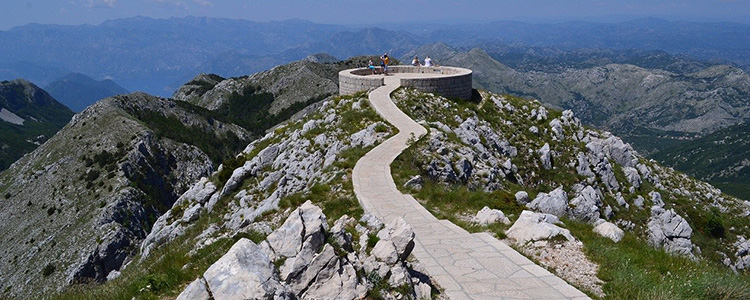
      Study Abroad - Theme
      Teaching Abroad and Working in Education - Theme
      Travel insurances and insurances for long term abroad - Theme
      Travel gear and packing lists for going abroad - Worldsupporter Theme
      Volunteer abroad - Theme
      Work abroad and working holidays - Theme
      Stay safe and insured
      Go abroad!