Cameroon Country Bundle: suggestions, stories and tips

Content about Cameroon on WorldSupporter
Cameroon: Updates & Travel
 Cameroon: Updates & Travel
Travel in Cameroon?
- Cameroon has many different climates due to the geographical location of the country. You will find beautiful beaches, dense jungles, waterfalls, high mountains with volcanoes, and desert. Cameroon is also very diverse in terms of culture, with around 250 languages spoken.
- There is so much choice in wildlife parks. Cameroon has various climates, which means there are many wildlife reserves with special animals. For example, go to the Dja wildlife reserve in the southeast or the centrally located Mbam et Djerem National Park. Unfortunately, a visit to the Waza National Park in the far north is not recommended due to potentially unsafe situations in the area.
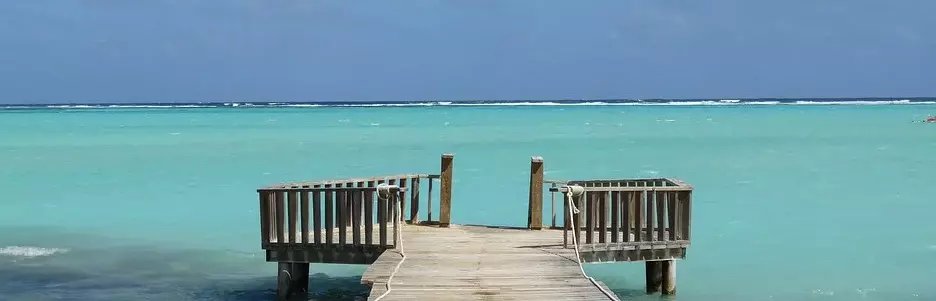
- Kribi is a city on the coast. This coastal city is a favorite among travelers and residents of Cameroon. You can enjoy the beach, take a boat trip or swim in the ocean. The nature is also beautiful because a river flows right onto the beach. Doual'art is an interesting independent non-profit organization to visit in Douala. The organization focuses on promoting contemporary art in Cameroon.
- Douala is the largest city in Cameroon and is located in the south-west on the coast towards the border of Nigeria. It is bustling with culture and nature because you can also visit the nearby game reserve.
- Yaoundé is the capital of Cameroon and has approximately 2.5 million inhabitants. There is always something to do, including visiting various museums or a city walk along historical statues.
- It is not recommended to travel in the far north of Cameroon and close to the border areas of Nigeria. These are unsafe areas, especially for tourists due to robberies and previous kidnappings.
Updates Cameroon
- More about Cameroon, updates and contributions, see the link below.
Packing list for Cameroon, travel insurance for Cameroon, and taking your belongings
Packing list for Cameroon, travel insurance for Cameroon, and taking your belongings
To pack and bring to Cameroon
- What to take with you to Cameroon: spotlighted
- What should you keep in mind when traveling to Cameroon with your belongings?
- Are there mosquitoes in Cameroon?
- Are there sandflies in Cameroon?
- Can you buy DEET, or other mosquito repellent, in Cameroon?
- Can you buy a joint or weed in Cameroon, or take it with you to Cameroon?
What to take with you to Cameroon: spotlighted
To bring and to check:
- Documents: passport with at least 6 months validity and copies!
- Money: cash ... and possibly euros to exchange. Don't always count on your bank card.
- Care: sunscreen and aftersun.
- Outdoor and practical: hat/cap and sunglasses. Multifunctional sarong (towel, blanket, curtain, cover).
- Clothing: light and airy, linen or cotton is best. It is warm and humid, so loose clothing is nice. Body-covering clothing also helps against mosquitoes and stares. It can cool down in the evenings, so take a warm layer with you. Swimwear for the beach or hotel pool. And did you forget something? Then you can have it made for a song.
- Protection: good raincoat for the rainy seasons.
- Shoes: good walking shoes and sturdy sandals/slippers. Medicines and travel kit: a small first aid kit with plasters, painkillers, medicine for diarrhea, ORS (you can learn how to dehydrate) and mosquito repellent.
- Safety: money belt or fanny pack for your valuables.
- Technology and equipment: world plug with type C & E, power bank and headlamp or flashlight for power outages.
To consider:
- Reusable water bottle with filter.
- Quick-drying travel towel.
- E-reader or other offline entertainment.
- International driving license, if you want to rent a car.
What should you keep in mind when traveling to Cameroon with your belongings?
- The dress code in different areas. For example, they appreciate it if you walk around a bit more covered up in Muslim areas.
Are there mosquitoes in Cameroon?
- Mosquitoes are having a great time in Cameroon, all year round, everywhere.
- You probably want to avoid them though, because they can transmit several diseases, including malaria and yellow fever.
- The biggest mosquito raves are during the rainy season. In the south this is from about May to October and in the north from June to September. Protect yourself well with covering clothing, mosquito spray and sleeping under a mosquito net.
Are there sandflies in Cameroon?
- Yes. Especially in the north and around forests and rivers. They are smaller than mosquitoes, but at least as annoying. They can transmit Leishmaniasis, among other things – fairly rare, but nasty.
- Your set of mosquito repellents with DEET can provide a solution in combination with covering clothing, good spray, and not sleeping on the beach without protection.
Can you buy DEET, or other mosquito repellent, in Cameroon?
- Sometimes you can find DEET in large cities, but don't count on it.
- It is better to bring your own repellent, because the local variant is often less strong. Mosquito repellent is not available outside the city and you want to avoid being bitten in the first few days.
Can you buy a joint or weed in Cameroon, or take it with you to Cameroon?
- Cannabis (also known locally as “banga”) is grown in many parts of Cameroon, especially in the southern and western regions. It plays an important role in medicine, recreation and beauty products. So yes, there are people who use it and yes, there is a black market. But that doesn’t mean that as a traveller you can happily walk down the street with a joint.
- Weed is illegal - Cameroon has quite strict anti-drug laws. Possession of even a small amount of cannabis can lead to:
- Fines (with or without a receipt),
- Jail sentences (which are anything but pleasant),
- Or extra costs to “fix the problem”.
- And that doesn’t just apply to use - if you are with someone who uses, you can also get into trouble.
- So you better not bring cannabis with you to Cameroon.
How does healthcare work in Cameroon, and what travel insurance, health insurance or expat insurance do you need?
How does healthcare work in Cameroon, and what travel insurance, health insurance or expat insurance do you need?
- How does the healthcare system work in Cameroon?
- What is the quality of healthcare in Cameroon?
- How does the public healthcare system work in Cameroon?
- How does the private healthcare system work in Cameroon?
- How is the general practitioner arranged in Cameroon?
- How is the dentist arranged in Cameroon?
- How is pregnancy care arranged in Cameroon?
- How safe or unsafe is a trip or stay in Cameroon?
- What work and travel insurance policies are suitable for short and long stays in Cameroon?
- What emigration and expat insurance can you take out for Cameroon if you are going to live there for a while?
How does the healthcare system work in Cameroon?
What is the quality of healthcare in Cameroon?
- The healthcare system in Cameroon has been struggling with the effects still noticeable. Many facilities and infrastructure have collapsed. At the same time, the population is growing rapidly and the spread of serious diseases is increasing rapidly.
- The healthcare system in Cameroon consists of public and private options, but in practice it is chronically underfunded, even when it comes to NGOs and private initiatives.
- Life expectancy is around 60 years, which speaks volumes about the state of healthcare.
- There is a significant shortage of healthcare workers.
- Most large hospitals and clinics are located in Yaoundé and Douala. Few facilities are available outside the cities.
- For serious medical needs, everyone who can afford it, turn to South Africa, Morocco, or Europe.
- Pharmacies in the major cities are usually adequate. Pharmacies do exist outside the major cities, but supplies are often much poorer.
- Traditional and Chinese medicines are also widely available.
- When there is a medical emergency, a taxi to go to the hospital is the best option.
How does the public healthcare system work in Cameroon?
- An universal healthcare system was introduced in 2023 to improve access to care for all residents.
- Even though public healthcare should be free, out-of-pocket payments are often required. It is not uncommon that you have to arrange bandages, medication, or even a bed yourself.
- Public hospitals are still inexpensive for expats, but suffer from long wait times, staff shortages, and poor infrastructure.
- In rural areas, healthcare is virtually nonexistent.
- Basic amenities such as water, electricity, and medical equipment are not guaranteed.
- In theory, foreigners can use the public system, provided they pay out of pocket. However, because healthcare isn't always up to par, most foreigners opt for private options.
How does the private healthcare system work in Cameroon?
- Private clinics and hospitals are available in the cities, with better-trained doctors and more modern equipment.
- Prices are higher than public healthcare, but often still cheaper than in Western Europe.
- For expats and travelers, private healthcare is the only serious option, or evacuation/care abroad is an option.
How is the general practitioner arranged in Cameroon?
- There is no traditional general practitioner system.
- People go directly to a private clinic or specialist for a consultation.
- Expats often seek a permanent private doctor in Yaoundé or Douala as their point of contact for health issues.
How is the dentist arranged in Cameroon?
- Good dental care isn’t easy to find, which also means there's limited availability.
- Dentists are available in the major cities, but the quality varies greatly.
- There are options for basic care (cavity fillings, cleanings), but for specialized care or oral surgery, many people go to South Africa or Europe.
- Arranging preventive dental visits in their own country is often preferred by expats.
How is pregnancy care arranged in Cameroon?
- Just like dental care, maternity care is also very limited in Cameroon.
- Maternal and infant mortality is high, especially in rural areas.
- The government is working on improving the maternal care facilities, many challenges remain.
How safe or unsafe is a trip or stay in Cameroon?
What should you pay attention to in terms of safety in Cameroon?
- Cameroon is not exactly safe. Crime rates are high, especially in the cities.
- Theft is also common on trains, buses, and bush taxis. Taxis are not recommended because they are often involved in serious crime.
- There is also considerable political unrest.
- Therefore, warnings are often issued for the country.
What should you look out for in terms of diseases in Cameroon?
- Many diseases are prevalent in Cameroon.
- Mosquito-borne diseases are a problem, as are infectious diseases caused by unhygienic food or unboiled/unfiltered water.
- A large part of the population is living with HIV/AIDS.
- Due to the tropical climate, drinking enough water is very important.
What should you pay attention to when it comes to traffic in Cameroon?
- Traffic in Cameroon presents quite a few challenges.
- Think of poorly maintained cars. Often not the best, friendliest, or most level-headed drivers.
- A road crowded with cattle and people, especially at night.
- Consider also more serious issues such as car hijackings and bribery.
What work and travel insurance policies are suitable for short and long stays in Cameroon?
Is the trip to Cameroon and your return sufficiently covered? Are you sufficiently covered before, during and after your activities? Which insurance best suits your trip and your activity? Read more about insurances for abroad on JoHoinsurances.org.
What emigration and expat insurance can you take out for Cameroon if you are going to live there for a while?
- You are going to need a good, all covering, international insurance when going to Cameroon.
- Read more about insurances for abroad on Expatinsurances.org.
Cameroon: selection of contributions by WorldSupporters - Bundle
 Cameroon: selection of contributions by WorldSupporters - Bundle
Content about Cameroon shared by WorldSupporters
Access:
Public
- 967 reads